As the world looks on, China’s formidable strides in space exploration could potentially outpace America’s return to the moon. With the rapid advancements, developments, and strategies that the Asian nation has brought to the table, it has become a robust competitor in the new space race.
1. China’s Rapid Rise as a Leading Innovator

China’s significant advancements in technology and innovation are not a secret. According to a report by the Information Technology and Innovation Foundation (ITIF), China is rapidly becoming a leading innovator in advanced industries. The nation’s progress is particularly noteworthy in key industries such as aerospace technology, which is the backbone of space exploration.
The ability to innovate and develop cutting-edge technology positions China favorably in space exploration. With its commitment to research and development, China has managed to leapfrog to the front of the line in various technological sectors. This innovative edge could provide them with a competitive advantage in the race to return to the moon.
2. A Comparative Look at China and America’s Lunar Mission Plans
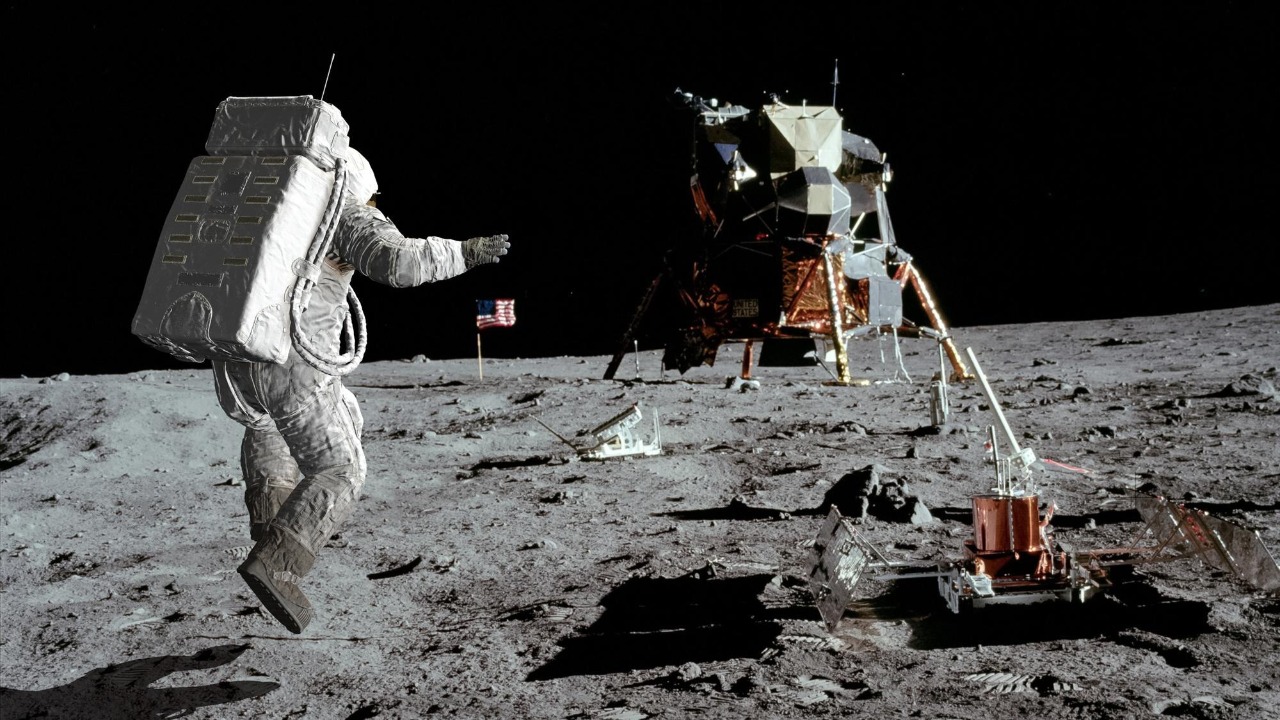
China’s lunar mission plans are as ambitious as they come. Reports from Daily Galaxy and Faster Please provide insight into China’s moon ambitions. These sources detail that China aims to establish a human lunar base within the next decade, a goal that is significantly ahead of America’s Artemis Program’s timeline.
While China’s lunar mission plans and America’s Artemis Program both aim for a return to the moon, the differing timelines, aims, and resources offer distinctive advantages to each. However, factors such as China’s rapid technological progress and ambitious timeline might give it the upper hand in this race.
3. The Implications of China’s Possible Dominance in Space Exploration

The broader geopolitical implications should China outpace the U.S. in the return to the moon are significant. A Live Science report suggests that such a development could affect the balance of power in space exploration and technology. With space being the next frontier, dominance in this area could translate to significant geopolitical influence.
Should China outpace the U.S. in this race, it could necessitate a reassessment of strategies by the U.S. Maintaining competitiveness might require increased investments, fostering of private-public partnerships, and policy reviews. Such moves could ensure that the U.S. stays competitive in the rapidly evolving space race.
4. The Role of Private Enterprises in the New Space Race
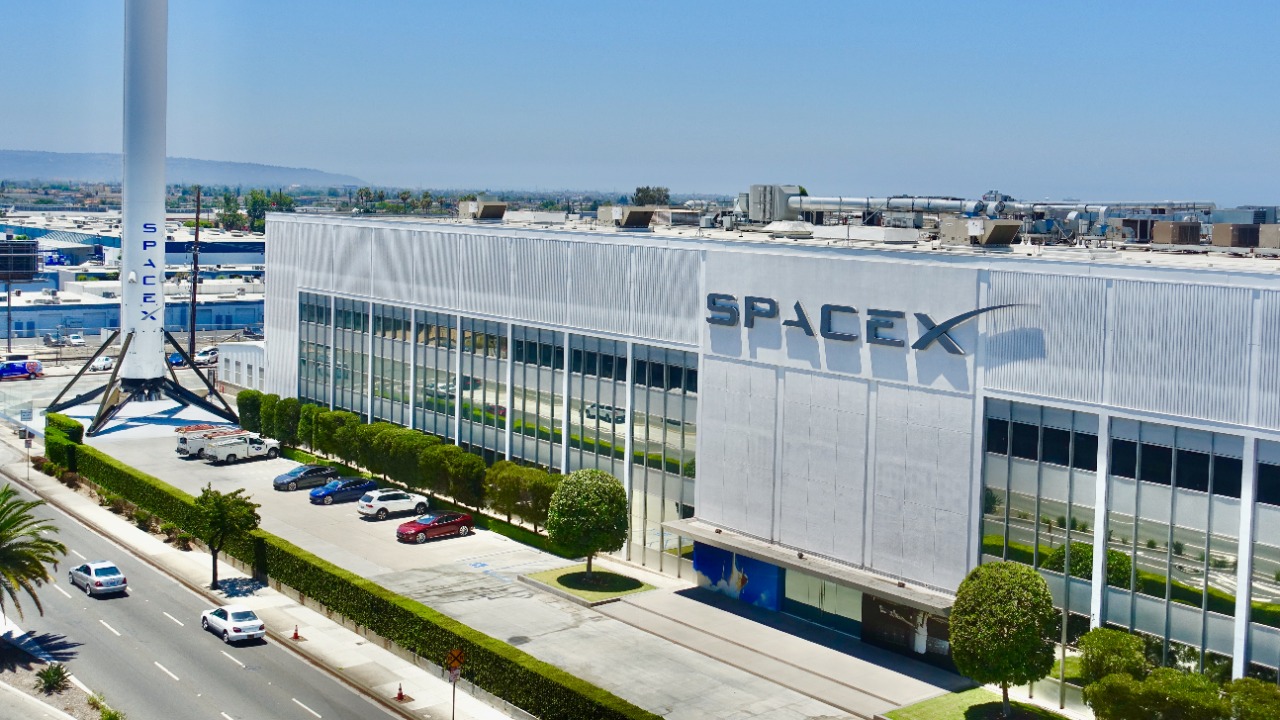
Private companies have played a significant role in America’s space exploration efforts. Firms like SpaceX have injected vitality into the sector, driving innovation and reducing costs. This private sector involvement has been instrumental in America’s current space exploration plans, including the Artemis Program.
While China has also seen increased private-sector involvement in space exploration, the level of engagement is not as pronounced as in the U.S. However, it’s worth noting that the role of private enterprises in space exploration could bring about potential advantages and disadvantages. On one hand, it could spur innovation and reduce costs. On the other hand, it could lead to a commercialization of space, with potential negative implications for scientific exploration.
5. Future of the New Space Race: Predictions and Possibilities

The future of the space race, based on the current pace of China and the U.S., is rife with possibilities for scientific discovery and technological innovation. Predictions by experts, including those cited in the Faster Please report, point to a highly competitive landscape driven by national pride, geopolitical considerations, and the quest for scientific knowledge.
While competition is a significant driver in this race, the potential for international cooperation in space exploration should not be overlooked. Collaborative efforts could provide opportunities for shared resources, knowledge exchange, and the fostering of peaceful coexistence beyond Earth. Regardless of who takes the lead, the new space race promises a future filled with thrilling possibilities for mankind.
