In a bid to combat the risk of fires in electric vehicles (EVs), Chinese engineers have introduced a feature that violently ejects the battery pack during a fire incident. Initially presented as an innovative safety solution, this “battery eject” mechanism has, however, stirred up safety concerns due to the potential for the ejected battery pack to land in oncoming traffic, thereby creating new hazards for other drivers.
The Unveiling of the Battery Ejection Technology
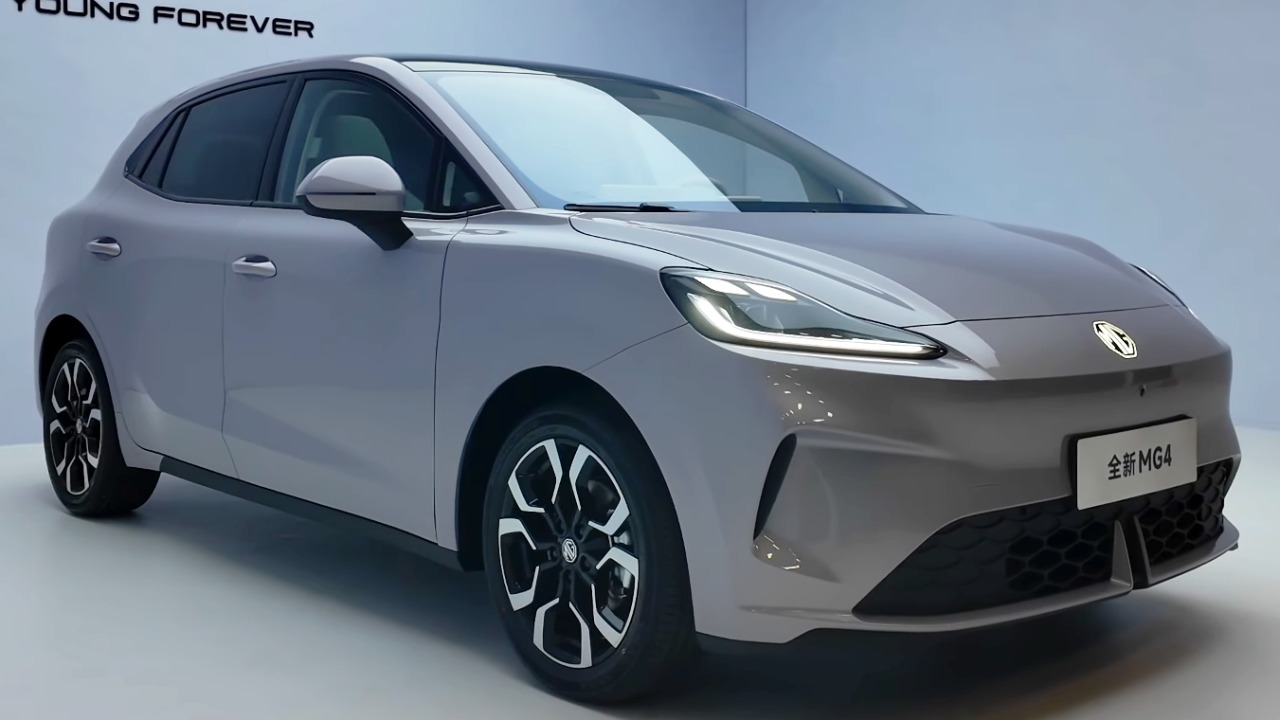
On September 27, 2025, Chinese EV developers announced a novel feature designed to mitigate fire risks in electric vehicles. The core mechanism involves the violent ejection of the battery pack in the event of a fire, isolating the hazard and preventing a phenomenon known as thermal runaway. This term refers to a situation where an increase in temperature changes the conditions in a way that causes a further increase in temperature, often leading to a destructive result. The battery ejection feature was initially presented as an innovative solution to this problem, a testament to the forward-thinking approach of Chinese EV developers.[source]
The unveiling of this technology was met with initial excitement, as it represented a bold and innovative approach to a persistent problem in the EV industry. The developers highlighted the potential for the ejection system to prevent catastrophic damage to the vehicle and its occupants by rapidly isolating the battery pack, the source of the fire. The technology was hailed as a testament to China’s commitment to pushing the boundaries of EV safety and design. However, the enthusiasm was short-lived as critics began to question the practicality and safety implications of such a system.[source]
How the Ejection System Functions
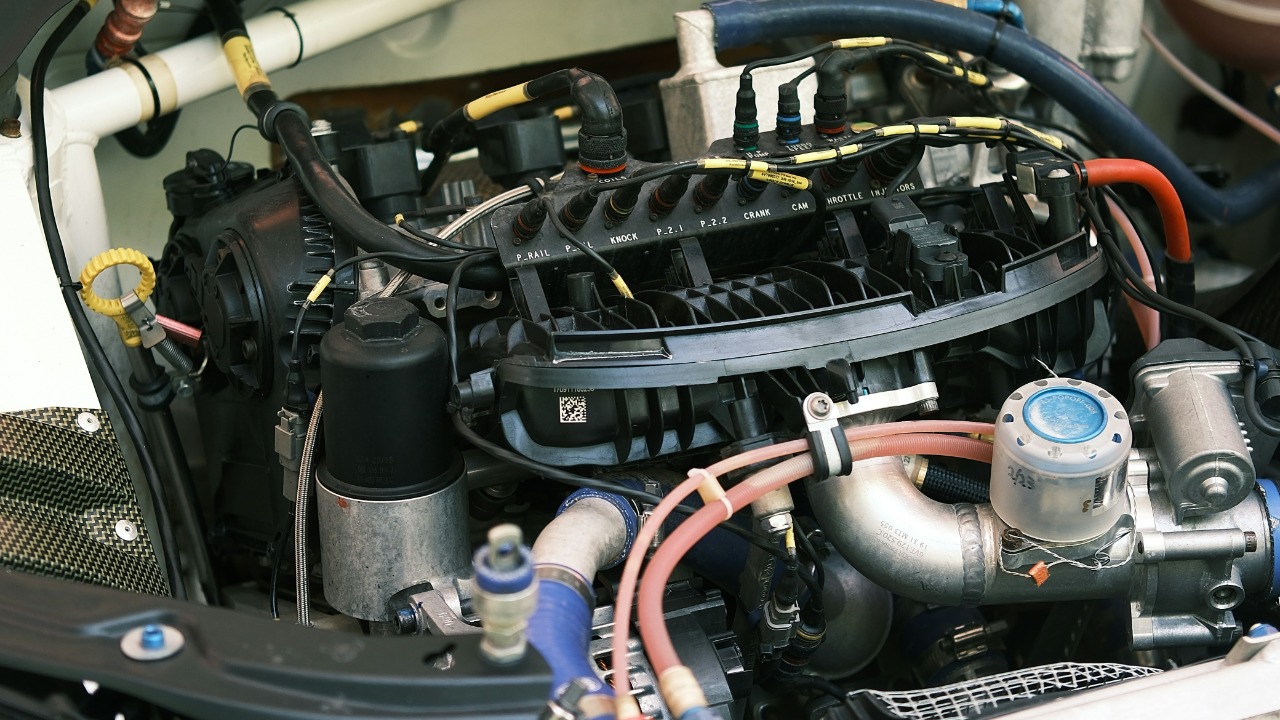
The battery ejection system works by violently propelling the battery pack out of the vehicle during a fire. This is achieved through an explosive propulsion method that shoots the battery pack away from the vehicle, thereby isolating the fire hazard. The aim of this rapid separation is to address vulnerabilities like thermal runaway that are inherent in EVs.[source] However, this aggressive approach to fire management has raised eyebrows, with critics arguing that it merely shifts the problem elsewhere, specifically into traffic.[source]
Safety Fears Triggered by the Design

The safety concerns raised by the battery ejection system are numerous and significant. The most immediate is the risk posed by a heavy, potentially flaming battery pack landing in the path of oncoming traffic. The sudden appearance of such an obstacle could cause drivers to swerve or brake suddenly, leading to accidents. Additionally, the battery pack itself could cause damage or injury if it were to strike a vehicle or pedestrian. There are also concerns about the environmental impact of a burning battery pack, which could release harmful chemicals into the atmosphere.[source]
Public and Media Backlash

The public and media backlash to the battery ejection system has been swift and severe. Critics have lambasted the technology as a dangerous and ill-conceived solution to the problem of EV fires. Many have pointed out that the system merely shifts the risk from the occupants of the EV to other road users, rather than eliminating it. The media has also highlighted the potential for the system to cause panic and confusion on the roads, as drivers may not understand what is happening when a battery pack is suddenly ejected. The backlash has put pressure on the developers to reconsider the design and explore safer alternatives.[source]
Implications for EV Safety Standards

The introduction of the battery ejection system has sparked a wider debate about EV safety standards. Critics argue that the system represents a step backwards in terms of safety, as it introduces new risks rather than mitigating existing ones. There are calls for stricter regulations to prevent the adoption of such potentially dangerous technologies in the future. On the other hand, some argue that the system represents a novel approach to a serious problem, and that it could lead to further innovations in EV safety. The controversy has highlighted the need for a balanced approach to EV safety that takes into account both the risks and benefits of new technologies.[source]
China’s Role in EV Innovation and Criticism

China’s role in the development of the battery ejection system has been a source of both praise and criticism. On one hand, the country’s commitment to advancing EV technology is commendable. The battery ejection system, despite its flaws, represents a bold attempt to address a serious issue. On the other hand, the controversy surrounding the system has raised questions about the quality and safety of Chinese EV innovations. Critics argue that the country’s rush to lead in the EV market may be leading to the adoption of risky and untested technologies. The backlash against the battery ejection system could have implications for the reputation of Chinese EVs globally.[source]
Potential Revisions and Future Outlook
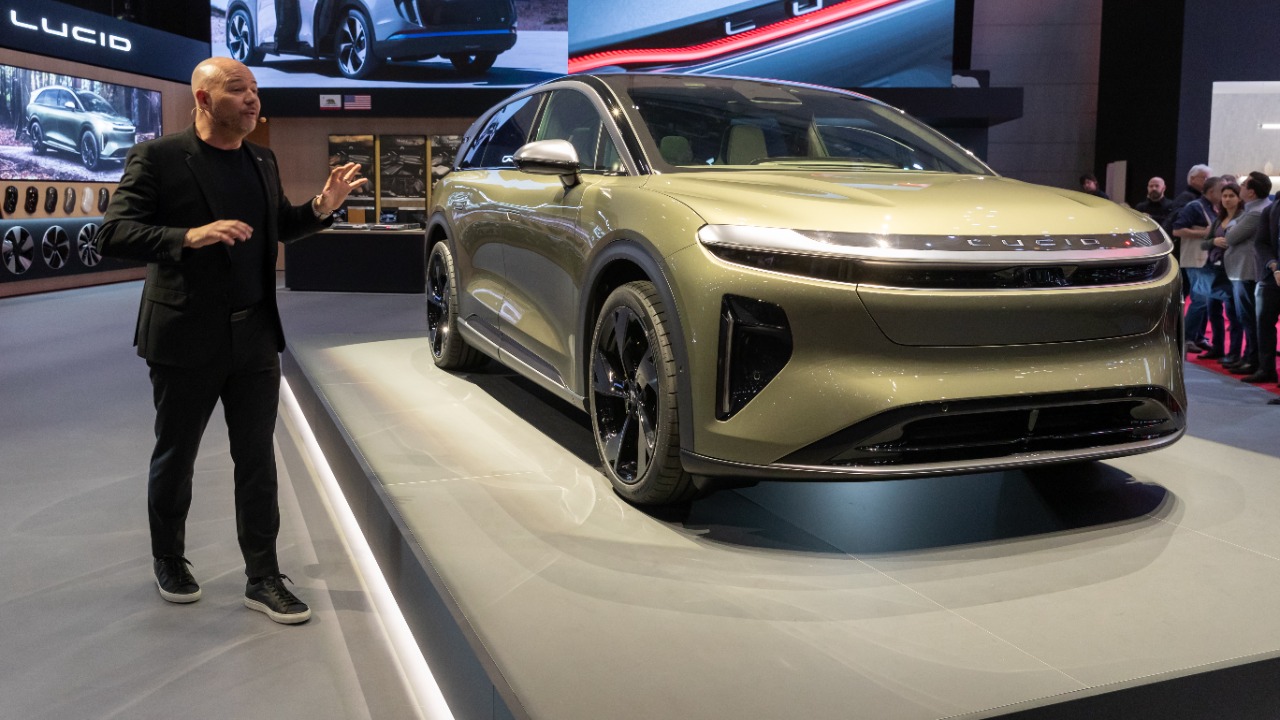
In response to the backlash, the developers of the battery ejection system may be forced to make revisions to the design. These could include measures to control the trajectory of the ejected battery pack, or the development of a containment system to prevent the battery pack from causing damage or injury upon landing. The controversy could also spur the development of alternative solutions to the problem of EV fires, such as improved fire suppression systems or safer battery designs. Despite the negative reaction, the battery ejection system has succeeded in drawing attention to the issue of EV fires, and could ultimately lead to safer and more effective solutions.[source]
