The recent incident involving China’s J-20 stealth fighter flying undetected through a highly secure American defense perimeter has raised significant concerns about advancements in military technology and the balance of global air superiority. As the U.S. Air Force grapples with this revelation, the capability of the J-20 to bypass sophisticated radar and electronic defenses has sparked a debate on the future of aerial warfare.
The Rise of China’s J-20
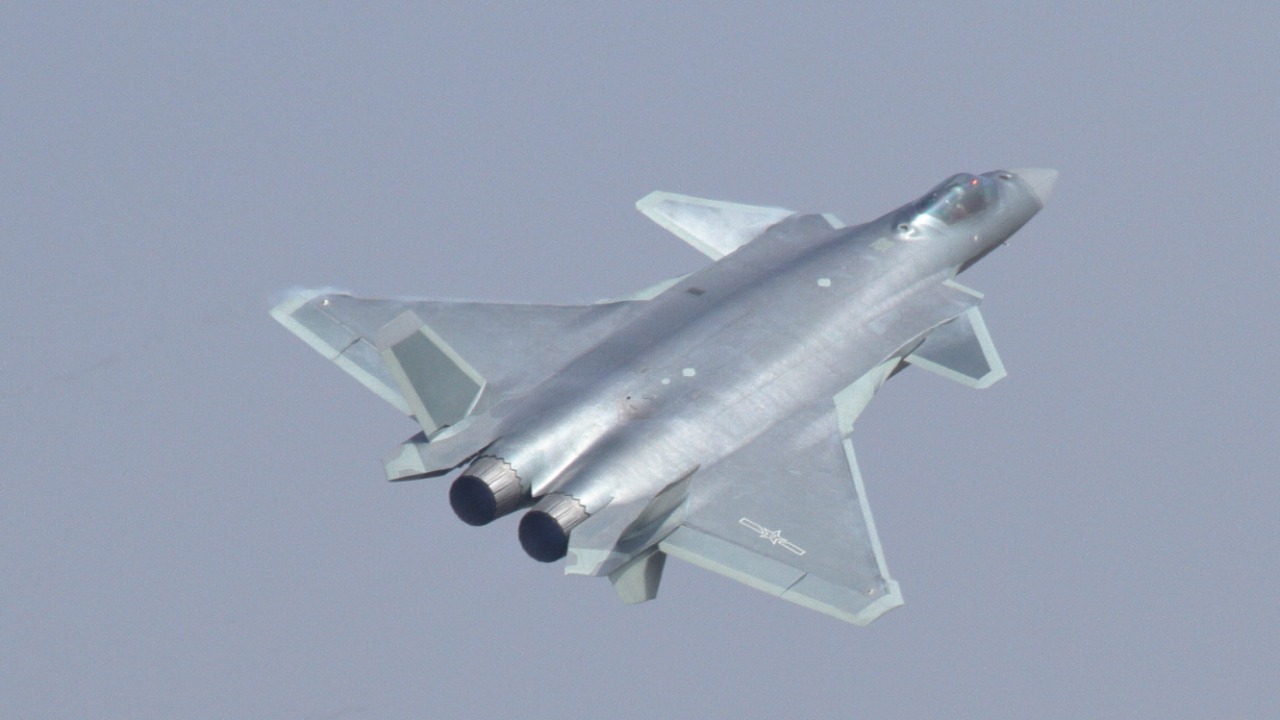
China’s J-20, officially known as the Chengdu J-20 Mighty Dragon, represents a significant leap in military aviation for the nation. Developed by the Chengdu Aerospace Corporation, the J-20 is a fifth-generation stealth fighter equipped with cutting-edge technology, including advanced avionics, stealth capabilities, and highly agile flight performance. The aircraft is designed to penetrate enemy defenses and establish air superiority, thanks to its low radar cross-section and high maneuverability, which are crucial in modern aerial combat. The J-20’s stealth features are complemented by its sophisticated electronic warfare systems, making it a formidable opponent in any potential conflict.
Strategically, the J-20 fits into China’s broader military objectives, which include asserting regional dominance and challenging the United States’ air superiority. China’s military strategy has increasingly focused on developing capabilities that deter adversaries and protect its interests in contested regions, such as the South China Sea. The J-20 plays a pivotal role in this strategy, serving as both a deterrent and a tool for projecting power. When compared to its U.S. counterparts, such as the F-22 Raptor and the F-35 Lightning II, the J-20 holds its own in terms of stealth and avionics, though experts debate whether it matches the overall performance and combat readiness of these American fighters.
Breaching the ‘Electronic Fortress’
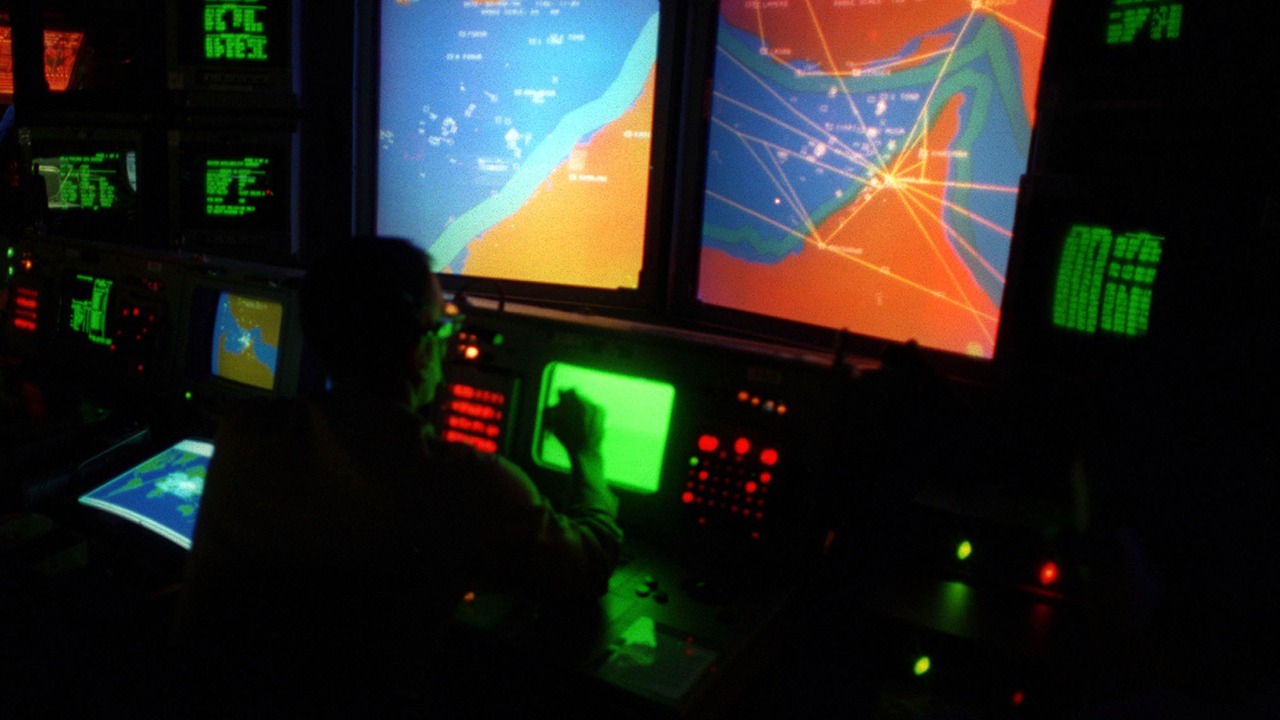
The United States has long maintained an advanced and comprehensive defense network, often referred to as its ‘electronic fortress.’ This network comprises a range of sophisticated radar systems, surveillance technologies, and electronic warfare capabilities designed to detect and neutralize potential threats from the air and sea. Key components of this defense system include the Aegis Combat System and the sophisticated AN/SPY-1 radar, both of which are crucial in maintaining situational awareness and tracking hostile aircraft.
Despite these formidable defenses, the J-20’s recent undetected flight through the U.S. defense perimeter has highlighted potential vulnerabilities. The J-20 is believed to have utilized its stealth features, such as radar-absorbent materials and an optimized shape, to evade detection. Additionally, advanced tactics, including electronic countermeasures, may have played a role in disrupting American radar systems. This incident has profound implications for U.S. national security, exposing potential gaps in its defense infrastructure and prompting a reevaluation of current strategies. As noted by National Security Journal, it raises questions about the resilience of U.S. defenses against next-generation threats.
Global Reactions and Strategic Implications
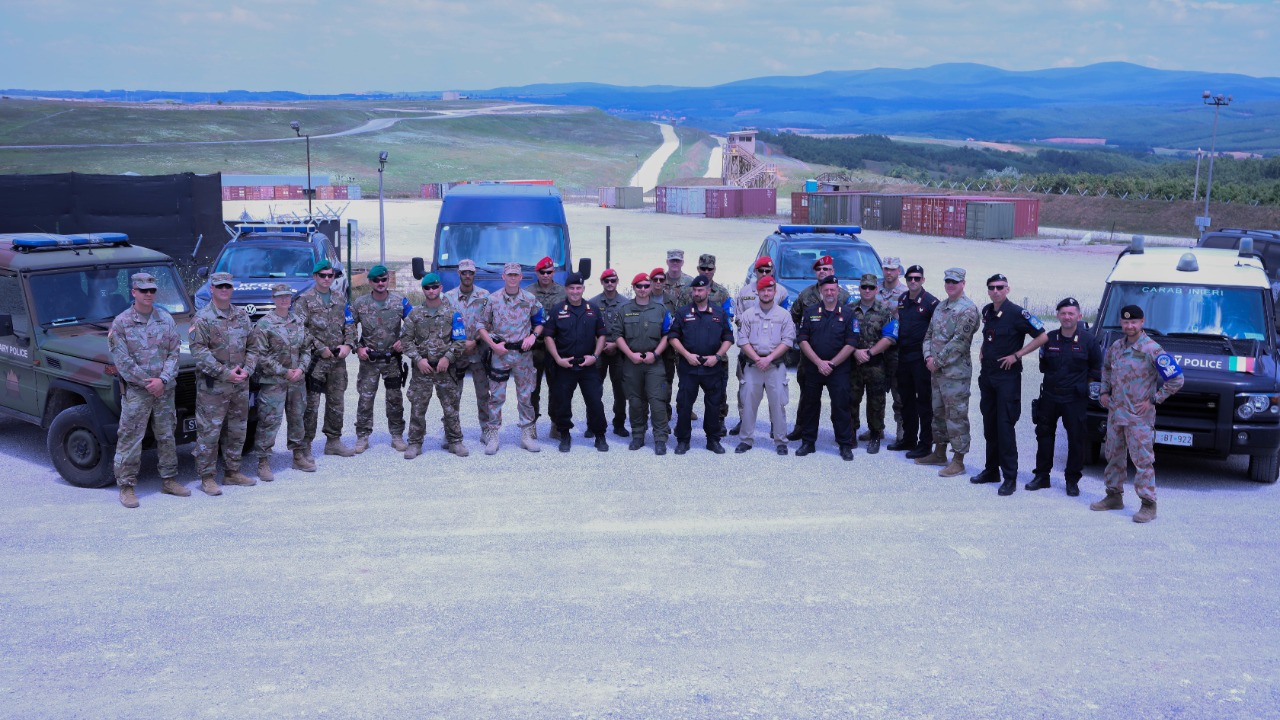
The U.S. military and political establishment is taking the J-20’s capabilities seriously. Defense officials are reportedly assessing the incident to understand how the J-20 managed to breach America’s electronic defenses. This assessment is likely to influence future investments in radar and electronic warfare technologies, as well as strategic planning for aerial defense. Policymakers are also considering potential diplomatic responses to China’s growing military capabilities, which could include bolstering alliances in the Asia-Pacific region and increasing military presence in contested areas.
Internationally, the J-20’s performance has captured the attention of military analysts and governments worldwide. Many nations are reassessing their own defense capabilities in light of China’s advancements. Countries such as Japan and South Korea are particularly concerned about the J-20’s implications for regional security, given their proximity to China and existing territorial disputes. As reported by South China Morning Post, the J-20’s flight through the Tsushima Strait has been a point of concern for regional powers. This incident could potentially lead to a new arms race, with nations investing heavily in stealth technology and countermeasures to maintain a strategic edge.
Technological and Strategic Challenges Ahead
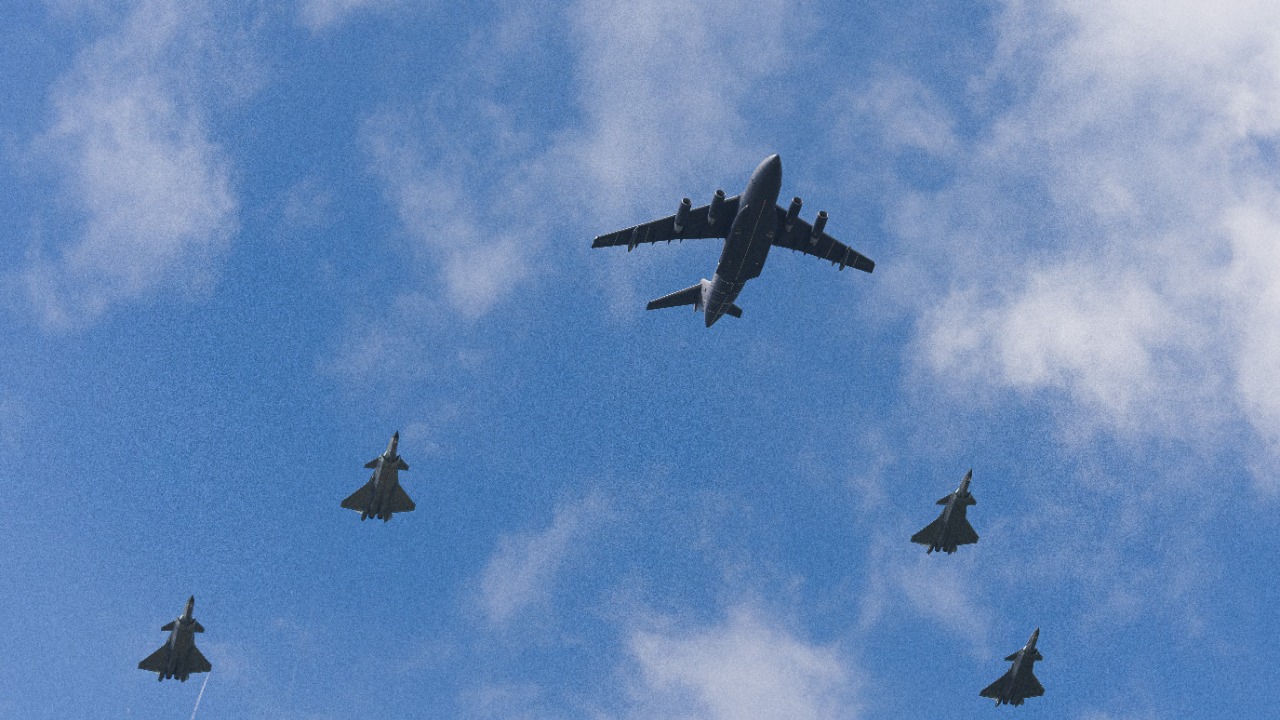
The incident involving the J-20 has underscored the importance of advancing radar and counter-stealth technologies to detect and neutralize stealth aircraft. The U.S. and its allies are likely to accelerate research and development in these areas, focusing on next-generation radar systems capable of identifying low-observable aircraft. The integration of artificial intelligence and machine learning into these systems is also being explored to enhance detection capabilities and response times.
Moreover, the role of cyber warfare and electronic warfare is becoming increasingly crucial in modern defense strategies. As highlighted by National Security Journal, the intersection of these domains with aerial defense is reshaping military tactics. The ability to disrupt enemy communications and radar systems through electronic warfare is a key component of the J-20’s strategy, and similar capabilities are being developed by other nations to counter stealth threats.
The challenge lies in balancing innovation with security. As nations strive to maintain technological superiority, they must also ensure that their defense mechanisms are robust and resilient against emerging threats. This requires a comprehensive approach that integrates advances in radar, cyber, and electronic warfare technologies. As the global military landscape evolves, the focus will increasingly be on maintaining a strategic edge while safeguarding national security interests.
