The Chinese J-20 fighter jet, colloquially known as the Mighty Dragon, is an emblem of China’s incremental rise in military sophistication. As the inaugural stealth fighter jet produced by China, the J-20 boasts a crucial advantage over its Western counterparts – its superior range capabilities.
The Emergence of the J-20
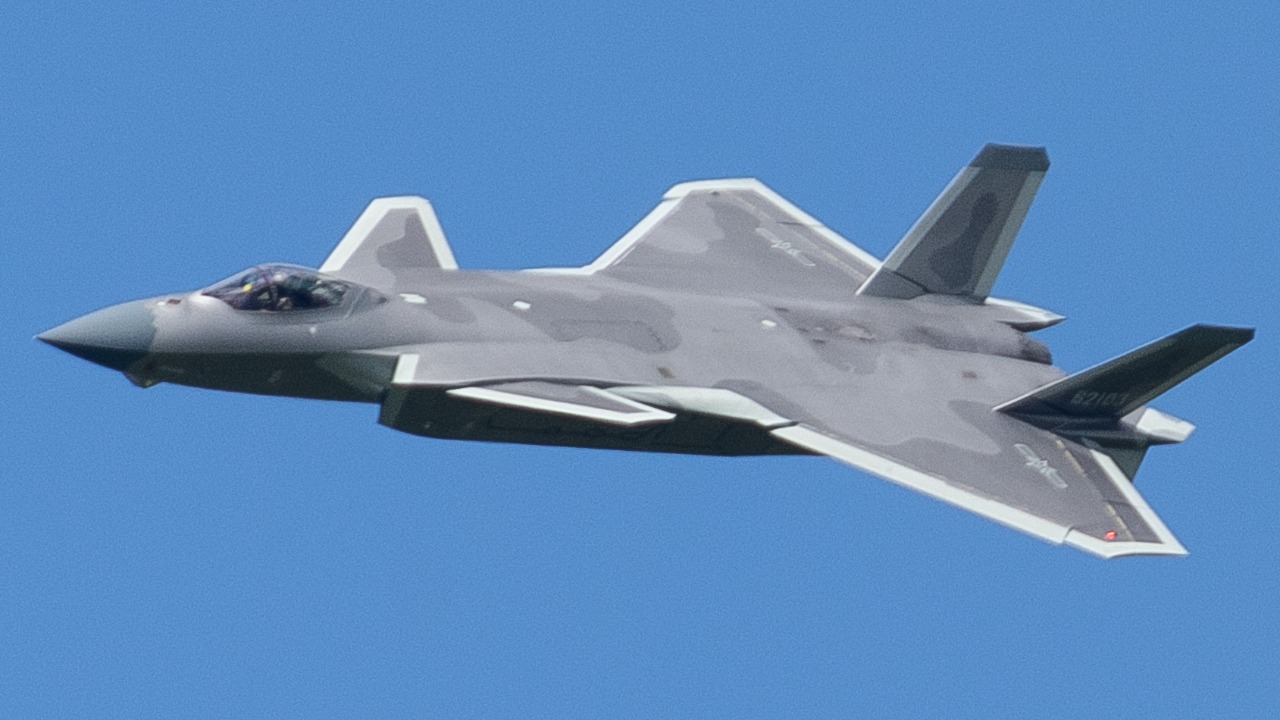
The J-20’s development is a testament to China’s concerted efforts to modernize its air force. The program was initiated in the late 1990s, with the first prototype taking flight in 2011. By 2017, the J-20 had entered service, marking a significant milestone in China’s military history. The raison d’être behind the J-20’s introduction was to bridge the technological gap between China and other leading military powers, notably the United States.
Strategically, the J-20 plays a pivotal role in China’s overall military strategy. With its stealth capabilities and longer range, the J-20 is well-suited for offensive operations and air dominance roles. It can penetrate hostile air defenses and take out high-value targets, thereby altering the balance of airpower in a potential conflict.
Western Fighter Jets: A Comparison
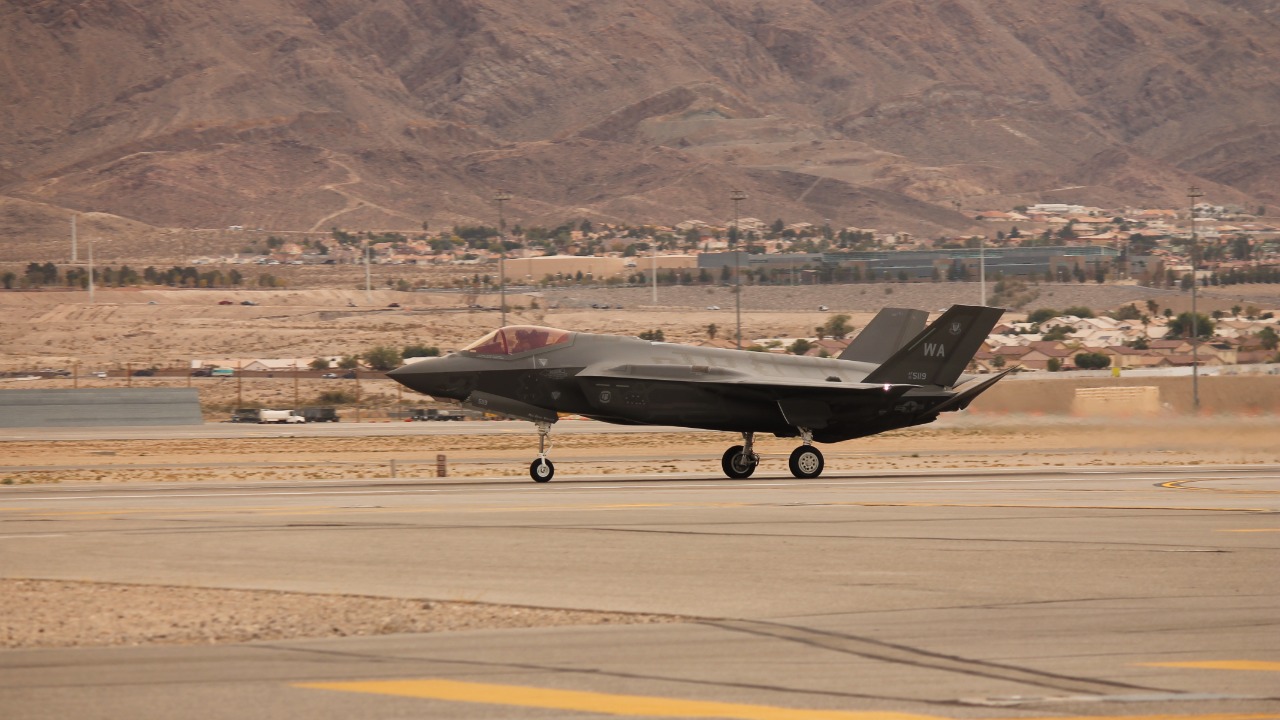
The Western counterparts of the J-20 include the F-22 Raptor and F-35 Lightning II, both produced by Lockheed Martin. The F-22, renowned for its stealth and supercruise capabilities, is considered the premier air superiority fighter, while the F-35, a multirole fighter, excels in stealth, sensors, and networking. However, both jets have been criticized for high costs and technical issues.
These Western jets play a critical role in their respective nations’ military strategies. The F-22 and F-35 are integral to maintaining air superiority and conducting precision strike missions. However, the J-20’s superior range could pose a challenge to these Western jets, potentially forcing them to alter their operating strategies.
The J-20’s Unique Advantage
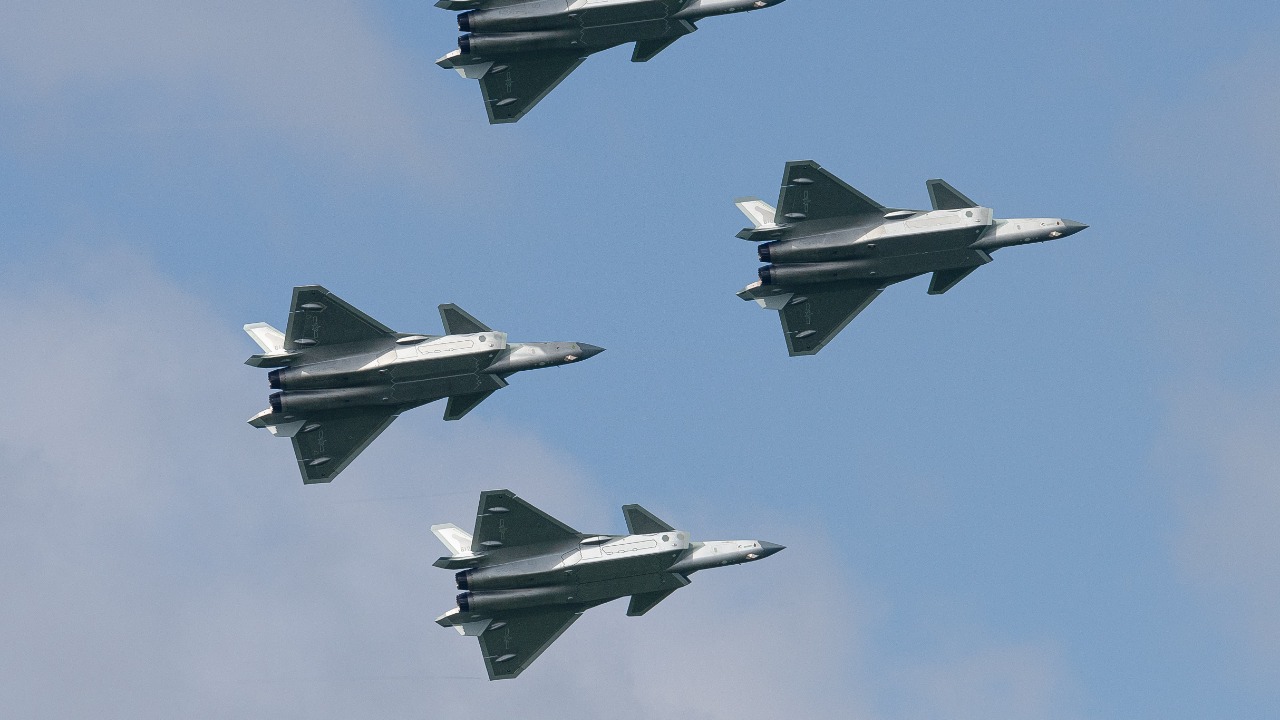
The J-20’s key advantage over Western fighter jets lies in its longer range capabilities. This increased range allows the J-20 to strike at adversaries from a greater distance, thereby reducing its vulnerability to enemy air defenses. In aerial combat, this advantage can be decisive, allowing the J-20 to land the first blow, potentially disabling enemy aircraft before they can return fire.
Stealth technology plays a critical role in enhancing the J-20’s range. By reducing the aircraft’s radar cross-section, stealth technology makes it more difficult for enemy radar to detect the J-20 at long ranges. This allows the J-20 to approach closer to its targets, further extending its effective range.
Implications for Global Military Balance
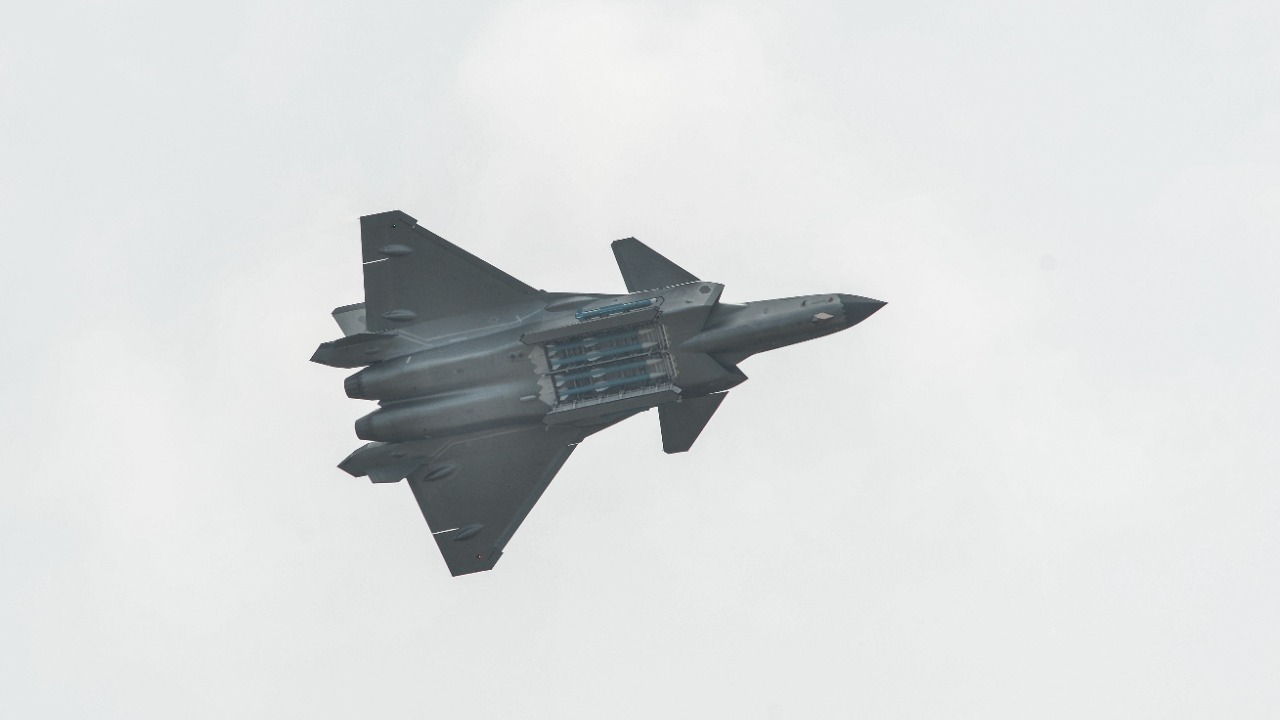
The J-20’s unique advantage could have significant implications for the global military balance. It could potentially disrupt Western military strategies that rely on air superiority, forcing them to adapt to this new threat. This shift could lead to an arms race, with countries vying to develop new technologies to counter the J-20’s capabilities.
The rise of the J-20 also highlights China’s ascent as an arms exporter. As China continues to develop its domestic defense industry, its military innovations, such as the J-20, could find their way into the arsenals of other nations, further altering the global military landscape.
The Future of Stealth Fighter Technology
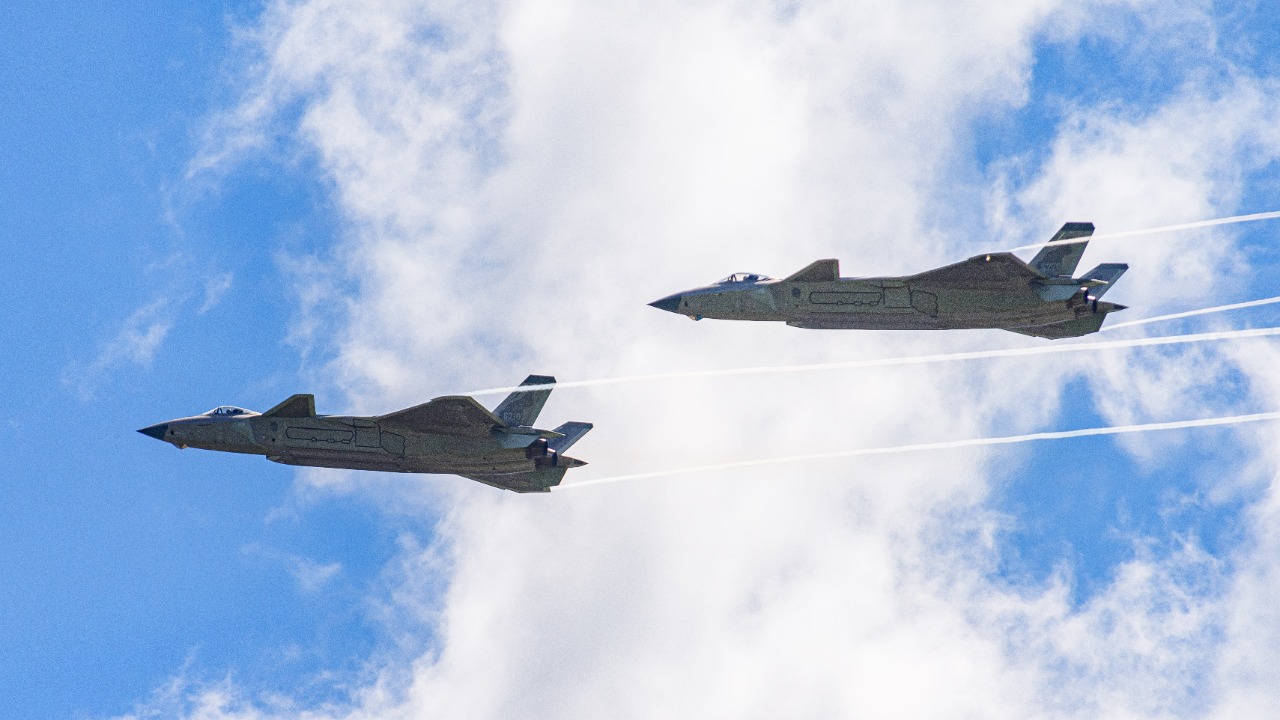
The J-20 is not the end of the line for China’s stealth fighter technology. There is potential for further improvements, particularly in terms of stealth coatings, engine technology, and avionics. These advancements could make the J-20 even more formidable, maintaining its edge over Western fighter jets.
The development of the J-20 could also influence the future of stealth fighter technology globally. As other nations observe the J-20’s capabilities and performance, they may seek to emulate or counter its technology. This could spur innovation and competition, leading to the development of the next generation of fighter jets in both the East and West.
The J-20 in the Context of Sino-Western Relations
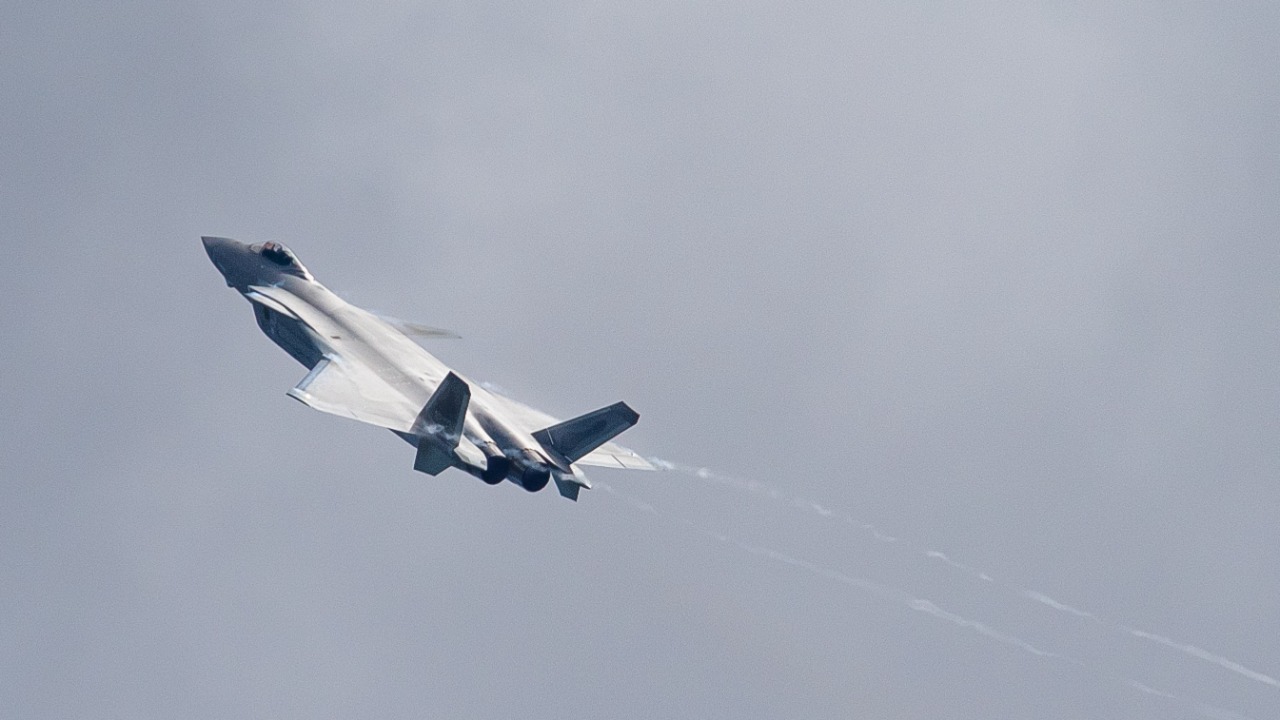
The development of the J-20 has undoubtedly had an impact on Sino-Western relations. It serves as a concrete demonstration of China’s military prowess and ambition, which could lead to increased tensions or even fuel a new arms race. At the same time, it could also drive greater cooperation in areas such as arms control and non-proliferation.
Military technology, such as the J-20, plays a significant role in shaping geopolitical dynamics. Its impact extends beyond the battlefield, influencing diplomatic relations, trade, and regional stability. As such, the J-20 could play an instrumental role in future military collaborations or conflicts between China and Western nations.
