Recent discoveries by Chinese lunar missions have unveiled astonishing secrets beneath the moon’s surface, challenging our understanding of Earth’s celestial neighbor. From rare minerals to hidden structures, these findings could hold the key to future space exploration and energy solutions.
The Discovery of Lunar Structures
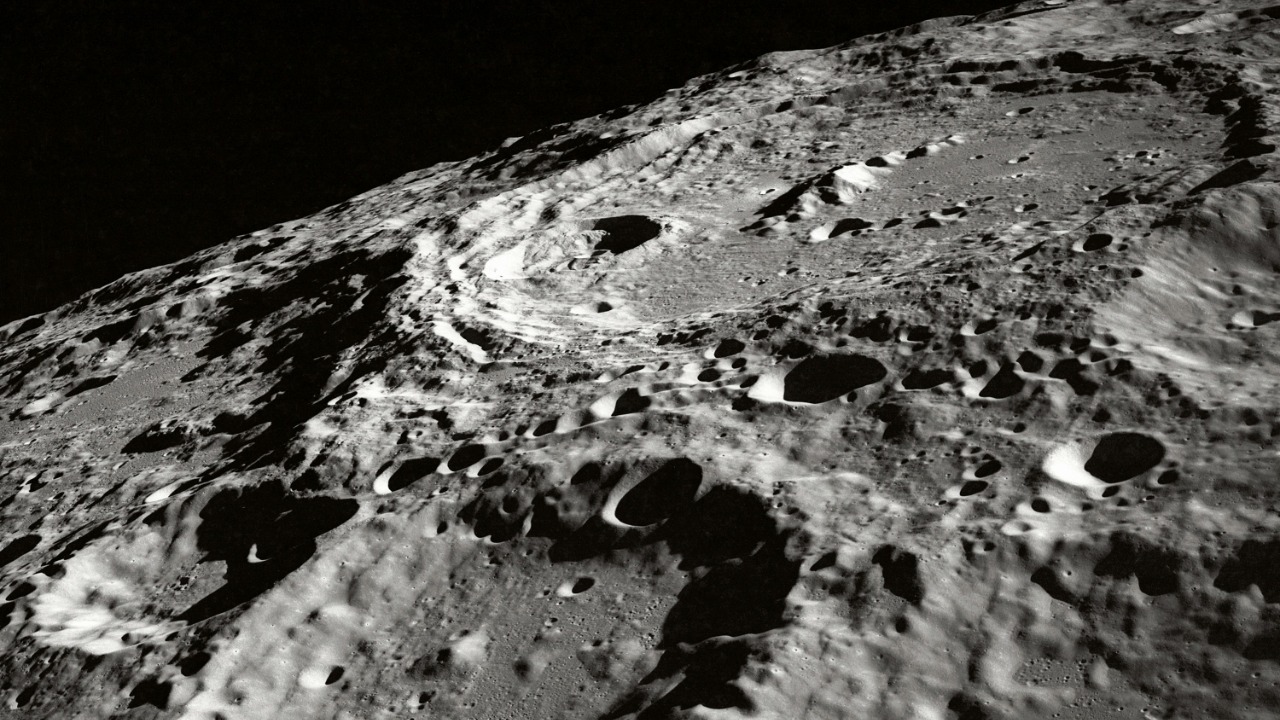
Chinese spacecraft have embarked on groundbreaking missions that have revealed hidden structures beneath the moon’s surface. The Chang’e program, named after the Chinese moon goddess, has been at the forefront of these explorations. Utilizing advanced technologies like lunar orbiters, landers, and rovers, the program has provided unprecedented insights into the lunar environment. The Chang’e-4 mission, for instance, was the first to land on the far side of the moon, revealing unique geological features that had never been observed before.
The hidden structures unearthed by these missions are both intriguing and significant. Analysis of data suggests that these formations could be ancient volcanic or tectonic structures, providing clues to the moon’s geological history. The existence of such structures challenges previous assumptions about the moon’s formation and evolution, suggesting a more dynamic and complex past than previously thought. Understanding these structures could potentially unlock new theories about the moon’s development and its relationship with Earth.
Rare Moon Crystal and Its Impact
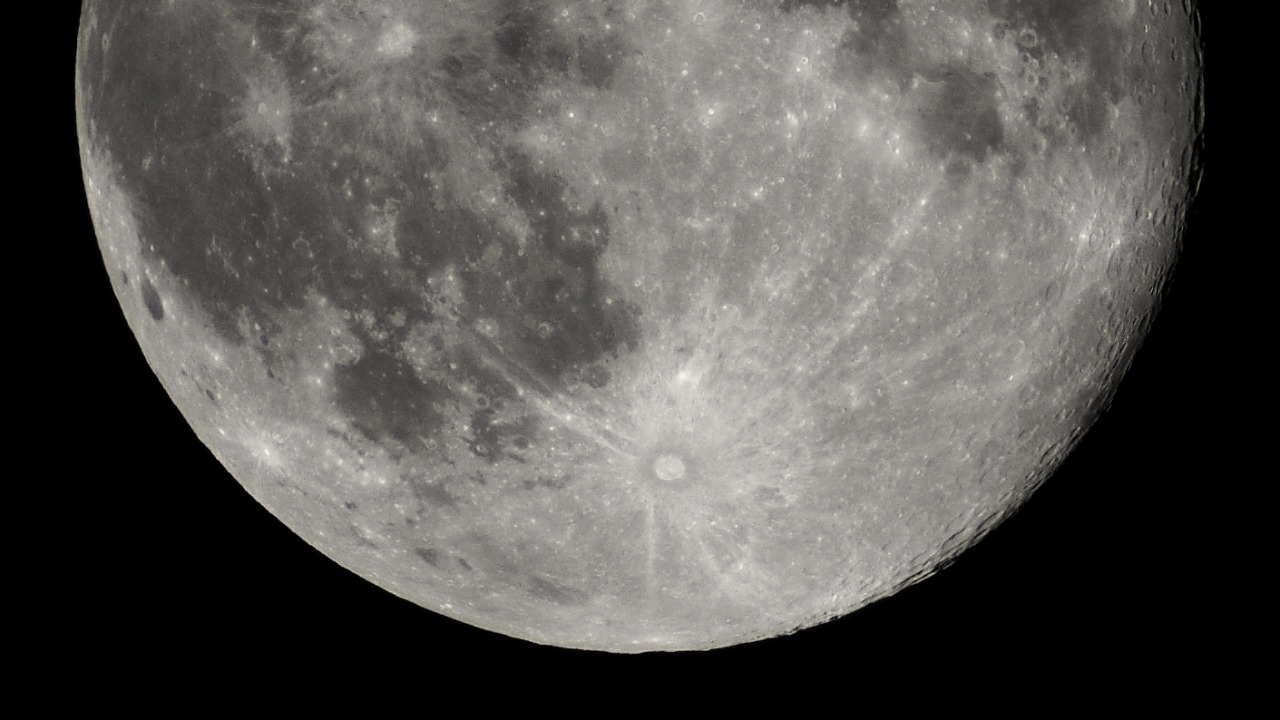
Among the remarkable findings is a rare moon crystal, a discovery that has captivated scientists worldwide. This crystal, identified as a new type of mineral, possesses unique properties that have sparked interest in its potential applications. The crystal’s composition includes elements not commonly found on Earth, offering a glimpse into the moon’s distinct geological processes. Researchers are keen to study these properties further to understand the crystal’s origin and formation.
The potential for this moon crystal to serve as an energy source is particularly exciting. Some scientists speculate that it could be used in nuclear fusion, a process that promises clean and virtually limitless energy. If harnessed effectively, this could revolutionize energy solutions for future space missions and even terrestrial applications. The discovery of this crystal highlights the moon’s potential as a resource-rich body that could support sustainable space exploration.
Comparatively, this lunar discovery offers a new perspective on Earth minerals. While similar minerals exist on our planet, the conditions under which they formed differ significantly. This contrast provides valuable insights into both lunar and terrestrial geology, potentially leading to innovations in material science and other fields. Scientists are particularly interested in how these lunar minerals can inspire new technologies and applications on Earth.
Advanced Technologies Driving Discoveries
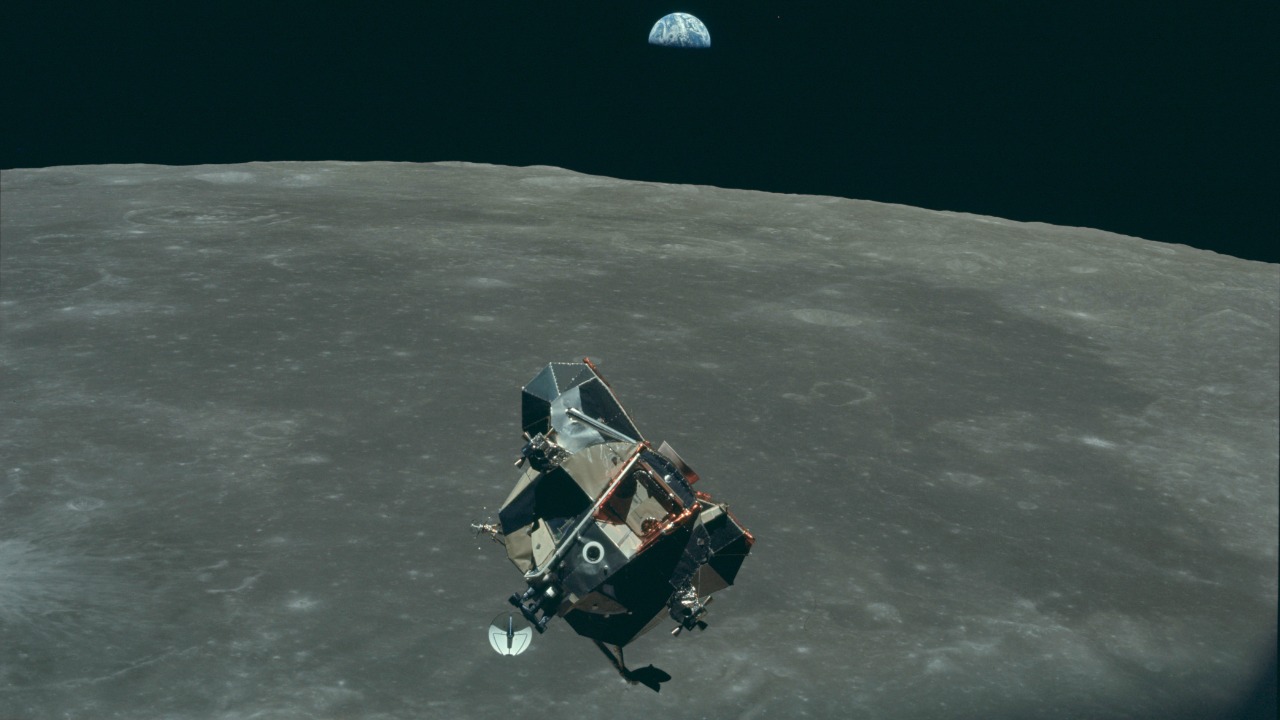
The success of these lunar missions can be attributed to the advanced technologies employed by the Chinese space program. Innovations such as high-resolution radar imaging and spectrometry have been crucial in mapping the lunar surface and identifying its hidden features. These technologies enable detailed analysis of the moon’s composition, revealing insights that were previously out of reach. The use of autonomous rovers equipped with cutting-edge instruments further enhances the capability to explore and study the moon’s surface.
Artificial intelligence and data analysis have also played a vital role in these discoveries. AI-driven algorithms process vast amounts of data collected by lunar missions, identifying patterns and anomalies that may indicate significant findings. This approach not only increases the efficiency of data interpretation but also enhances the accuracy of the results. As AI continues to evolve, its integration into space exploration promises even more profound discoveries.
The impact of China’s discoveries extends beyond scientific advancements, influencing the global landscape of space exploration. International collaboration and competition have been spurred by these findings, as other countries seek to match or surpass China’s achievements. The geopolitical implications are significant, with nations recognizing the strategic importance of lunar resources and the potential for cooperative ventures in future lunar missions.
Implications for Future Space Missions
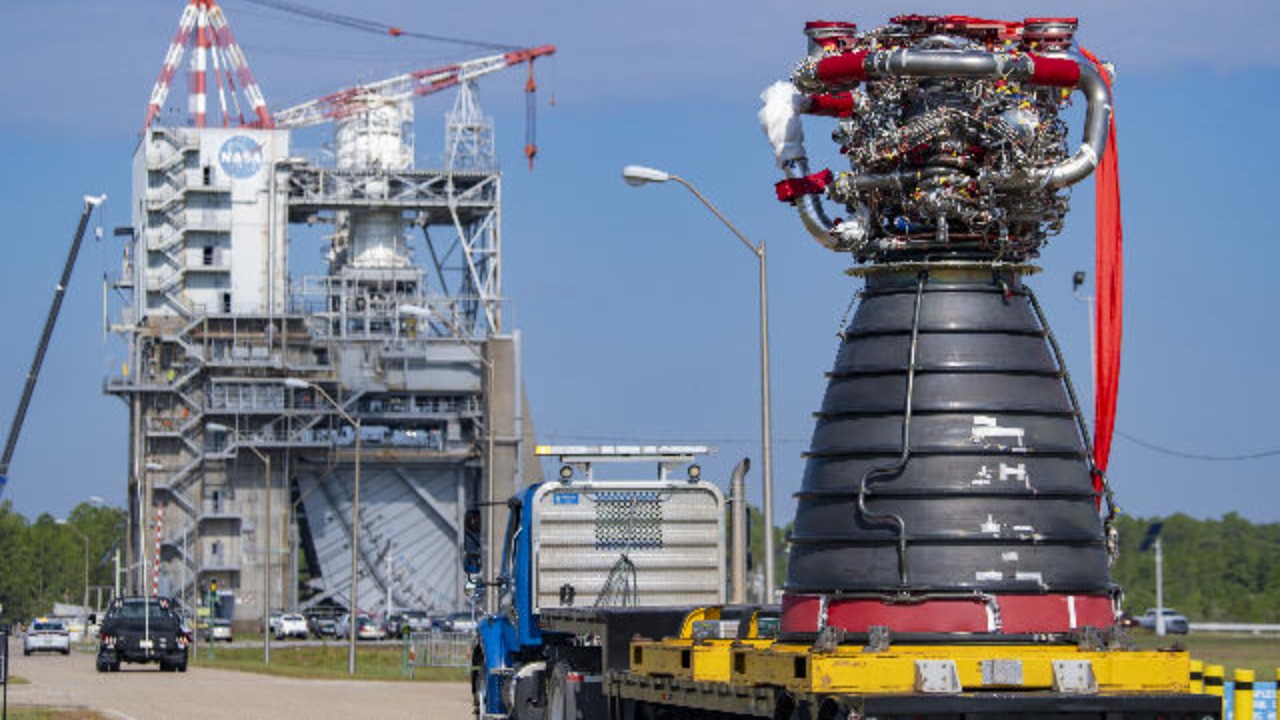
The strategic importance of lunar resources cannot be overstated. The discoveries made through China’s lunar missions could significantly influence the planning and execution of future space endeavors. The moon is increasingly seen as a stepping stone for deeper space exploration, with its resources offering potential support for missions to Mars and beyond. Understanding and utilizing these resources could determine the success of long-term space projects.
Preparations for human habitation on the moon are also impacted by these findings. Sustainable lunar bases could become a reality, with the moon’s resources providing essential materials for life support systems and construction. The availability of materials such as the rare moon crystal for energy production could facilitate a continuous human presence on the moon, paving the way for a new era of space exploration.
China’s ambitions for space exploration reflect a long-term vision that includes potential partnerships with other nations. By collaborating on lunar missions, countries can share expertise, technology, and resources, accelerating progress in space exploration. Such partnerships could lead to shared goals and achievements, fostering a spirit of cooperation despite geopolitical tensions.
Scientific and Cultural Significance
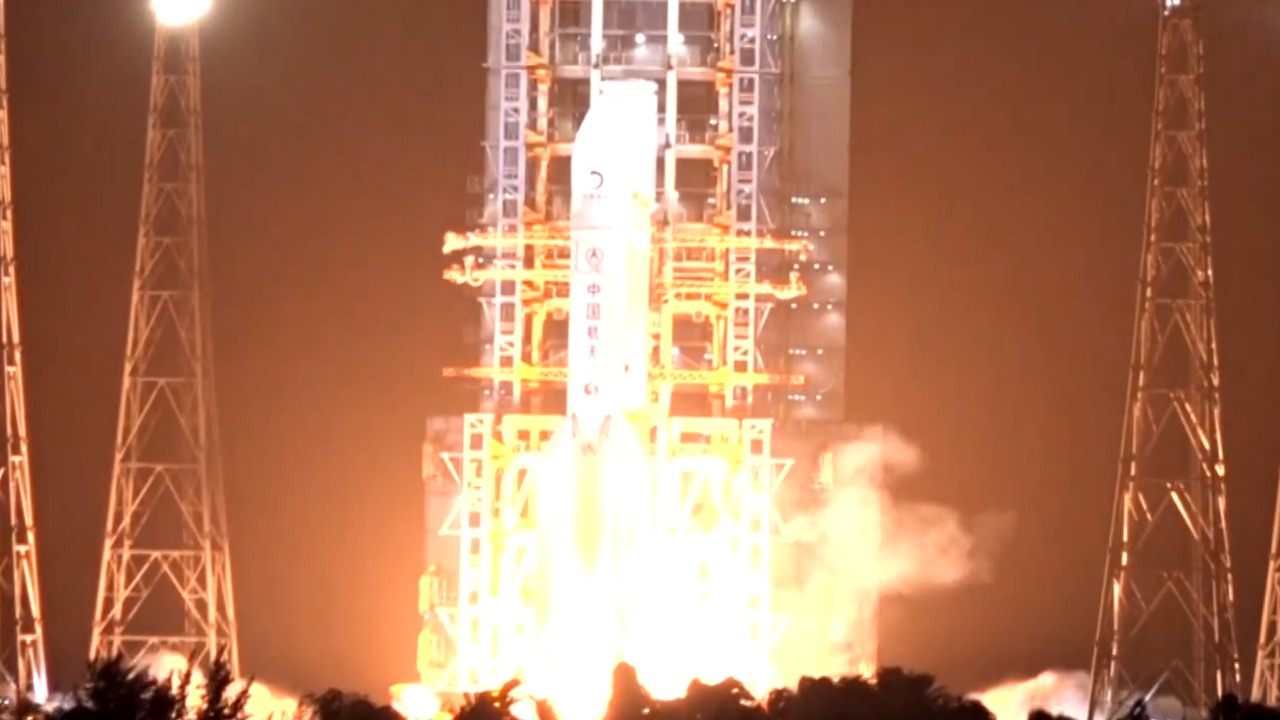
The discoveries made by Chinese lunar missions contribute significantly to the field of lunar science. They prompt a reevaluation of existing theories and models, encouraging scientists to explore new hypotheses and approaches. The data collected enriches our understanding of planetary science, offering insights that extend beyond the moon to other celestial bodies.
Culturally and historically, these findings reshape our perception of the moon. Historically viewed as a distant and mysterious object, the moon is now seen as a tangible and accessible world with its own complex history. This shift in perspective influences how societies view space exploration and its potential benefits. The moon’s role in mythology and human imagination is complemented by its newfound status as a valuable scientific resource.
Education and public engagement are key to leveraging these discoveries to inspire future generations. By integrating these findings into educational curricula, schools and universities can foster interest in science, technology, engineering, and mathematics (STEM) fields. Public outreach programs and media coverage can further engage the public, highlighting the excitement and potential of lunar exploration. As humanity continues to explore the moon, its secrets will undoubtedly inspire new generations to reach for the stars.
