The Xi’an H-6 bomber, a staple of China’s military aviation, embodies a unique blend of tradition and innovation. As an enduring symbol of China’s strategic air power, this aircraft has continually evolved to meet modern military demands. The essence of the H-6 bomber can be distilled into four critical words that define its legacy and future: evolution, advancement, significance, and challenge.
H-6 Evolution: From Soviet Roots to Chinese Ingenuity
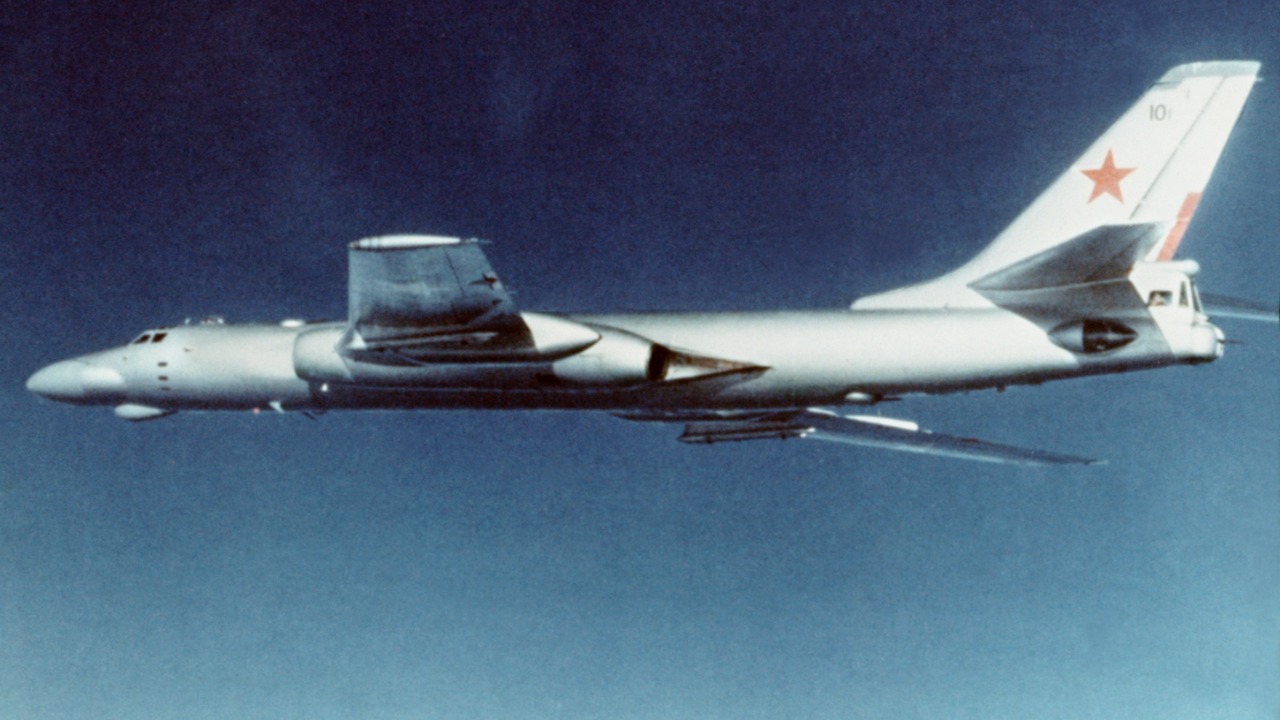
The story of the H-6 bomber begins with its Soviet roots. Originally a licensed version of the Soviet Tu-16, the H-6 was introduced to the People’s Liberation Army Air Force (PLAAF) in the late 1950s. The Tu-16 was known for its long-range capabilities and durability, traits which were inherited by its Chinese counterpart. However, the H-6 did not merely remain a copy. Over the years, Chinese engineers have introduced numerous modifications to the original design, making it a unique aircraft tailored to China’s specific strategic needs.
Modernization efforts have been a constant theme in the H-6’s journey. Over the decades, the aircraft has undergone significant upgrades to keep pace with technological advancements and military requirements. These upgrades include enhanced avionics systems, improved engines, and advanced weapons systems. The integration of new technologies has allowed the H-6 to remain a relevant force in modern warfare. One notable shift in its strategic role has been its transition from traditional bombing missions to more diverse tasks such as maritime strike and long-range precision attacks, expanding its utility in various combat scenarios.
Technological Advancements: Staying Ahead of the Curve
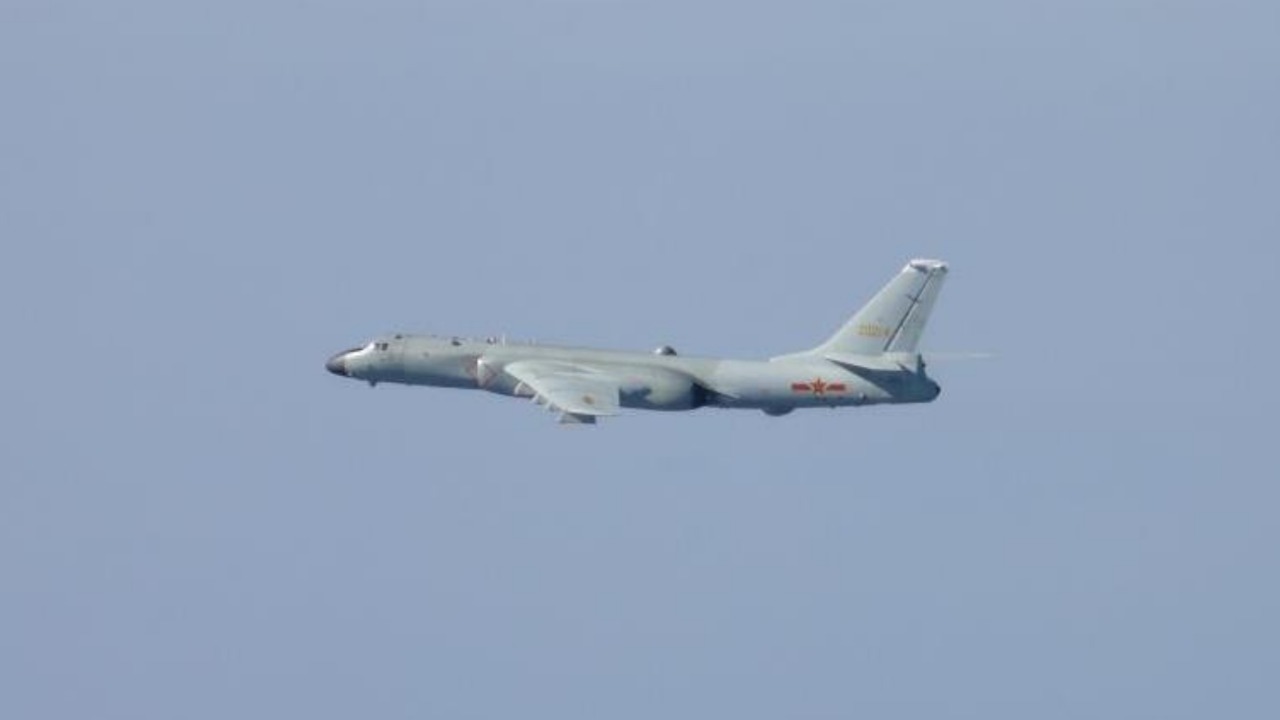
The H-6 bomber has made significant strides in technological advancements, particularly in avionics and sensors. The introduction of new radar systems, advanced navigation technology, and sophisticated electronic warfare capabilities have greatly enhanced the H-6’s operational effectiveness. These advancements allow it to operate efficiently in complex environments, providing a strategic edge on the battlefield.
When it comes to weaponry, the H-6 boasts a versatile array of munitions. It can deploy a variety of cruise missiles and precision-guided bombs, significantly expanding its tactical reach. This adaptability makes it a formidable asset in China’s military arsenal. Furthermore, the H-6’s integration into modern warfare is not limited to its technological upgrades. It plays a pivotal role in China’s broader military strategy, particularly in terms of its synergy with other air and naval forces. This integration is crucial for maintaining a coherent and effective defense posture in the region.
Operational Significance: A Strategic Asset
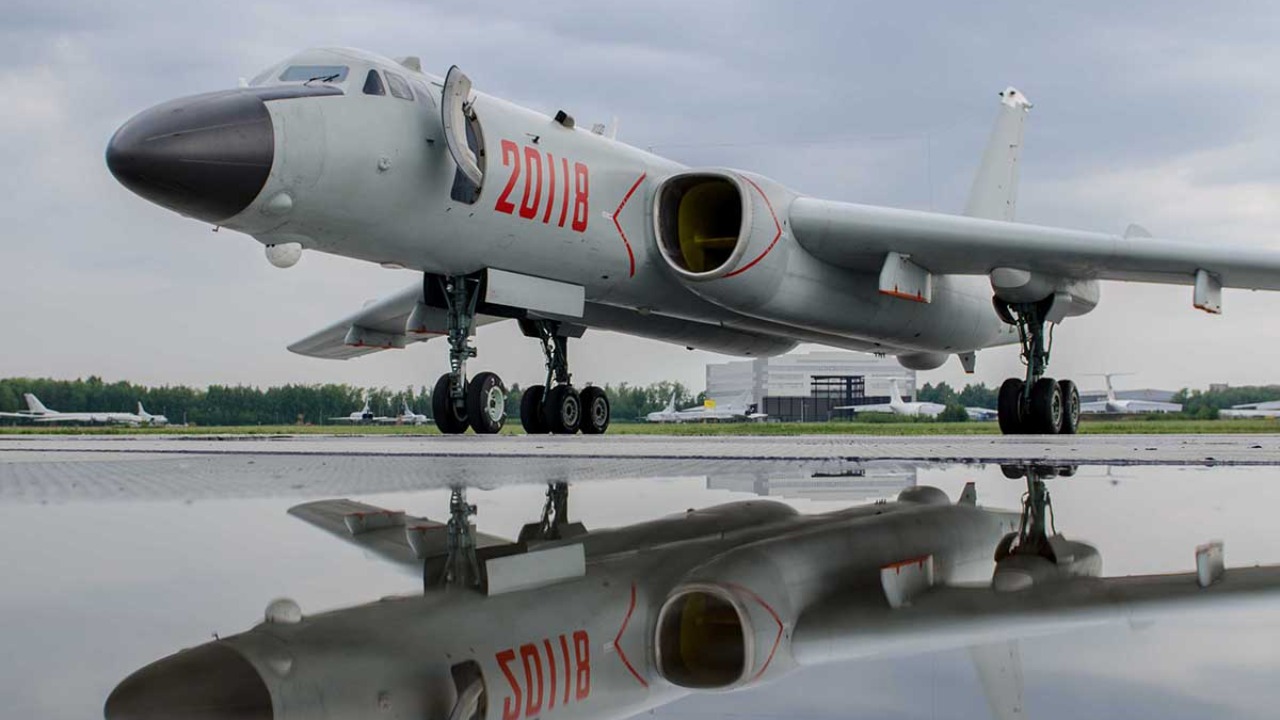
The operational significance of the H-6 cannot be overstated. It serves as a key element in China’s regional deterrence strategy, projecting power across the Asia-Pacific. The bomber’s ability to carry out long-range missions and deliver precise strikes makes it a critical component of China’s military capabilities. This regional power projection is crucial for maintaining a balance of power and ensuring China’s strategic interests are protected.
Training and readiness are essential for maintaining the H-6’s operational effectiveness. Recent military reports highlight the rigorous training programs that pilots undergo to operate the H-6. These programs are designed to ensure that the bomber can be deployed at a moment’s notice, maintaining a high level of readiness. The global implications of the H-6’s capabilities are also significant, with neighboring countries and global powers taking note of its deployments and strategic importance.
Challenges and Future Prospects: Navigating the Horizon
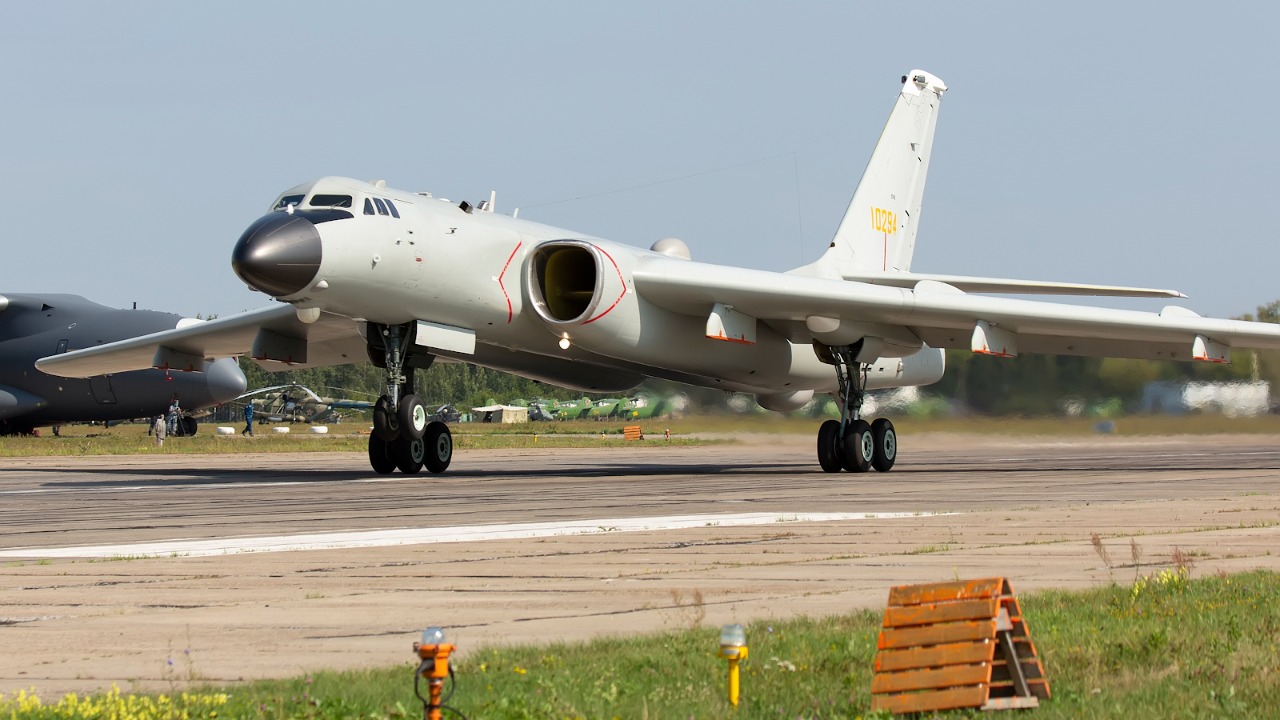
Despite its many strengths, the H-6 bomber faces challenges, particularly concerning its aging fleet. Maintaining and upgrading older aircraft can be resource-intensive, and China is actively working to address these challenges. Efforts are underway to introduce new technologies and make necessary replacements, ensuring that the H-6 remains a viable force in the years to come.
One of the most exciting prospects for the future is the development of the H-20 stealth bomber. Speculation abounds regarding its potential introduction and the implications it may have for the H-6’s operational future. The H-20 promises to bring new capabilities to China’s air force, potentially serving as a complement or even a successor to the H-6. As discussed in various analyses, the H-20 could revolutionize China’s strategic bombing capabilities.
Balancing tradition and innovation is a critical aspect of China’s air force strategy. While the H-6 continues to play a vital role, integrating new technologies and platforms is essential for maintaining a modern and effective military force. This balance ensures that China can address both current and future security challenges effectively.
Cultural and Historical Impact: The Legacy of the H-6
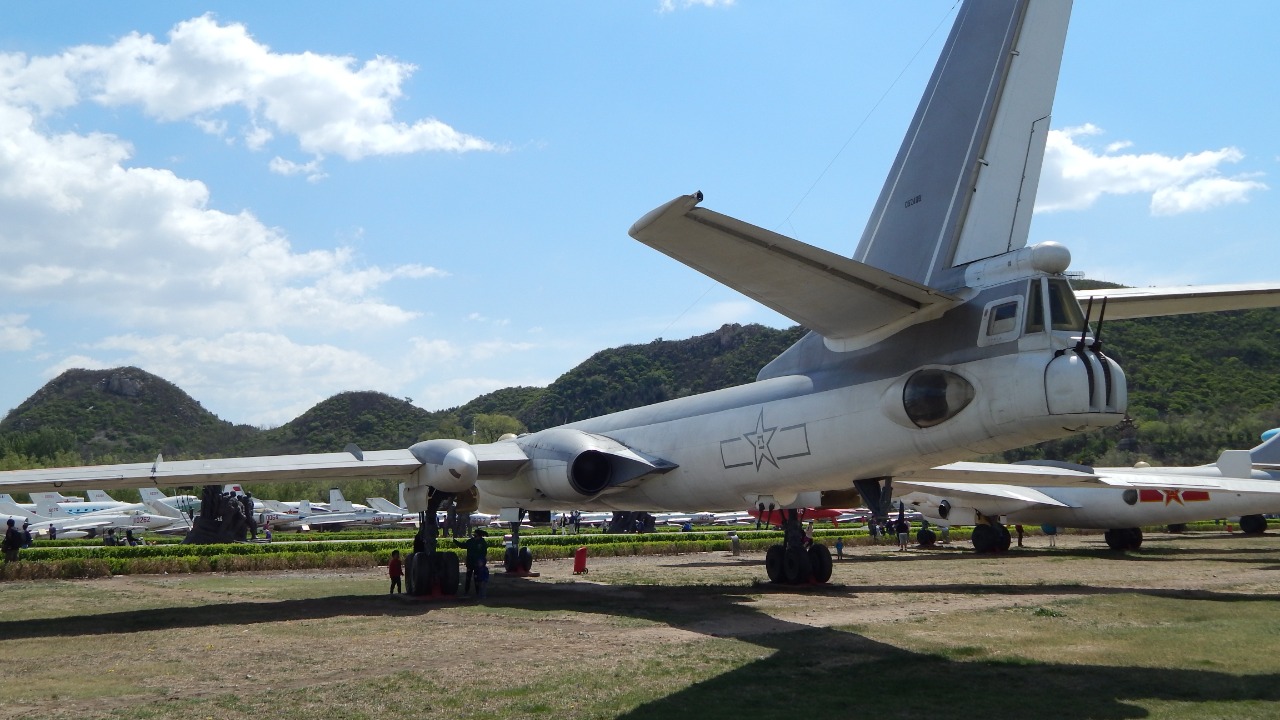
The H-6 bomber is more than just a military asset; it is a symbol of national pride and aviation achievement for China. Over the years, it has come to represent China’s growing technological prowess and its commitment to advancing its military capabilities. The bomber’s role in bolstering national pride is evident in its depiction in Chinese media, where it is often showcased as a testament to the country’s military strength.
The H-6 has also made its mark in history through various milestones that have defined its contribution to China’s defense capabilities. From its early days as a licensed version of the Soviet Tu-16 to its current status as a versatile and formidable bomber, the H-6’s journey reflects China’s commitment to developing a robust and capable air force. Each milestone in its history highlights the dedication and ingenuity of Chinese engineers and military strategists in ensuring that the H-6 remains a relevant and effective component of China’s military arsenal.
In summary, the H-6 bomber can be encapsulated in four defining words: evolution, advancement, significance, and challenge. These words reflect its journey from Soviet origins to a symbol of Chinese military innovation, its technological advancements, strategic importance, and the challenges it faces in an ever-evolving defense landscape.
