
China’s COMAC (Commercial Aircraft Corporation of China) is making significant strides in the global aerospace industry, positioning itself as a formidable competitor to industry giants Boeing and Airbus. With recent advancements and strategic partnerships, COMAC is poised to reshape the dynamics of the aviation market.
China’s Ambitious Aviation Goals
COMAC is at the forefront of China’s vision to become self-reliant in aircraft manufacturing. This ambition is part of a broader national strategy to reduce dependency on foreign technology and bolster its aerospace capabilities. China’s aviation industry has evolved from being a mere follower to a potential leader in the global market, driven by its determination to innovate and compete on a global scale.
The Chinese government plays a critical role in this evolution, providing substantial funding and policy support to boost COMAC’s development. Through aggressive investment and strategic planning, the government aims to create a thriving domestic aerospace industry that can rival the likes of Boeing and Airbus. This support underscores China’s commitment to advancing its national interests through industrial growth and technological prowess.
The emergence of COMAC as a significant player in the aviation industry impacts global competition. As COMAC gains traction, established players like Boeing and Airbus face increasing pressure to innovate and adapt. The shift in market dynamics could lead to changes in global market shares, with COMAC poised to capture a significant portion of the commercial aviation market.
The C919: A Game-Changer in Commercial Aviation
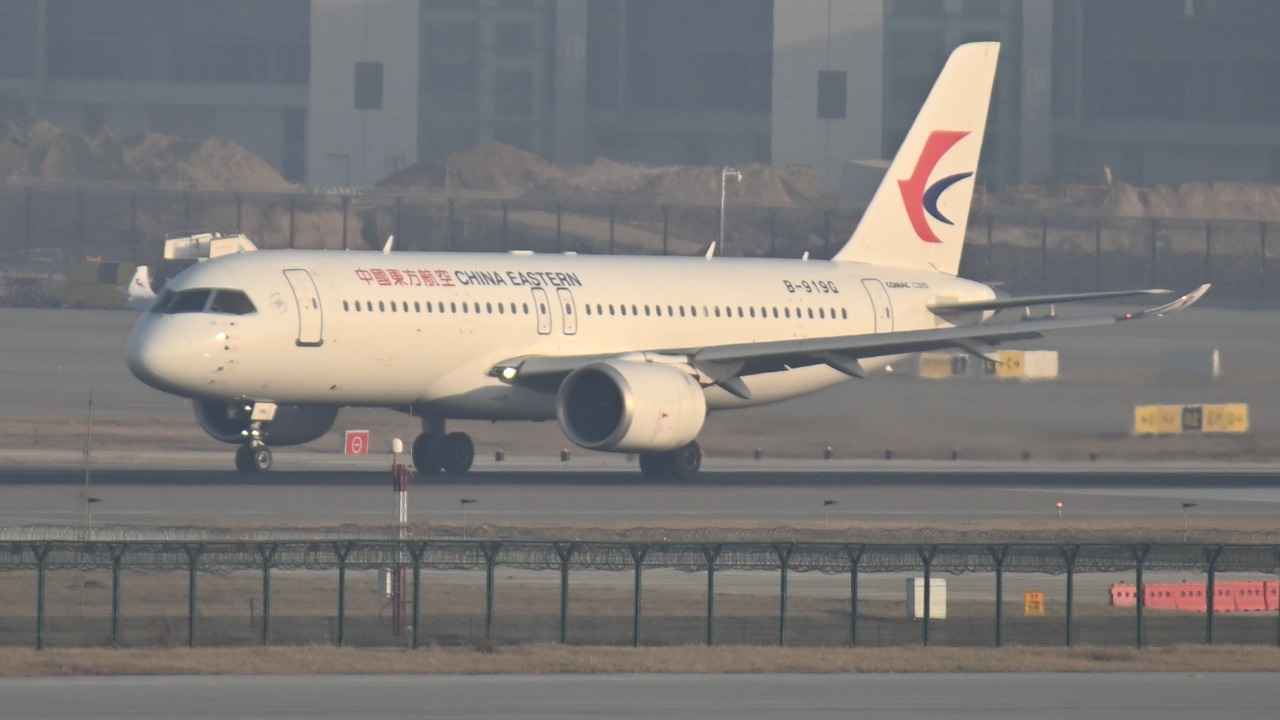
The C919 aircraft is central to COMAC’s aspirations, designed to compete with the best in the industry. With advanced technical specifications, including modern avionics and fuel-efficient engines, the C919 is engineered to meet the demands of contemporary air travel. Its capabilities position it as a viable alternative to popular models like the Boeing 737 and Airbus A320.
Achieving international certification was a pivotal milestone for the C919, showcasing COMAC’s commitment to adhering to global safety and quality standards. The rigorous certification process involved comprehensive testing and evaluation, ensuring the aircraft meets the stringent requirements of international aviation authorities. This achievement enhances the C919’s credibility and appeal in the global market.
The market reception to the C919 has been largely positive, with airlines and leasing companies expressing significant interest. The aircraft has garnered numerous orders from domestic and international carriers, signaling a strong market demand. This interest underscores the potential of the C919 to disrupt the established duopoly of Boeing and Airbus in the commercial aviation sector.
Strategic Partnerships and Collaborations
COMAC’s growth is bolstered by strategic international collaborations that enhance its technological capabilities and expertise. Partnerships with foreign aerospace companies have allowed COMAC to integrate advanced technologies and best practices into its operations, strengthening its competitive edge.
These collaborations have also improved COMAC’s supply chain management and production efficiency. By leveraging global expertise, COMAC has optimized its manufacturing processes, reducing costs and enhancing productivity. However, challenges remain, including criticisms regarding quality and technological parity with Western competitors. COMAC is addressing these issues through continuous improvement and innovation.
Despite these challenges, COMAC is committed to overcoming obstacles in its collaborative efforts. By fostering strong partnerships and investing in research and development, COMAC is positioning itself to emerge as a leader in the aerospace industry.
COMAC’s Regional Jets and Market Expansion

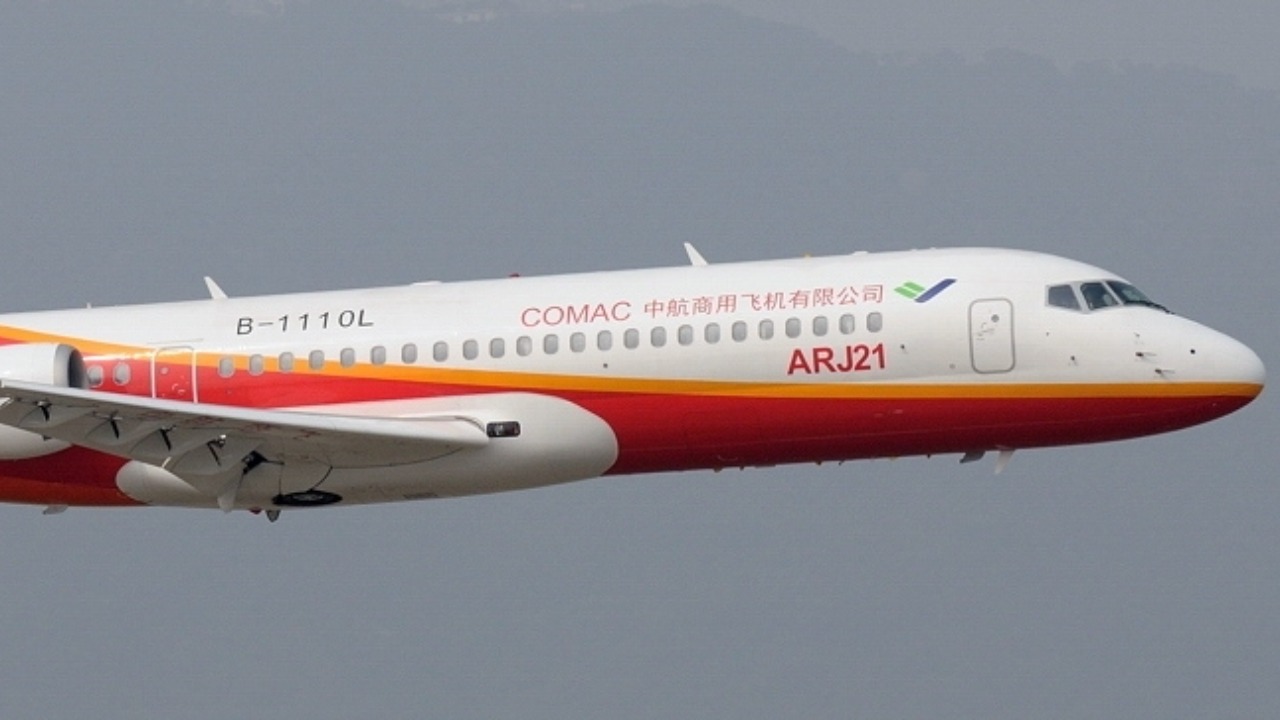
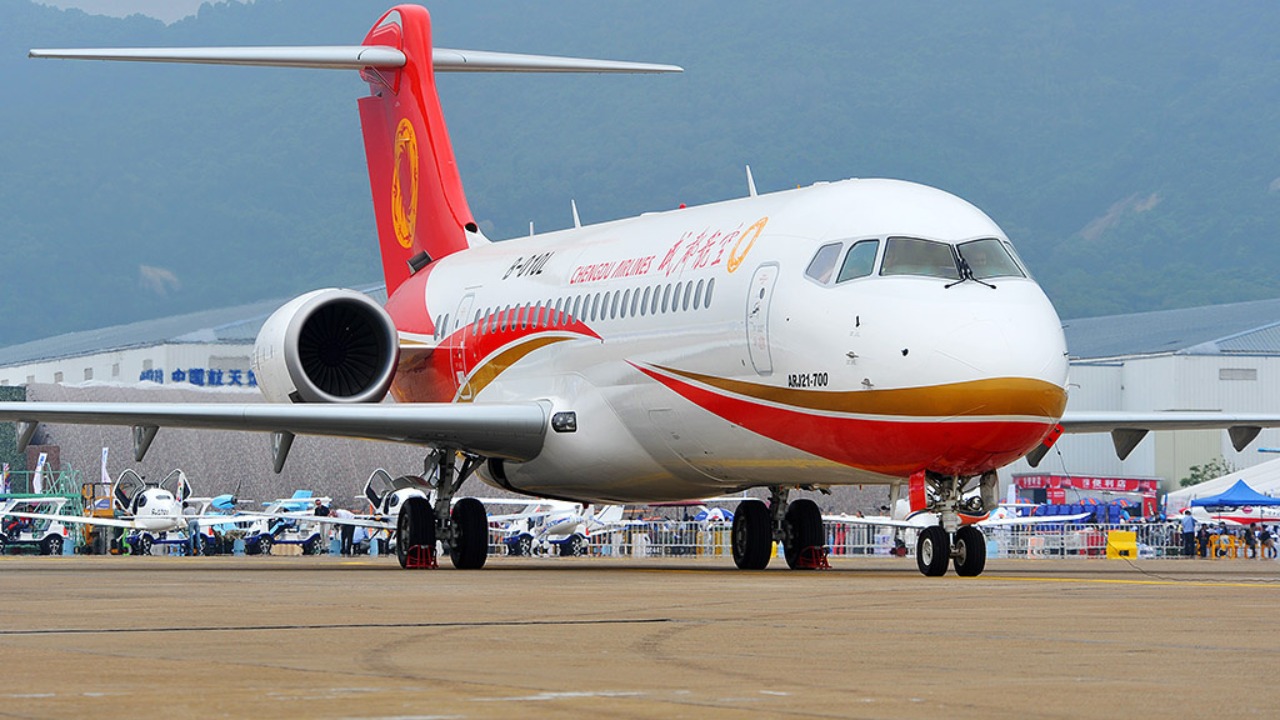
The ARJ21 regional jet plays a crucial role in COMAC’s strategy to expand its presence in the aviation market. As a stepping stone for the company, the ARJ21 has captured attention as a reliable option for regional air travel, particularly in Asia. Its success lays the groundwork for COMAC’s aspirations in broader market segments.
COMAC is actively pursuing opportunities in emerging markets across Asia, Africa, and Latin America. These regions offer significant growth potential, and COMAC is strategically positioned to penetrate these markets with its cost-effective and efficient aircraft. The company’s efforts to expand its market footprint are supported by its commitment to delivering quality products that meet the needs of diverse customers.
In the regional aircraft sector, COMAC faces competition from established players like Embraer and Bombardier. However, the ARJ21’s competitive pricing and adaptability to regional needs provide it with a distinct advantage. By offering a compelling alternative to existing models, COMAC is poised to capture a share of the regional aviation market.
The Future of COMAC in the Global Aerospace Industry
Looking ahead, COMAC is focused on innovation and technological advancements to maintain its competitive position. Future projects include the development of next-generation aircraft that incorporate cutting-edge technologies and sustainable practices. These advancements will enable COMAC to meet evolving industry demands and environmental standards.
The growth of COMAC poses a significant challenge to Boeing and Airbus, necessitating strategic adjustments by these industry giants. As COMAC continues to expand its market presence, Boeing and Airbus may need to innovate and adapt their strategies to retain their market dominance.
COMAC is also committed to sustainability, aligning its efforts with global trends to reduce the aviation industry’s carbon footprint. By prioritizing environmental considerations in its manufacturing processes and product designs, COMAC is contributing to a more sustainable future for the aerospace industry.
