
In a groundbreaking technological advancement, China has introduced a humanoid robot that mimics human behaviors like blinking and reacting with striking realism, as reported on September 30, 2025. This lifelike creation, unveiled to the world, displays human-like expressions and emotions, marking a significant leap in robotics (Daily Galaxy). The robot’s ability to exhibit such realistic human-like interactions has captured global attention, highlighting China’s growing prowess in the field of artificial intelligence and robotics (SSB Crack).
Technological Breakthroughs in Robotics
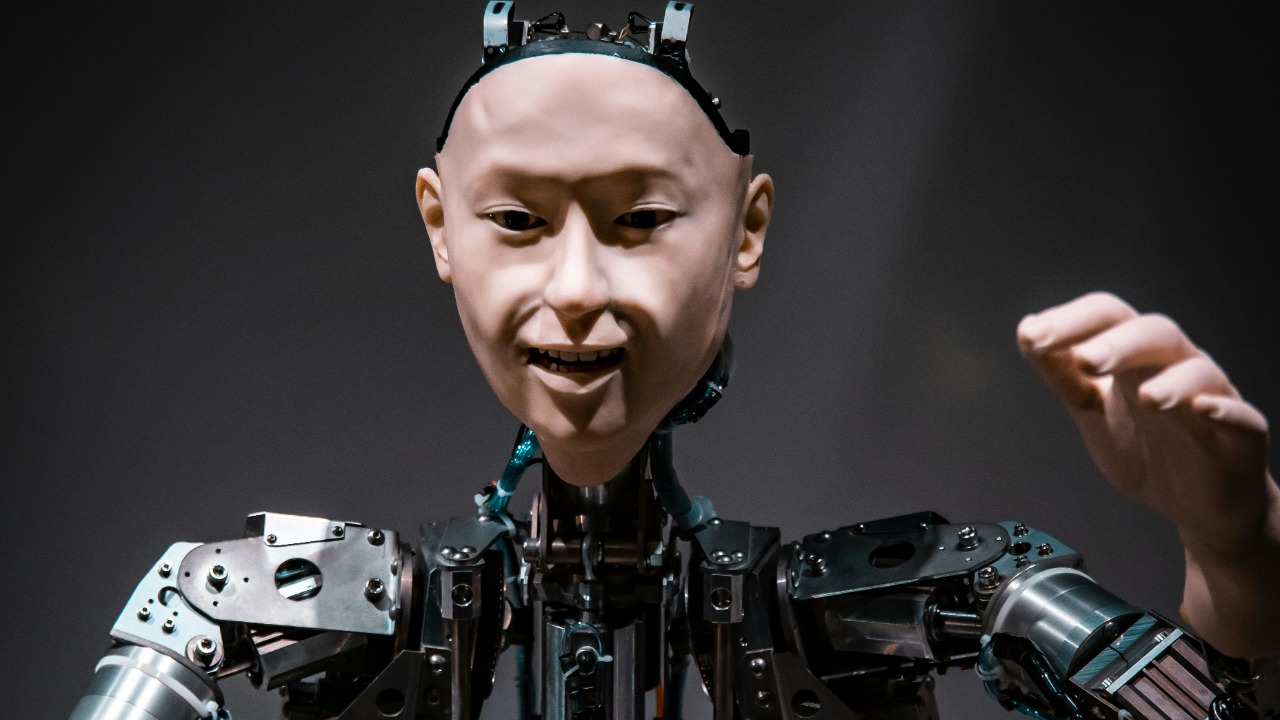
The development of this humanoid robot represents a significant achievement by Chinese engineers and scientists. The intricate process involved in creating a machine capable of mimicking human expressions and emotions required advanced engineering and innovative design strategies. According to Daily Galaxy, the robot’s design incorporates cutting-edge technology that allows it to blink and express emotions in a manner remarkably similar to humans.
Key features of the robot include sophisticated facial recognition systems and advanced algorithms that enable it to process and respond to human emotions. These capabilities are a testament to the strides made in artificial intelligence, as noted by SSB Crack. The impact of this technology on the global robotics industry is profound, with potential applications ranging from customer service to healthcare, where human-like interaction is crucial.
Revolutionary Human-Like Interactions
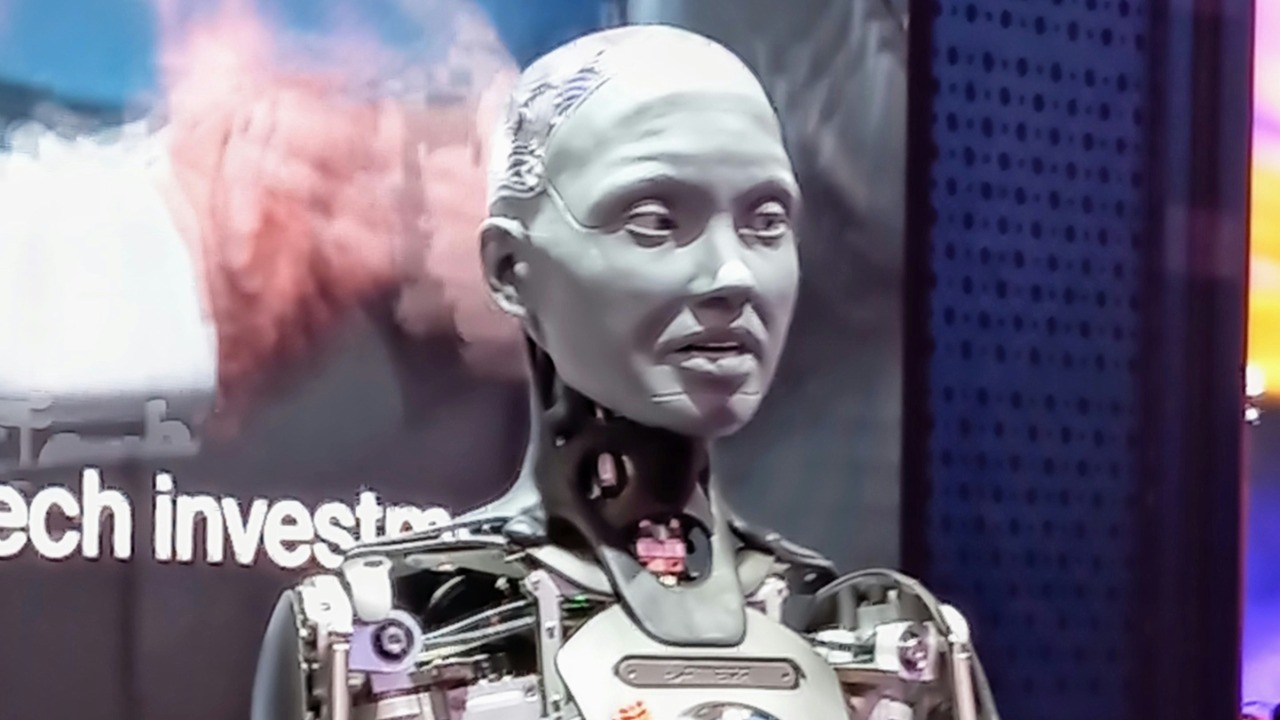
The robot’s ability to exhibit human-like expressions and emotions sets a new standard in artificial intelligence advancements. As reported by SSB Crack, this development is not just about mimicking human behavior but also about creating machines that can engage in meaningful interactions with people. The technology behind these interactive capabilities involves complex neural networks and machine learning algorithms that allow the robot to adapt and respond to various stimuli.
These advancements have significant societal implications as robots become more integrated into everyday life. The potential for these robots to assist in areas such as education, therapy, and elder care is immense, offering new ways to enhance human well-being and productivity. The integration of such robots into daily life could revolutionize how we interact with technology, as highlighted by Daily Galaxy.
Global Reactions and Implications
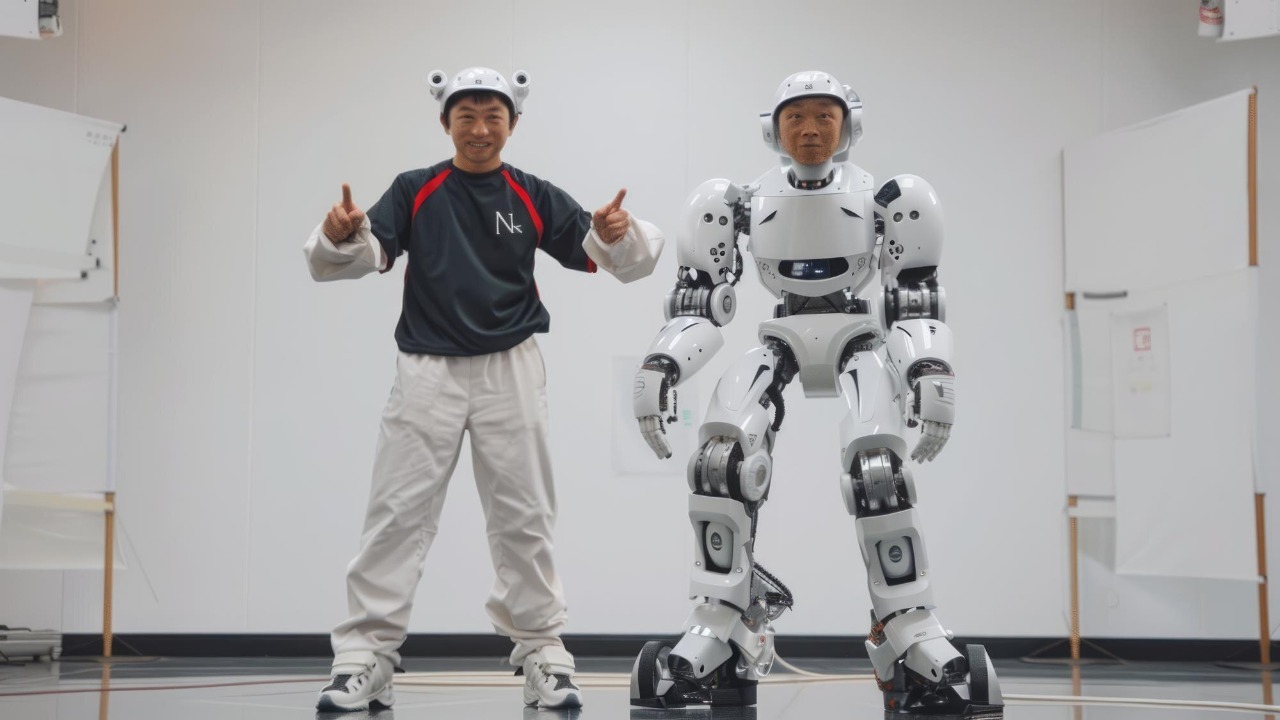
The international response to China’s unveiling of the humanoid robot has been one of awe and intrigue. Experts and industry leaders have expressed admiration for the technological advancements demonstrated by this creation. According to Daily Galaxy, the geopolitical implications of China’s advancements in robotics technology are significant, positioning the country as a leader on the global stage.
However, the development of robots with human-like capabilities also raises ethical debates. Concerns about privacy, autonomy, and the potential for misuse of such technology are prevalent. As these robots become more sophisticated, the need for comprehensive ethical guidelines and regulations becomes increasingly important, as discussed by SSB Crack.
In addition to the technological marvel, the unveiling of this humanoid robot has sparked discussions about international competitiveness in AI and robotics. Countries around the world are now evaluating their own technological capabilities and considering increased investments in similar technologies to keep pace with China’s advancements. This development could lead to a new era of technological collaboration and competition, as nations strive to harness the potential of AI-driven innovations for economic and strategic advantages, as highlighted by Daily Galaxy.
Furthermore, the introduction of such advanced robots raises questions about the future of the workforce and the potential displacement of jobs. While these robots offer the promise of enhanced productivity and efficiency, they also pose challenges in terms of employment and the need for new skill sets. Policymakers and industry leaders must address these challenges by fostering education and training programs that prepare the workforce for a future where humans and robots coexist and collaborate, as discussed by SSB Crack.
Future Prospects and Innovations
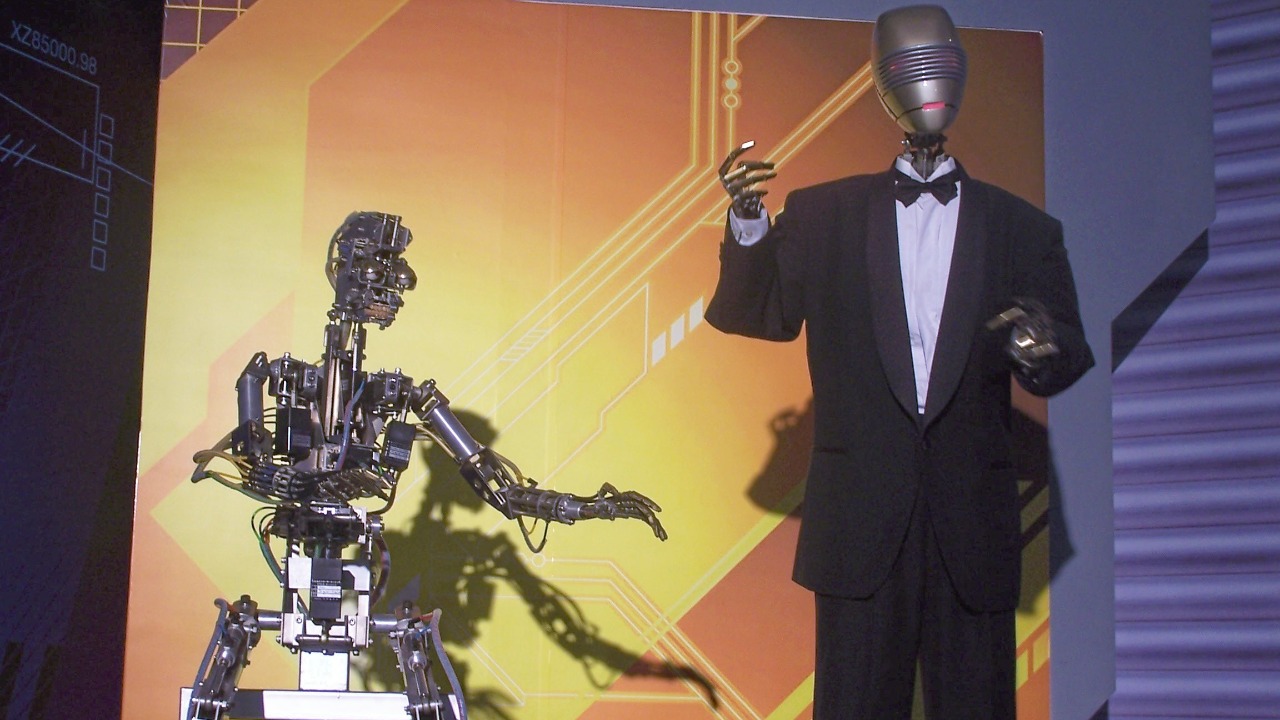
Looking ahead, the potential for future developments in humanoid robotics is vast. Based on current technological trends, further advancements in AI could enhance the functionality and realism of human-like robots. As noted by SSB Crack, ongoing research is likely to yield breakthroughs that will expand the capabilities of these machines, making them even more integral to various sectors.
The integration of these robots into sectors such as healthcare, education, and customer service could bring numerous benefits, including improved efficiency and personalized interactions. As the technology continues to evolve, the possibilities for its application are virtually limitless, promising a future where human-like robots play a pivotal role in enhancing our daily lives, as highlighted by Daily Galaxy.
As the field of robotics continues to evolve, the integration of advanced AI systems into humanoid robots is expected to lead to even more sophisticated interactions. Researchers are exploring the potential for these robots to learn from their environments and adapt their behaviors in real-time, which could significantly enhance their utility in dynamic settings. This adaptability could make them invaluable in scenarios that require quick decision-making and personalized responses, such as emergency services and disaster relief, as noted by SSB Crack.
Moreover, the future of humanoid robots may also involve greater collaboration with humans, where robots assist in tasks that are either too dangerous or monotonous for people. This collaboration could lead to safer work environments and allow humans to focus on more creative and strategic roles. As these robots become more prevalent, they could also play a crucial role in bridging communication gaps, offering translation services, and providing companionship, thereby enhancing social interactions and cultural exchange, as highlighted by Daily Galaxy.
