
China is making significant strides in healthcare innovation with the launch of a smart hospital powered by artificial intelligence (AI). This new model aims to enhance patient care through cutting-edge technology, redefining clinical workflows and improving overall efficiency.
Revolutionizing Healthcare Infrastructure
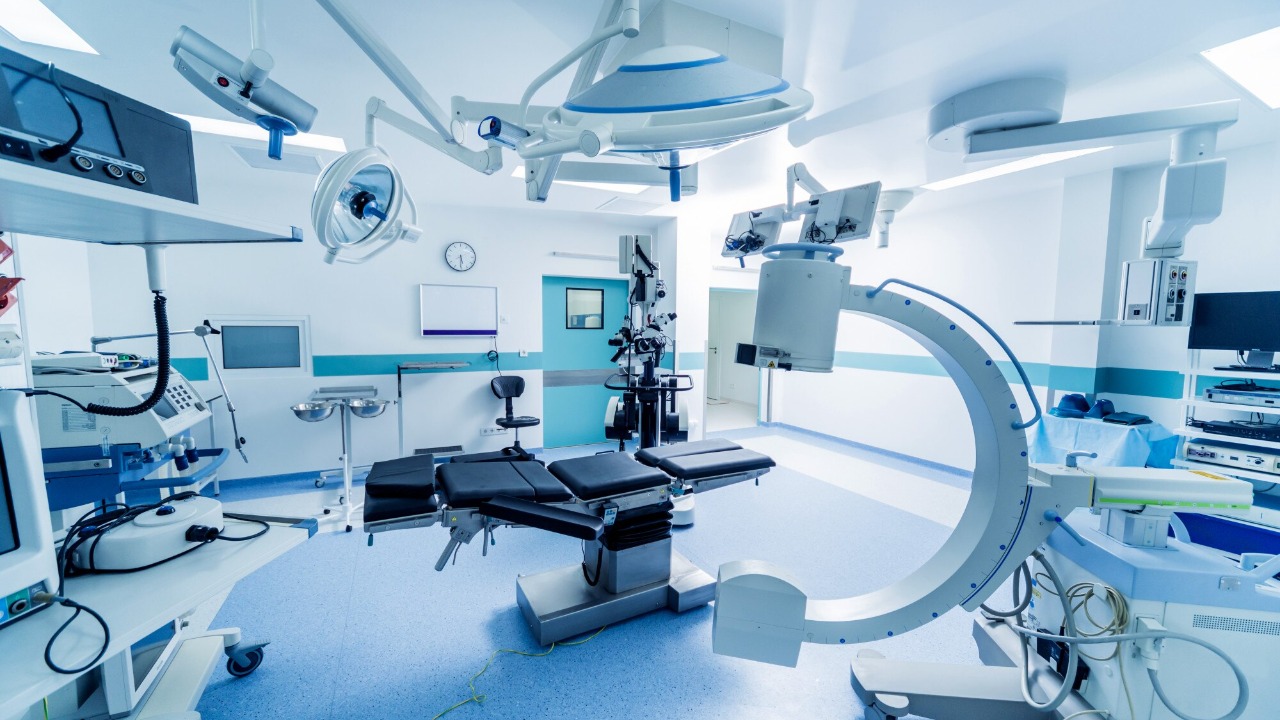
The integration of AI and the Internet of Things (IoT) in hospital systems marks a revolutionary step in healthcare infrastructure. By embedding AI algorithms and IoT devices into the hospital environment, China is streamlining operations and enhancing patient care. These technologies facilitate real-time data collection and analysis, offering a comprehensive view of patient health and hospital efficiency. The constant flow of information allows healthcare providers to make informed decisions rapidly, which can significantly improve patient outcomes.
Advanced diagnostic capabilities are another crucial area where AI demonstrates its transformative potential. AI-driven tools are now capable of early disease detection and accurate diagnosis, significantly reducing the time required for identifying medical conditions. For instance, AI algorithms are being used to analyze medical images with remarkable precision, often surpassing human capabilities. These technologies are already in use in several hospitals across China, demonstrating the potential of AI to revolutionize diagnostics and patient care.
Enhancing Patient Experience

One of the most significant advantages of implementing AI in healthcare is the ability to provide personalized patient care. AI algorithms analyze vast amounts of data to tailor treatment plans to individual patient needs. This personalized approach extends to virtual health assistants, which offer patients a more interactive and responsive experience. By using AI, these virtual assistants can provide timely reminders, answer questions, and offer health advice, all of which contribute to improved patient satisfaction and engagement.
Reducing wait times and increasing accessibility to healthcare services is another area where AI is making a notable impact. AI systems optimize scheduling and resource allocation, ensuring that patients receive timely care. This optimization extends to emergency response and critical care, where AI can drastically improve efficiency. By analyzing data trends, AI helps predict patient flow and allocate resources accordingly, leading to faster response times and better patient outcomes in critical situations.
Redefining Clinical Workflows

AI’s ability to automate routine medical processes is redefining clinical workflows. Administrative and clinical tasks that once consumed a significant amount of time can now be streamlined through AI technologies. For instance, voice and generative AI are being employed as tools for healthcare professionals, enabling faster and more accurate documentation and communication. This advancement not only saves time but also reduces the likelihood of human error, enhancing the overall quality of care provided to patients.
Training and adaptation for healthcare staff are essential for the successful integration of AI technologies. Continuous learning programs are being developed to help staff effectively incorporate AI into their daily routines. Overcoming challenges and resistance to adopting AI is crucial, as the technology requires a shift in traditional practices. By providing adequate training and support, healthcare institutions can ensure a smooth transition into this new era of AI-enhanced care.
Global Implications and Future Prospects

China’s smart hospital model is setting a precedent in global healthcare innovation. Other countries are beginning to take notice, with many looking to adopt similar technologies to improve their healthcare systems. Collaborations and partnerships are forming worldwide as nations seek to leverage AI in healthcare advancements. This global exchange of knowledge and technology is paving the way for a more connected and efficient healthcare system.
Looking ahead, the future of AI in healthcare holds immense potential. By 2025 and beyond, AI could play an even more significant role in medical advancements. As AI technologies continue to evolve, their applications will become increasingly sophisticated, leading to breakthroughs in areas such as drug discovery and personalized medicine. However, with these advancements come ethical considerations and regulatory challenges. Ensuring patient privacy and data security will be paramount as AI becomes more integrated into healthcare systems.
As AI reshapes the landscape of healthcare, it is essential to recognize the profound implications of these technologies. The smart hospital initiative in China is a testament to the potential of AI to transform patient care, offering a glimpse into the future of medicine. With continued innovation and collaboration, the possibilities for AI in healthcare are virtually limitless, promising a new era of efficiency, accuracy, and personalized care for patients worldwide.
