China is pushing the boundaries in military technology, executing tests on a groundbreaking artificial intelligence (AI)-powered radar. This state-of-the-art radar system has shown extraordinary precision in live military aircraft trials, scoring a remarkable 99 percent success rate.
Overview of the Breakthrough AI-Powered Radar

The AI-powered radar is no ordinary radar system. Its cutting-edge technology leverages artificial intelligence to enhance detection and tracking capabilities. The radar system uses machine learning algorithms to interpret data, helping it achieve an astounding 99 percent accuracy rate during live military aircraft trials. This is a significant jump from the performance of conventional radar systems.
Unlike traditional radar systems that rely on manual operation and interpretation, the AI-powered radar automates these processes, reducing the chance of human error. This automation not only improves accuracy but also speeds up response times, making it a potentially game-changing asset in modern warfare. You can read more about the AI-powered radar in this source.
Implications of the AI-Powered Radar in Military Operations
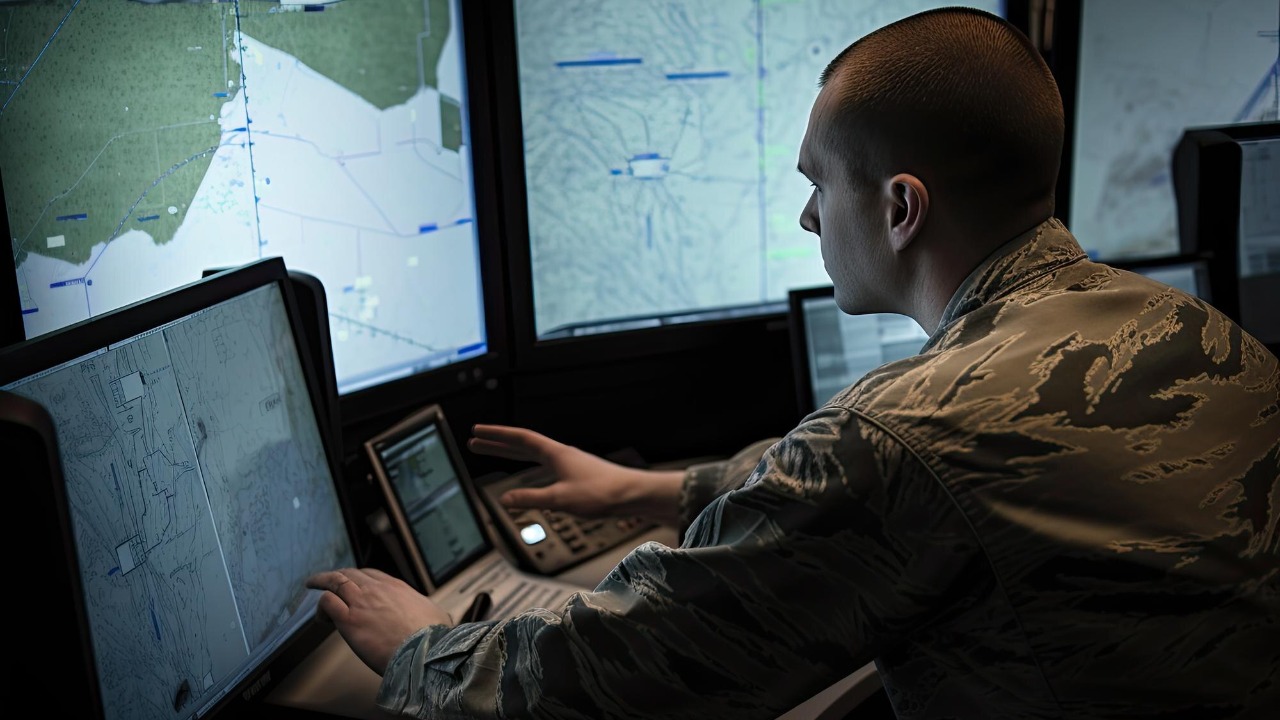
The introduction of this technology could dramatically alter the landscape of future warfare and military strategies. With a near-flawless accuracy, the AI-powered radar could revolutionize air defense systems, providing a level of precision and reliability previously unattainable.
Moreover, the role of AI in this radar system extends beyond detection and tracking. AI also enhances the system’s ability to identify targets, distinguishing between friendly and hostile aircraft with exceptional precision. This could significantly minimize the risk of friendly fire incidents and improve the effectiveness of air defense operations. For a more detailed analysis, check out this book.
The Testing Process and Results
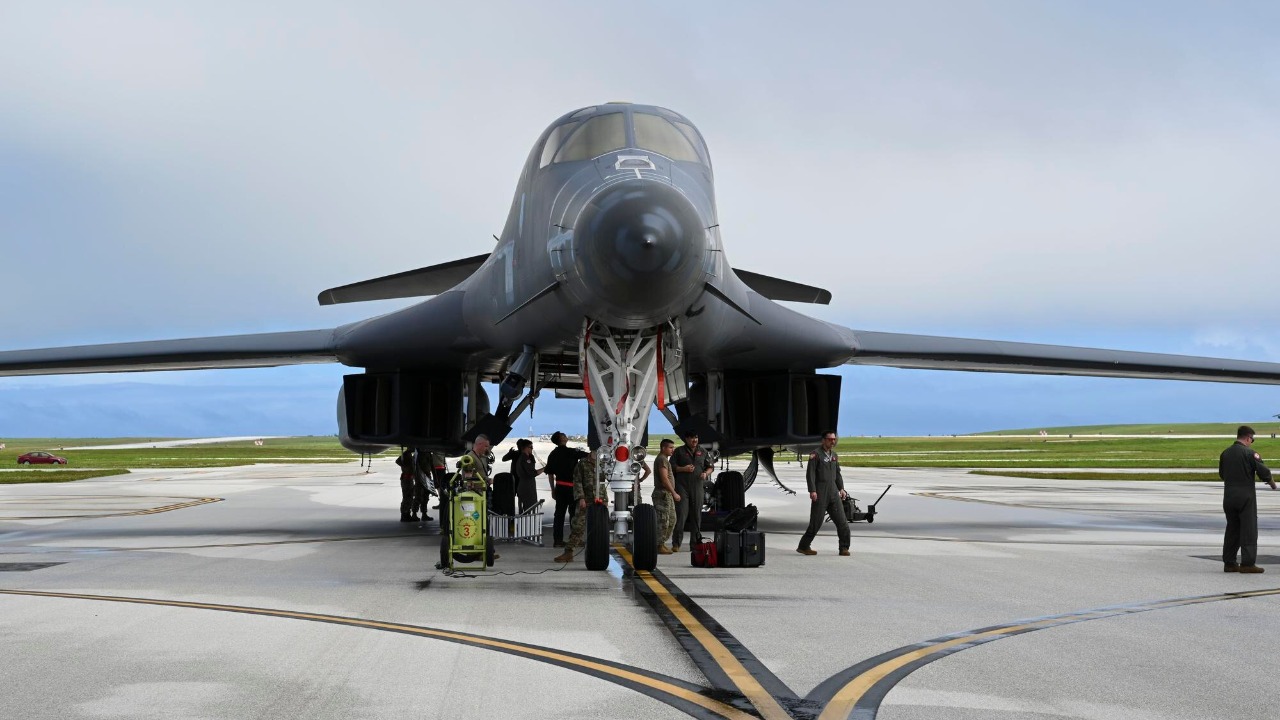
The AI-powered radar was put through intense testing during live military aircraft trials. These trials were designed to push the radar to its limits, testing its capabilities under various conditions and scenarios. The radar system was tasked with detecting, tracking, and identifying multiple aircraft simultaneously, a task it performed with a 99 percent success rate.
The testing results outperformed traditional radar systems by a significant margin. These results underscore the potential of AI in enhancing the performance of radar systems and, by extension, the effectiveness of modern air defense operations. For more insights into the testing process, refer to this source.
How China is Advancing in Military Modernization

China’s efforts in military modernization extend beyond the development of an AI-powered radar. The country has been investing heavily in a broad range of technologies aimed at enhancing the capabilities of its armed forces. These include advancements in drone technology, cyber warfare, and stealth technology, among others.
The AI-powered radar fits perfectly into China’s broader plan for technological advancement in military operations. It represents a significant step forward in the country’s drive to become a global leader in military technology, putting it on par with other global powers. More on China’s military modernization efforts can be found here.
Impacts and Implications on Global Military Dynamics
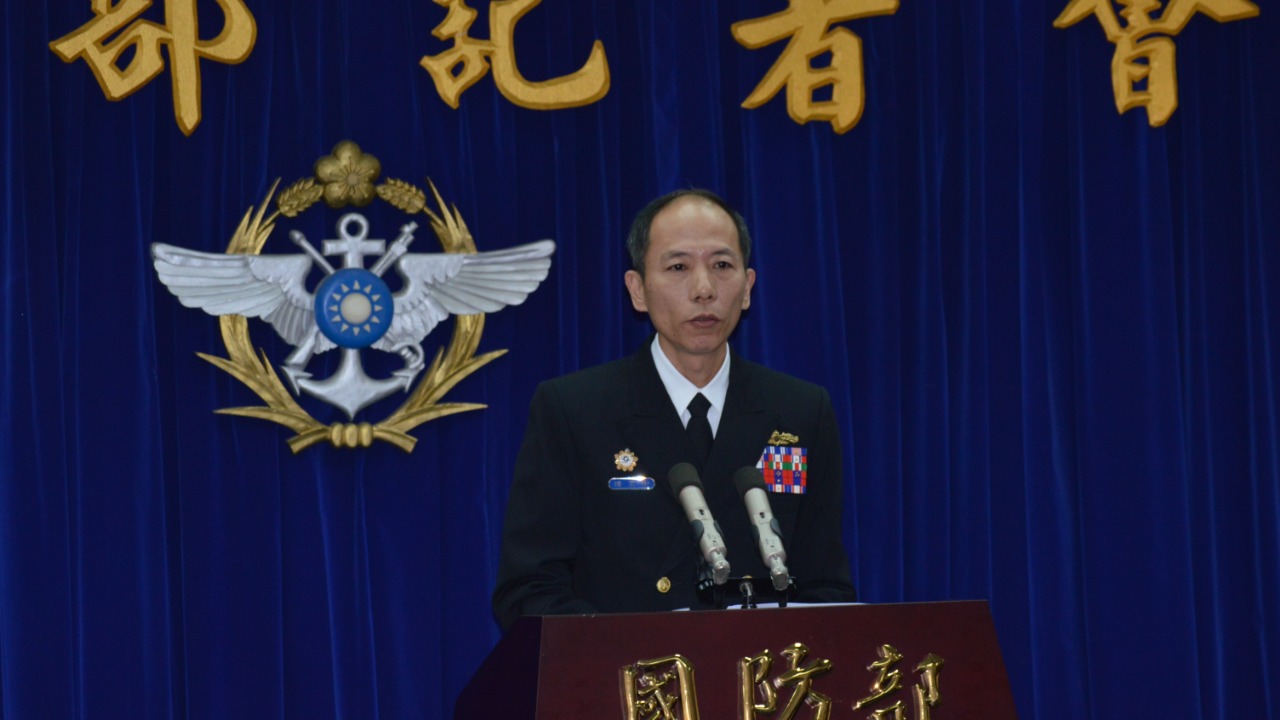
The breakthrough in AI-powered radar technology could have far-reaching implications for global military dynamics. China’s advancements might tilt the balance of global military power, potentially altering international relations and defense strategies of other countries.
Furthermore, the role of AI technology in shaping the future of global military dynamics cannot be overstated. As AI continues to evolve and its applications in military operations expand, countries that successfully harness its potential could gain a significant advantage in future conflicts. For a comprehensive analysis on this topic, visit this source.
