
In a groundbreaking event, China recently hosted the world’s first AI-powered humanoid robot football match, a spectacle that left audiences both amazed and bewildered. Dubbed “Artificial Kick-telligence”, the event featured teams of robots competing in a 3-on-3 soccer game, showcasing cutting-edge technology and sparking a chaotic but thrilling display of robotic athleticism.
The Birth of AI-Powered Sports

The concept of AI-powered sports has been developing rapidly over the past few years, fueled by advancements in artificial intelligence and robotics. The idea is to create a new form of entertainment that combines the strategic and physical elements of traditional sports with the capabilities of modern technology. Developers have been working tirelessly to perfect the algorithms that allow robots to mimic human movements and make real-time decisions on the field.
These technological advancements have paved the way for events like the humanoid robot football match. The primary goal of integrating AI into sports is not only to entertain but also to push the boundaries of what robots can achieve. With each new development, expectations grow for what these machines can contribute to sports, both as participants and as tools to enhance human athletic performance.
The Match: A Closer Look
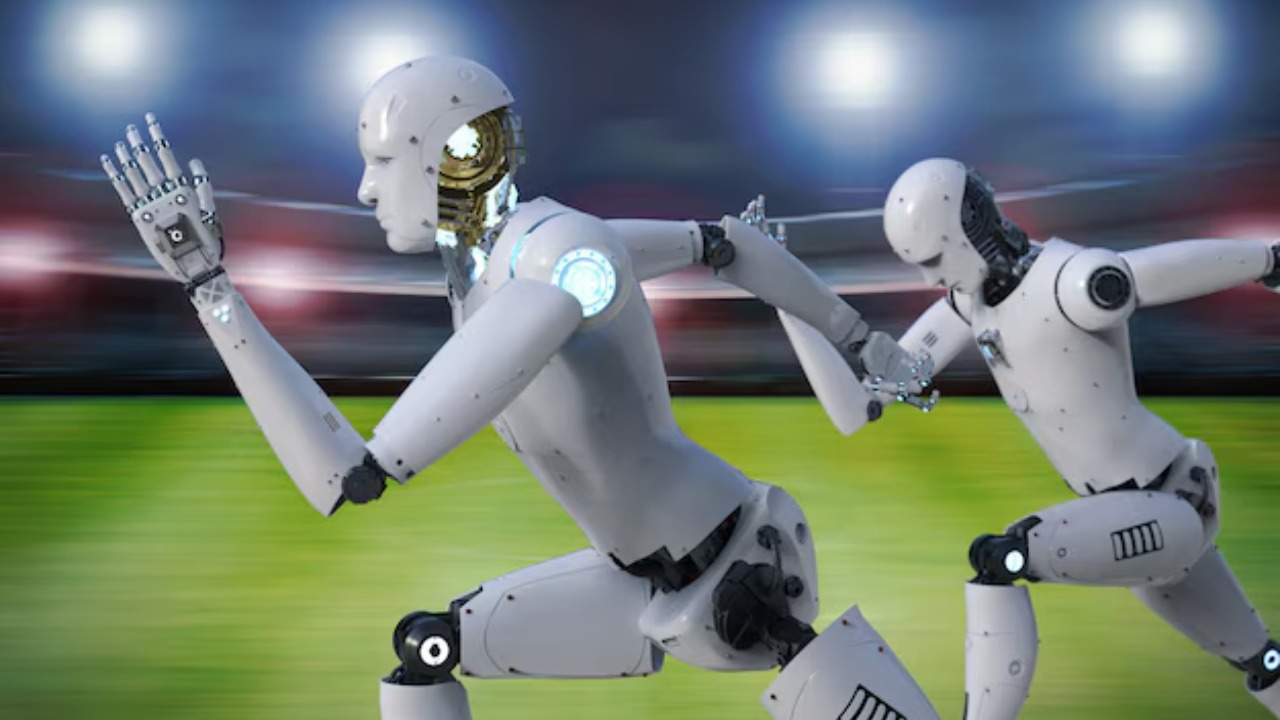
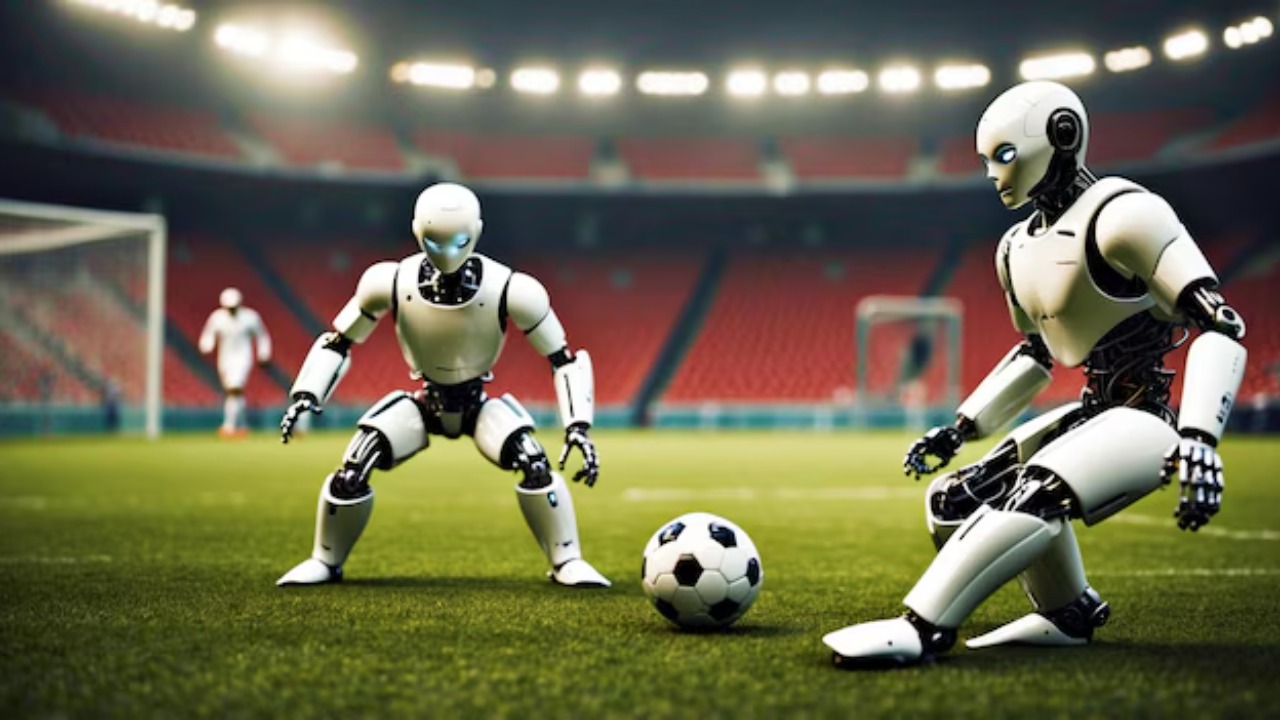
The 3-on-3 humanoid robot football match was a sight to behold. The rules were similar to standard soccer, but with a few modifications to accommodate the unique abilities of the robots. Each team consisted of three robotic players, all equipped with state-of-the-art sensors and processors that allowed them to navigate the field and interact with the ball autonomously.
Key moments in the game included impressive displays of coordination and some unexpected failures. One robot managed to score a goal from an impressive distance, showcasing the precision and power of the technology. However, not everything went smoothly; several robots experienced glitches, leading to some entertaining mishaps that kept the audience on the edge of their seats.
Technical Challenges and Innovations
The event highlighted both the capabilities and limitations of current AI and robotics technology. The humanoid players were powered by complex algorithms that allowed them to process vast amounts of data and make split-second decisions. However, the match also exposed some technical challenges, such as the difficulty in maintaining stability on the field and handling unexpected obstacles.
Despite these challenges, the event spurred several innovations in robotics engineering. The real-time problem-solving required during the match led to improvements in robot agility and decision-making processes. These innovations are likely to have applications beyond the sports arena, potentially benefiting industries such as logistics, healthcare, and disaster response.
Public Reaction and Media Frenzy

The historic event captured the attention of both the public and the media. Audiences were fascinated by the spectacle, with reactions ranging from awe to skepticism. Some experts praised the event as a significant milestone in robotics, while others questioned the practicality and sustainability of AI sports.
The media played a crucial role in shaping the narrative around the match. Coverage of the event was extensive, with articles and videos circulating on social media platforms, generating a buzz that amplified public interest. The response on social media was particularly noteworthy, with users sharing their excitement and concerns about the future of AI in sports.
Implications for the Future of Sports
The successful execution of the AI-powered humanoid robot football match has opened the door to a new era in sports. The potential for AI and robotics to transform traditional sports is immense, offering opportunities for enhanced training, performance analysis, and even new forms of competition. However, these advancements also raise ethical and competitive considerations, such as the fairness of AI-enhanced athletes competing against humans. Looking ahead, the vision for future AI sporting events is both exciting and daunting. As technology continues to evolve, the integration of AI in sports could have profound societal impacts, from redefining athletic achievement to influencing how we engage with sports as spectators and participants. Whether AI-powered sports will become a staple of our entertainment landscape remains to be seen, but the possibilities are certainly intriguing.
