In an innovative approach to tackle environmental challenges, China has unveiled a gigantic inflatable dome that covers an entire construction site. This remarkable structure aims to mitigate dust, noise, and pollution, showcasing China’s commitment to environmentally friendly urban development.
The Concept of Inflatable Domes in Construction
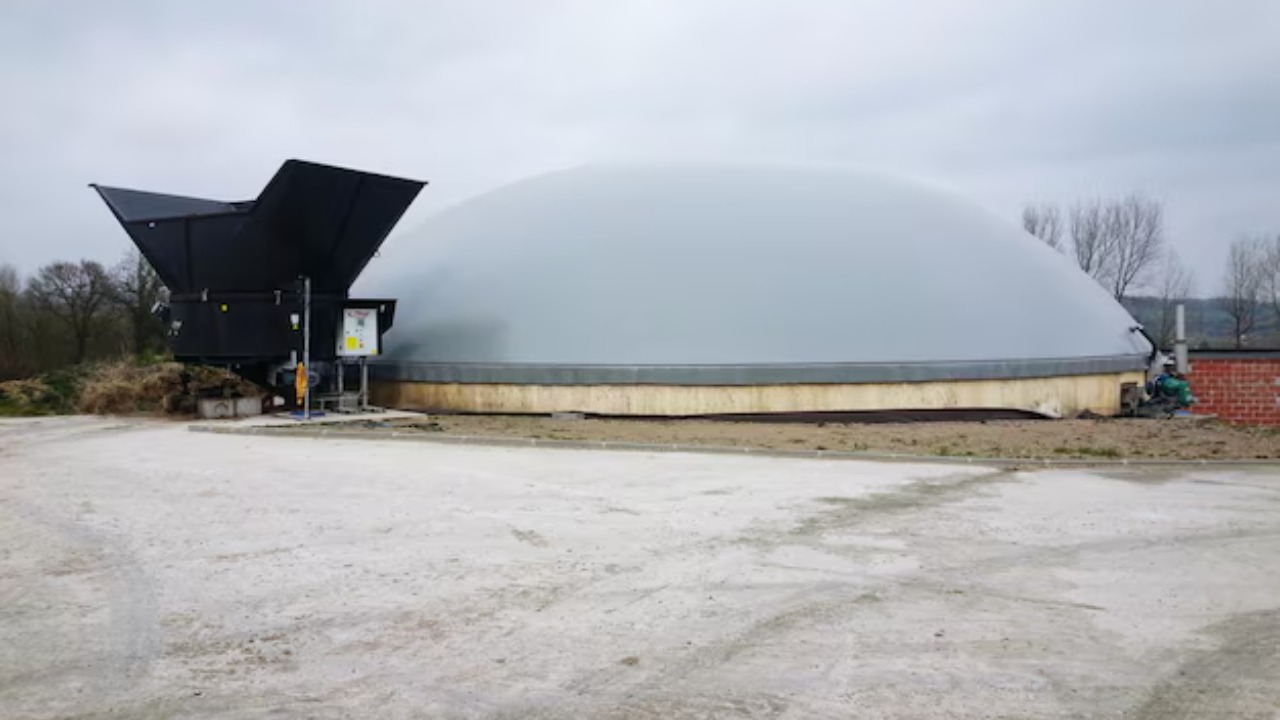
Inflatable structures have a fascinating history, evolving from basic shelters to modern-day marvels used in diverse industries. Initially developed for temporary shelters and sports arenas, these structures have found applications in military operations, disaster relief, and now, construction site containment. Their evolution reflects a growing appreciation for their versatility and efficiency, as well as advancements in materials and design.
One of the primary benefits of using inflatable domes over traditional containment methods is their cost efficiency. Unlike permanent structures, they are quick to install and can be easily relocated or resized to suit different environments. Additionally, inflatable domes offer flexibility, adapting to various terrains and weather conditions. Previous implementations, like those used in agricultural greenhouses or as temporary event spaces, have provided valuable insights into their potential for construction sites.
Addressing Environmental Concerns
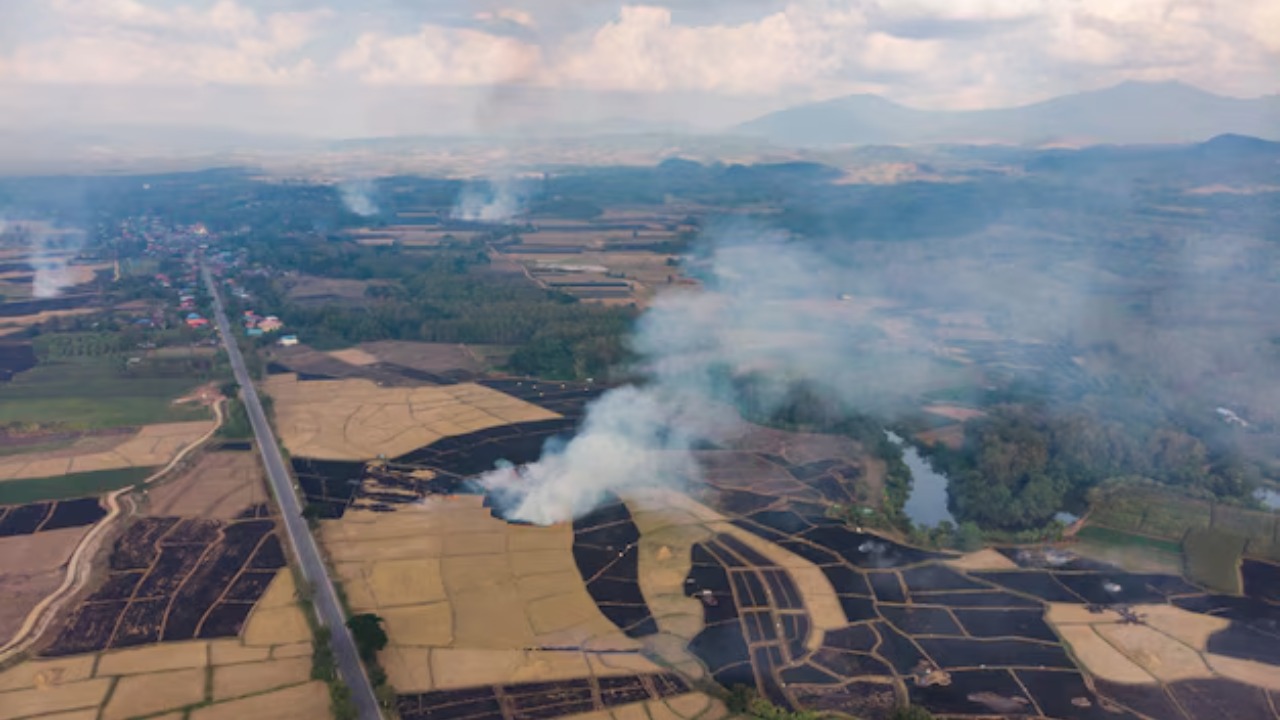
Construction activities in urban areas can significantly impact the environment and public health. Dust and noise pollution from construction sites lead to respiratory problems and stress among local populations. The introduction of inflatable domes in construction seeks to address these issues by providing a physical barrier that contains dust and dampens noise, thus reducing the adverse effects on nearby communities.
The dome’s design incorporates advanced pollution control measures. It uses specialized materials and technologies to trap dust particles and minimize noise levels. Moreover, the initiative aligns with governmental efforts to promote sustainable construction practices. Regulatory support and incentives encourage the adoption of such innovative solutions, highlighting a commitment to reducing the environmental footprint of urban development.
Technological Innovations and Design
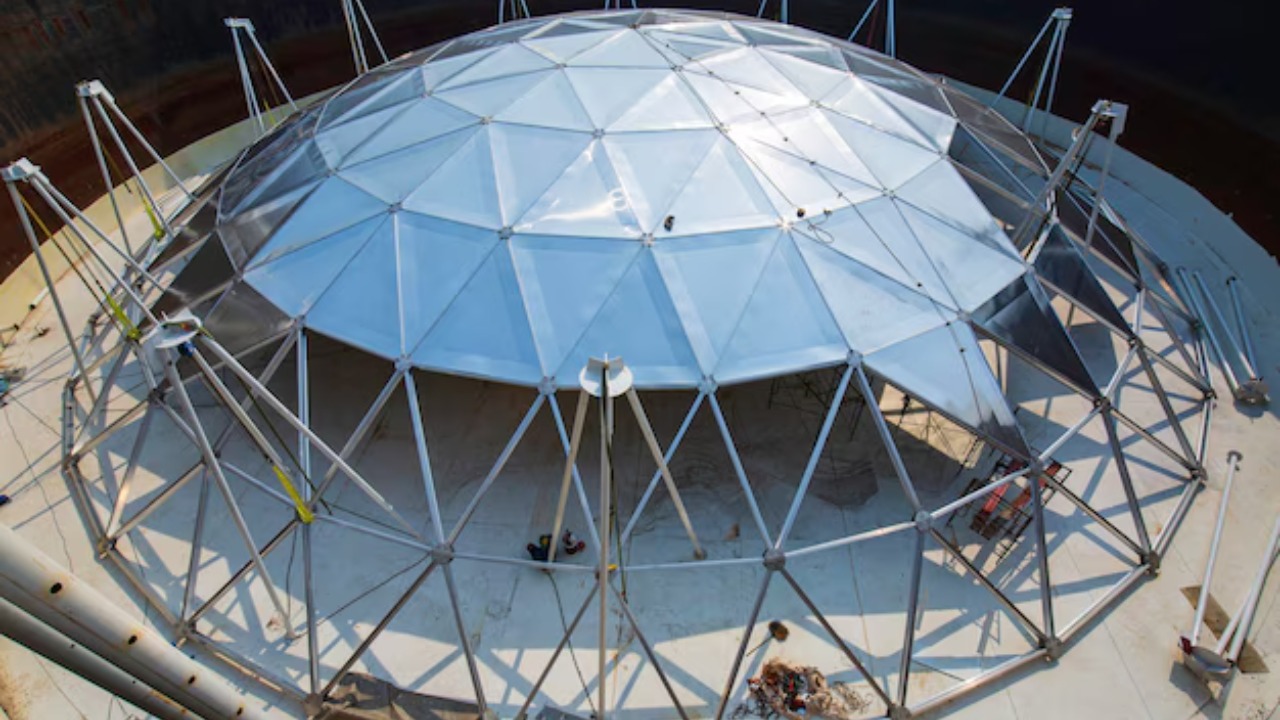
Designing a dome of this magnitude presents significant engineering challenges. The structure must withstand various environmental stresses while maintaining its integrity. This requires careful consideration of materials, structural dynamics, and environmental factors. Engineers and architects collaborated to overcome these challenges, creating a dome that is both robust and adaptable.
Integration of smart technologies plays a crucial role in the dome’s operation. Real-time monitoring through sensors and data analytics ensures optimal performance. These technologies allow the dome to respond to changing conditions, such as fluctuations in air quality or temperature. The project exemplifies the interdisciplinary collaboration required to achieve such a complex feat, involving engineers, architects, and environmental scientists working together towards a common goal.
Economic and Social Implications

The use of inflatable domes in construction offers a compelling cost-benefit scenario. While the initial investment might seem substantial, the long-term savings in environmental compliance and mitigation costs are significant. Construction companies can benefit from reduced delays and fines associated with environmental violations, making the domes a financially viable option.
Moreover, the adoption of this technology has the potential to create new job opportunities and training programs within the construction industry. As companies embrace innovative solutions, the demand for skilled workers in new technologies increases, fostering economic growth. The local community’s response to the dome’s implementation has been largely positive, as it promises to enhance the quality of life by reducing pollution and noise, creating a more pleasant urban environment.
Future Prospects and Global Influence

The successful implementation of inflatable dome technology in China sets a precedent for other regions grappling with similar environmental challenges. Countries with dense urban populations and active construction sectors may find this solution appealing, paving the way for its global adoption. As more regions explore this technology, improvements and adaptations will likely enhance its effectiveness and applicability.
Insights gained from this project will inform future innovations in sustainable construction. Continuous feedback and technological advancements will drive further enhancements, making inflatable domes even more efficient and environmentally friendly. China’s initiative positions it as a leader in green construction technology, influencing international practices and encouraging global trends towards sustainable urban development.
