
According to a former space agency executive, the U.S. space program is trailing behind China’s due to delays in SpaceX’s Starship project. Let’s delve deeper into this claim, examining the current state of the space race, the role of SpaceX’s Starship, the reasons for its delays, and the potential implications for the future of space exploration.
The Current State of the Space Race
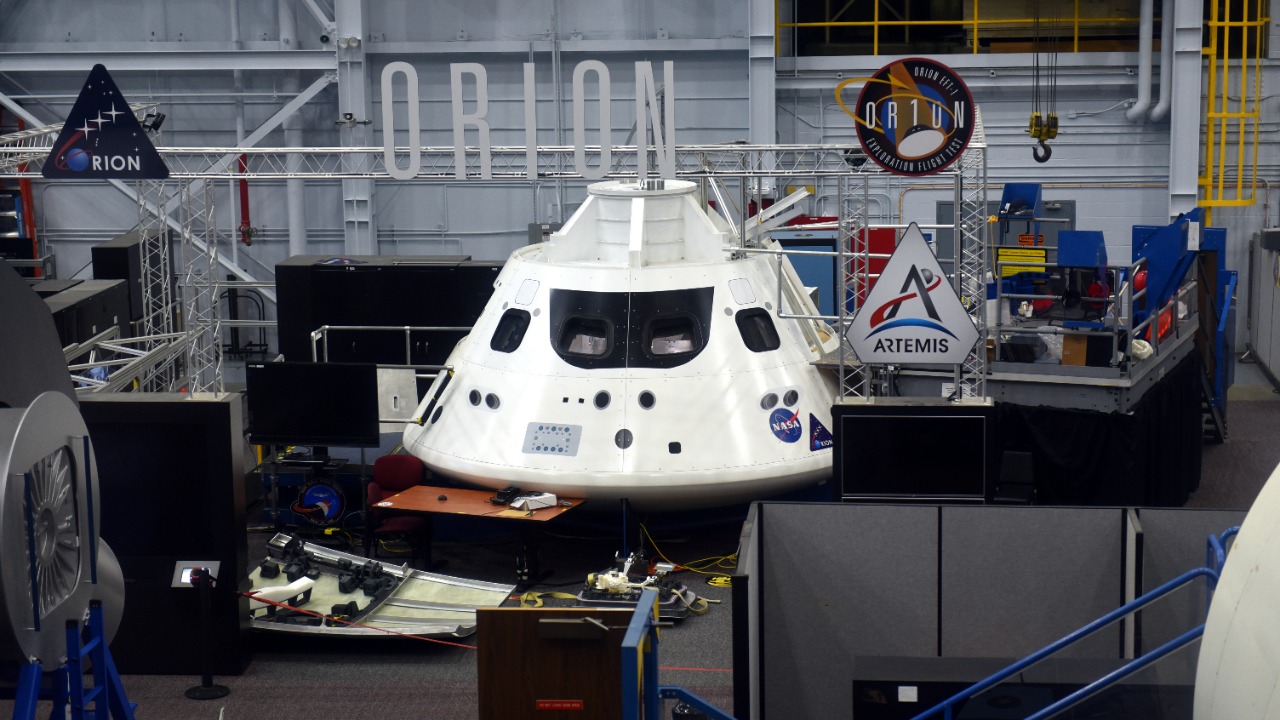
The modern space race is a high-stakes competition between the U.S. and China. China’s recent achievements, such as landing a rover on Mars and launching a space station module, have made headlines across the globe. On the other side, the U.S. is heavily reliant on SpaceX’s Starship for lunar missions, as detailed in this report.
The U.S.’s reliance on SpaceX’s Starship for lunar missions is evident. NASA’s Artemis program, aimed at returning humans to the Moon, is counting on the Starship to ferry astronauts from lunar orbit to the lunar surface. This underscores the critical role that the Starship plays in the U.S.’s lunar and Mars exploration plans.
The Role of SpaceX’s Starship
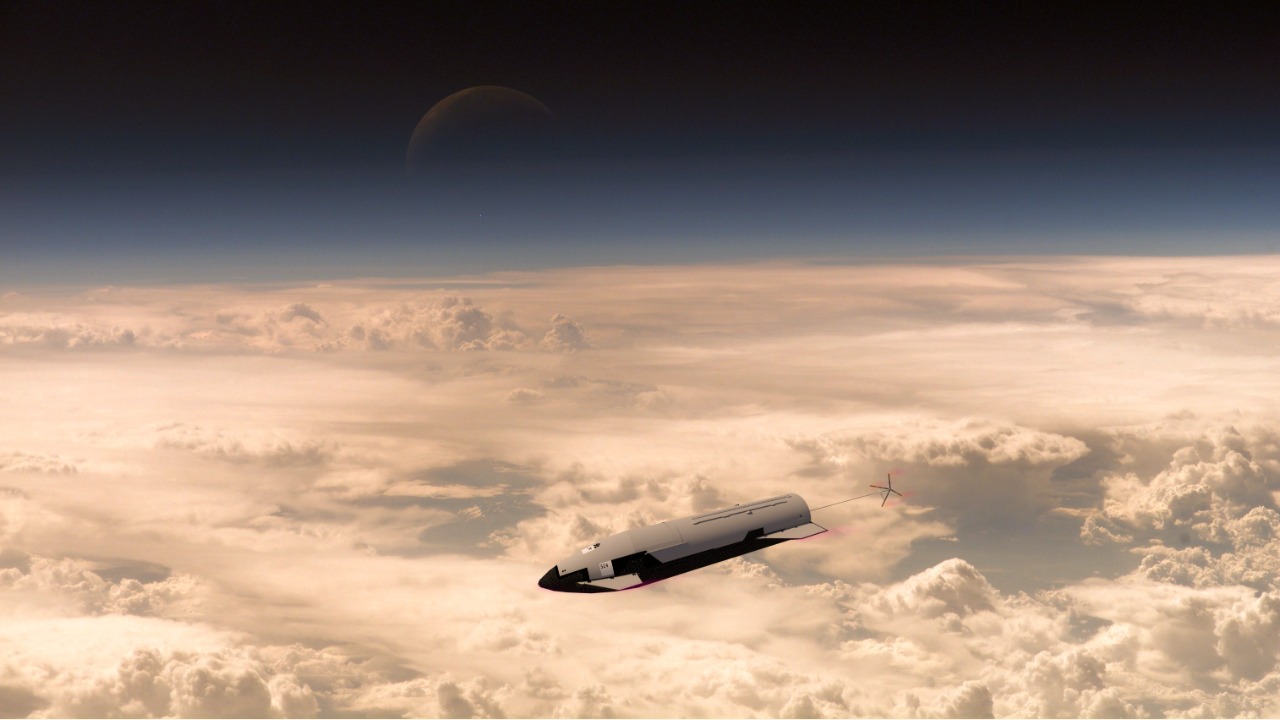
SpaceX’s Starship is a fully reusable spacecraft designed to carry up to 100 people to Mars and beyond. The Starship’s capabilities extend far beyond just lunar missions. It is on the frontlines of SpaceX’s ambitious plans to establish a self-sustaining city on Mars.
However, the Starship’s development has been fraught with challenges. Despite a series of successful high-altitude test flights, the Starship is yet to make an orbital flight. This analysis provides a comprehensive overview of the current status and progress of the Starship development.
Reasons Behind the Starship Delays
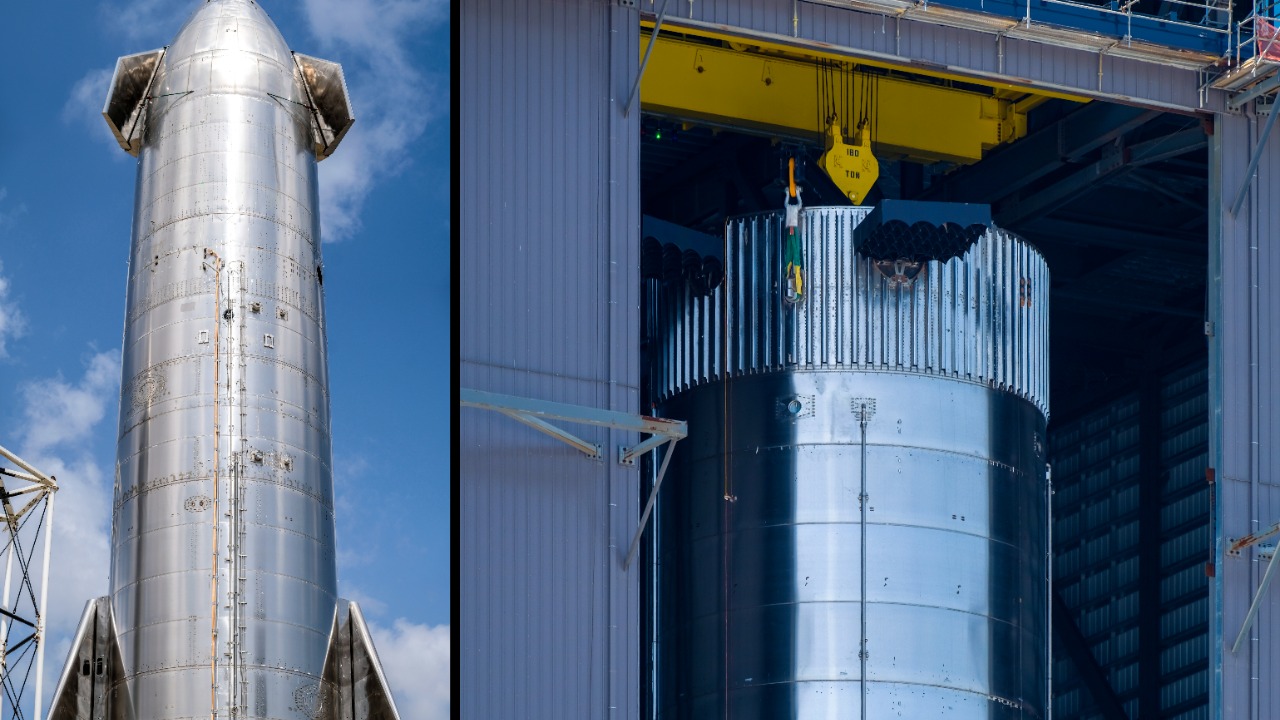
The Starship’s development has faced a host of technical challenges. These range from issues with the Raptor engines to the untested stainless steel structure of the Starship. Moreover, SpaceX’s iterative design philosophy, which involves making changes on the fly based on test results, has also contributed to the delays.
Regulatory hurdles have also played a part in slowing down the Starship’s timeline. For instance, SpaceX has been awaiting clearance from the Federal Aviation Administration (FAA) for its planned orbital test flight. Comparisons can be drawn with other space projects that faced similar delays, such as the James Webb Space Telescope, which has been delayed for years due to technical and budgetary issues.
Implications for the U.S. Space Program

If the U.S. falls behind in the space race, it could have far-reaching consequences. Not only could it cede its leadership position in space, but it could also miss out on the potential economic, scientific, and strategic benefits that come with space exploration.
Private companies like SpaceX play a vital role in the U.S. space program. They bring innovation, efficiency, and a competitive spirit that can accelerate the pace of space exploration. However, these companies also face unique challenges and risks, as highlighted by the Starship’s delays. These delays could potentially impact future lunar and Mars missions, especially those dependent on the Starship, as detailed in this book.
Possible Paths Forward
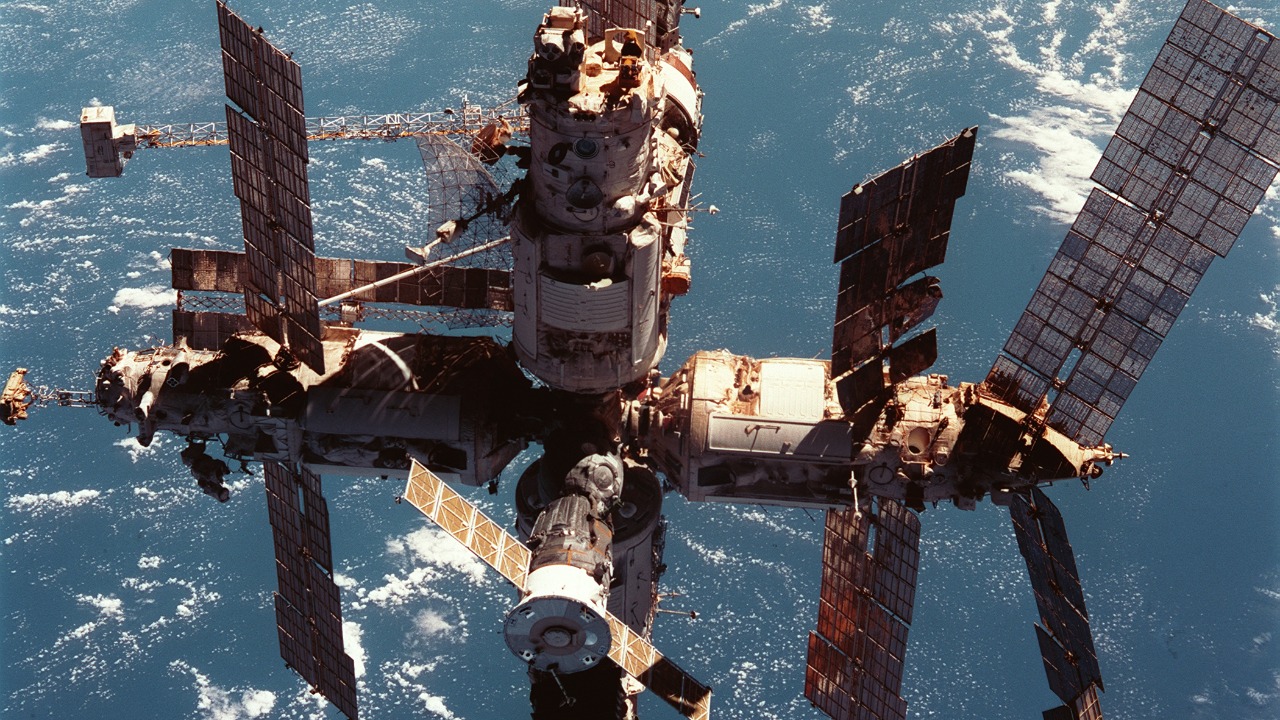
There are several ways the U.S. could regain its position in the space race. For instance, increasing investment in space infrastructure, fostering public-private partnerships, and promoting innovation in space technologies are all potential strategies.
International cooperation in space exploration is another possible path forward. By collaborating with other nations, the U.S. could pool resources, share risks, and achieve common goals in space. Innovations and breakthroughs in space technology, such as new propulsion systems or in-orbit manufacturing, could also help the U.S. overcome the current delays and accelerate its space program.
