In an unprecedented move, China is mulling over the idea of transforming a perilous stretch of water into a lethal minefield to ensnare enemy submarines. This article delves into the strategic, technological, regional, and international implications of this dramatic military strategy.
Strategic Location and Significance
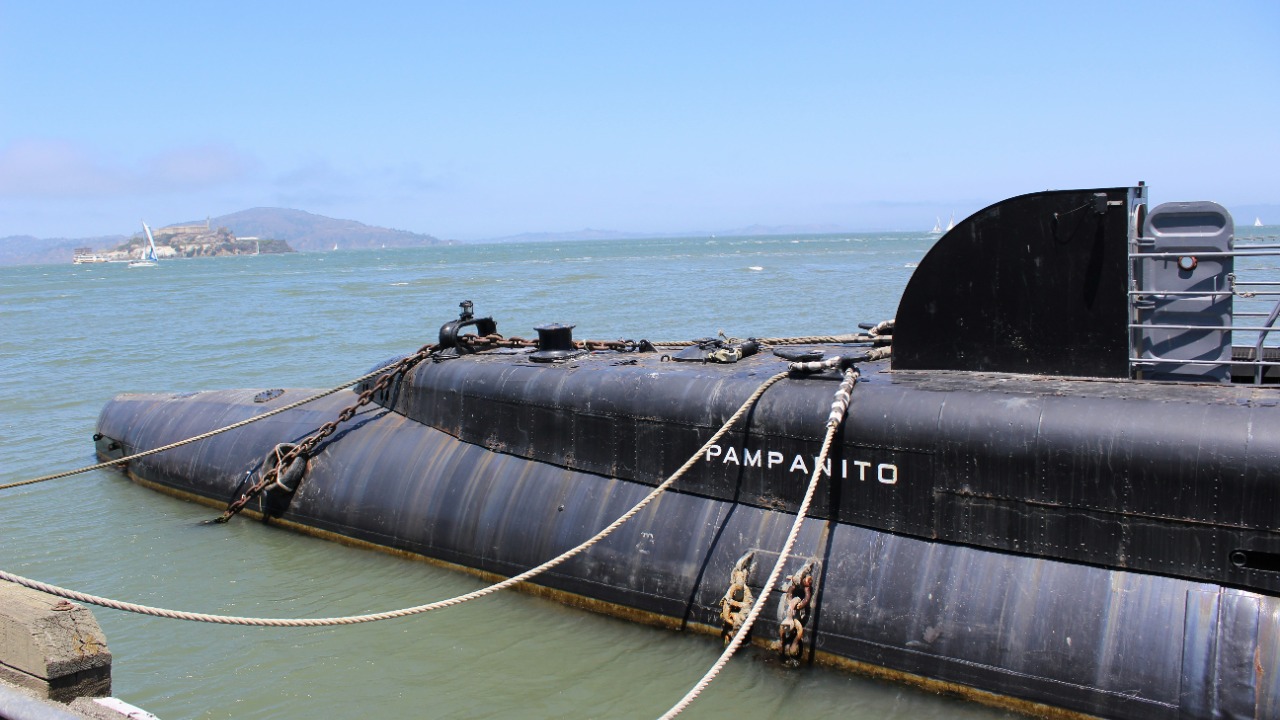
The location under consideration for this proposed minefield is the Paracel Islands area, a disputed territory in the South China Sea. This region is of considerable strategic importance to China’s defense strategy due to its proximity to major seaports and the country’s southern boundary. Turning this already notoriously difficult to navigate area into a minefield would exponentially enhance China’s defensive capabilities.
However, the move could have significant implications on regional and international shipping routes. The South China Sea is a critical conduit for global commerce, with an estimated one-third of the world’s shipping passing through its waters. A sudden increase in the region’s militarization could seriously disrupt these vital trade arteries, leading to potential economic repercussions on a global scale.
The Technological Aspect: AI and Underwater Mines
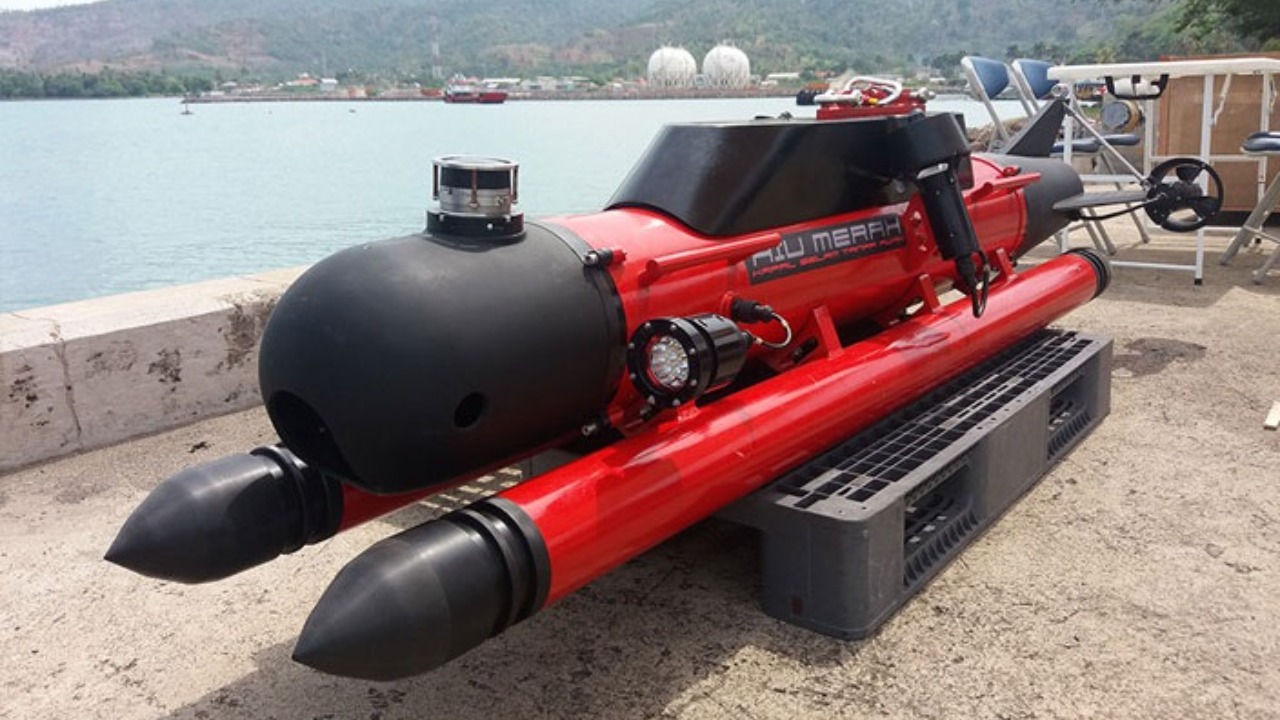
China plans to employ advanced technology in this venture, with a particular emphasis on AI-controlled underwater mines. These sophisticated devices are designed to identify, track, and engage enemy submarines autonomously, presenting a formidable challenge to any potential intruder.
Yet, the effectiveness and reliability of such high-tech devices in real-world military scenarios are yet to be fully verified. While AI technology has made significant strides in recent years, its application in warfare, especially underwater, is still relatively untested. However, if successful, this could signify a new era in naval warfare, where AI plays a pivotal role.
Regional Implications and International Response
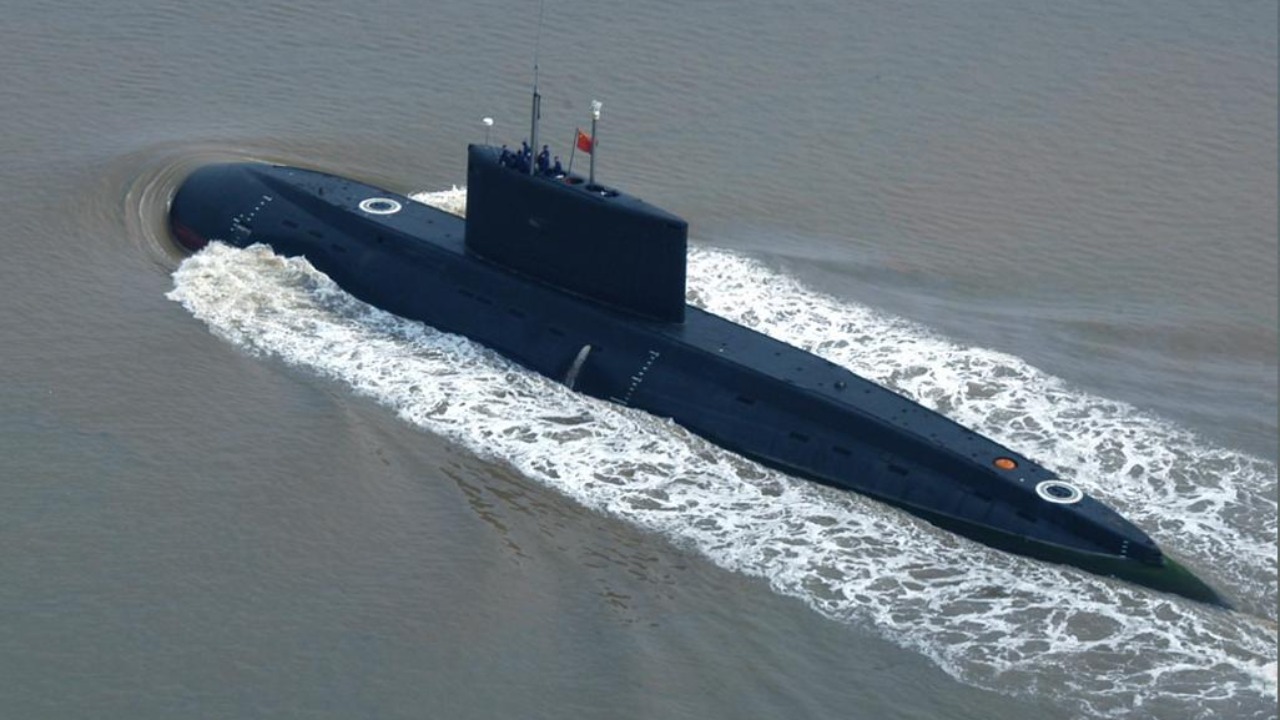
The reactions from the neighboring countries and the global community are critical factors to consider. China’s neighbors, particularly those involved in territorial disputes in the South China Sea, such as Vietnam and the Philippines, are likely to view this move with grave concern. The international community, too, is likely to be wary of potential escalations or retaliations.
Furthermore, this move could significantly impact China’s standing in the global geopolitical landscape. On one hand, it displays China’s technological prowess and determination to safeguard its territorial interests. On the other hand, it could be seen as an aggressive act that disrupts the delicate balance of power in the region, potentially leading to increased tension and conflict.
Comparison with Other Countries’ Military Strategies
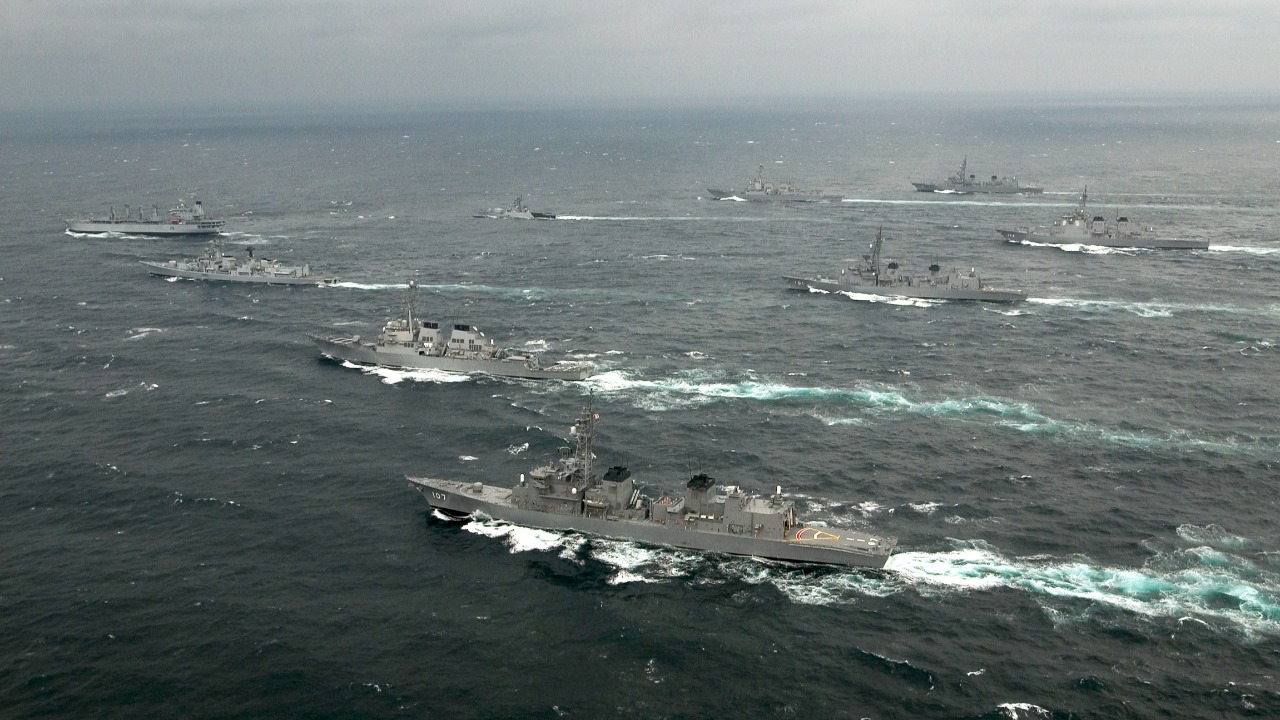
Comparing China’s proposed strategy with those of other countries yields interesting insights. For instance, countries like the United States and Russia have long relied on advanced submarine fleets for deterrence and defense. However, China’s plan to use a fixed, AI-controlled minefield represents a different approach that reflects its unique strategic needs and technological capabilities.
Moreover, the compulsory military service in other countries, such as Germany and Japan, could influence their responses to China’s move. These nations already have a deeply ingrained culture of military preparedness, and this new development may prompt them to reassess their own defense strategies.
Potential Consequences and Future Predictions
The potential consequences of this move on regional stability and international relations are profound. It could lead to an escalation of tensions and even trigger a regional arms race. Countries might respond by enhancing their own naval capabilities or forming strategic alliances, further complicating the already complex geopolitical landscape.
Looking ahead, future developments in this sphere could significantly shape the global maritime military landscape. If AI-controlled underwater mines prove effective, they could become a standard feature of naval warfare. This would necessitate new strategies and technologies to counter such threats, leading to a continual cycle of innovation and adaptation in the field of naval defense.
