
Recent analysis suggests that China may have outpaced the United States in the development of a ‘Golden Dome’ homeland defense system. This potential advancement in missile defense technology underscores the escalating geopolitical tensions and the strategic race for military innovations.
Understanding the ‘Golden Dome’ Concept

The ‘Golden Dome’ is an advanced, integrated homeland defense shield, inspired by Israel’s Iron Dome but scaled for nationwide protection. It is designed to counter ballistic and hypersonic threats, providing a comprehensive aerial defense architecture. The concept draws from the historical precedent set by Israel’s Iron Dome system, which has been operational since 2011 and serves as a model for other nations.
Key to the ‘Golden Dome’ system are technical components such as radar networks, interceptor missiles, and AI-driven command systems. These elements work together to provide real-time threat neutralization, ensuring a swift and effective response to any incoming threats. The system’s sophistication and scale represent a significant leap in defensive capabilities.
While the ‘Golden Dome’ is a theoretical concept, its implementation would require a significant technological leap. The system would need to be capable of detecting, tracking, and neutralizing a wide range of threats, including ballistic missiles, hypersonic glide vehicles, and potentially even low-orbit satellites. This would require a combination of advanced radar systems, high-speed interceptor missiles, and sophisticated command and control systems. The ‘Golden Dome’ would also need to be scalable, capable of protecting an entire nation rather than just a single city or region.
Furthermore, the ‘Golden Dome’ concept also includes a significant emphasis on AI and machine learning technologies. These would be used to analyze incoming threats, predict their trajectories, and determine the most effective response. This would require significant advances in AI technology, as well as the development of robust algorithms capable of making split-second decisions in high-pressure situations.
China’s Strategic Advancements in Missile Defense
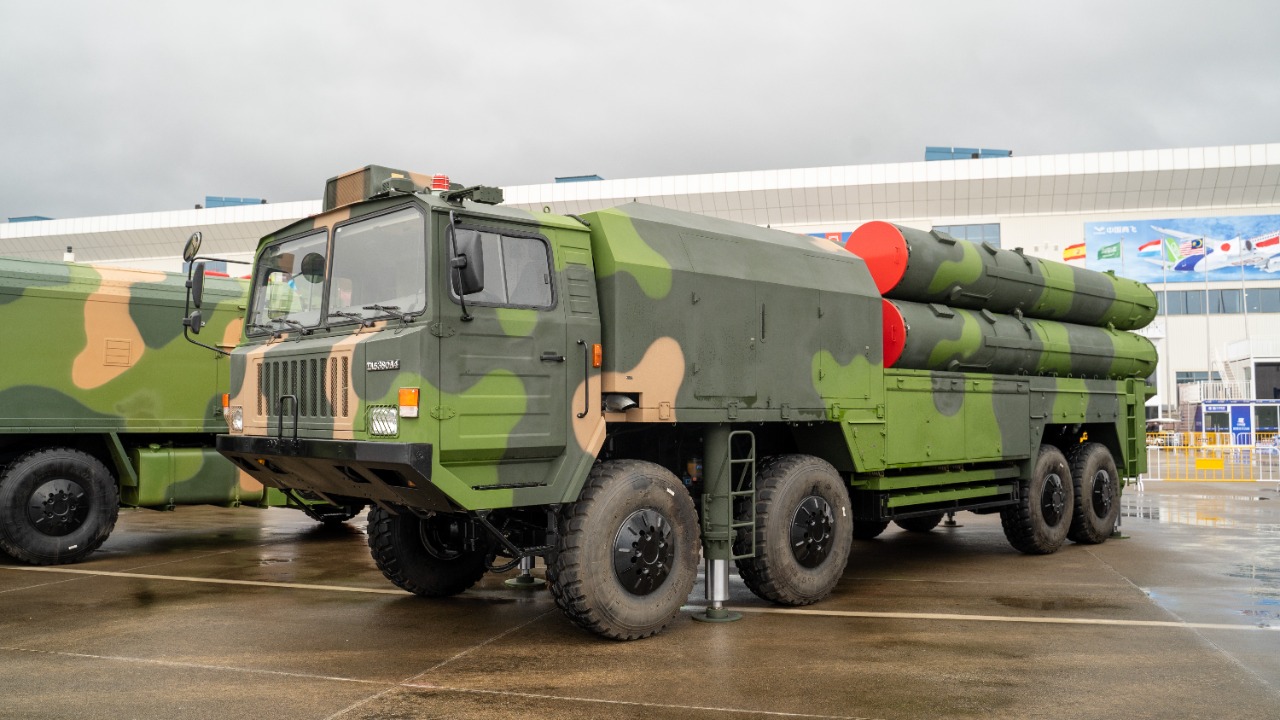
China has reportedly made significant strides in developing a multi-layered defense system. This system potentially incorporates countermeasures against hypersonic glide vehicles and features satellite-based early warning capabilities. These advancements reflect China’s strategic focus on bolstering its national defense capabilities.
China’s investment in domestic technologies, such as the HQ-19 anti-ballistic missile system, underscores its commitment to protecting key urban and industrial centers. These technologies are likely to be integrated with broader initiatives like the Belt and Road, potentially expanding China’s global defense export potential.
China’s advancements in missile defense technology are part of a broader strategy to modernize its military and enhance its strategic capabilities. This includes the development of new weapons systems, such as hypersonic missiles and stealth aircraft, as well as the expansion of its space capabilities. The ‘Golden Dome’ concept fits into this broader strategy, providing a comprehensive defense against a wide range of threats.
China’s focus on missile defense also reflects its geopolitical ambitions. By developing a ‘Golden Dome’ system, China could potentially deter aggression from other nations and assert its dominance in the Asia-Pacific region. This could have significant implications for regional security and stability, as well as for the global balance of power.
US Efforts and Potential Lag

The United States has its Ground-based Midcourse Defense (GMD) system, which has been operational with 44 interceptors in Alaska and California since 2004. However, this system is currently facing upgrades to counter hypersonic threats, a challenge that China appears to be addressing more swiftly.
US development efforts have encountered hurdles, including budget constraints and technological challenges in scaling Iron Dome-like systems on a national level. While the US projects enhanced defenses by the mid-2030s, China’s advancements suggest a potential acceleration in their timeline.
The United States has long been a leader in missile defense technology, with systems like the GMD and the Aegis Ballistic Missile Defense system. However, the rapid pace of technological advancement, coupled with budget constraints and other challenges, has made it difficult for the US to maintain its lead. The development of a ‘Golden Dome’ system by China could potentially exacerbate this issue, putting the US at a strategic disadvantage.
Despite these challenges, the US remains committed to enhancing its missile defense capabilities. This includes ongoing efforts to upgrade the GMD system, as well as research into new technologies like directed energy weapons and hypersonic interceptors. The US is also exploring potential collaborations with allies, such as the joint development of missile defense systems with Japan and Australia.
Geopolitical Implications of the Race

China’s potential ‘Golden Dome’ could significantly shift the balance of power in the Asia-Pacific region. The system could deter US carrier strike groups, altering the dynamics of military engagements in the region. This development could also impact arms control treaties, potentially eroding strategic stability under the New START framework.
Furthermore, the ‘Golden Dome’ could influence alliances, particularly US partnerships with Japan and Australia for shared missile defense architectures. These partnerships could be reshaped by China’s advancements, potentially leading to a reevaluation of defense strategies and collaborations.
The development of a ‘Golden Dome’ system by China could have far-reaching geopolitical implications. For one, it could potentially deter US military intervention in the Asia-Pacific region, altering the balance of power and potentially leading to a shift in regional alliances. This could also impact global arms control efforts, as other nations may feel compelled to develop their own advanced missile defense systems in response.
Furthermore, the ‘Golden Dome’ could potentially be used as a bargaining chip in diplomatic negotiations, giving China additional leverage in discussions on issues like trade, territorial disputes, and human rights. This could potentially lead to a shift in the global balance of power, with China emerging as a dominant force in international politics.
Technological and Ethical Challenges

The development and deployment of advanced defense systems like the ‘Golden Dome’ also raise technological and ethical challenges. Dual-use technologies, such as AI for threat discrimination, could escalate automated warfare, increasing the risks of unintended consequences.
Large-scale defense networks also present cybersecurity vulnerabilities, as seen in recent global incidents. Ensuring the security of these systems is a critical challenge. Additionally, ethical concerns around civilian safety in densely populated deployment zones need to be addressed, balancing defense needs with the wellbeing of the population.
The development of a ‘Golden Dome’ system would also present significant technological challenges. For one, the system would need to be capable of detecting and neutralizing a wide range of threats, from ballistic missiles to hypersonic glide vehicles. This would require advances in radar technology, missile technology, and AI, among other areas. Additionally, the system would need to be scalable, capable of protecting an entire nation rather than just a single city or region.
There are also ethical challenges associated with the development of a ‘Golden Dome’ system. For one, the use of AI in military applications raises concerns about accountability and the potential for unintended consequences. Additionally, the deployment of such a system could potentially lead to an escalation in military tensions, potentially sparking a new arms race. There are also concerns about the potential impact on civilian populations, particularly in densely populated areas where the system would likely be deployed.
Future Outlook and Responses

A Chinese ‘Golden Dome’ could influence global defense spending, potentially spurring a new arms race. Countries may feel compelled to invest more heavily in their own defense capabilities in response to China’s advancements.
US policy responses could include proposed funding increases in the 2025 defense budget for next-generation interceptors. International cooperation opportunities, such as joint exercises under the Quadrilateral Security Dialogue, could also be explored as a means of addressing the evolving defense landscape.
As the race for advanced missile defense systems continues, the potential implications for global security and geopolitical dynamics are significant. The development of a ‘Golden Dome’ system by China could mark a pivotal moment in this ongoing competition.
The development of a ‘Golden Dome’ system by China could potentially spark a new arms race, as other nations scramble to develop their own advanced missile defense systems. This could lead to increased military spending and potentially destabilize global security. However, it could also spur innovation and technological advancement, as nations compete to develop the most effective defense systems.
As for the US, it is likely to continue its efforts to enhance its own missile defense capabilities, despite the potential challenges. This could include increased funding for research and development, as well as collaborations with allies. The US may also seek to engage China in diplomatic negotiations, in an effort to maintain strategic stability and prevent an escalation in military tensions.
Overall, the race for advanced missile defense systems is likely to continue, with significant implications for global security and geopolitical dynamics. The potential development of a ‘Golden Dome’ system by China could mark a pivotal moment in this ongoing competition, potentially reshaping the global balance of power.
