
China has recently launched the world’s first AI-run hospital, marking a significant milestone in the integration of artificial intelligence within healthcare systems. This innovative facility is staffed by 14 AI doctors and aims to revolutionize patient care by offering efficient, precise, and personalized medical services. The inception, design, operation, and potential impact of this groundbreaking establishment highlight a new era for healthcare.
The Vision Behind AI-Run Hospitals
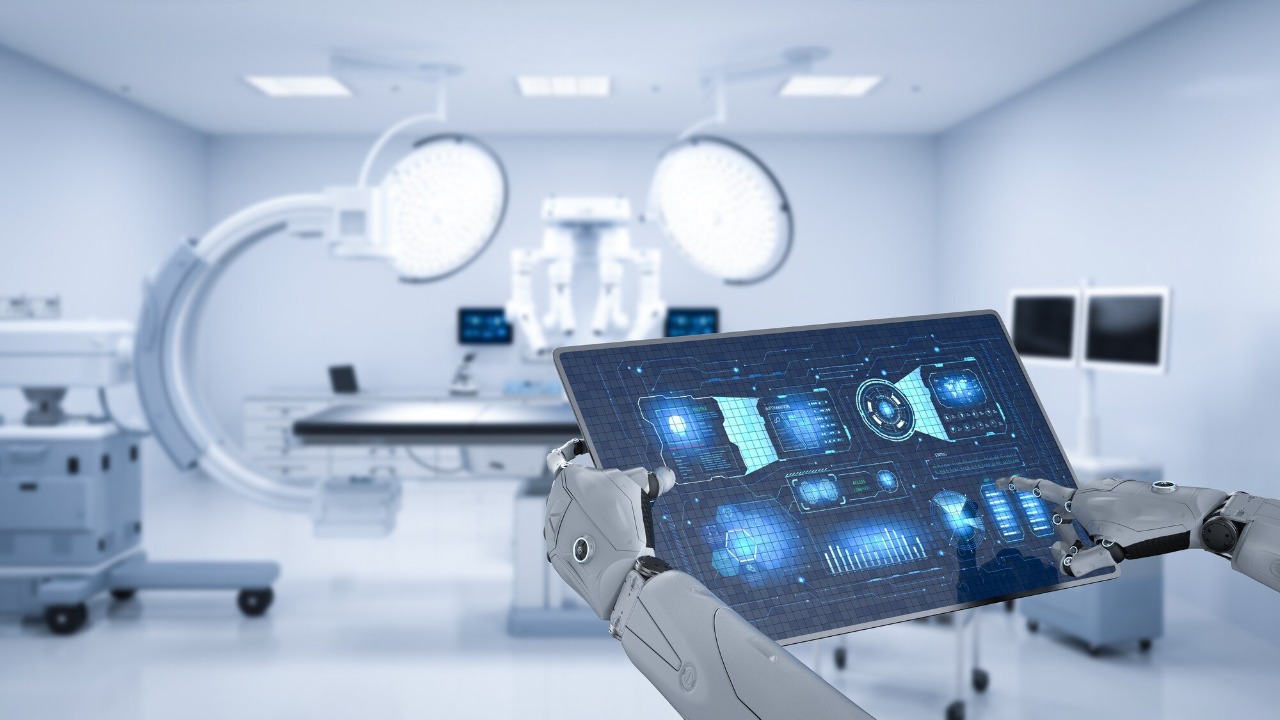
The concept of AI-run hospitals is rooted in the ambition to transform the healthcare landscape by leveraging technology to enhance patient care. The motivation behind this initiative is to provide efficient, high-quality medical services that can adapt to the growing demands of healthcare systems worldwide. By automating routine tasks and offering precise diagnostics, AI-run hospitals aim to alleviate the burden on human healthcare professionals, allowing them to focus on more complex cases.
The realization of this vision involves a synergetic effort between government entities and private tech companies. In China, this collaboration has been instrumental in developing and implementing the necessary technologies and infrastructure. The government supports such initiatives to address pressing healthcare challenges, such as doctor shortages and the increasing demand for medical services. By deploying AI solutions, these hospitals are poised to enhance accessibility and quality of healthcare delivery.
Technological Framework and Infrastructure

The technological backbone of the AI-run hospital comprises several advanced systems, including machine learning, natural language processing, and robotics. These technologies work in tandem to analyze patient data, make diagnostic decisions, and provide treatment recommendations. The use of machine learning models allows the hospital to continuously improve its services by learning from a vast array of medical data.
Data management and security are crucial elements of the AI hospital’s operation. Patient data is collected, processed, and stored securely to ensure privacy and compliance with regulations. Advanced encryption techniques and stringent access controls are employed to protect sensitive information. Moreover, the AI-run hospital is designed to integrate seamlessly with traditional healthcare systems, facilitating collaboration between AI and human healthcare professionals and ensuring that patients receive comprehensive care.
Patient Experience and Care

One of the key advantages of AI systems in healthcare is their ability to develop and implement personalized treatment plans. By analyzing individual patient data, AI can tailor medical interventions to suit specific needs, enhancing the effectiveness of treatments. This personalized approach not only improves patient outcomes but also increases patient satisfaction.
The efficiency and accuracy of AI technologies significantly impact patient experience. AI systems can reduce wait times by streamlining administrative tasks and providing quick diagnostic results. The high accuracy of AI diagnostics minimizes the risk of errors, ensuring patients receive the correct treatments promptly. Patient feedback is continuously gathered and analyzed, allowing the hospital to adapt and improve its AI-driven services.
Ethical Considerations and Challenges

As with any technological advancement, ethical considerations play a vital role in the deployment of AI in healthcare. Patient privacy and consent are paramount, and the AI-run hospital must ensure that patient data is used responsibly and transparently. Obtaining informed consent in an AI-driven environment requires clear communication with patients about how their data will be used and protected.
The role of human oversight is crucial to maintaining the quality and safety of AI healthcare services. While AI can handle routine tasks, human healthcare professionals are essential for monitoring and validating AI decisions. Strategies to address potential biases and errors in AI algorithms are continually developed, ensuring that the systems remain fair and accurate. These measures are vital for building trust in AI-driven healthcare solutions.
Global Implications and Future Prospects
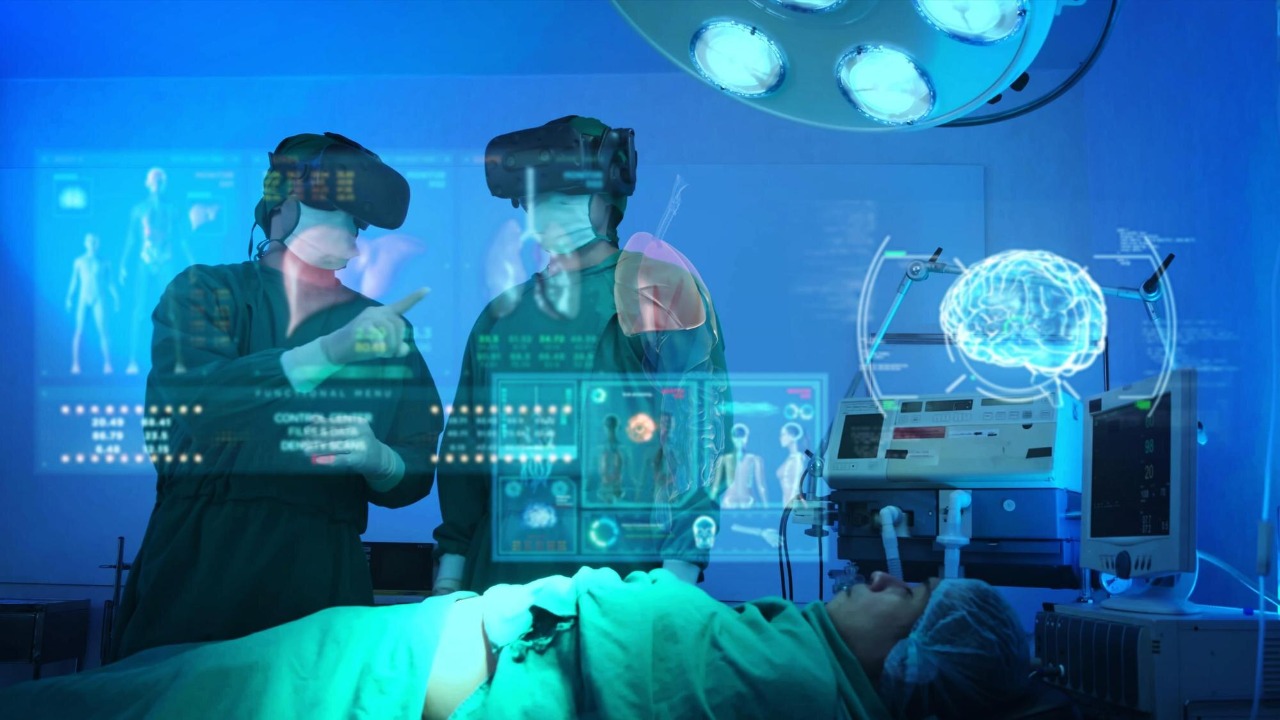
The successful launch of China’s AI-run hospital sets a precedent for the potential expansion and scalability of such models to other regions and countries. As technology evolves, the integration of AI in healthcare could become more widespread, influencing global healthcare standards. By showcasing the benefits of AI-driven healthcare, China’s initiative may encourage other nations to adopt similar technologies.
Future innovations in AI healthcare technologies hold the promise of further transforming the industry. As AI systems become more advanced, they could offer even more precise diagnostics and treatments. The potential for AI to revolutionize healthcare is vast, and ongoing research and development will likely lead to new breakthroughs. The establishment of AI-run hospitals represents a significant step towards a future where technology plays an integral role in healthcare delivery.
For further reading on this groundbreaking development, visit the articles on Nature and Mehr News. More insights are also available on the Science Nature Page on Facebook.
