Chinese oceanographers from the Polar Research Institute of China (PRIC) have achieved a groundbreaking milestone in polar exploration technology. On July 15, 2023, they completed the world’s first manned polar deep dive, reaching a depth of 108.5 meters beneath the Arctic ice using the submersible “Haiyi.” This mission was notable for its real-time coordination with unmanned underwater robots, which enabled synchronized data collection on ice thickness and marine ecosystems.
The Mission’s Technological Breakthroughs
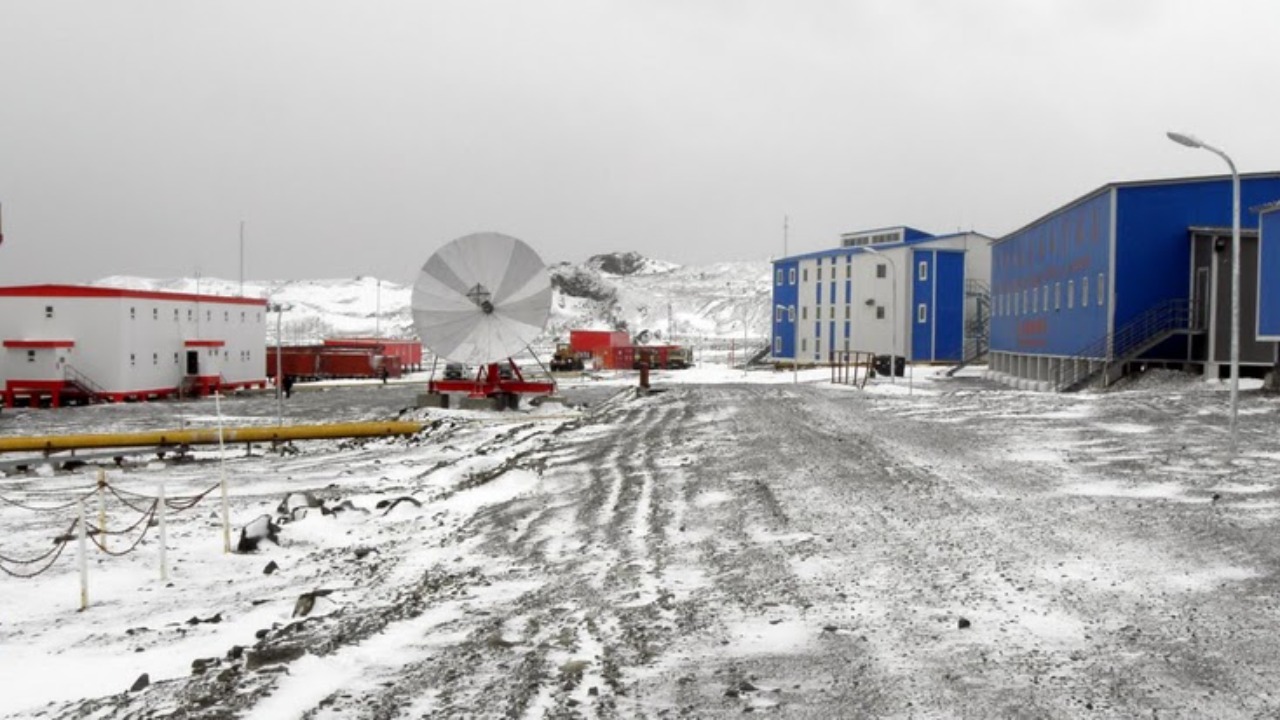
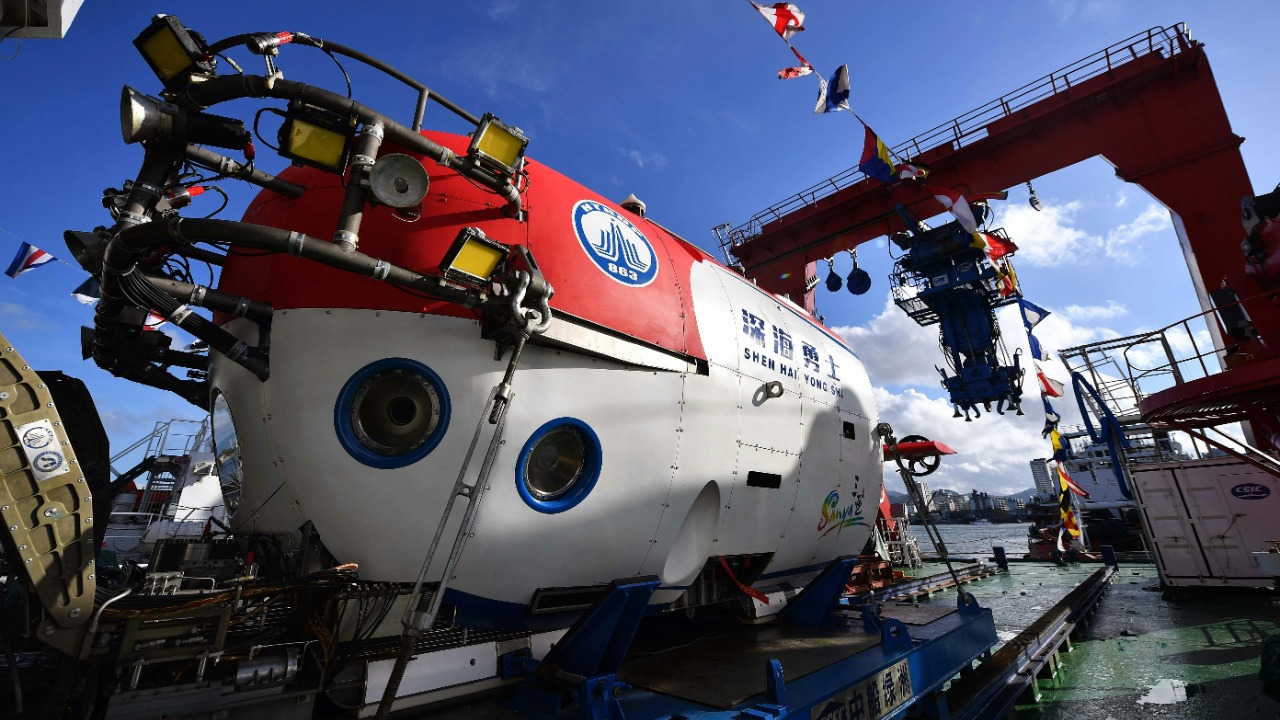
The “Haiyi” submersible, a marvel of engineering designed by the Shenyang Institute of Automation under the Chinese Academy of Sciences, features a titanium alloy pressure hull. This design allows it to withstand pressures of up to 12 MPa, making it capable of diving to depths of 4,500 meters in non-polar conditions. For this mission, “Haiyi” was adapted for deployment from a polar icebreaker, showcasing its versatility in extreme environments.
Unmanned robots played a crucial role in the mission’s success. The “Qinglong” autonomous underwater vehicle (AUV) was instrumental in providing robotic coordination by mapping the underwater terrain in real-time. It transmitted data via acoustic modems to the manned submersible at speeds reaching 10 km/h. This integration of technology allowed for seamless communication and data sharing between the manned and unmanned components of the mission.
AI-driven navigation systems were another key technological advancement. These systems enabled the team to navigate safely through the challenging conditions of the Fram Strait, located north of Svalbard, Norway. By avoiding ice keels up to 30 meters thick, the mission ensured the safety of the crew and the integrity of the submersible.
The integration of cutting-edge technology in the mission extended beyond the submersible and unmanned vehicles. The mission also utilized advanced environmental sensors capable of detecting minute changes in water chemistry and temperature. These sensors provided continuous data streams that were crucial for real-time analysis and decision-making during the dive. Additionally, the mission employed a sophisticated data management system that allowed researchers to process and visualize data on board the icebreaker, facilitating immediate scientific insights and adjustments to the mission plan as needed.
The robustness of the “Haiyi” submersible was further demonstrated by its ability to operate in extreme cold, a significant challenge for mechanical systems. Engineers incorporated specialized lubricants and thermal insulation to ensure that all moving parts functioned smoothly despite the harsh conditions. This attention to detail in design and engineering underscores the mission’s emphasis on reliability and safety, which are paramount in polar exploration.
Key Participants and Team Expertise
The expedition was led by chief scientist Dr. Yang Huigen, director of PRIC, and included a team of 12 researchers specializing in polar oceanography. Among them was pilot Zhu Pengfei, who logged 120 minutes of dive time inside “Haiyi.” Their combined expertise was crucial in executing this complex and demanding mission.
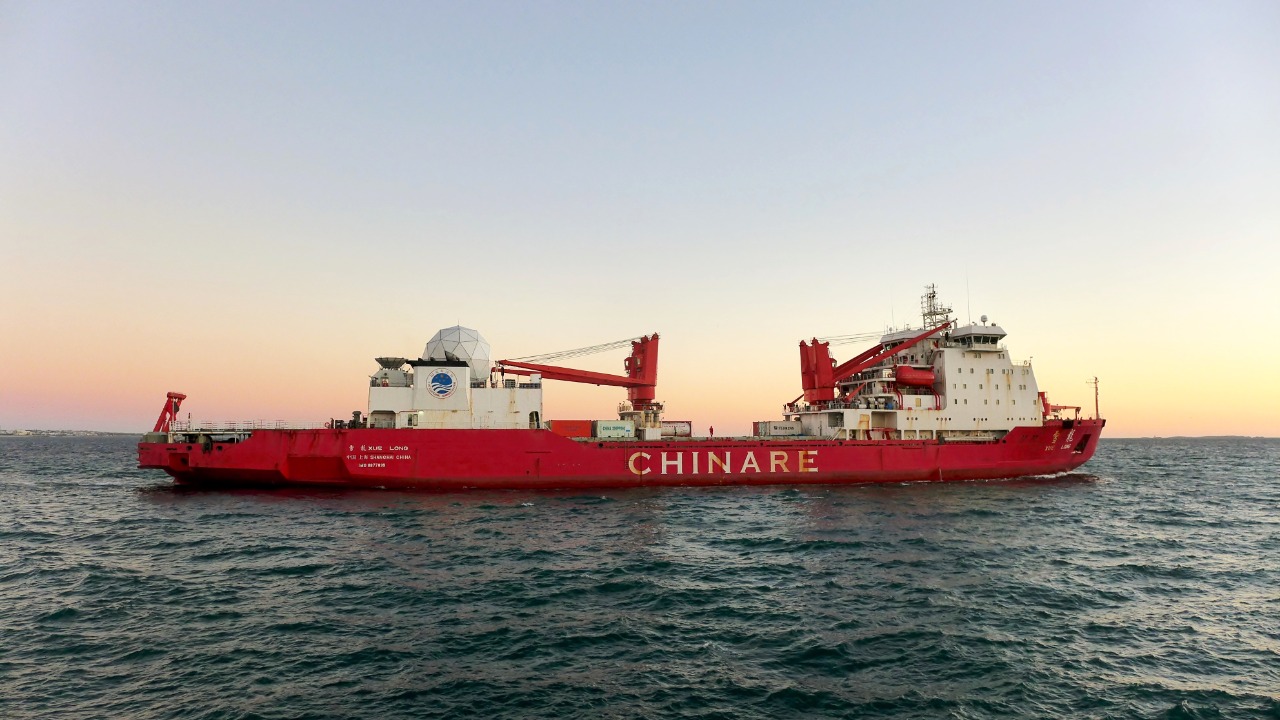
Support for the mission came from the icebreaker “Xuelong 2,” commanded by Captain Zhao Yue. The icebreaker facilitated the launch from a latitude of 82°N in the Arctic Ocean, providing a stable platform for the submersible’s deployment. This collaboration between the submersible team and the icebreaker crew was essential for the mission’s success.
International collaboration also played a significant role. Norwegian researchers from the Norwegian Polar Institute contributed satellite ice data, which was vital for mission planning. This partnership highlights the importance of international cooperation in advancing polar research and exploration.
The team also included experts in marine biology and geology, whose roles were pivotal in analyzing the samples collected during the dive. Marine biologist Dr. Li Wei focused on studying the microbial communities found in the Arctic waters, providing insights into how these organisms adapt to extreme environments. Geologist Dr. Chen Ming analyzed sediment cores to understand the geological history of the Arctic seabed, contributing to broader climate change studies.
Moreover, the mission benefited from the logistical expertise of the support crew aboard the “Xuelong 2.” The crew’s experience in navigating icy waters ensured that the icebreaker maintained optimal positioning for the submersible’s operations. Their ability to adapt to rapidly changing ice conditions was crucial for the mission’s timing and success, highlighting the importance of skilled personnel in such complex expeditions.
Scientific Data and Discoveries
The dive yielded a wealth of scientific data, including 2.5 gigabytes of high-resolution sonar images. These images revealed the presence of microbial mats and Arctic cod populations at depths of 100 meters, indicating biodiversity hotspots beneath the ice. Such findings are crucial for understanding the unique ecosystems of the polar regions.
Measurements taken during the dive recorded seawater temperatures at -1.8°C and salinity levels at 34.5 PSU. These data points contribute to climate models focused on polar amplification, enhancing our understanding of climate change impacts in these sensitive regions.
Robotic coordination enabled the simultaneous sampling of sediment cores, which uncovered organic carbon levels 20% higher than those found in previous unmanned surveys of the same region. This discovery underscores the value of combining manned and robotic exploration techniques to obtain comprehensive environmental data.
In addition to biological and chemical data, the mission’s findings included detailed topographical maps of the seafloor, which revealed previously uncharted underwater features. These maps are invaluable for understanding the geological processes shaping the Arctic region. The discovery of unique geological formations, such as hydrothermal vents, opens new avenues for research into the Earth’s geothermal activity and its influence on marine ecosystems.
The mission also provided critical data on the dynamics of sea ice movement and its interaction with ocean currents. By analyzing the collected data, scientists can improve models predicting ice melt patterns and their implications for global sea level rise. This information is vital for developing strategies to mitigate the impacts of climate change on coastal communities worldwide.
Implications for Future Polar Exploration
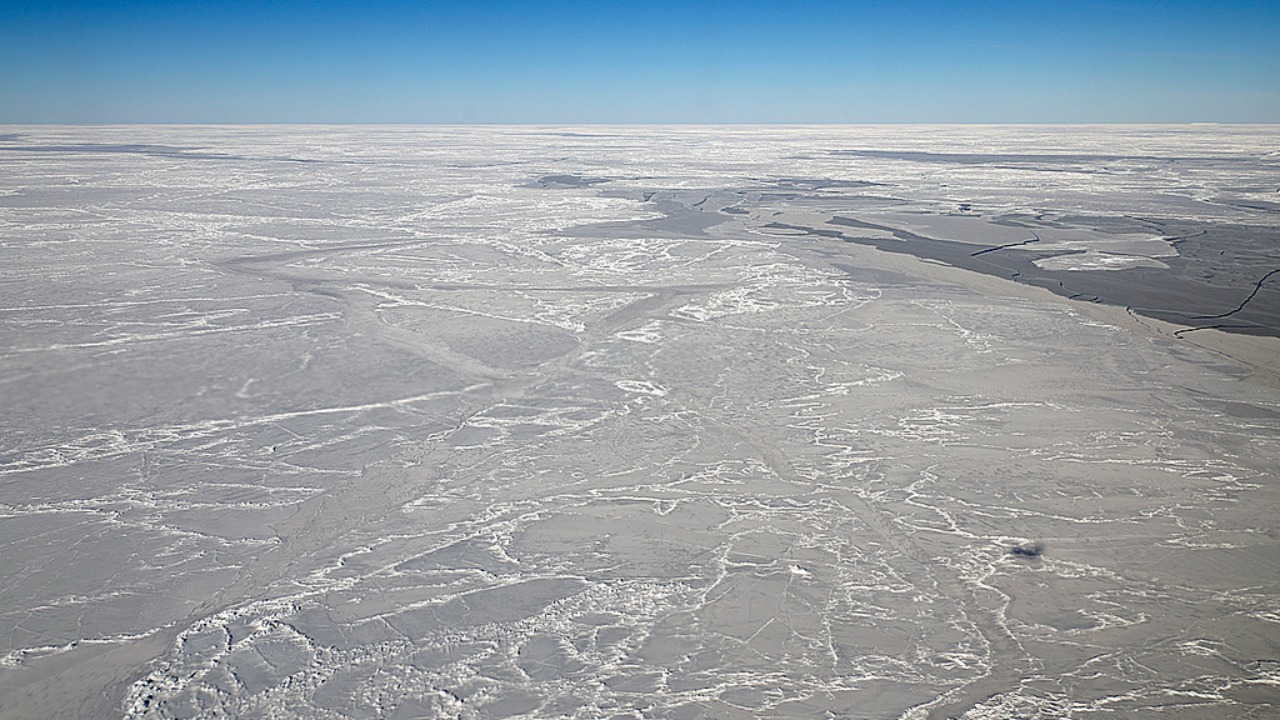
This achievement positions China as a leader in manned polar submersible technology. Plans are already underway for a 2025 expedition targeting 300-meter dives in the Antarctic Weddell Sea, demonstrating China’s commitment to advancing polar exploration capabilities.
Dr. Yang Huigen emphasized the significance of the mission, stating, “This manned-robotic synergy opens new frontiers for sustainable polar research, reducing risks while enhancing data accuracy.” His statement reflects the mission’s success in integrating human expertise with advanced technology to achieve unprecedented exploration outcomes.
The mission’s success aligns with China’s 14th Five-Year Plan for polar science, which allocates 500 million RMB annually for deep-sea technology development. This investment underscores China’s strategic focus on enhancing its capabilities in polar research and exploration, paving the way for future scientific breakthroughs.
