China has taken a giant leap in both renewable energy and creative design by constructing a solar farm in the shape of a panda. Spanning an impressive 250 acres, this solar farm not only represents China’s commitment to clean energy but also serves as an innovative symbol of environmental awareness.
The Concept Behind the Panda Solar Farm

The choice to design a solar farm in the shape of a panda is steeped in symbolism. The panda, a beloved national icon of China, is often associated with efforts in environmental conservation. By using this shape, the solar farm becomes a powerful emblem of China’s dedication to preserving the environment and promoting sustainable practices. The design aims to inspire both national and international audiences by linking clean energy with a universally recognized symbol of conservation.
The creative process behind the panda-shaped solar farm involved meticulous planning and design. Engineers and designers collaborated to ensure that the panda shape was both recognizable and functional, integrating advanced solar technology without compromising on aesthetics. The project required careful consideration of proportion, color, and placement of solar panels to achieve the desired visual effect while maximizing energy efficiency.
Technical Aspects and Construction
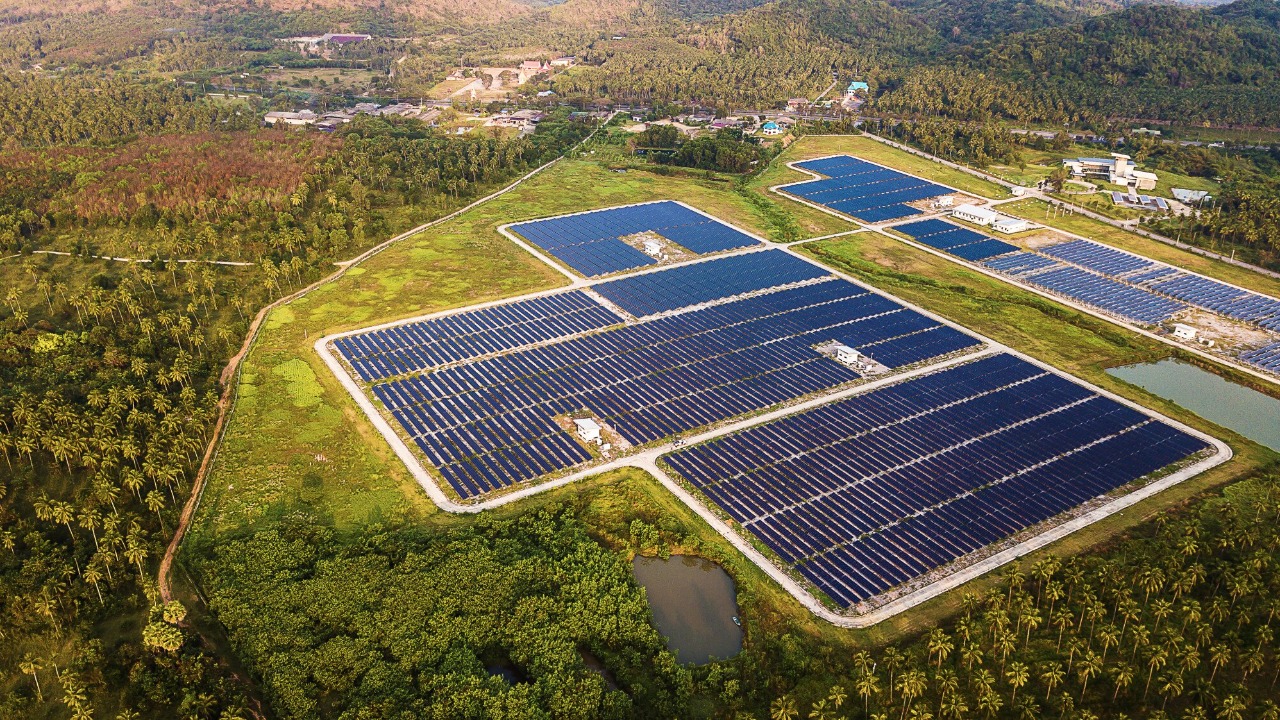
The panda solar farm employs a range of cutting-edge solar technologies to achieve its unique design. High-efficiency solar panels were used to form the intricate shape of the panda, ensuring that the design did not detract from the farm’s energy production capabilities. The panels are strategically arranged to create the distinct black and white contrast that characterizes a panda, all while maintaining optimal solar output.
Constructing a solar farm of this nature presented several challenges. Engineers had to navigate the complexities of maintaining structural integrity while executing the intricate design. Solutions included advanced mapping techniques and the use of flexible solar panel configurations to fit the contours of the panda shape. These innovations allowed the project to remain true to its artistic vision without sacrificing functionality.
Environmental Impact and Benefits

The panda-shaped solar farm significantly contributes to China’s renewable energy output. With a capacity to produce 50 megawatts of solar power, it plays a vital role in reducing carbon emissions and supporting the nation’s transition to clean energy. By harnessing solar power on such a scale, the farm helps mitigate the effects of climate change, aligning with global environmental goals.
Beyond its environmental contributions, the panda solar farm also serves as an educational tool. It raises awareness about the importance of renewable energy and sustainability among local communities and visitors. The farm’s unique design attracts tourists, providing an opportunity to educate them about solar energy and its benefits in an engaging and visually appealing manner.
Future Prospects and Expansion Plans
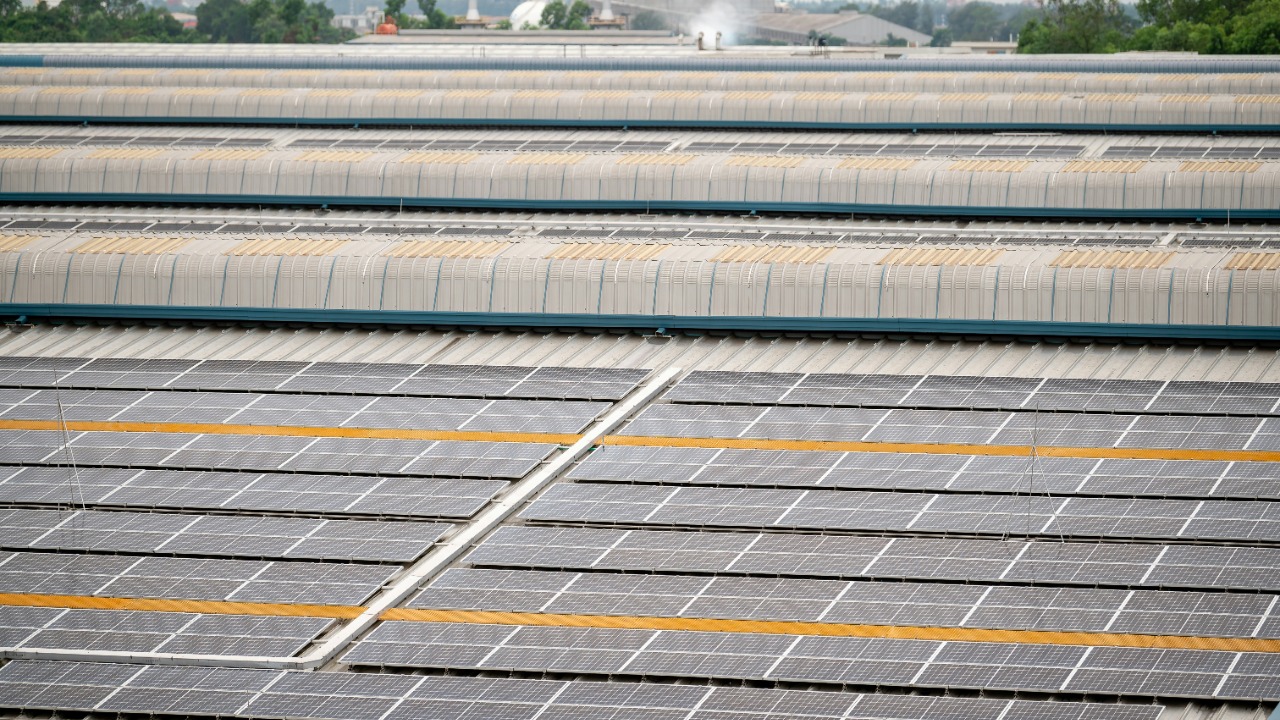
The panda solar farm’s success has sparked interest in replicating similar projects in other regions. The iconic design has the potential to inspire the construction of more solar farms that combine functionality with artistic expression. Such projects could increase public interest in renewable energy and promote a positive image of sustainability worldwide.
China’s broader renewable energy goals are ambitious, aiming to significantly expand the nation’s clean energy capacity. The panda solar farm fits seamlessly into this vision, representing a step forward in the country’s commitment to sustainable development. As China continues to pursue its long-term energy goals, innovative projects like the panda solar farm could become more common, further solidifying the nation’s leadership in renewable energy.
Global Reactions and Media Coverage

The panda-shaped solar farm has garnered considerable international attention, with media outlets around the world highlighting its innovative design and environmental significance. The project has been praised for its creativity and its role in advancing renewable energy, capturing the imagination of audiences globally.
This project may well influence future renewable energy initiatives, encouraging other countries and companies to adopt similarly innovative designs. By demonstrating that functionality and aesthetics can go hand in hand, the panda solar farm sets a precedent for future developments in the field of sustainable energy.
Challenges and Criticisms

Despite its many benefits, the panda solar farm has faced scrutiny regarding its financial viability. The costs associated with designing and constructing such a uniquely shaped solar farm are significant, raising questions about the long-term sustainability of similar projects. Financial considerations remain a key challenge in balancing artistic design with economic feasibility.
Critics have also raised concerns about the potential environmental impact of the project, particularly in terms of resource use during construction. While the solar farm itself promotes clean energy, ensuring that its construction and maintenance do not counteract these benefits is crucial. Addressing these criticisms will be essential for the success of future projects inspired by the panda solar farm.
