Chimpanzees have been observed actively seeking out and consuming fruit that is full of alcohol due to natural fermentation processes. Despite the presence of ethanol in these fruits, the animals do not exhibit signs of intoxication or drunkenness, according to a recent report.
Chimpanzee Foraging Habits
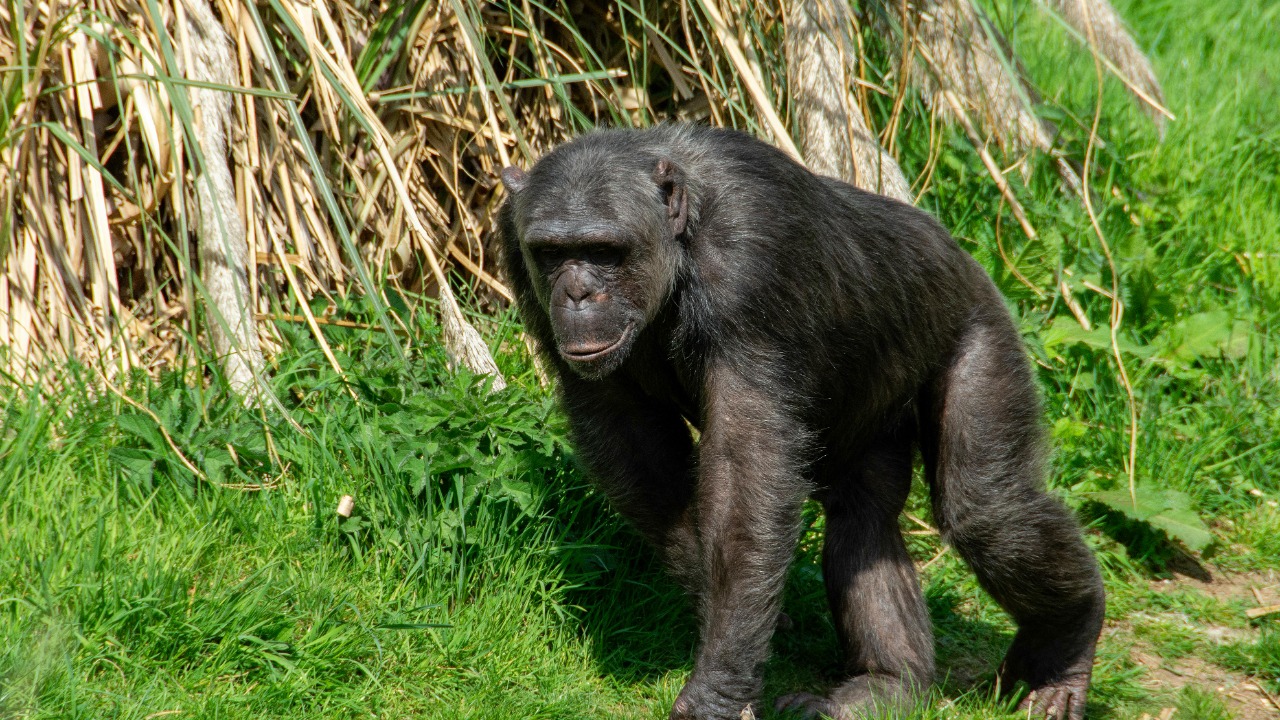
Chimpanzees, as part of their natural diet in forest environments, often select overripe or fermenting fruits. These fruits, rich in alcohol due to fermentation, do not seem to alter the typical foraging patterns of these primates. In fact, they consume fruits with elevated alcohol levels as part of their regular diet, according to Live Science.
Fruit fermentation in the wild plays a significant role as a seasonal resource for chimpanzee communities. The availability of these fermented fruits, full of alcohol, provides an additional food source for these animals, especially during certain times of the year when other food sources may be scarce.
Chimpanzees’ foraging habits are not only influenced by the availability of food but also by the nutritional content of the food sources. The preference for fermented fruits could be attributed to the high sugar content, which provides a significant energy boost. This is particularly important during periods of food scarcity, when the chimps need to maximize their energy intake.
Moreover, the chimpanzees’ foraging habits are also influenced by their social structure. They often forage in groups, and the consumption of fermented fruits could potentially play a role in social bonding. The shared experience of consuming these fruits could strengthen social ties within the group, which is crucial for their survival in the wild, according to Live Science.
Alcohol Production in Wild Fruits
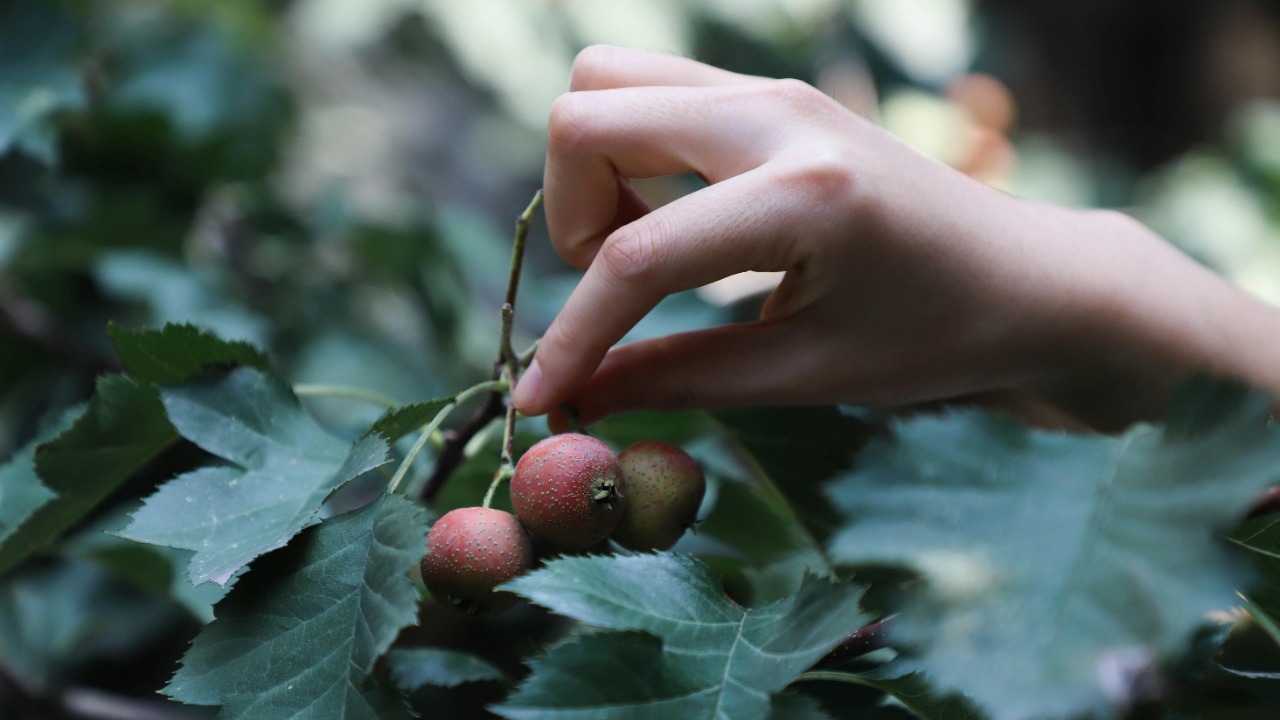
The natural process by which yeasts ferment sugars in fallen or overripe fruits results in the production of ethanol, an alcohol. This process can produce ethanol content up to several percent in these fruits. Specific fruit types commonly eaten by chimps, such as figs and marulas, often become full of alcohol through environmental fermentation.
Measurements of alcohol concentrations in fruits accessed by chimpanzees in their habitats have shown varying levels of ethanol. However, even with these elevated levels, chimpanzees continue to consume these fruits without apparent adverse effects.
Observed Chimp Reactions to Alcoholic Fruits
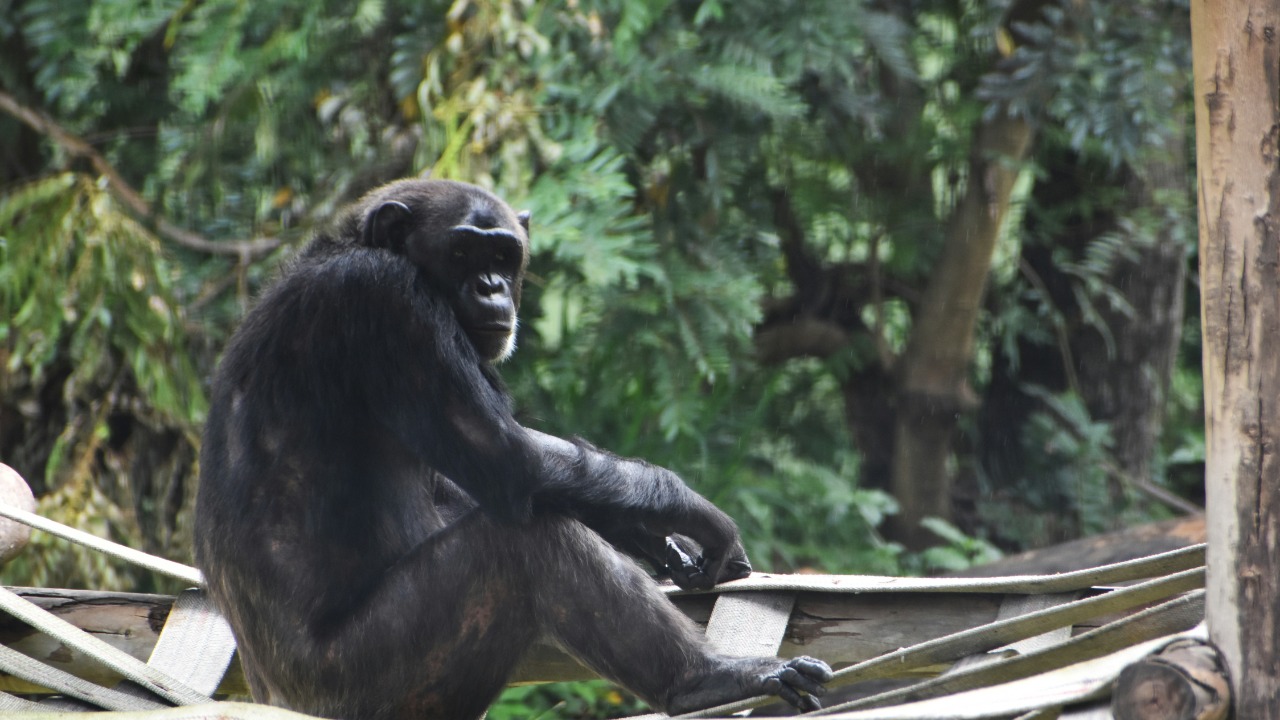
Despite consuming fruits full of alcohol, chimpanzees show no behavioral changes indicative of drunkenness, such as impaired coordination or altered social interactions. Field studies have provided examples where chimps consumed alcohol-rich fruits and continued normal activities like climbing and tool use.
These observations address common misconceptions about animal intoxication. While anecdotal reports in other species suggest possible effects of alcohol, the response of chimpanzees to alcohol-rich fruits contrasts with these anecdotes, demonstrating their unique tolerance.
Interestingly, while chimpanzees do not show signs of intoxication after consuming fermented fruits, they do exhibit certain behaviors that suggest they are aware of the alcohol content. For instance, they have been observed to smell the fruits before consuming them, possibly to assess the level of fermentation. This could indicate a level of selectivity in their consumption of fermented fruits.
Moreover, the lack of observable intoxication effects does not necessarily mean that the alcohol has no impact on the chimpanzees. It is possible that the alcohol could have subtle effects on their behavior or physiology that are not immediately apparent. Further research is needed to fully understand the implications of alcohol consumption in these primates.
Physiological Tolerance in Chimpanzees
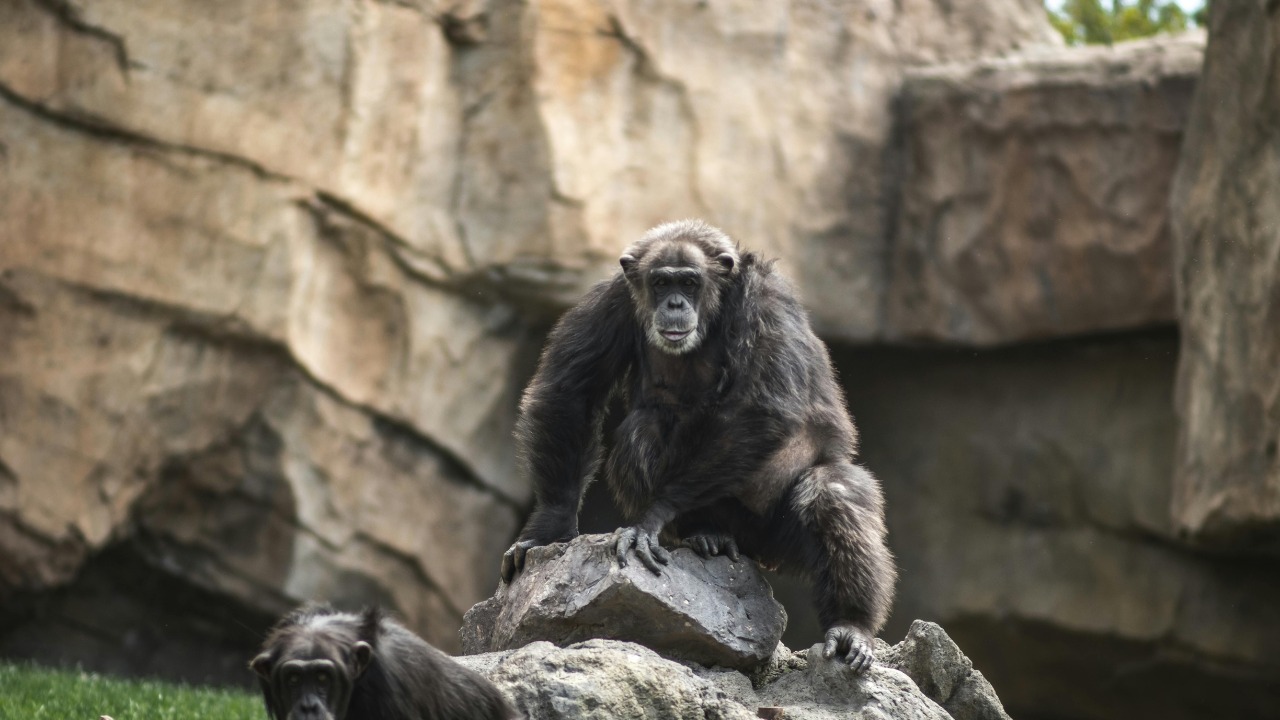
Chimpanzee metabolism and enzymes play a crucial role in their ability to process ethanol efficiently, preventing intoxication effects. They share genetic similarities with humans in alcohol dehydrogenase, an enzyme involved in alcohol metabolism. However, their tolerance levels appear to be significantly higher.
Factors such as body size, diet volume, and evolutionary adaptations contribute to chimps’ ability to eat fruit full of alcohol without getting drunk. Their larger body size and high-volume diet allow them to metabolize the alcohol more effectively, while evolutionary adaptations may have equipped them with a more efficient alcohol-processing system.
Chimpanzees’ high tolerance to alcohol could be a result of their long evolutionary history of consuming fermented fruits. Over time, they may have developed physiological adaptations that allow them to process alcohol more efficiently. This could include changes in their liver enzymes or gut microbiota, which play a key role in alcohol metabolism.
It’s also worth noting that the chimpanzees’ diet, which is rich in fiber and low in fat, could potentially influence their ability to metabolize alcohol. A high-fiber diet can slow down the absorption of alcohol, reducing its impact on the body. This could be another factor contributing to their high tolerance.
Evolutionary and Ecological Angles
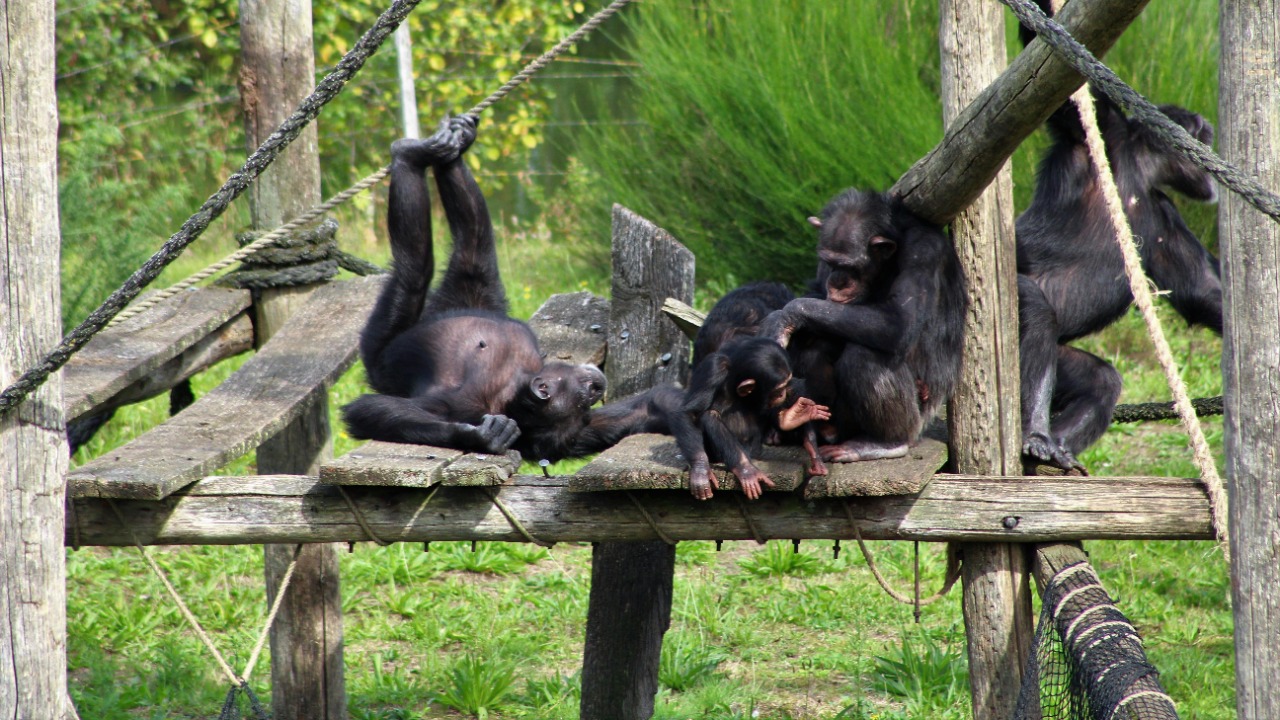
From an evolutionary perspective, the consumption of low-level alcohol in fruits may offer potential benefits for chimpanzees. These benefits could include antimicrobial properties or caloric boosts, providing an advantage in survival and reproduction.
This behavior also fits into broader primate evolution and the origins of alcohol tolerance in hominids. Environmental factors in chimp habitats, such as climate and fruit availability, may lead to widespread fruit fermentation, providing a natural source of alcohol-rich fruits.
From an ecological perspective, the consumption of fermented fruits by chimpanzees could have implications for the dispersal of fruit seeds. The alcohol in the fruits could potentially affect the chimps’ seed dispersal behavior, influencing the distribution and diversity of fruit trees in their habitats.
Additionally, the chimpanzees’ ability to tolerate alcohol could have played a role in their evolutionary success. By being able to consume fermented fruits without suffering from intoxication, they would have had access to a food source that other animals may have avoided. This could have given them a competitive advantage in their ecological niche.
Implications for Research and Conservation
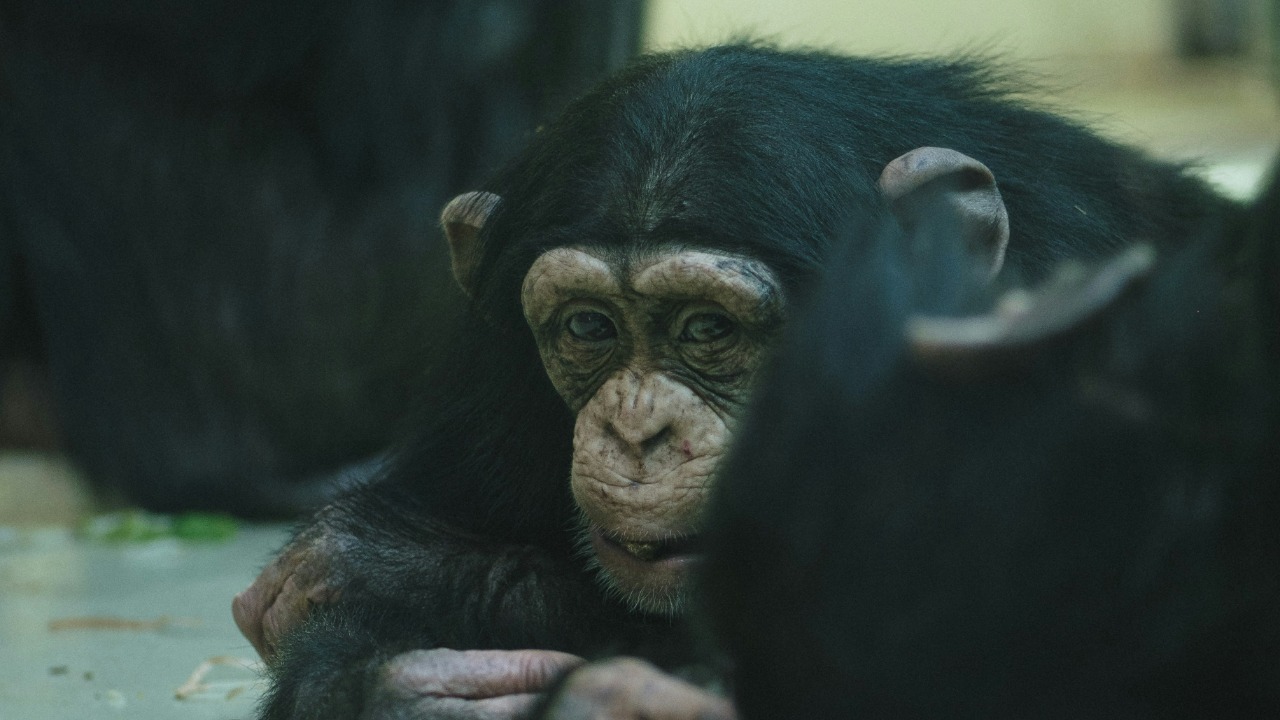
Understanding chimp alcohol consumption can inform studies on primate health and behavior. It also has applications to human alcohol evolution and the “drunken monkey” hypothesis in anthropology, which suggests that early human ancestors may have consumed fermented fruits, leading to the evolution of alcohol tolerance.
From a conservation perspective, protecting fruit-rich habitats is essential for chimpanzee diets. The availability of these fruits, including those that undergo natural fermentation, plays a crucial role in the survival and well-being of these animals.
The study of chimpanzees’ alcohol consumption could provide insights into the evolutionary origins of human alcohol use. By understanding how our closest relatives interact with alcohol, we can gain a better understanding of our own relationship with this substance. This could have implications for the study of alcoholism and other alcohol-related health issues in humans.
From a conservation perspective, the chimpanzees’ reliance on fermented fruits highlights the importance of preserving their natural habitats. Any changes in the availability of these fruits, due to habitat loss or climate change, could have significant impacts on the chimpanzees’ diet and survival. Therefore, conservation efforts should focus on protecting these crucial food sources.
