The abandoned region surrounding the Chernobyl nuclear plant has given rise to a unique population of feral dogs. These dogs are not only surviving but also transforming at an unprecedented rate, providing a living laboratory for scientists studying the effects of radiation on DNA and evolution.
The Legacy of Chernobyl’s Nuclear Disaster

The Chernobyl disaster of 1986 stands as one of the most catastrophic nuclear events in history, releasing vast amounts of radioactive materials into the environment. The immediate aftermath saw the evacuation of tens of thousands of people, leaving behind a desolate landscape. Yet, in this human absence, life found a way to persist. Over the decades, the exclusion zone has transformed into a unique ecosystem where nature has reclaimed the land, creating a sanctuary for wildlife to thrive.
In this unexpected resurgence, a population of feral dogs has emerged, inhabiting the ghost towns and forests of the exclusion zone. These dogs, descendants of pets left behind during the evacuation, have adapted to their radioactive surroundings. Their existence in such a harsh environment provides a rare opportunity for scientists to study the long-term effects of radiation on living organisms. The dogs of Chernobyl are not just surviving; they are evolving, offering insights into how species adapt to extreme environmental challenges.
Unraveling the Genetic Mysteries
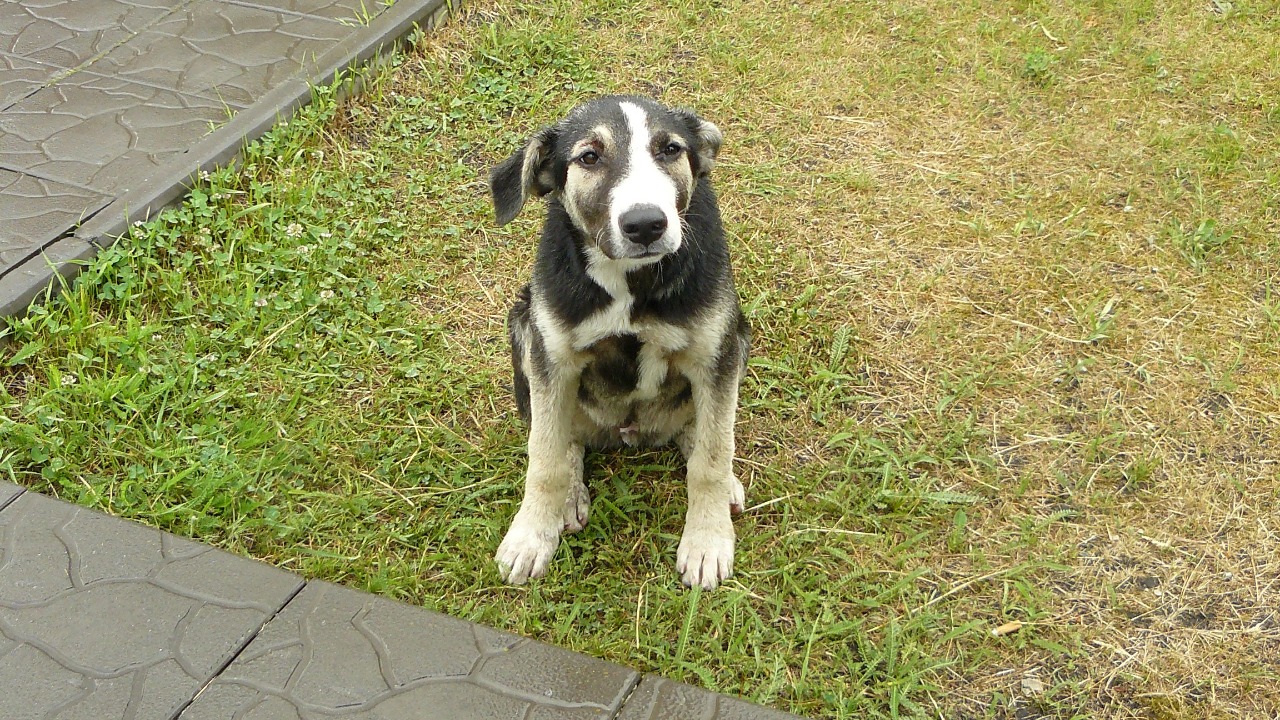
One of the most intriguing aspects of the Chernobyl dogs is the role of radiation in accelerating genetic mutations. Radiation can cause changes in DNA, and in the case of these dogs, it appears to be driving rapid evolution. Recent studies have revealed significant genetic differences between the Chernobyl dogs and their counterparts from non-contaminated areas. These differences suggest that radiation exposure is influencing their genetic makeup in ways that could lead to new adaptations.
The changes observed in the DNA of Chernobyl’s dogs may provide crucial insights into the mechanisms of genetic adaptation. Researchers have discovered mutations that could be linked to improved survival rates, such as alterations in genes responsible for handling oxidative stress and repairing DNA damage. These findings highlight the potential for rapid evolution in response to environmental stressors, offering a window into the processes that drive genetic adaptation in other species subjected to similar conditions.
Implications for Evolutionary Biology

The study of Chernobyl’s dogs presents a unique opportunity to understand the pace and nature of genetic adaptation. In environments subjected to extreme stressors, such as radiation, organisms must adapt quickly to survive. The dogs of Chernobyl exemplify this rapid evolutionary response, providing a living model for researchers to examine how genetic changes occur over relatively short time frames. This research could have broader implications for evolutionary biology, shedding light on how species might respond to other forms of environmental change, such as climate shifts or habitat destruction.
Moreover, the insights gained from studying these dogs could inform conservation strategies for wildlife in contaminated areas. By understanding the genetic adaptations that have enabled the Chernobyl dogs to thrive, scientists can develop strategies to protect and preserve other species facing similar challenges. This knowledge could also aid in the management of wildlife populations exposed to human-induced environmental changes, ensuring their survival in increasingly altered ecosystems.
Challenges and Ethical Considerations

Conducting research on animals in radioactive environments like Chernobyl’s exclusion zone presents a host of ethical dilemmas. Researchers must balance the pursuit of scientific knowledge with considerations for animal welfare and conservation. The potential risks to the animals, as well as the broader ecological impacts of research activities, must be carefully weighed against the benefits of the insights gained.
Additionally, the broader implications of human-induced environmental changes on wildlife evolution cannot be ignored. As we continue to alter the planet’s ecosystems, understanding how these changes affect the genetic makeup and survival of species is crucial. The Chernobyl dogs provide a poignant example of the resilience of life in the face of adversity, but they also serve as a reminder of the lasting impacts of human actions on the natural world.
The Future of Chernobyl’s Canine Population

Looking ahead, the future of Chernobyl’s canine population remains uncertain. While the dogs continue to thrive and evolve, the long-term ecological impacts within the exclusion zone and beyond are still not fully understood. Ongoing research is essential to monitor the continued evolution of these dogs and assess the potential consequences for the local ecosystem.
The insights gained from studying the Chernobyl dogs may also influence policy and public perception of nuclear disaster sites. By understanding the adaptability and resilience of life in these environments, we can better evaluate the risks and benefits of repopulating or redeveloping such areas. As we continue to explore the impacts of radiation on living organisms, the lessons learned from Chernobyl’s dogs could inform our approach to managing other contaminated sites around the world.
Ultimately, the story of Chernobyl’s dogs is one of resilience and adaptation in the face of adversity. These animals, living in the shadow of a nuclear disaster, offer a unique perspective on the power of evolution and the potential for life to thrive in even the most challenging environments. As research continues, we are likely to uncover even more insights into the complex interplay between genetics, environment, and survival, deepening our understanding of the natural world and our place within it.
