The discovery of Celtic artifacts has unveiled a remarkable level of sophistication in ancient smithing techniques. These findings shed light on the advanced metalworking skills possessed by the Celts, challenging previous assumptions about their technological capabilities.
The Historical Context of Celtic Smithing
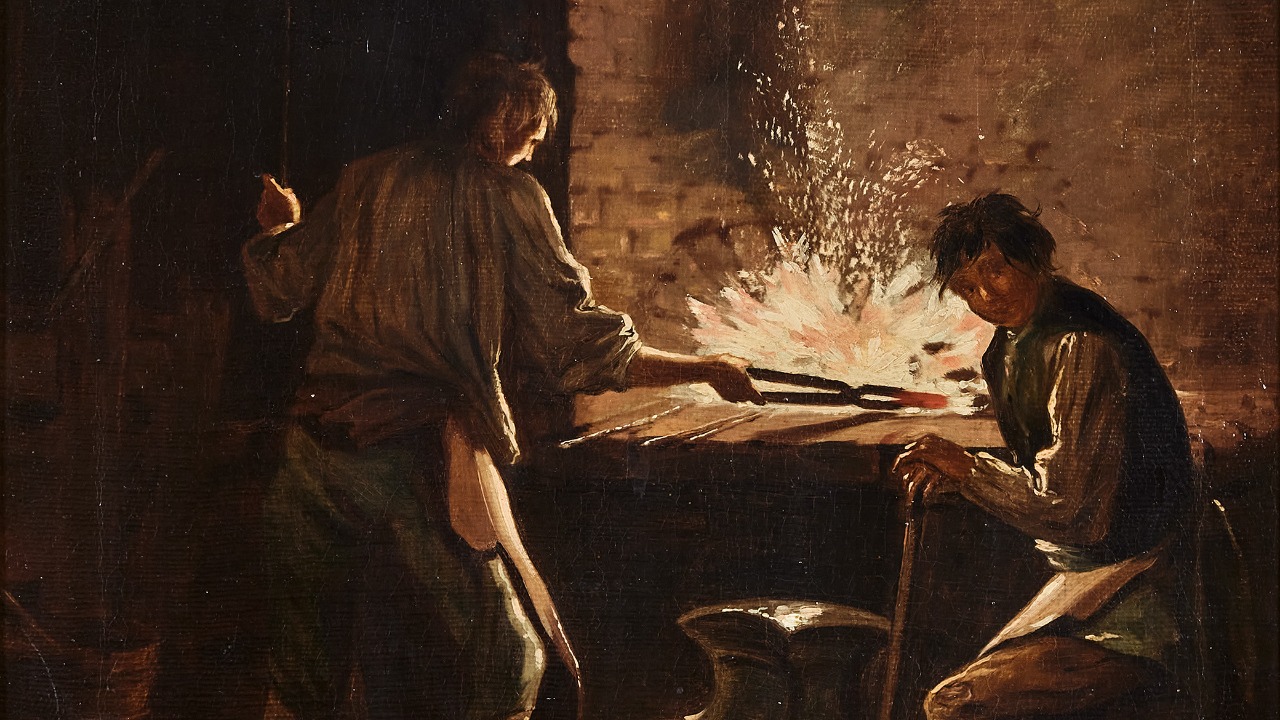
Understanding the historical context of Celtic smithing is crucial to appreciating the sophistication of their metalworking techniques. The Celts were a diverse group of tribal societies in Iron Age and Medieval Europe, known for their warrior culture and vibrant art. Their metalworking evolved within a complex societal and cultural backdrop, where blacksmiths held a significant role. They were not only artisans but were also seen as wielders of almost magical skills, transforming raw metal into weapons, tools, and ornaments. This elevated status reflects the importance of their craft in Celtic society.
Comparatively, Celtic metalworkers were on par with, if not more advanced than, their contemporaries in other parts of Europe. While civilizations like the Romans and Greeks are often credited with superior technological achievements, the intricate metalwork of the Celts suggests a level of skill that rivals these cultures. The Celts’ ability to work with iron, a notoriously challenging material, speaks to their innovative spirit and technical prowess. This is further highlighted by the unique designs and techniques that set Celtic metalwork apart, such as the La Tène style, which is characterized by its flowing, curvilinear patterns.
Technological Innovations in Celtic Metalwork
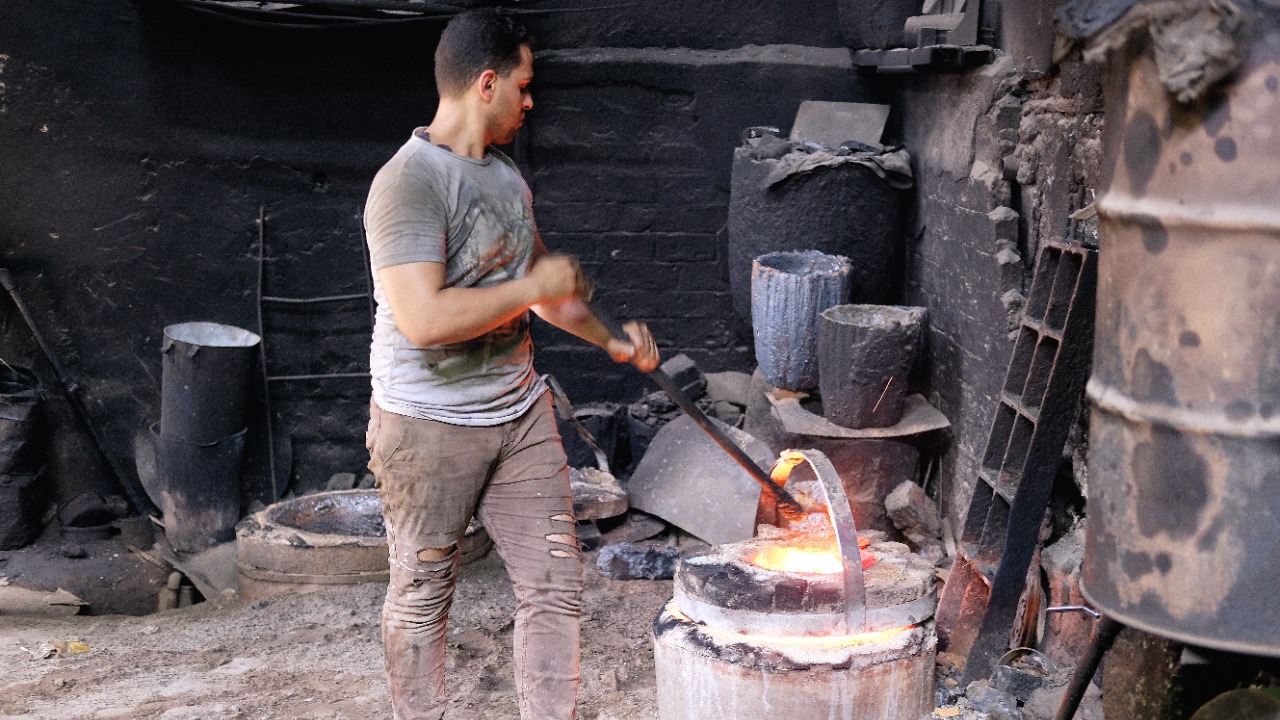
The recent unveiling of Celtic artifacts has provided significant insights into the technological innovations of their metalwork. Among the most fascinating discoveries are tools and weapons that reveal the Celts’ mastery of ironworking. Unlike the softer metals that were predominantly used in earlier periods, iron required more advanced techniques and a deeper understanding of metallurgy. The Celts developed sophisticated methods to smelt and forge iron, allowing them to create high-quality weapons and tools that were both functional and aesthetically pleasing.
Specific tools and methods used by Celtic smiths further underscore their advanced craftsmanship. For example, they employed techniques such as case hardening, where the surface of the iron is infused with carbon to create a harder exterior, a method that demonstrates an understanding of material properties. Additionally, the influence of neighboring cultures and trade played a crucial role in the evolution of Celtic metalworking techniques. The exchange of ideas and materials along trade routes introduced new methods and inspired the unique blending of styles that is evident in many Celtic artifacts.
Significant Artifact Discoveries
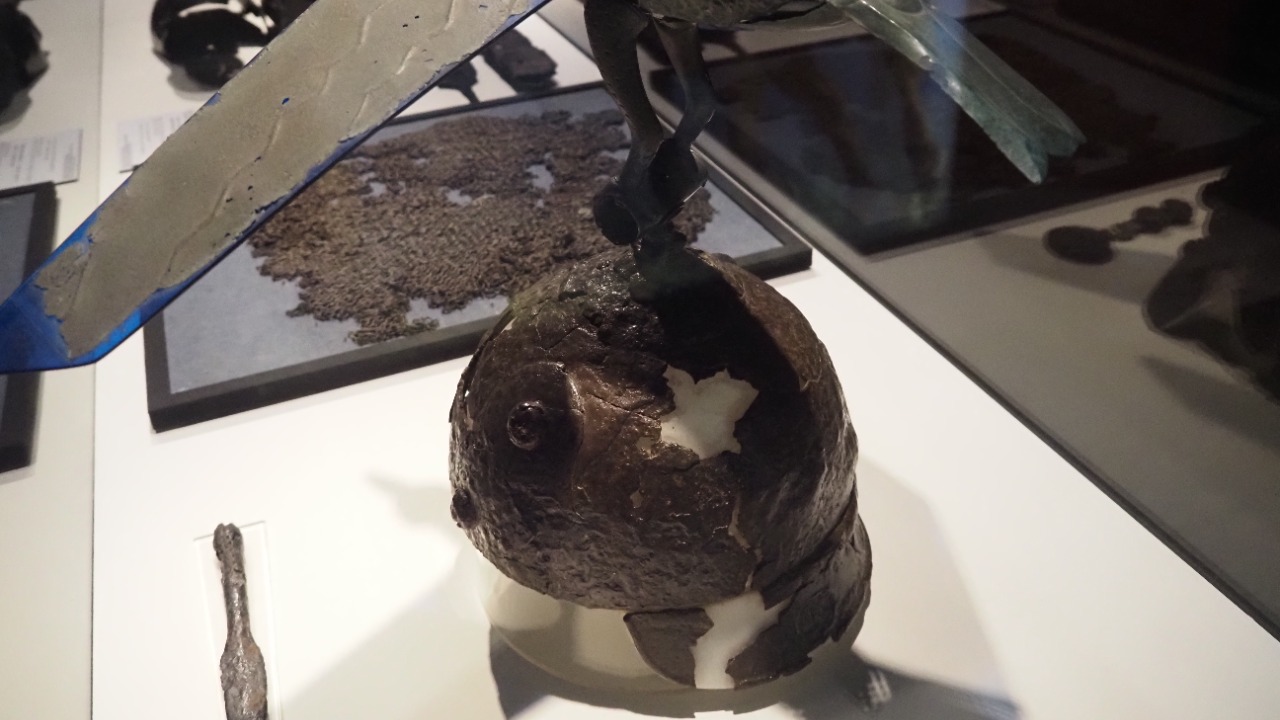
Among the most notable discoveries is the 2,200-year-old Celtic warrior charm, which highlights the sophistication of Celtic metalworking. This artifact is not only a testament to the Celts’ technical skill but also provides insight into their cultural and symbolic world. The charm’s complex design and delicate details suggest that such items were more than mere ornaments; they held significant meaning and were likely used in rituals or as talismans.
Another significant find is the bronze warrior figurine discovered in Manching, Germany. This artifact is a remarkable example of Celtic artistry and metalworking skill. Its intricate detailing and lifelike representation provide valuable insights into the Celts’ artistic capabilities and their understanding of human anatomy. The broader archaeological significance of these discoveries lies in their ability to help reconstruct Celtic history and society, offering a more nuanced understanding of their way of life and their interactions with neighboring cultures.
The Legacy of Celtic Metalworking
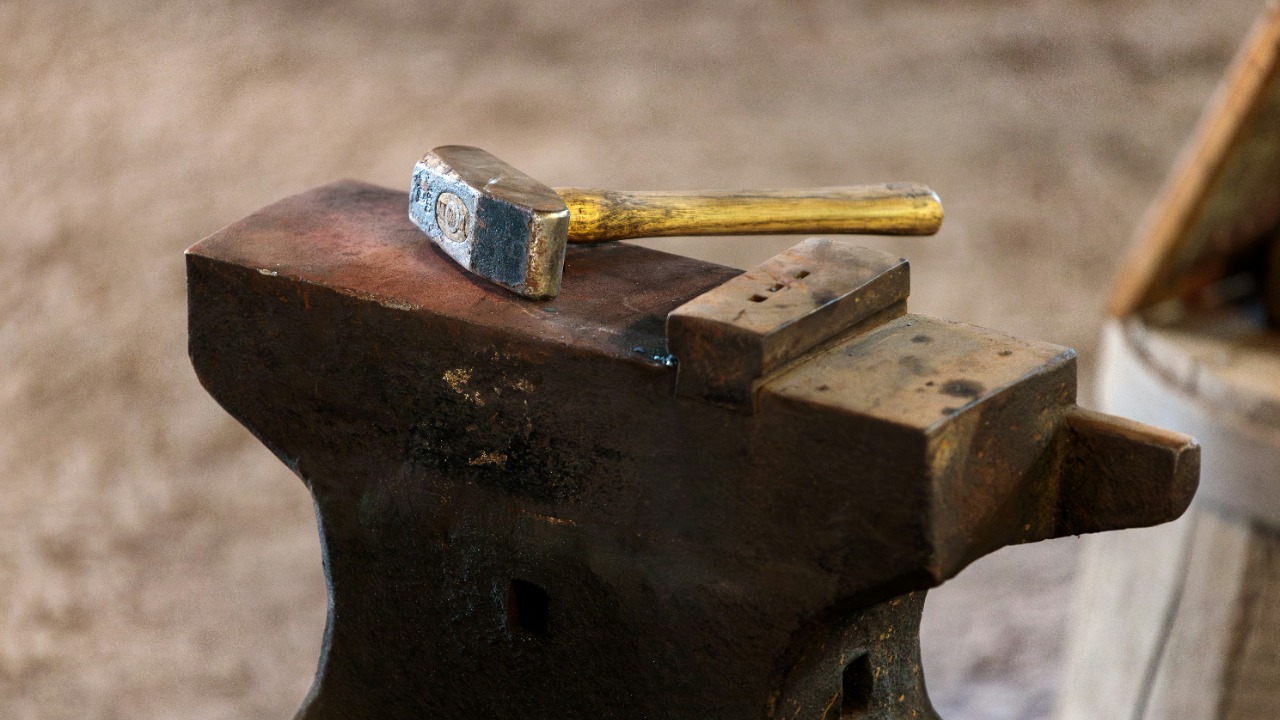
Modern scholars and archaeologists continue to explore the impact of Celtic metalworking on European technological history. The advanced techniques developed by the Celts laid the groundwork for future innovations in metalworking and contributed significantly to the technological landscape of Europe. Their legacy is evident in contemporary metalworking practices, where the influence of Celtic techniques can still be seen in artistic expressions and the design of modern tools and weapons.
Future research holds the potential to further illuminate the legacy of Celtic smithing. As archaeological methods advance and new technologies emerge, there is hope that more discoveries will be made that deepen our understanding of Celtic metalworking. These findings could offer new perspectives on the technological and cultural exchanges that shaped ancient Europe, providing a richer narrative of its historical development.
Challenges and Opportunities in Celtic Archaeology
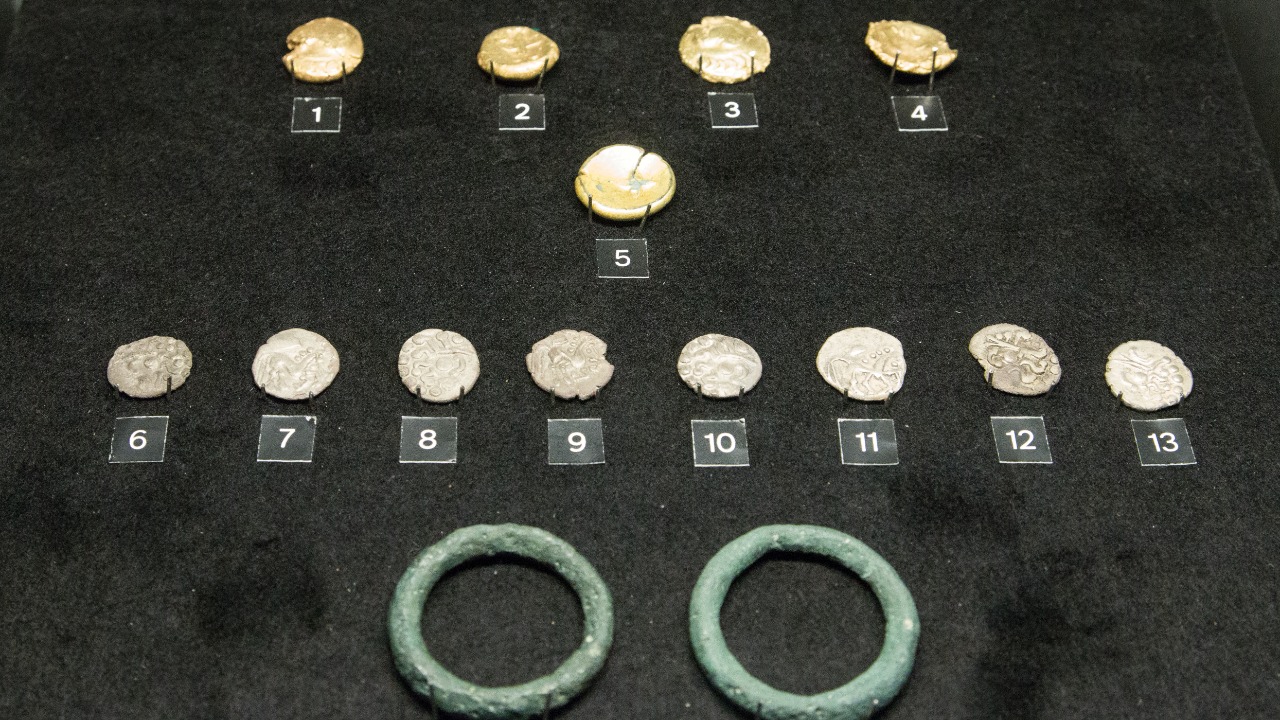
Despite the wealth of information that Celtic artifacts provide, there are numerous challenges in excavating and preserving these delicate items. The fragile nature of ancient metals and the environmental conditions of excavation sites can pose significant risks to the integrity of these artifacts. However, collaborative efforts among archaeologists, conservators, and scientists are making strides in overcoming these challenges. The use of advanced technologies, such as 3D imaging and non-invasive analysis, is aiding in the study and interpretation of Celtic metalworking, allowing for more accurate reconstructions and analyses.
Public engagement and education about the significance of Celtic metalwork in ancient history present valuable opportunities. Museums and educational institutions can play a pivotal role in bringing these discoveries to a wider audience, fostering a greater appreciation for the technological achievements of the Celts. By showcasing the artistry and ingenuity of Celtic metalworking, these efforts can inspire future generations of researchers and enthusiasts to continue exploring the rich history of this fascinating culture.
