In a significant shift in pandemic policy, the Centers for Disease Control and Prevention (CDC) panel has recently concluded its universal Covid vaccine recommendation. This decision marks a pivotal change in the approach to managing the ongoing Covid-19 pandemic.
Overview of the CDC Panel’s Decision

The panel’s decision to end the universal vaccine recommendation comes at a time when vaccine availability is widespread, and the pandemic appears to be in a more controlled state. This decision does not imply that vaccination is no longer necessary, but instead suggests that a more targeted approach may now be appropriate. The panel’s decision reflects the evolving understanding of Covid-19 and the effectiveness of vaccines. For a more detailed look at the decision, you can check this Washington Post report.
Key factors driving this decision include the current state of the pandemic, with decreasing case numbers, and the widespread availability of vaccines. The CDC panel’s decision also reflects a growing body of research suggesting that a one-size-fits-all approach may not be the most effective strategy for managing the pandemic going forward.
Implications of The Decision on Public Health

The decision to end the universal vaccine recommendation has significant implications for public health strategy. A shift away from a universal approach may allow for more targeted strategies that focus on high-risk groups, potentially improving the effectiveness of vaccination campaigns. However, this decision also carries potential risks. If not handled carefully, it could lead to confusion and decreased vaccine uptake among the public.
From a public health perspective, targeted vaccination strategies can be highly effective when implemented correctly. However, they require robust data collection and surveillance infrastructures to ensure that those most at risk are identified and reached. For a deeper dive into the potential risks and benefits of this decision, this JAMA Network article provides some insightful analysis.
Understanding the Role of the CDC Panel
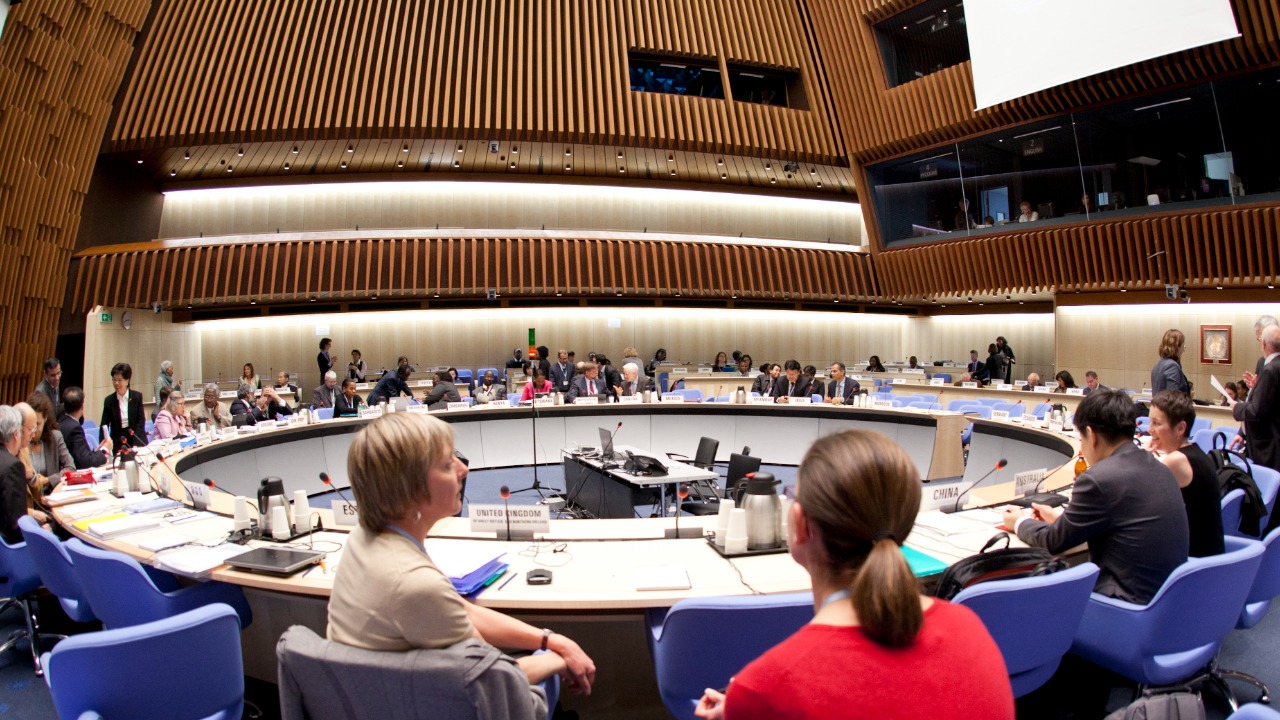
The CDC panel plays a crucial role in shaping national health policy. Comprising medical and public health experts, the panel’s function is to review the latest research and make recommendations based on the best available evidence. For example, the panel has previously made similar decisions regarding other vaccines, such as the Hepatitis B vaccine, as reported in this ABC News article.
The panel’s decision-making process involves careful consideration of the current scientific understanding of the disease in question, as well as the effectiveness and availability of vaccines. The panel’s recommendations then inform national health policy, shaping the approach to managing public health crises such as the Covid-19 pandemic.
Public and Expert Reaction to the Decision

Reactions to the panel’s decision have been varied. Some have welcomed the move towards a more nuanced approach to vaccination, while others have raised concerns about potential confusion and decreased vaccine uptake. There are worries that ending the universal recommendation may lead to a perception that vaccination is no longer important, potentially undermining public health efforts to control the pandemic.
Health professionals and organizations have also weighed in on the decision. While some experts see this as a logical step given the current state of the pandemic and the availability of vaccines, others caution that the success of a targeted strategy will depend on effective implementation and clear communication. Bloomberg’s coverage on the topic provides a comprehensive overview of expert reactions.
What This Means for Future Vaccine Recommendations

The end of the universal vaccine recommendation could have significant implications for future vaccine strategies. It signals a potential shift towards more targeted vaccination campaigns that focus on high-risk groups rather than the general population. However, the success of such strategies will depend on robust data collection and surveillance infrastructures to accurately identify those most at risk.
Whether this shift will become the norm for future vaccine recommendations remains to be seen. The feasibility of a targeted strategy will largely depend on the nature of the disease and the vaccine’s effectiveness. This Frontiers in Public Health article explores the potential and challenges of targeted vaccination strategies in more detail.
