When a spelunker stumbled upon what appeared to be discarded trash in a remote cave, she was initially dismayed. However, further examination revealed that this “trash” was actually remnants from a long-lost civilization, offering a window into a forgotten past and igniting a frenzy of archaeological interest.
The Accidental Discovery
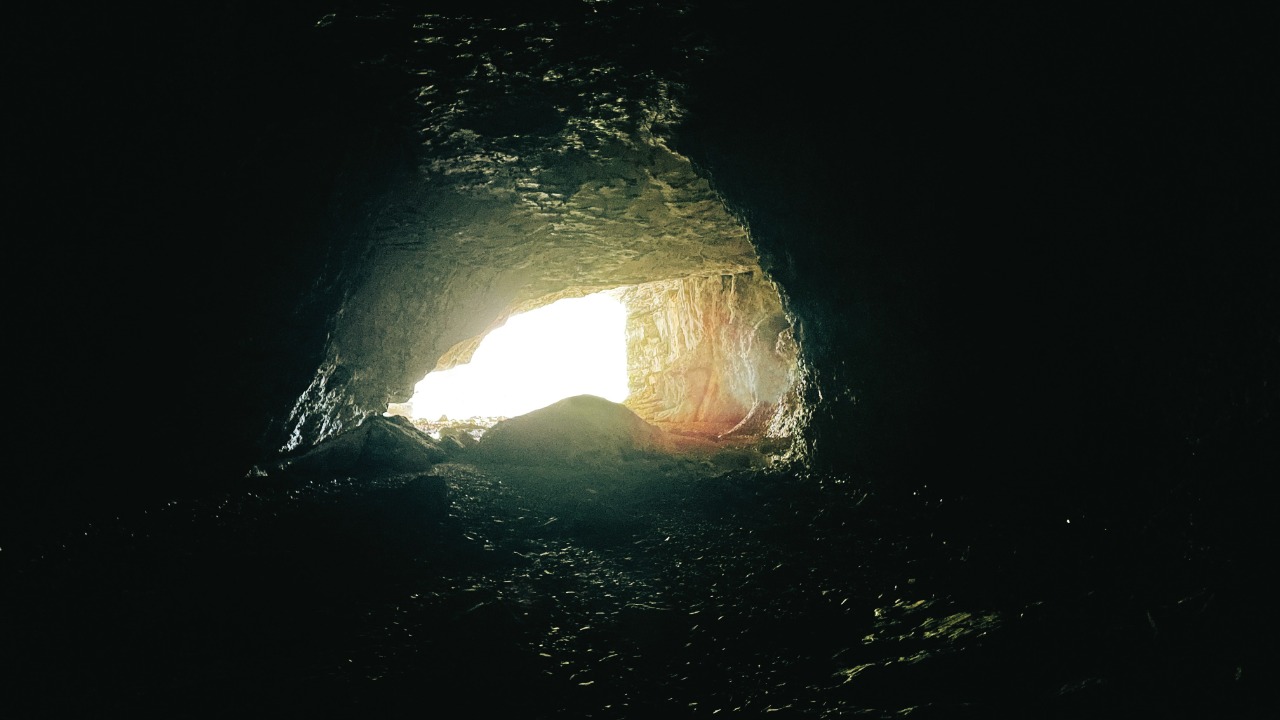
Our story begins with an adventurous spelunker, whose passion for exploring the hidden wonders of the earth led her to a remote cave that had long been overlooked by others. With years of experience under her belt, she was well-versed in navigating the treacherous terrain of subterranean landscapes. Her motivation was simple: to uncover the unseen beauty of the natural world. This particular cave, nestled in a region known for its rich geological formations, promised to be a thrilling exploration.
Upon entering the cave, she was greeted by a surprising sight: what appeared to be a pile of rubbish scattered across the floor. At first glance, the objects seemed mundane—broken pottery, weathered tools, and pieces of fabric. The dim lighting and dusty conditions contributed to the illusion of discarded trash. However, the spelunker’s curiosity got the better of her, and she began to examine the items more closely. It was then that she noticed peculiar markings on some of the pottery shards, and the craftsmanship of the tools hinted at something far more significant than mere refuse.
The turning point came when she stumbled upon an intricately carved artifact half-buried in the cave’s floor. The quality of the craftsmanship and the unfamiliar symbols etched into the surface suggested a cultural and historical significance that could not be ignored. This discovery compelled her to contact local archaeologists, setting in motion a chain of events that would unveil a long-lost civilization.
Unveiling the Lost Civilization

The civilization suspected to have inhabited the cave is believed to be an ancient society that thrived centuries ago. Known for its unique cultural practices and advanced craftsmanship, this civilization left behind few traces of its existence, making every discovery crucial to piecing together its history. The artifacts discovered in the cave, once dismissed as trash, are now seen as invaluable clues that could shed light on their way of life and societal organization.
Among the key artifacts unearthed were finely crafted pottery, tools that indicated advanced metalworking skills, and remnants of textiles that hinted at a complex social structure. These objects, initially overlooked, are now central to understanding the daily lives of a people whose legacy had seemingly vanished. The pottery, with its intricate designs, suggests a rich artistic tradition, while the tools reveal a society proficient in agriculture and hunting.
Archaeologists utilized several methodologies to verify and date these artifacts, including carbon dating, which helped establish a timeline for the civilization’s existence. Material analysis provided insights into the resources available to them, while historical context placed these findings within the broader narrative of human development in the region. This interdisciplinary approach was essential in transforming what was once thought of as mere rubbish into a treasure trove of historical knowledge.
The Archaeological Process
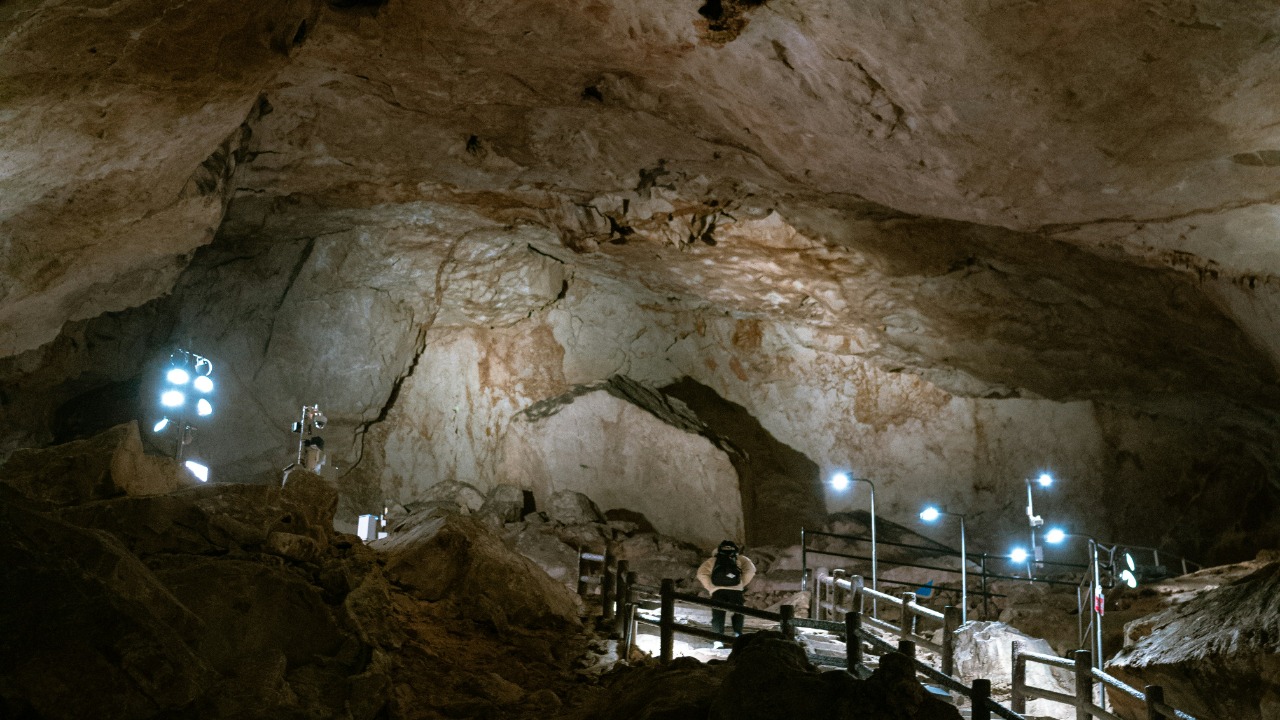
The excavation of the cave presented numerous challenges for the archaeological team. The remote location and the cave’s rugged terrain required careful planning and coordination. Environmental conditions within the cave, such as humidity and temperature fluctuations, posed additional hurdles, necessitating specialized equipment and techniques to preserve the fragile artifacts. Despite these obstacles, the team remained committed to uncovering the secrets hidden within the cave’s depths.
Interdisciplinary collaboration was crucial in this endeavor. Archaeologists, historians, material scientists, and even linguists worked together to unravel the mystery of the lost civilization. Each specialist brought unique expertise to the table, helping to paint a comprehensive picture of the society that once thrived in the region. This collaborative effort not only enhanced the understanding of the artifacts but also highlighted the importance of diverse perspectives in archaeological research.
As with any archaeological discovery, ethical considerations played a significant role in the process. The team was mindful of balancing scientific inquiry with cultural respect, ensuring that the artifacts were handled with care and that any findings were shared with the local community. The display and preservation of these items were carefully planned to honor the legacy of the people who created them, while also providing educational opportunities for the public.
Implications of the Discovery
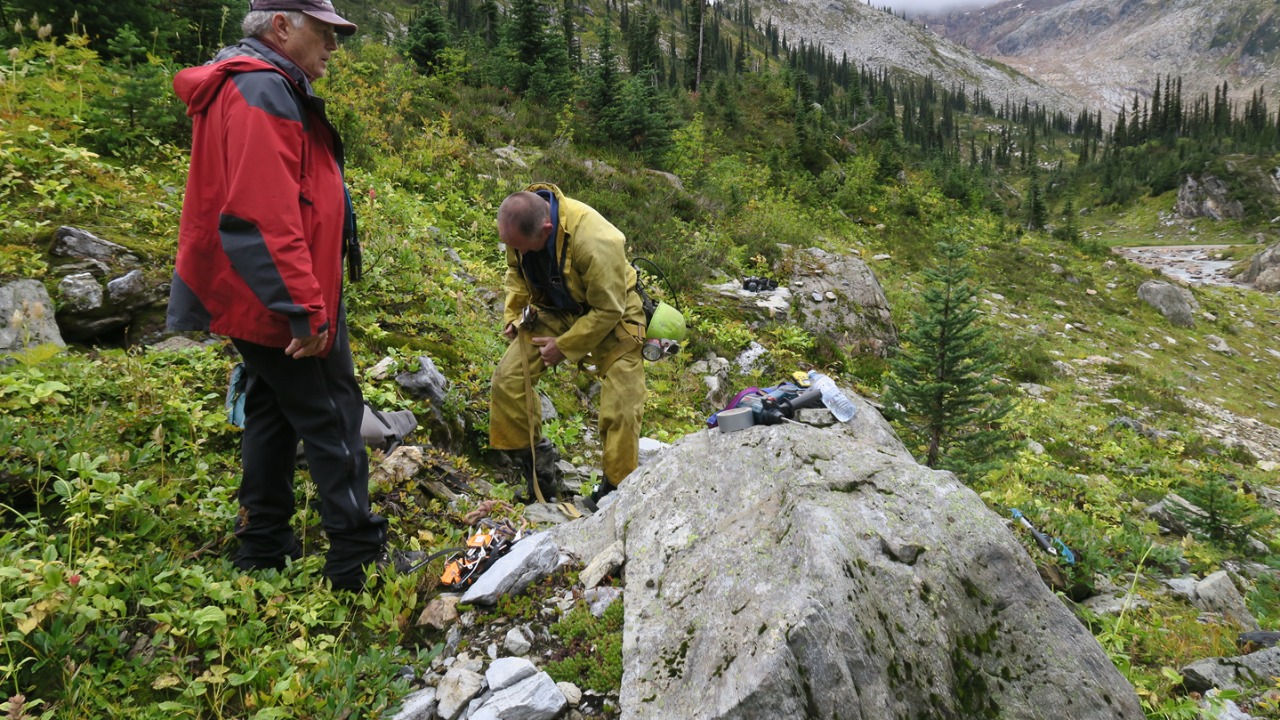
The discovery of this lost civilization has the potential to redefine historical timelines and cultural narratives. By uncovering evidence of an advanced society that once inhabited the region, researchers can better understand the evolution of human settlement and trade networks. This new information challenges previously held assumptions about the area’s history and offers fresh insights into the cultural exchanges that occurred between ancient societies.
For the archaeological community, this discovery has been a source of inspiration, encouraging further exploration in regions that may hold similar secrets. The finding has sparked interest in re-examining other caves and remote locations, where remnants of past civilizations might still be waiting to be uncovered. The story of this accidental discovery has captivated the public’s imagination, drawing attention to the importance of archaeology in understanding our shared human heritage. Media coverage and public interest have highlighted the excitement and intrigue that come with each new discovery, underscoring the enduring appeal of uncovering the past.
Publications such as Popular Mechanics have covered similar finds that ignite the curiosity of readers worldwide. The media’s portrayal of such discoveries plays a crucial role in shaping public perceptions of archaeology and its impact on our understanding of history.
Future Explorations and Discoveries
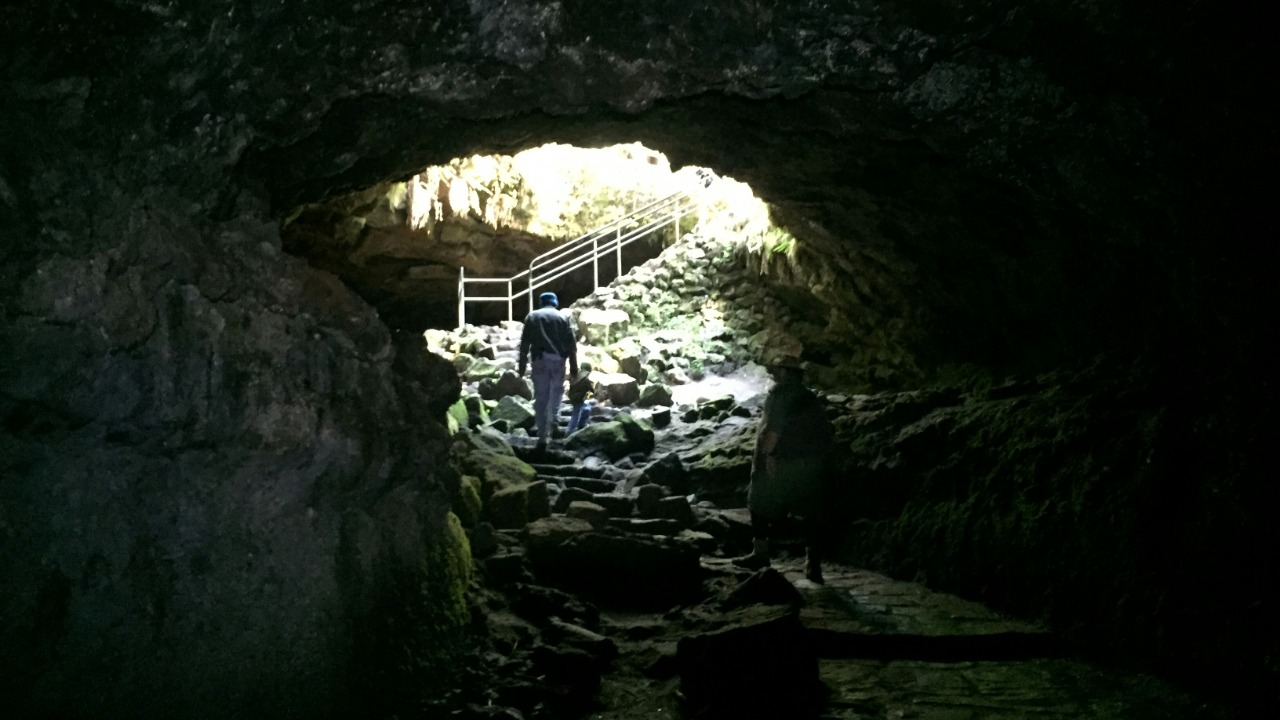
The potential for additional discoveries in the cave and its surrounding areas remains high, with researchers eager to continue their investigations. The initial findings have laid the groundwork for future expeditions, as scientists aim to uncover more artifacts and gain deeper insights into the civilization’s history and development. Researchers hope to identify further evidence of the society’s cultural practices, trade connections, and technological advancements.
Technological advancements are set to play a pivotal role in aiding future explorations. New tools and techniques, such as advanced imaging technologies and non-invasive excavation methods, promise to enhance the efficiency and accuracy of archaeological investigations. These innovations will allow researchers to explore previously inaccessible areas and gain a more comprehensive understanding of the past.
The ongoing quest to piece together humanity’s past is a never-ending journey, with each discovery adding a new layer to our understanding of human history. This latest find is a reminder of the complex and interconnected nature of ancient societies, and how even the smallest piece of evidence can significantly impact the larger puzzle of our past. The story of this lost civilization is just one chapter in the ever-evolving narrative of human existence, and it serves as a testament to the enduring curiosity and resilience of those who seek to uncover the mysteries of our ancestors.
