In a remote cave in Mexico, a spelunker’s curiosity led to an unexpected discovery. What initially appeared to be discarded trash turned out to be a trove of 500-year-old artifacts from a little-known ancient culture. This find, detailed in recent archaeological reports, provides evidence of a previously undocumented civilization that used the cave for rituals or daily activities centuries ago. The artifacts, including pottery and tools, challenge assumptions about the region’s pre-Columbian history and suggest the potential for more hidden chambers to yield similar secrets.
The Spelunker’s Unexpected Discovery
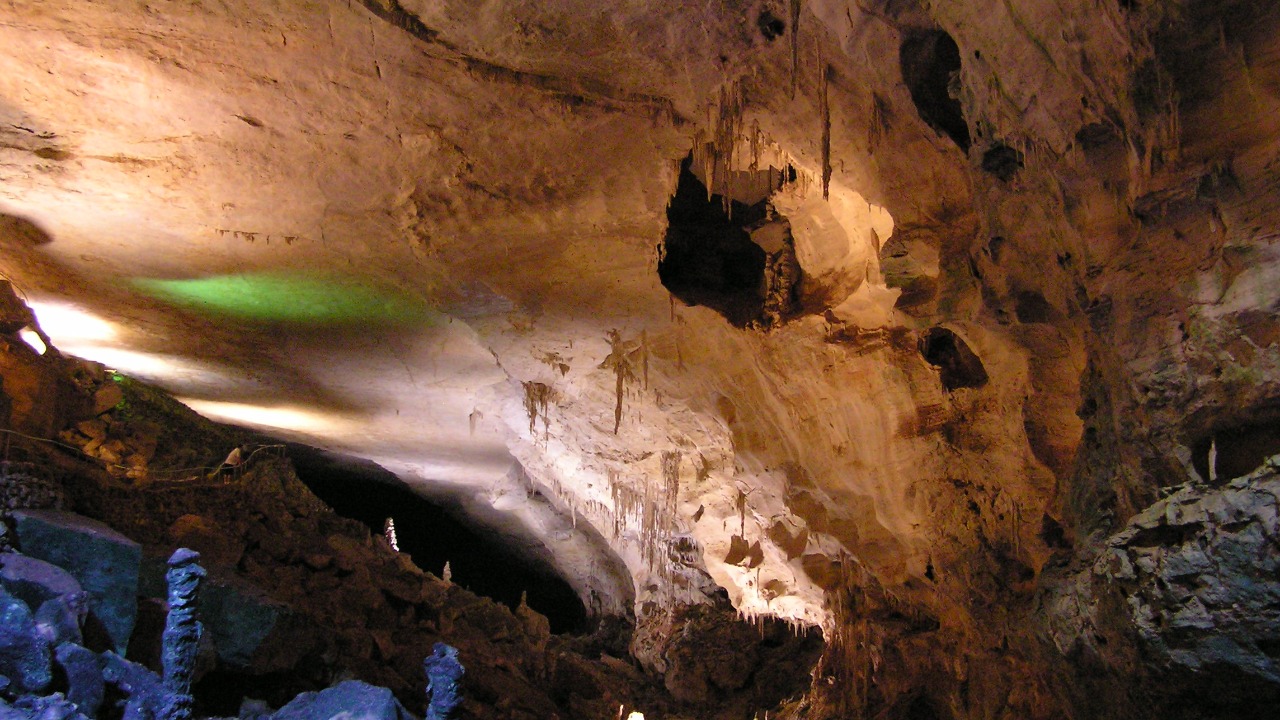
During her exploration of the Mexican cave, the spelunker was intrigued by scattered items deep within a chamber. Their weathered appearance and location led her to initially perceive them as modern trash. However, upon closer inspection, she sensed that these objects might hold historical significance and decided to contact experts for further examination (source).
When archaeologists examined the “trash,” they identified it as 500-year-old artifacts such as pottery shards and stone tools from an obscure culture. This revelation underscored the importance of the spelunker’s decision to preserve the site for further study. Her background as an amateur explorer and her curiosity had led to a significant archaeological discovery (source).
Details of the Cave Site
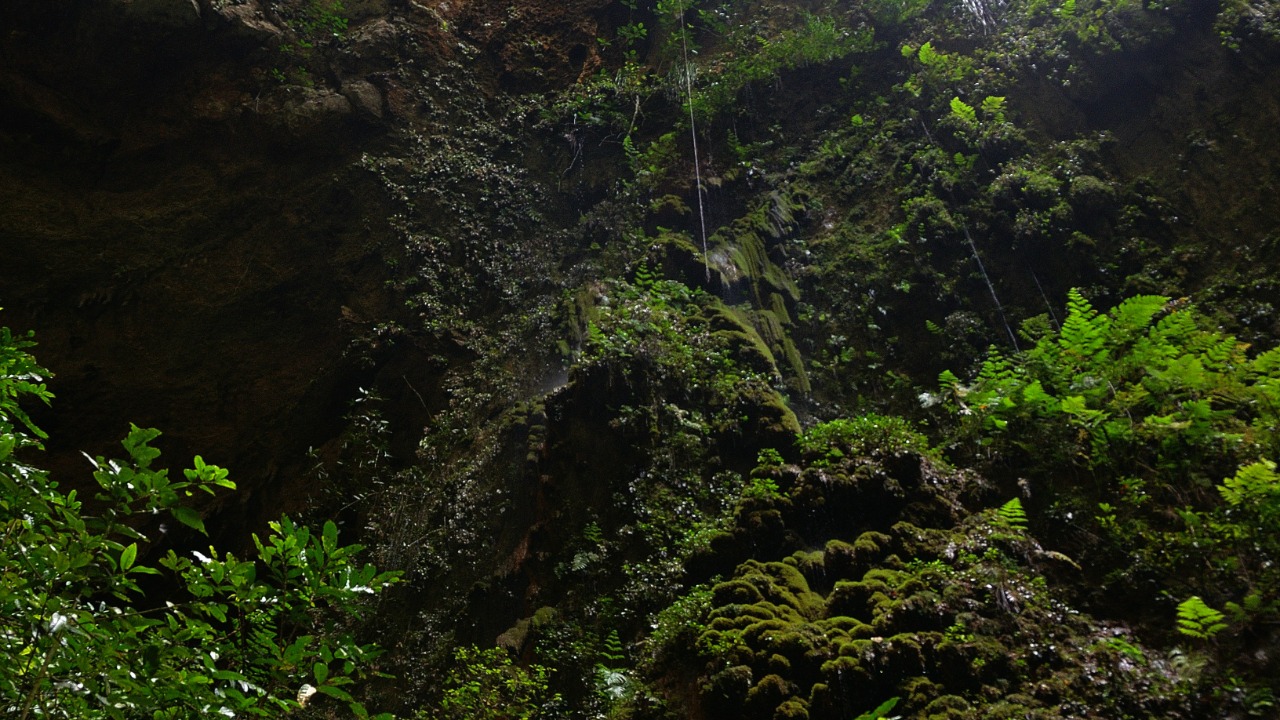
The cave is located in a remote region of Mexico, and its hard-to-access nature likely protected the artifacts for centuries. The chamber’s depth and environmental conditions mimicked a trash heap, preserving both organic and inorganic remains. These conditions, while initially misleading, ultimately contributed to the preservation of the artifacts (source).
Initial surveys of the site suggested that the cave’s structure was used intentionally by the ancient culture. Whether for shelter or ceremonies, the cave served a significant purpose for this civilization. The layout and features of the chamber provided clues to its past usage, offering a glimpse into the lives of its ancient inhabitants (source).
Identification of the Artifacts
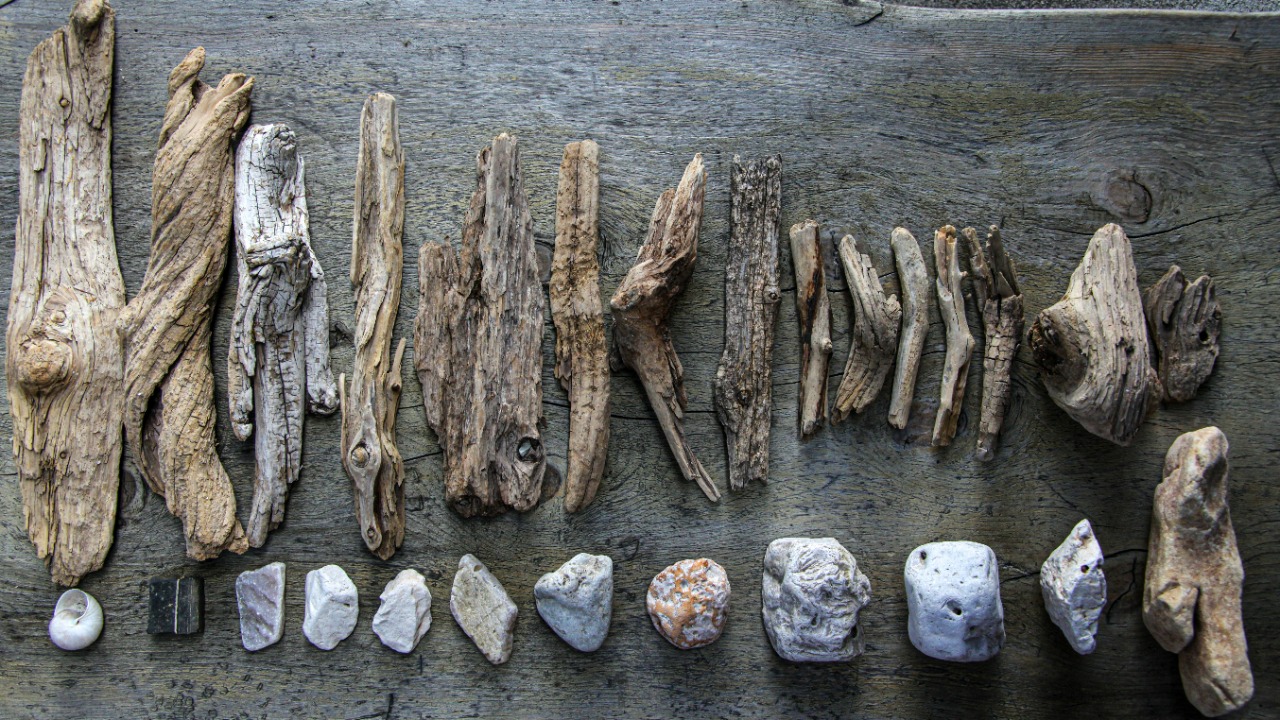
Authenticating the artifacts involved a meticulous process. Carbon dating confirmed the items as 500 years old, linking them to a little-known pre-Columbian culture in Mexico. This authentication process was crucial in establishing the historical significance of the find (source).
The artifacts recovered included fragmented ceramics and lithic tools, initially mistaken for debris. Expert analysis techniques, such as microscopic examination and chemical testing, linked the finds to ritualistic or utilitarian practices. These artifacts provided a tangible connection to the past, offering insights into the daily lives and practices of this ancient culture (source).
The Lost Culture Behind the Finds
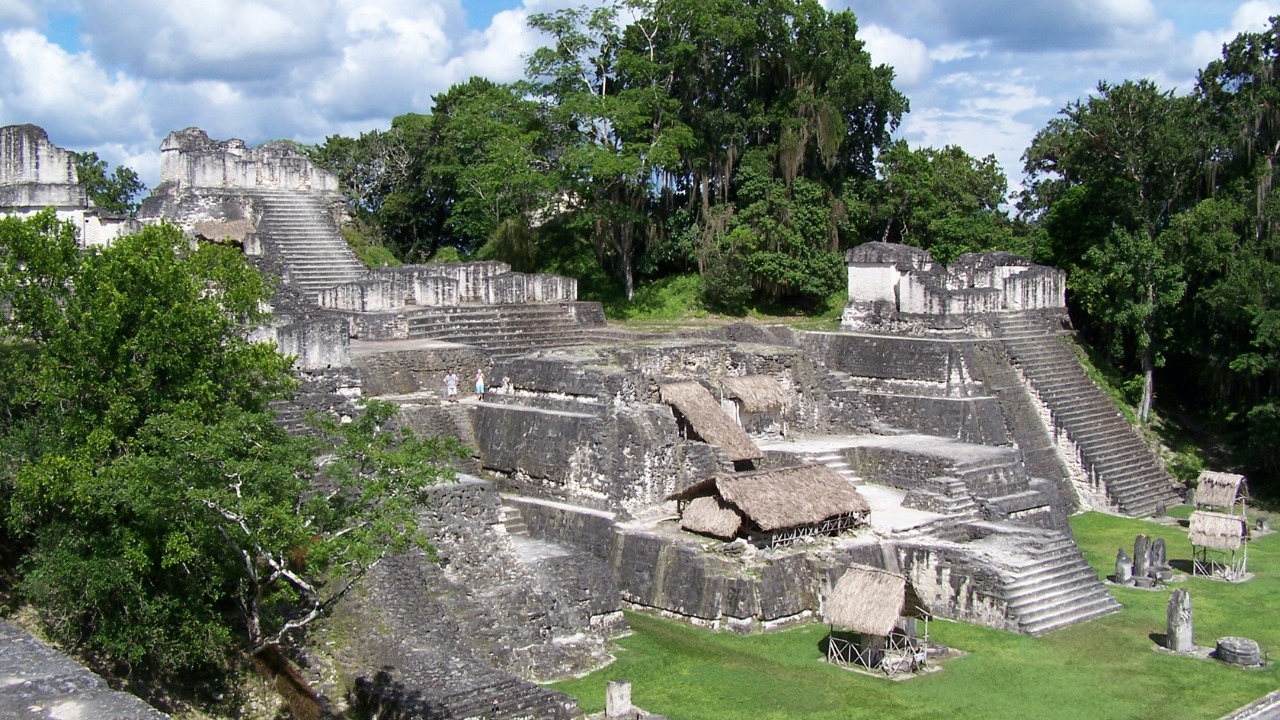
The culture associated with the artifacts is little-known, with its obscurity in historical records adding to the intrigue. The artifacts suggest potential ties to broader Mesoamerican groups around 500 years ago. This discovery has opened up new avenues for research into this civilization and its place in history (source).
Evidence from the artifacts suggests the culture’s use of the cave for community activities. Patterns in tool distribution and material composition indicate a structured society with specialized crafts. These preliminary theories on the culture’s societal structure provide a fascinating glimpse into their way of life (source).
Archaeological Significance and Challenges
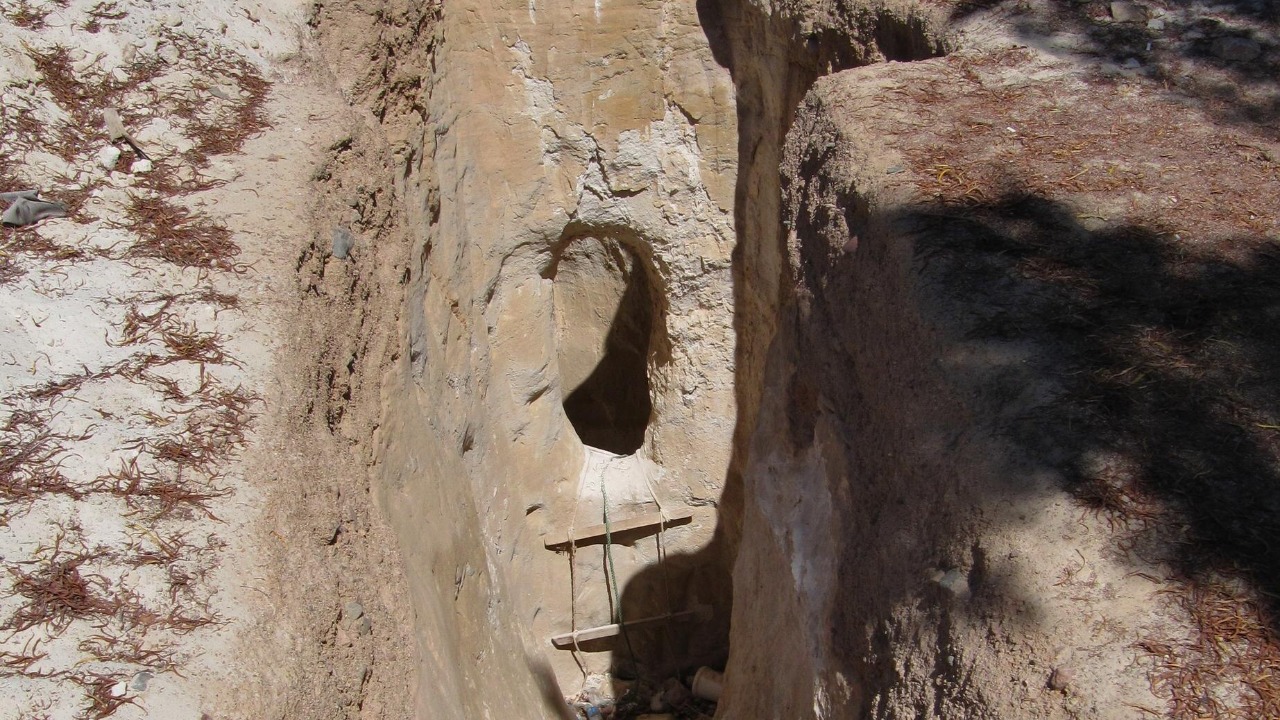
This discovery reshapes our understanding of Mexico’s cave-dwelling civilizations. The 500-year-old timeline aligns with post-classic periods, challenging previous assumptions about the region’s history. The find underscores the importance of archaeological exploration in remote and difficult-to-access locations (source).
Preservation challenges faced by the team included the cave’s humidity and the risk of contamination from the initial “trash” misidentification. However, collaborative efforts between local archaeologists and international experts have helped document and protect the site from looting, ensuring the preservation of this significant archaeological find (source).
Future Research and Broader Implications
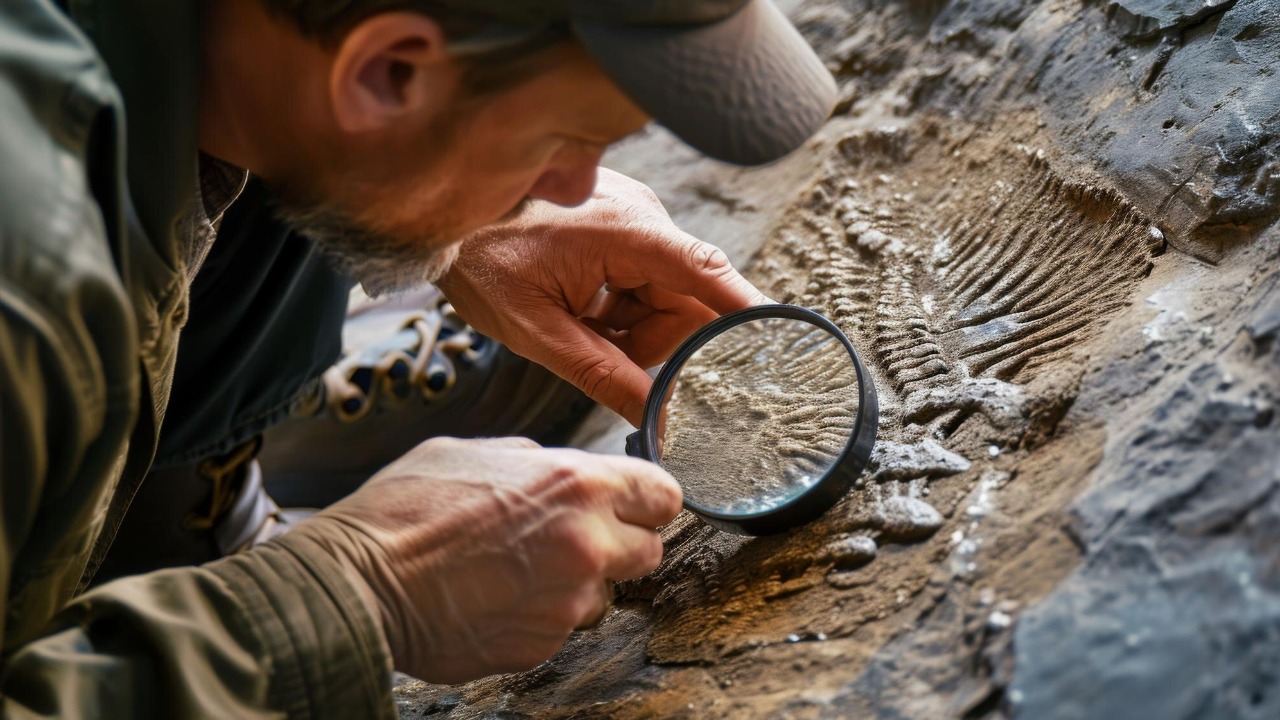
Planned excavations in the Mexican cave chamber aim to uncover more about the little-known culture’s extent and interactions. These future research efforts could potentially link the 500-year-old artifacts to undocumented migrations or trade networks, reshaping our understanding of regional history (source).
The spelunker’s contribution underscores the role of citizen science in modern archaeology. Her discovery has led to calls for increased public reporting of similar finds, highlighting the potential of amateur explorers in uncovering hidden historical treasures (source).
