When it comes to choosing a new car, fuel economy is often a top consideration for consumers. However, not all fuel economy ratings live up to their promises. Here, I delve into five types of vehicles where expectations might not match reality, leaving drivers surprised by their actual fuel consumption.
The Hybrid Mirage

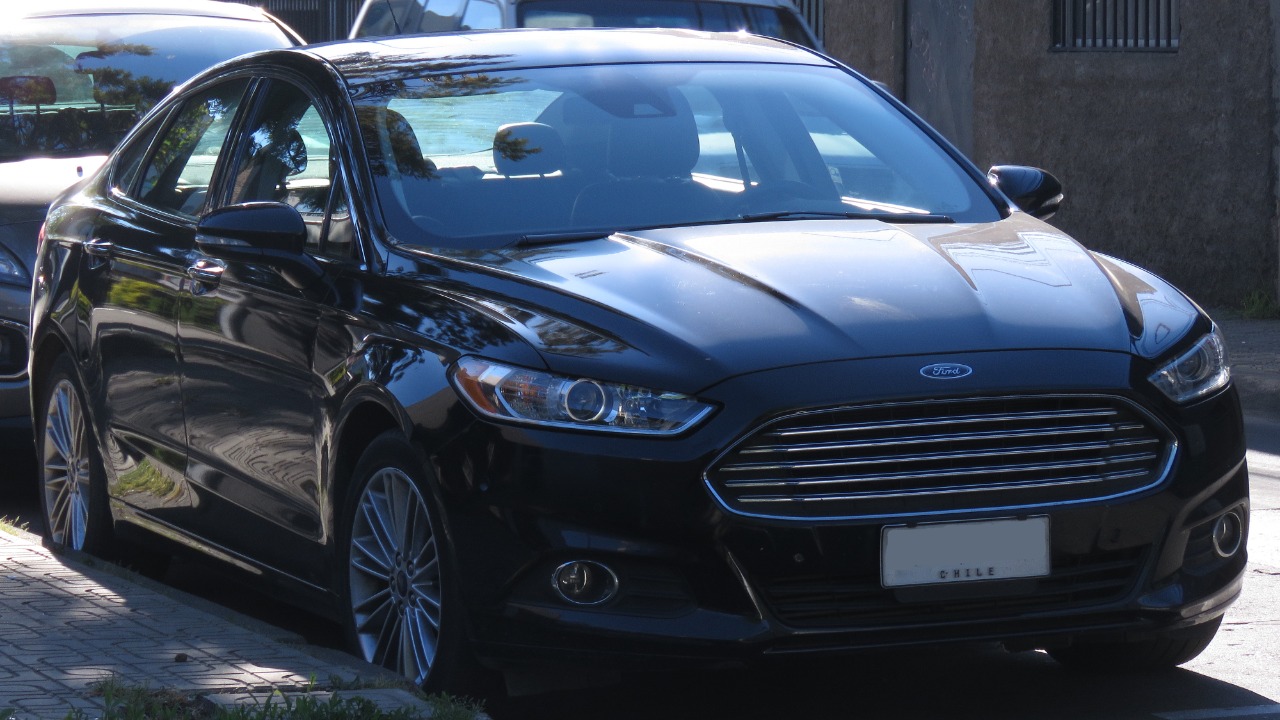
Hybrids have long been touted as the epitome of fuel efficiency, but some models may not deliver the savings drivers expect. Take the 2016 Ford Fusion Hybrid, for example. While it’s marketed with an impressive EPA rating of 42 mpg combined, real-world tests have often shown significantly lower numbers. This discrepancy is partly due to the driving conditions and habits that impact hybrids more than conventional vehicles. It’s crucial for consumers to understand that EPA estimates are just that—estimates.
Hybrids can achieve excellent fuel economy in urban settings where stop-and-go traffic allows them to maximize their electric motor. However, on highways, fuel consumption can increase, making the actual cost savings less significant than anticipated. Drivers should consider their typical driving environment when assessing a hybrid’s potential efficiency.
The Diesel Deception
Diesel engines are often advertised as being more fuel-efficient than their gasoline counterparts. While they do offer advantages like better torque and potentially higher fuel economy, real-world performance can vary. The Volkswagen emissions scandal, also known as Dieselgate, shook consumer confidence in diesel vehicles. It was revealed that many cars were equipped with software that manipulated emissions tests, giving a false impression of efficiency.
Even without deliberate deception, diesel vehicles can fail to achieve their promised fuel economy due to factors such as driving style and load. Consumers should be aware that the fuel economy benefits of diesel engines might not be as substantial as they seem, especially if they are mostly driving short distances or in urban settings.
The Turbo Trap
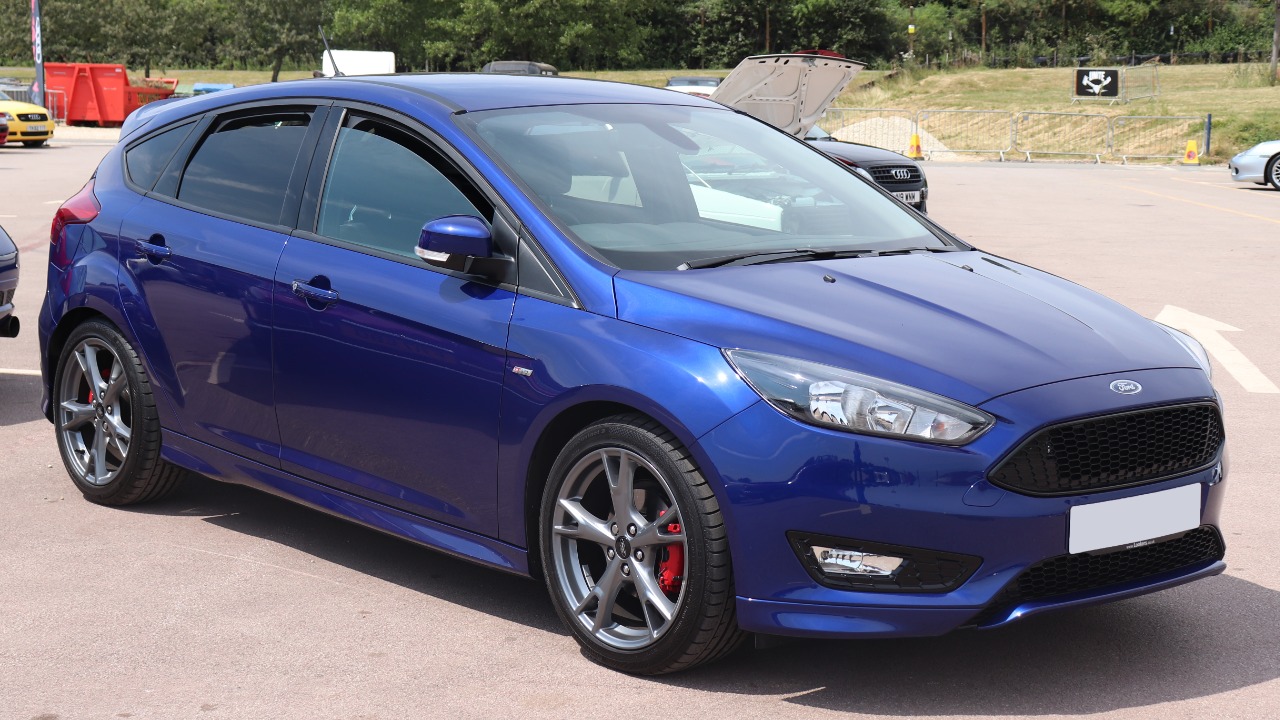
Turbocharged engines promise the best of both worlds: power when you need it and efficiency when you don’t. However, this balance can be difficult to achieve. The 2018 Ford EcoBoost engines, for instance, have been criticized for not living up to their fuel efficiency claims. While turbochargers can indeed improve fuel economy under certain conditions, they can also lead to increased fuel consumption when pushed hard.
Drivers often find themselves using more fuel than expected because turbos encourage a more aggressive driving style. The real-world impact of turbocharging can vary significantly based on how the vehicle is driven, often resulting in fuel economy that falls short of initial expectations.
The Electric Illusion
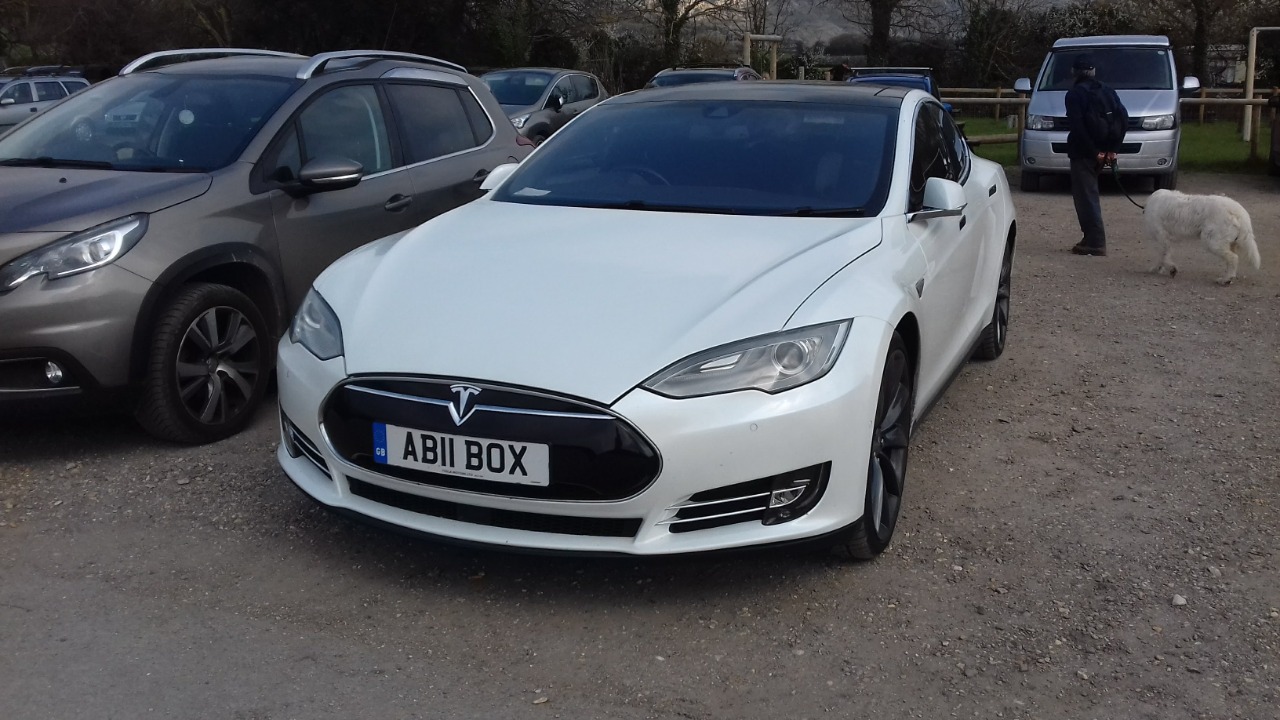
Electric vehicles (EVs) are hailed as the future of eco-friendly driving, but their advertised range and efficiency can sometimes be misleading. The 2020 Tesla Model S claims a range of over 370 miles, yet real-world range can fluctuate due to factors like temperature, driving speed, and use of air conditioning. The discrepancy between advertised and actual range can be significant, leading to unexpected limitations for drivers.
Moreover, the EPA’s mileage ratings for EVs have come under scrutiny, as they don’t always capture the nuances of real-world driving conditions. Consumers should be prepared for range variations and plan their trips accordingly to avoid running low on charge.
The SUV Surprise

SUVs are increasingly popular for their spaciousness and versatility, but they are often not as fuel-efficient as other vehicle types. Despite advancements in technology, many SUVs still fall short of their advertised fuel economy. The 2019 Jeep Cherokee, for instance, claims a combined 25 mpg, yet real-world tests frequently report lower numbers.
This is partly because SUVs are heavier and offer more power, which often translates to higher fuel consumption. Buyers should be cautious and consider their driving habits and needs. The allure of an SUV’s capabilities may be offset by the reality of its fuel consumption, which can be a surprise for those expecting sedan-like efficiency.
