As the world grapples with the escalating climate crisis, the shipping industry is examining the viability of nuclear power for cargo ships. This shift is driven by the urgent need for sustainable energy sources, increased environmental awareness, and the pressing need to reduce greenhouse gas emissions.
The Drive towards Nuclear Power in the Shipping Industry
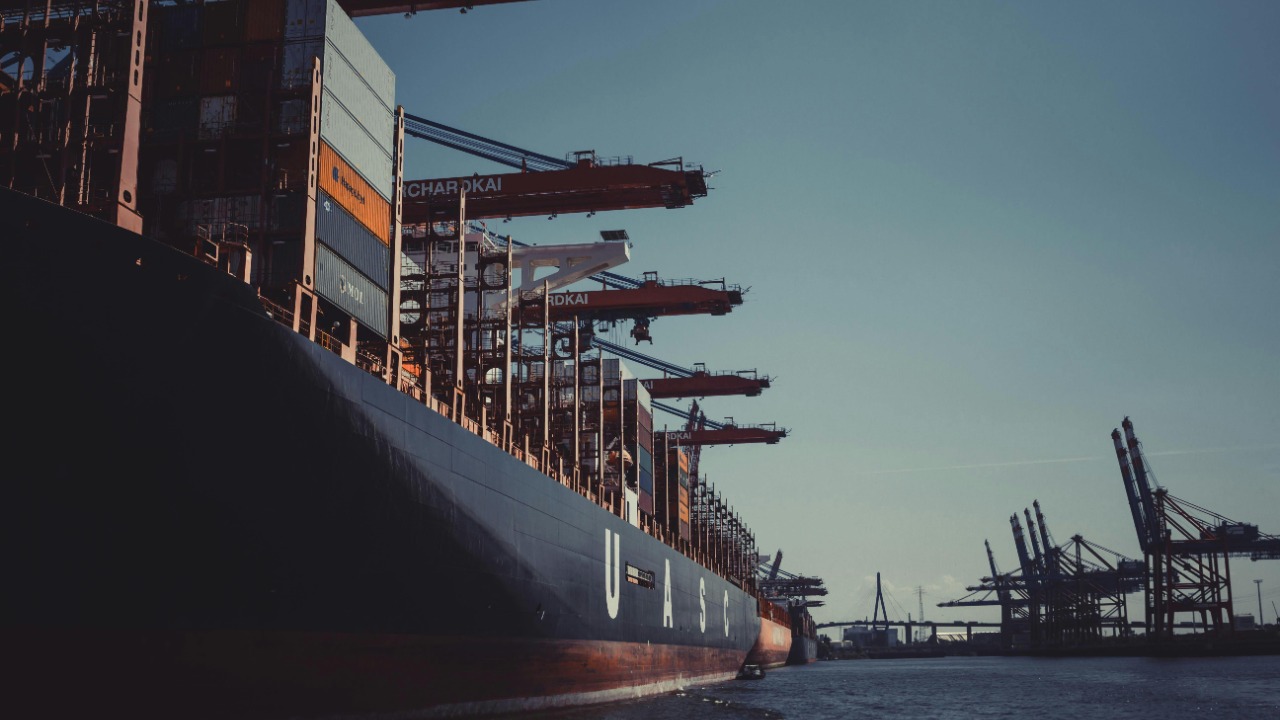
Maritime shipping, a crucial cog in the global economy, has traditionally relied on fossil fuels for energy. However, this has resulted in significant environmental impact, with cargo ships contributing to air pollution and greenhouse gas emissions. The realization of this environmental impact is causing a shift towards more sustainable energy sources.
This transition is also influenced by Environmental, Social, and Governance (ESG) factors. ESG principles are encouraging businesses to adopt greener and more sustainable practices, and this includes the shipping industry’s exploration of nuclear power options.
The Mechanics of Nuclear Power for Cargo Ships
Nuclear power for cargo ships operates on the principle of nuclear fission, where the nucleus of an atom is split into two smaller nuclei, releasing a massive amount of energy in the process. This energy is then used to produce steam, which powers the turbines that propel the ship.
Small Modular Reactors (SMRs) play a significant role in this process. Compact and efficient, SMRs are well-suited for cargo ships. However, their implementation necessitates stringent safety measures and protocols to prevent nuclear accidents and ensure the safe operation of these ships.
Benefits of Nuclear-Powered Cargo Ships
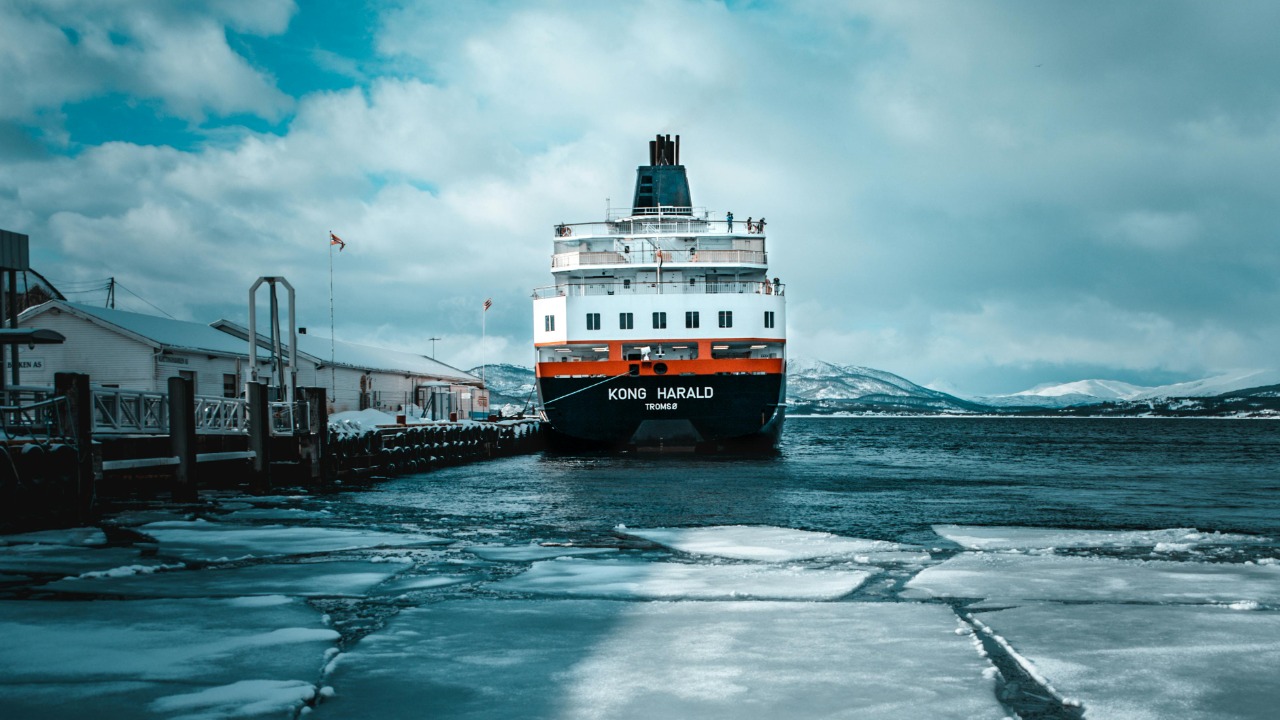
The potential benefits of nuclear-powered cargo ships are numerous. One of the most significant advantages is the potential for cleaner and faster transport. Given the energy density of nuclear power, these ships could potentially travel faster and longer distances without refuelling, drastically improving the efficiency of shipping operations.
In addition, nuclear-powered cargo ships could significantly reduce greenhouse gas emissions, contributing to global efforts against climate change. Furthermore, the long-term economic benefits are substantial. While the initial investment in nuclear technology is high, the potential savings on fuel costs and increased efficiency could make it a viable option for shipping companies in the long run.
Challenges and Concerns of Nuclear-Powered Shipping

Despite the potential benefits, the idea of nuclear-powered shipping is not without its challenges. One of the most significant hurdles is public perception. Many people associate nuclear power with disasters such as Chernobyl and Fukushima, making it a tough sell.
Moreover, potential risks and safety concerns associated with nuclear accidents in maritime shipping cannot be overlooked. A nuclear accident at sea could have catastrophic environmental consequences. The regulatory challenges are also substantial, with international maritime law currently not equipped to deal with nuclear-powered civilian ships.
Current Developments and Future Prospects
Several key players in the shipping industry are already exploring nuclear power options. Notably, Hyundai is taking the lead with its initiative to offer container ships powered by SMRs. This reflects a significant step towards the adoption of nuclear power in the shipping industry.
While the transition to nuclear power in the shipping industry is still in its early stages, the future prospects are promising. As technology advances and the need for sustainable energy sources continues to grow, it is likely that more shipping companies will consider this option.
Case Study: Nuclear-Powered Cargo Ships in Action
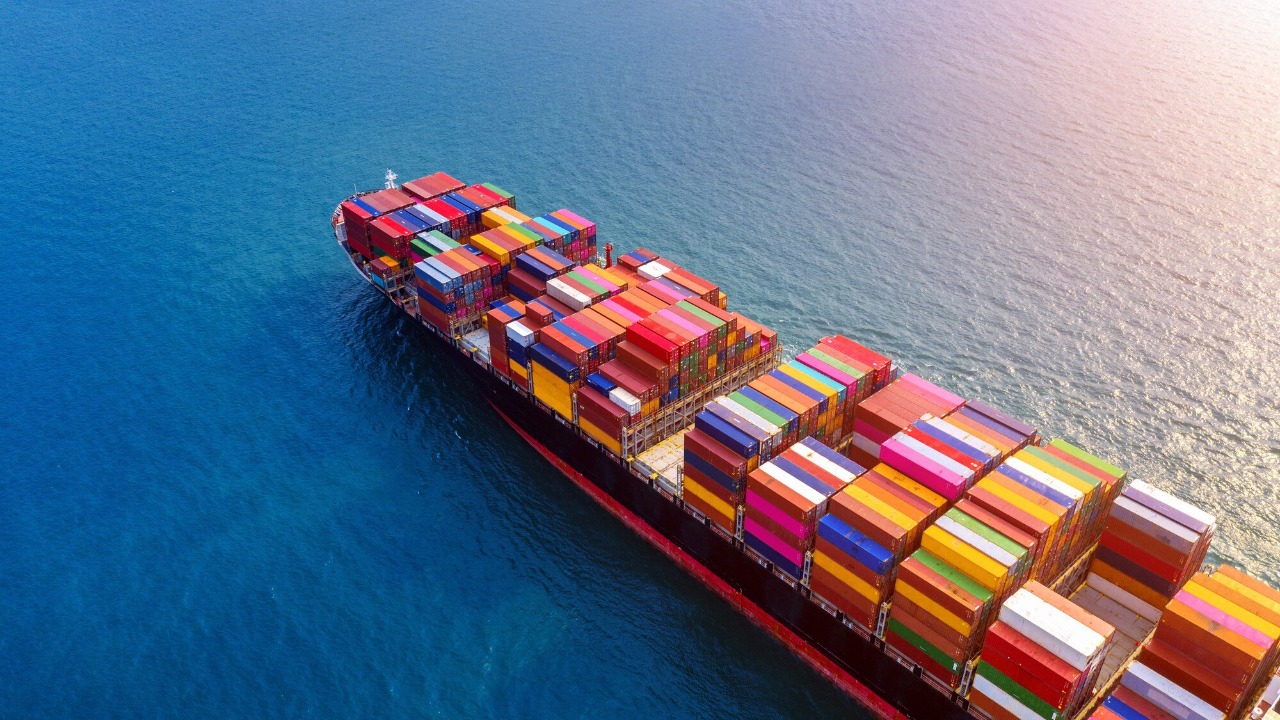
Despite the challenges, there are already examples of nuclear-powered cargo ships in operation. These vessels provide valuable insights into the practicalities of nuclear shipping, the implementation process, and the potential impact on the shipping industry.
One such example is the MV Arctic, a nuclear-powered icebreaker that has been successfully operating in Russia’s Northern Sea Route. The vessel has demonstrated that nuclear power can provide reliable, efficient, and environmentally friendly energy for cargo ships. This has sparked interest from other shipping companies and could potentially pave the way for wider adoption of nuclear power in the industry.
The lessons learned from the MV Arctic and other similar ships will be instrumental in shaping the future of nuclear-powered shipping. It will help the industry navigate the challenges, mitigate risks, and capitalize on the benefits of this innovative energy source.
