As the world pushes towards a more sustainable future, the steel industry is undergoing a transformative shift. Carbon-free steel, a groundbreaking innovation, is now in testing, promising to reduce carbon emissions significantly. These advancements could play a pivotal role in reshaping the environmental landscape of industrial production.
The Importance of Carbon-Free Steel

The environmental impact of traditional steel production is significant, with conventional steelmaking processes contributing heavily to global carbon emissions. The industry is responsible for approximately 7-9% of all direct emissions from fossil fuels, making it one of the largest industrial sources of greenhouse gases. This has raised alarms as countries strive to meet international climate targets and reduce their carbon footprints.
Carbon-free steel could be a game-changer in this context. By aligning with international climate agreements such as the Paris Agreement, this innovation holds the potential to drastically cut down the global carbon footprint. A shift towards carbon-free steel production could help countries achieve their climate goals and contribute to a more sustainable future.
Current Developments in Carbon-Free Steel Technology
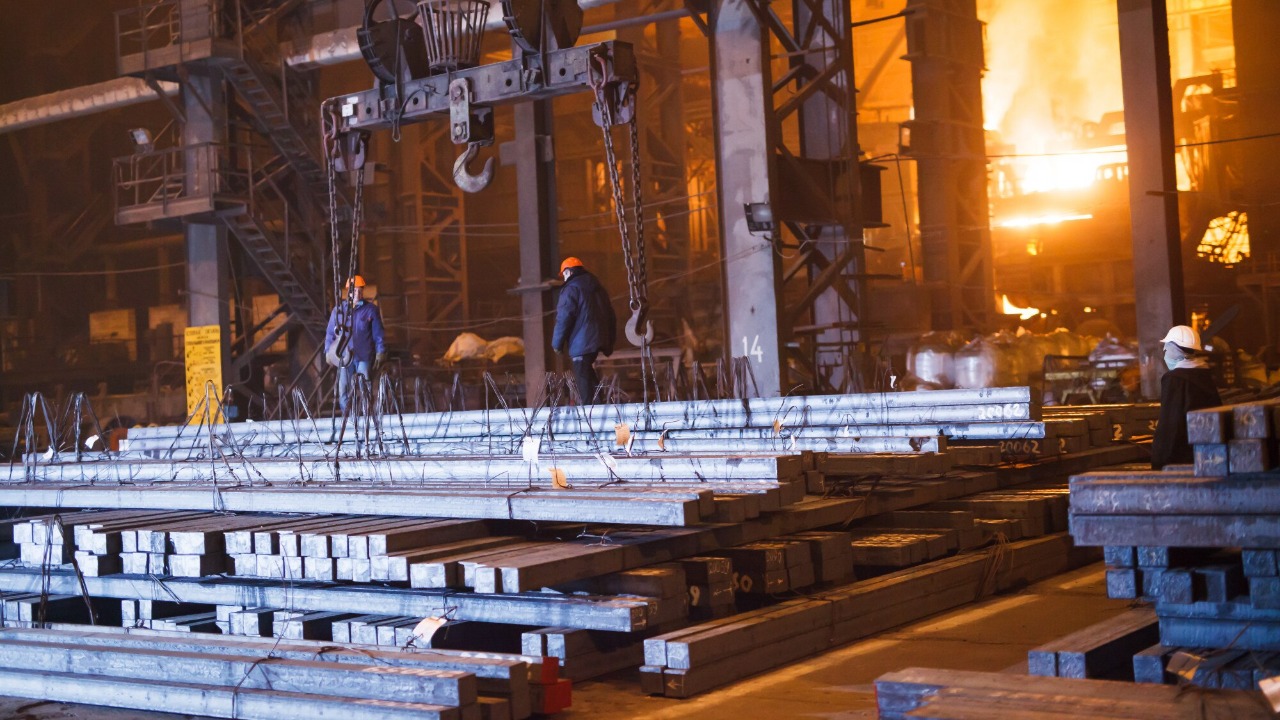
Innovative production methods are at the forefront of the carbon-free steel movement. One such method is the HYBRIT technology, which aims to revolutionize steel production by using hydrogen instead of coal and coke. This method promises to produce fossil-free steel, significantly reducing carbon emissions in the process.
Another promising development is the electrolysis process used by companies like Boston Metal. This process involves the use of electricity to convert iron ore into steel, potentially eliminating the need for carbon-intensive processes. Key players in the industry, including several leading companies and countries, are actively pioneering carbon-free steel initiatives. Collaborative efforts between governments and the private sector are also gaining momentum, further driving the development of this innovative technology.
Testing and Validation Processes
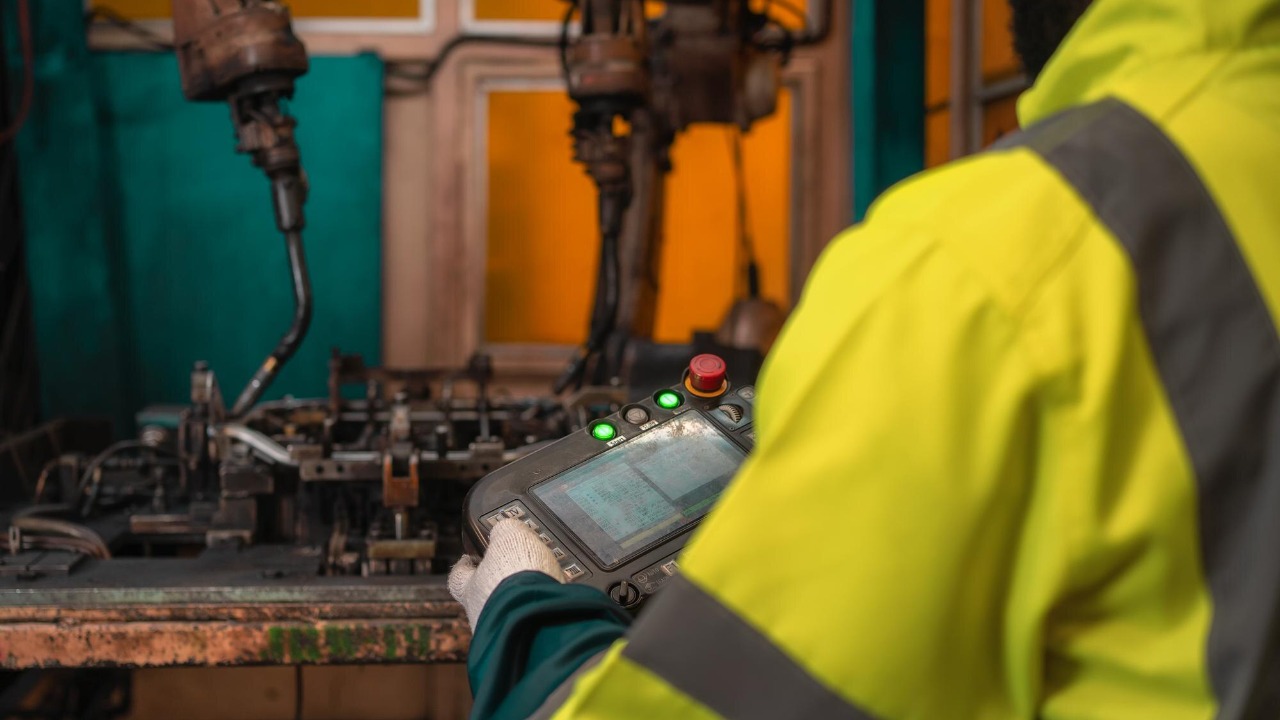
Pilot projects and testing phases are crucial in validating the effectiveness of carbon-free steel technologies. These projects aim to assess the feasibility and efficiency of new production methods. Initial results from pilot studies have been promising, indicating that carbon-free steel could indeed become a viable alternative to traditional steelmaking processes.
However, there are challenges and limitations that need to be addressed. Scaling up production remains a significant hurdle, as technical and economic barriers persist. There is also a pressing need for infrastructure development and investment to support the widespread adoption of carbon-free steel. Overcoming these challenges will be critical in ensuring the successful implementation of this revolutionary material.
Market Implications and Economic Considerations
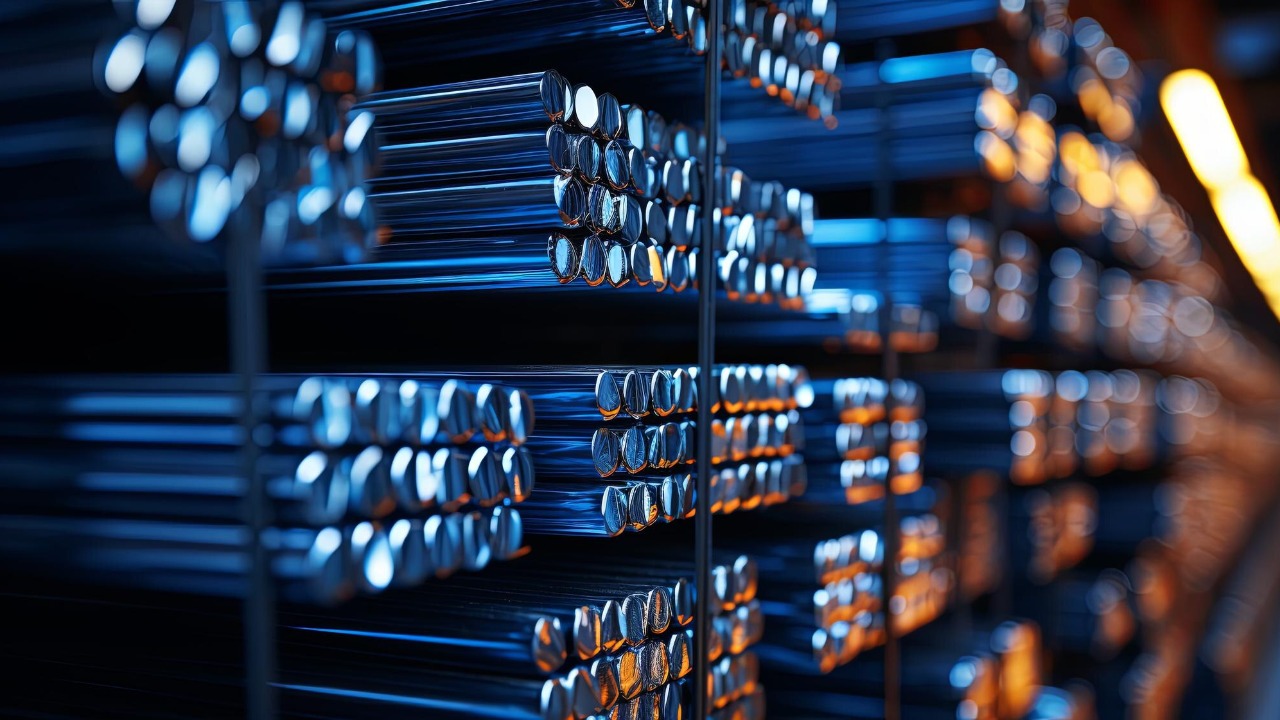
The potential cost implications of carbon-free steel production are a subject of much discussion. While the production costs are expected to be higher compared to traditional steelmaking, the long-term benefits may outweigh the initial investment. The impact on steel prices and market competitiveness will be a key factor in determining the widespread acceptance of carbon-free steel.
Moreover, there are significant economic benefits and job creation opportunities associated with the green steel sector. New jobs could emerge in areas such as technology development, production, and infrastructure enhancement. Additionally, the long-term economic gains from reduced environmental impact could be substantial, contributing to overall economic resilience.
Future Prospects and Global Impact
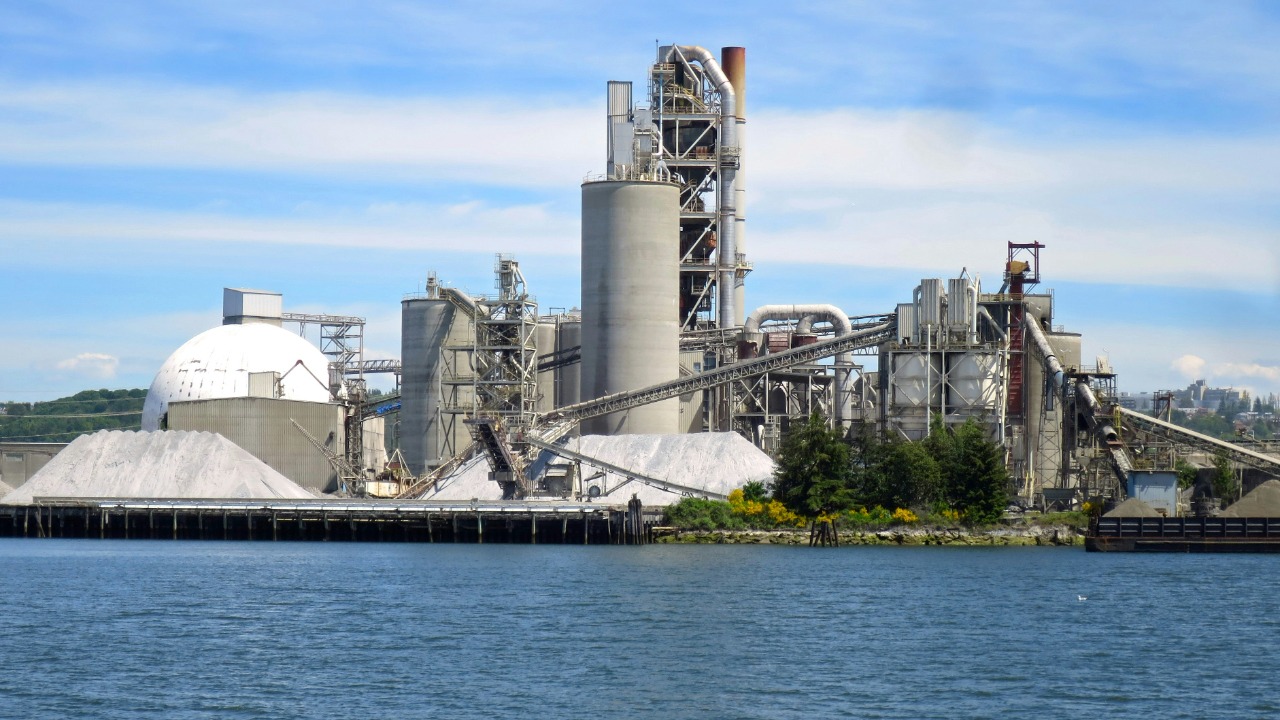
Scaling up production and global adoption of carbon-free steel will require strategic planning and international cooperation. Increasing production capacity and adoption rates will be crucial in meeting global demand and achieving environmental targets. International cooperation will play a vital role in promoting carbon-free steel, as countries work together to address the challenges of climate change.
The long-term environmental and economic benefits of carbon-free steel are promising. Potential global impacts include a significant reduction in carbon emissions, contributing to a more sustainable and resilient global economy. This innovation could help pave the way for a greener future, aligning industrial growth with environmental sustainability. For further insights into the potential of carbon-free steel, you can explore research on the economic and environmental implications of sustainable materials.
