
The Eurofighter Typhoon, despite its non-stealthy design, reportedly “shot down” an F-22 Raptor stealth fighter in a simulated engagement. However, the Typhoon’s viability is under scrutiny, with questions arising about its ability to compete with stealth dominance and next-generation fighters.
Eurofighter Typhoon’s Design Limitations
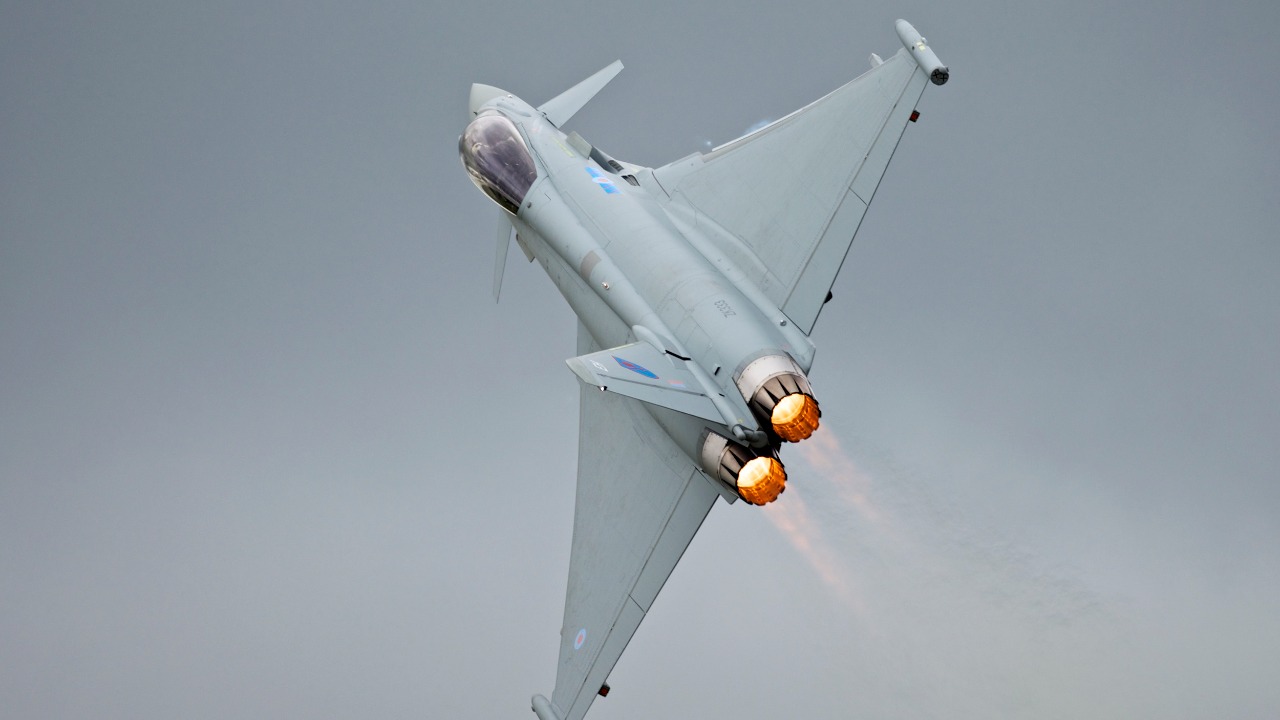
The Eurofighter Typhoon’s design inherently limits its stealth capabilities. Its airframe and radar cross-section are not conducive to achieving stealth, as detailed in a Simple Flying analysis. The Typhoon’s design includes external weapon pylons and engine inlets, which increase its detectability against modern radar systems. These design features, while necessary for the Typhoon’s performance, compromise its stealth profile.
Moreover, the implications of the Typhoon’s non-stealthy profile for survivability in contested airspace are significant. Stealth technology is designed to reduce an aircraft’s visibility to radar, making it harder for enemy forces to detect and engage. Without this advantage, the Typhoon may face increased risks in combat scenarios.
Another design limitation of the Eurofighter Typhoon, as highlighted by Simple Flying, is its high infrared signature. The Typhoon’s engines produce a significant amount of heat, which can be detected by infrared sensors. This makes it more vulnerable to heat-seeking missiles, a common weapon in modern air combat. Additionally, the Typhoon’s design lacks the internal weapon bays found in stealth aircraft, which further reduces its stealth capabilities by exposing its weapons to radar detection.
Despite these limitations, the Typhoon’s design also has its strengths. Its delta wing and canard configuration provide excellent maneuverability and high-speed performance. This allows the Typhoon to engage in dogfights and perform high-G maneuvers that are beyond the capabilities of many stealth aircraft. However, the shift towards beyond-visual-range (BVR) combat in modern air warfare has reduced the importance of these traditional air combat skills.
Historical Performance Against Stealth Aircraft
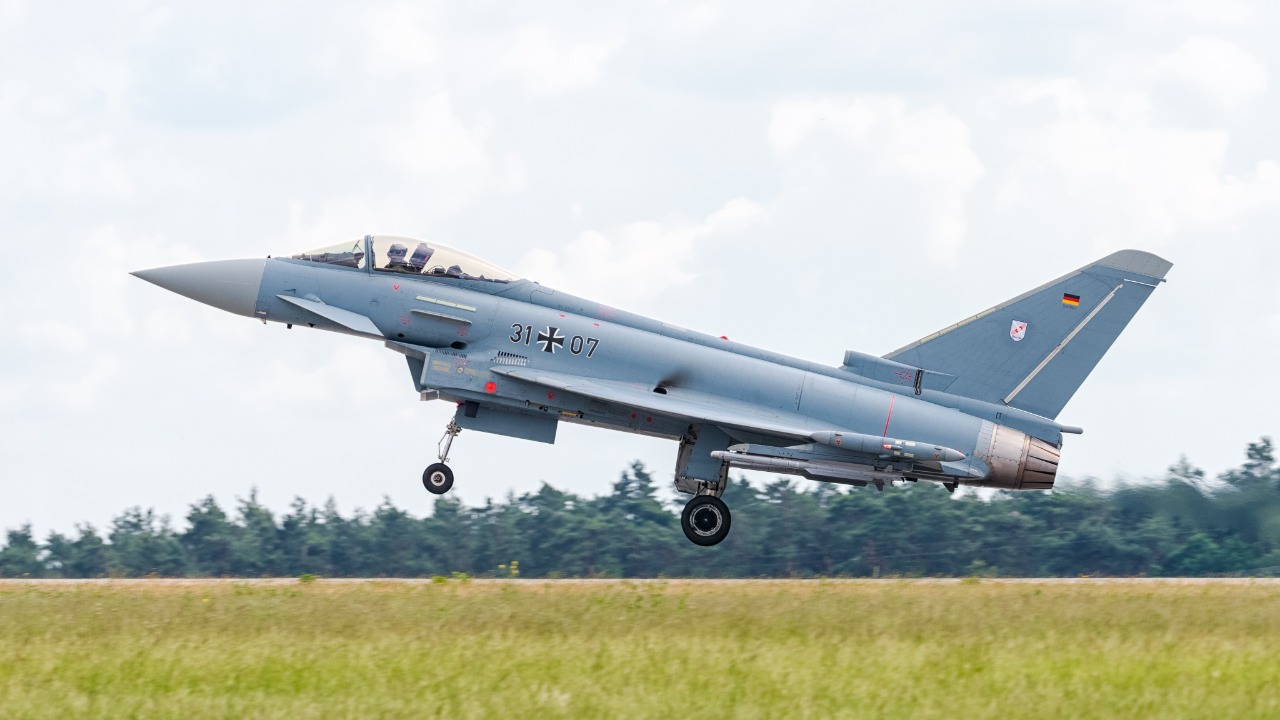
In a simulated scenario, the Eurofighter Typhoon managed to “shoot down” an F-22 Raptor stealth fighter, as reported by the National Interest. This engagement, which took place during joint exercises, demonstrated that the Typhoon could overcome stealth advantages using specific tactics. However, it’s important to note that simulated engagements do not always accurately reflect real-world combat conditions.
The Typhoon’s success against the F-22 Raptor was attributed to sensor fusion and electronic warfare roles. These capabilities allowed the Typhoon to detect and engage the stealthy F-22, highlighting the importance of advanced sensors and electronic systems in modern air combat.
While the Eurofighter Typhoon’s victory over the F-22 Raptor in a simulated engagement is noteworthy, it’s crucial to consider the context. As the National Interest points out, the Typhoon’s success was largely due to the specific parameters of the exercise, which may not reflect real-world combat conditions. For instance, the engagement might have taken place within visual range, negating the F-22’s stealth advantage. Furthermore, the F-22’s full capabilities, including its advanced electronic warfare and data-link systems, may not have been fully utilized in the simulation.
It’s also worth noting that the Typhoon’s performance against stealth aircraft in real-world combat scenarios remains largely untested. While simulated engagements provide valuable insights, they cannot fully replicate the complexity and unpredictability of actual combat. Therefore, while the Typhoon’s performance in simulations is promising, it should be interpreted with caution.
Phasing Out the Typhoon in Modern Fleets
Despite its performance in simulated engagements, the Eurofighter Typhoon is facing a gradual exit from service. As reported by 19FortyFive, retirement timelines and replacement strategies are being implemented in European air forces. Operational costs and maintenance challenges are contributing factors to this phase-out.
However, the Typhoon’s relevance may be extended through export markets and ongoing upgrades. These factors could potentially offset the phase-out plans and maintain the Typhoon’s role in global air forces.
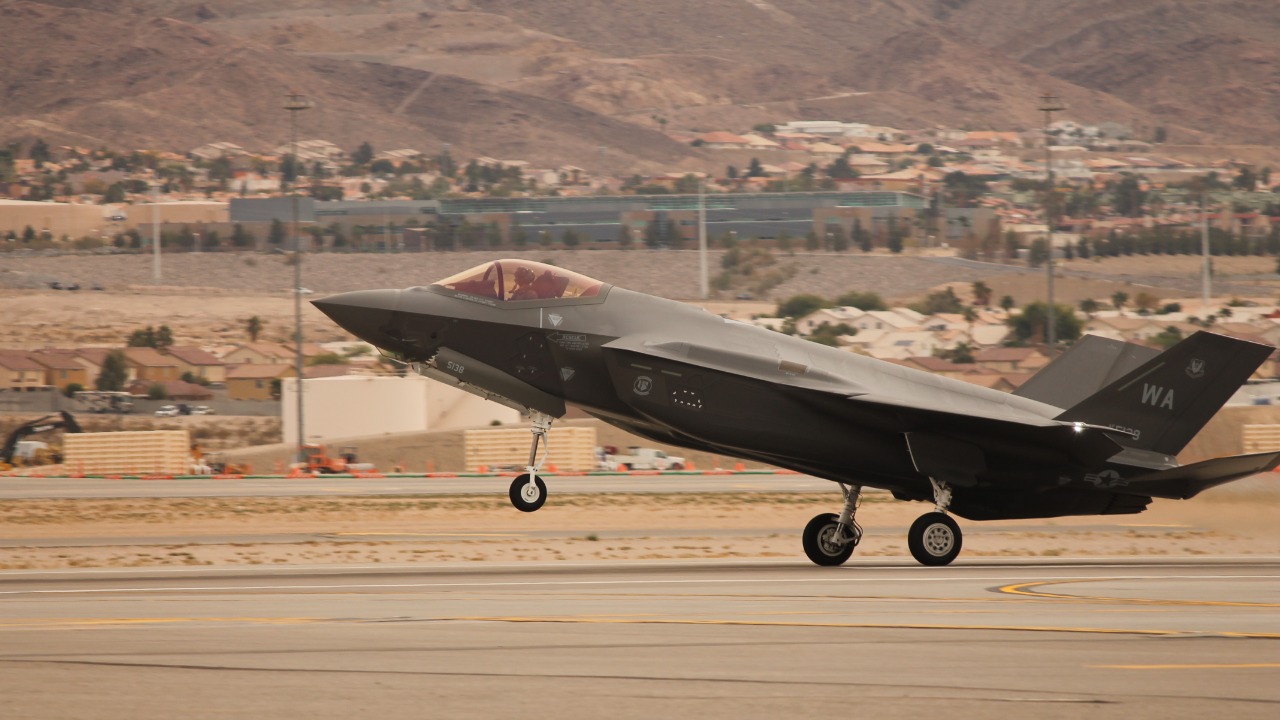
As 19FortyFive notes, the phasing out of the Eurofighter Typhoon is not just due to its design limitations and operational costs. The emergence of next-generation stealth fighters, such as the F-35 Lightning II and the F-47 NGAD, is also a significant factor. These aircraft offer superior stealth capabilities, advanced sensor fusion, and AI integration, making them more effective in modern air warfare. As a result, many air forces are prioritizing the acquisition of these advanced fighters over maintaining their fleets of Typhoons.
However, the Typhoon is not without its supporters. Some argue that the aircraft’s excellent maneuverability and high-speed performance, coupled with potential upgrades, could keep it relevant in the evolving battlefield. Moreover, the Typhoon’s multirole capabilities make it a versatile asset in a variety of missions, from air superiority to ground attack and reconnaissance.
Comparisons to Next-Generation Stealth Fighters
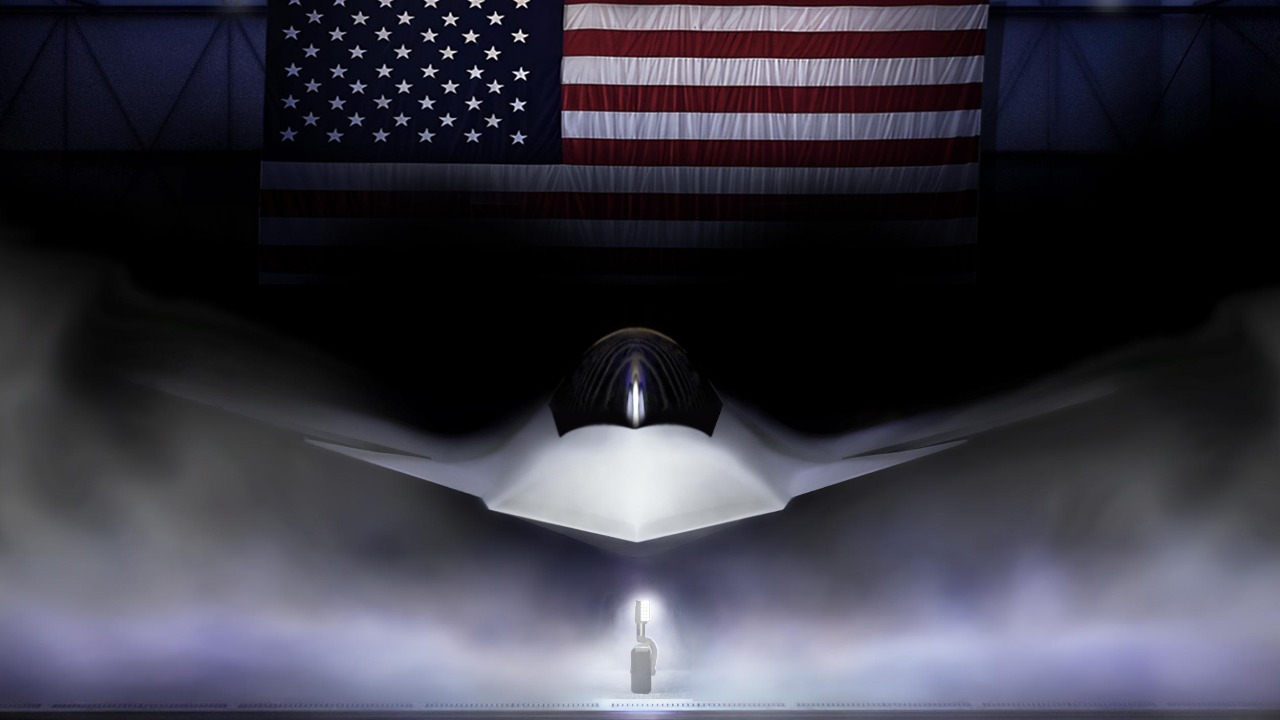
When compared to next-generation stealth fighters, the Eurofighter Typhoon faces stiff competition. A hypothetical matchup between the Typhoon and the F-47 NGAD 6th generation fighter was summarized in four words by the National Security Journal: “Stealth and AI integration”. These advanced features of the F-47 NGAD highlight the gap between 4.5-generation fighters like the Typhoon and 6th-generation fighters.
Speed, maneuverability, and payload differences also come into play in a direct Eurofighter Typhoon vs. F-47 NGAD scenario. While the Typhoon has proven its capabilities in these areas, the F-47 NGAD’s advanced design and technology could potentially offer superior performance.
As the National Security Journal points out, the F-47 NGAD’s stealth and AI integration are not its only advantages over the Eurofighter Typhoon. The F-47 NGAD is also expected to feature advanced materials and manufacturing techniques, which could result in a lighter, stronger, and more durable airframe. Additionally, the F-47 NGAD’s powerplant is likely to be more efficient, providing greater range and endurance.
Furthermore, the F-47 NGAD is designed with a focus on network-centric warfare. It is expected to have superior data-link capabilities, allowing it to share information with other assets on the battlefield in real-time. This could give the F-47 NGAD a significant advantage in situational awareness, a critical factor in modern air combat. In contrast, while the Typhoon has some data-link capabilities, they are not as advanced or as integrated as those expected in the F-47 NGAD.
Potential Upgrades to Counter Stealth Dominance
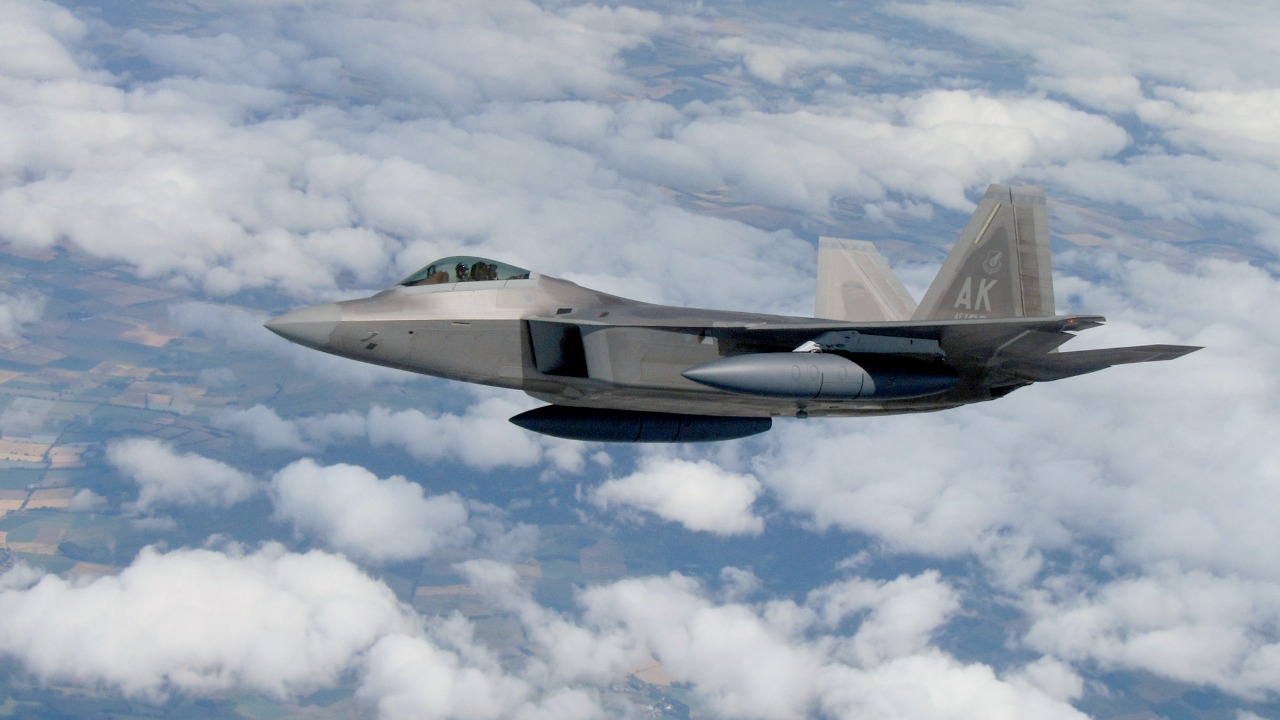
Despite its design limitations, the Eurofighter Typhoon could potentially mitigate stealth gaps through upgrades. Improved radar-absorbent materials and integration of next-gen sensors and missiles are among the proposed enhancements, as referenced in the Simple Flying analysis. These upgrades could allow the Typhoon to detect and engage stealth aircraft more effectively.
Real-world exercise data from the F-22 Raptor “shootdown” could also inform upgrade priorities. By analyzing the tactics and technologies that contributed to the Typhoon’s success in this engagement, improvements could be made to enhance its combat effectiveness against stealth aircraft.
According to the Simple Flying analysis, one potential upgrade for the Eurofighter Typhoon could be the integration of advanced electronic warfare systems. These systems could help the Typhoon detect, track, and engage stealth aircraft by disrupting their radar and communication systems. Additionally, the Typhoon could be equipped with infrared search and track (IRST) systems, which can detect the heat signatures of stealth aircraft.
Another potential upgrade could be the integration of advanced air-to-air missiles. These missiles could have longer ranges and better tracking capabilities, allowing the Typhoon to engage stealth aircraft before they can get within their effective firing range. Furthermore, these missiles could be equipped with dual-mode seekers, combining radar and infrared guidance, making them more effective against stealth targets.
Strategic Role in Allied Air Operations
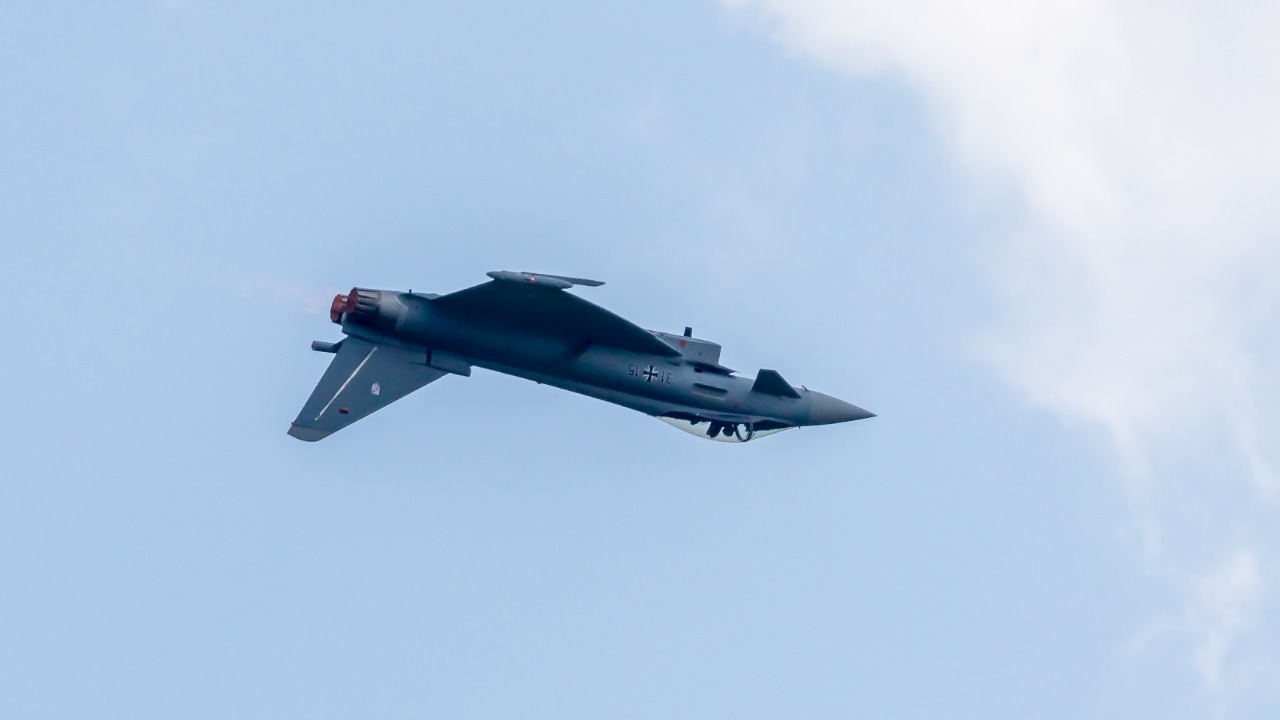
The Eurofighter Typhoon plays a significant role in NATO missions. However, its non-stealth design affects interoperability with U.S. stealth assets like the F-22 Raptor. This could potentially limit the Typhoon’s effectiveness in joint operations, as stealth aircraft are increasingly becoming the standard in modern air forces.
Furthermore, fleet sustainment challenges are affecting the Typhoon’s role in allied air operations. As outlined in the 19FortyFive report, maintaining a fleet of Typhoons is becoming increasingly difficult due to operational costs and maintenance challenges. However, multinational production and upgrade programs could potentially maintain the Typhoon’s competitiveness against 6th-generation threats like the F-47 NGAD.
Despite its limitations, the Eurofighter Typhoon continues to play a crucial role in allied air operations. As 19FortyFive points out, the Typhoon’s multirole capabilities make it a versatile asset in a variety of missions. It can perform air superiority, ground attack, and reconnaissance missions, making it a valuable asset for any air force. Furthermore, the Typhoon’s high-speed performance and excellent maneuverability make it a formidable opponent in dogfights.
However, the Typhoon’s role in allied air operations could change as more stealth aircraft enter service. As stealth becomes the standard in modern air forces, the Typhoon may be relegated to secondary roles or used in conjunction with stealth aircraft. Nevertheless, the Typhoon’s versatility and potential for upgrades could ensure its continued relevance in the evolving battlefield.
