As military technology advances, the debate over the effectiveness of drones versus stealth fighters intensifies. Recent developments in drone technology and the evolving nature of aerial warfare raise questions about whether drones can now match or even surpass the capabilities of stealth fighters. This article delves into the state of modern aerial combat and evaluates if drones can indeed challenge the dominance of stealth aircraft.
The Evolution of Drone Technology
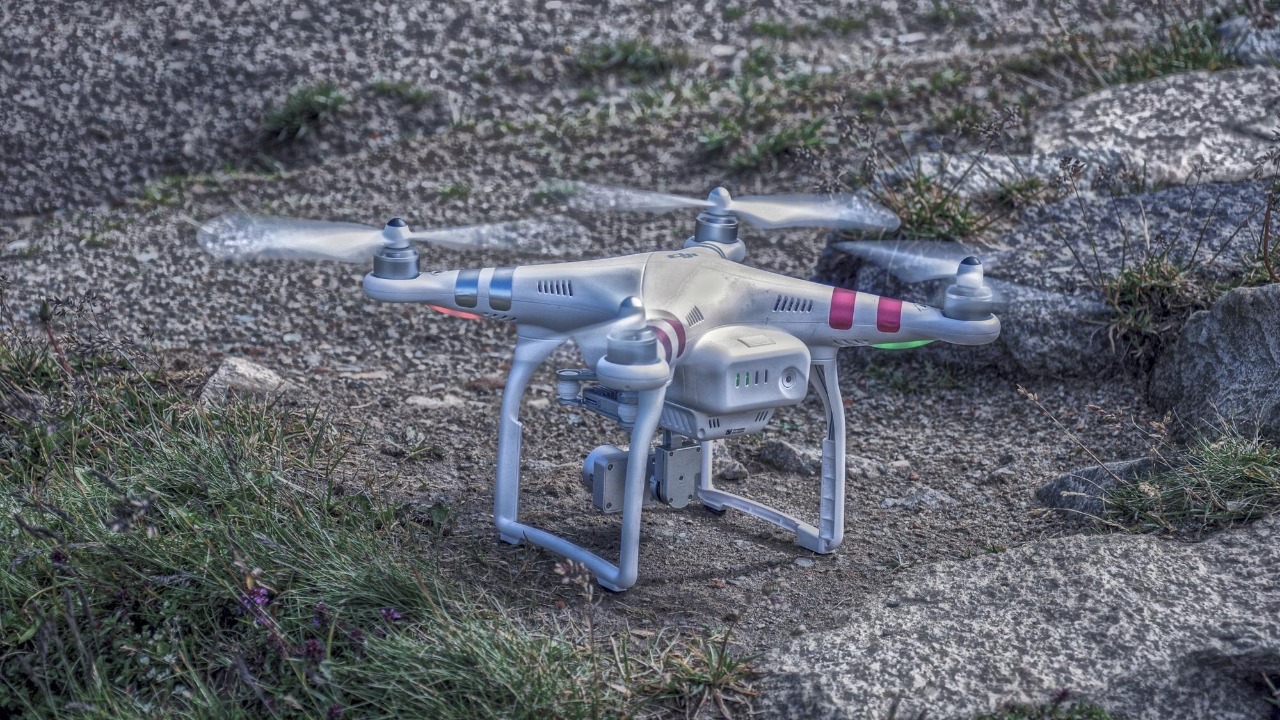
In recent years, drone technology has seen remarkable advancements, transforming these unmanned aerial vehicles into formidable tools of modern warfare. Key innovations include the integration of artificial intelligence (AI), enhanced swarming capabilities, and the development of superior sensor systems. AI allows drones to perform complex tasks autonomously, enabling them to react to dynamic combat scenarios without direct human intervention. Swarm technology, on the other hand, allows multiple drones to work in tandem, executing coordinated attacks that can overwhelm enemy defenses. These technological leaps have made drones a versatile and potent option for military operations.
From a financial perspective, drones offer a cost-effective alternative to traditional stealth fighters. The expense of developing, building, and maintaining a fleet of stealth fighters is significantly higher compared to deploying a comparable number of drones. This cost differential has significant implications for military strategy, allowing nations to field larger and more flexible forces without the prohibitive costs associated with manned aircraft. Furthermore, drones can be quickly adapted for a variety of missions, from reconnaissance to direct combat, unlike stealth fighters which are typically designed for specific roles.
Stealth Fighter Capabilities
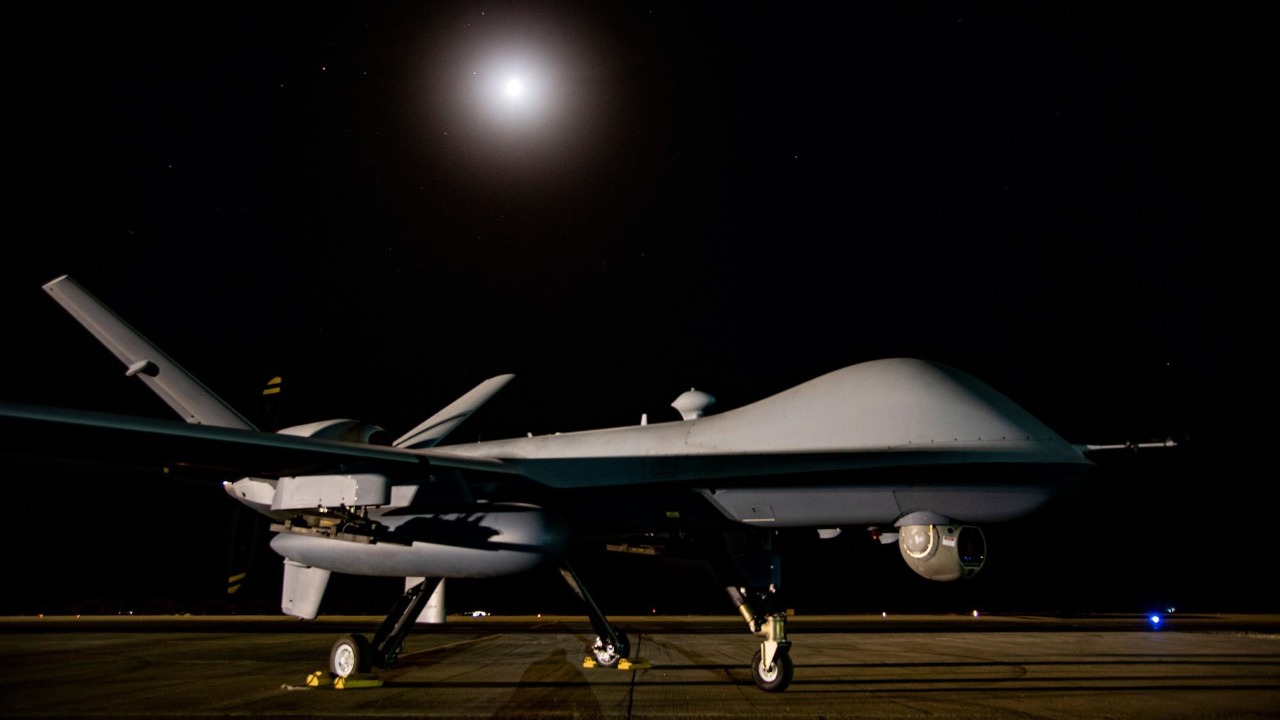
Stealth fighters remain at the pinnacle of military aviation technology, characterized by their ability to evade detection through advanced stealth features. These aircraft are designed with radar-absorbing materials and have minimized infrared signatures, making them nearly invisible to enemy radar systems. This stealth technology gives them a significant advantage in penetrating enemy airspace undetected, allowing for surprise attacks and strategic reconnaissance missions. The complexity and effectiveness of these technologies are detailed in resources such as this comprehensive study.
Moreover, stealth fighters are renowned for their speed and maneuverability, crucial attributes in air-to-air combat scenarios. These aircraft can achieve supersonic speeds and execute high-G maneuvers, giving them an edge in dogfights against enemy aircraft. Another critical aspect is the presence of a human pilot in the cockpit, which brings the advantage of real-time decision-making in complex combat situations. Pilots can evaluate rapidly changing scenarios and make split-second decisions, a capability that remains challenging to replicate with AI and autonomous systems.
Drone vs. Stealth Fighter: Tactical Perspectives
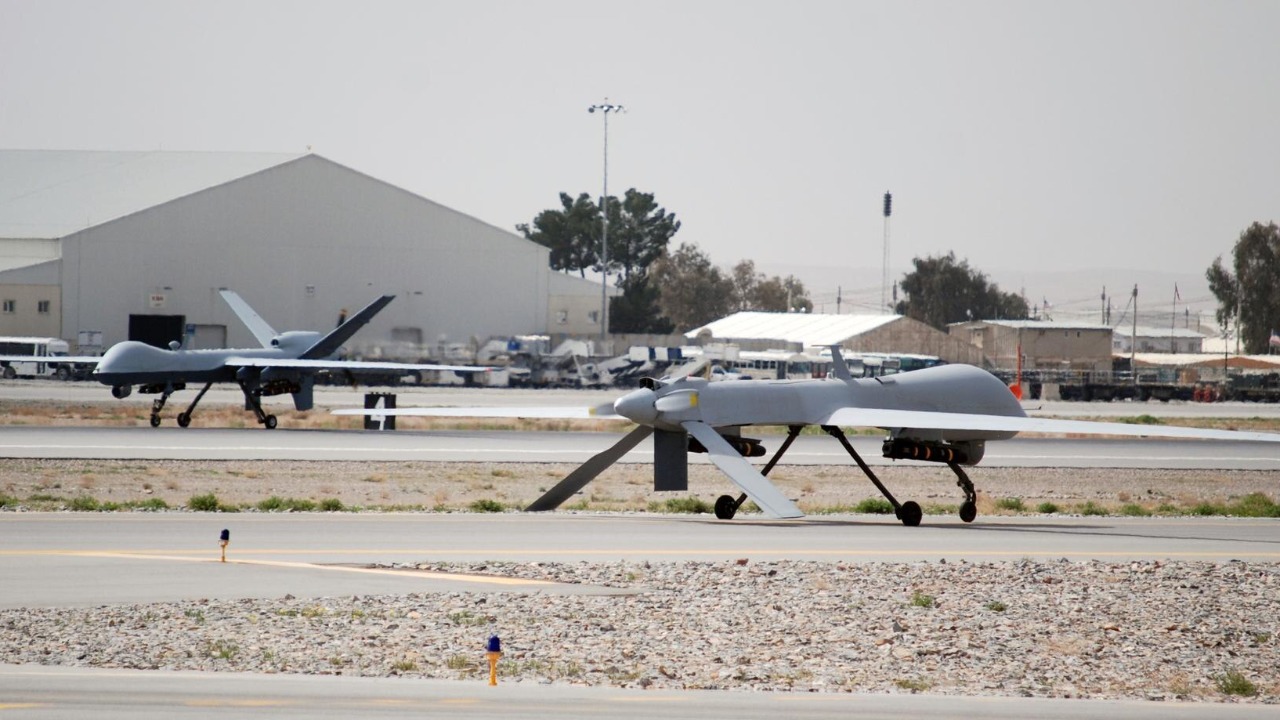
When examining drone and stealth fighter engagements from a tactical perspective, the role of swarm tactics becomes evident. Drones can be deployed in large numbers, executing coordinated attacks that can overwhelm traditional air defenses. This approach allows drones to potentially outmaneuver stealth fighters, especially when operating in conjunction with electronic warfare systems. Electronic countermeasures play a significant role in modern combat, affecting both drones and stealth fighters. Each platform must constantly adapt to these challenges, developing new strategies to maintain operational effectiveness.
The operational range and endurance of drones compared to stealth fighters also play a crucial role in strategic missions. Drones can often remain airborne for extended periods, providing persistent surveillance and strike capabilities. In contrast, stealth fighters, while faster, have limited endurance without refueling. This difference in operational capacity can influence mission planning and execution, potentially giving drones an advantage in certain scenarios.
Real-World Applications and Case Studies
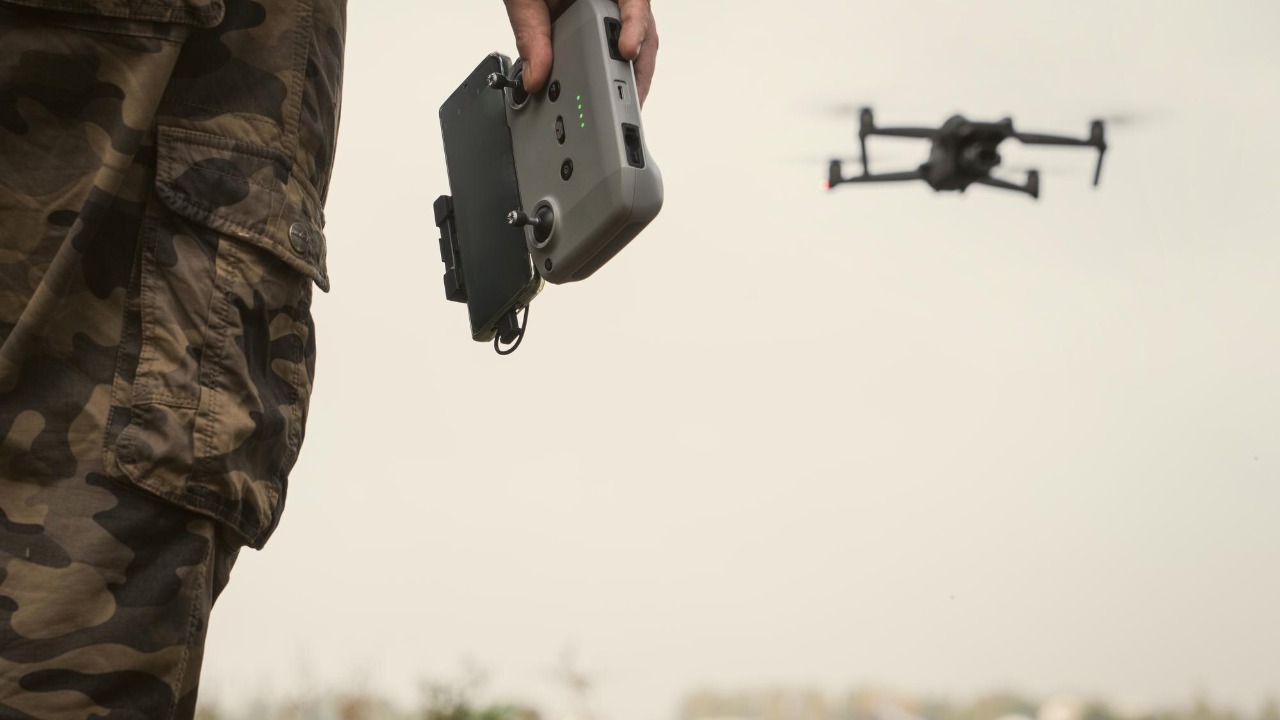
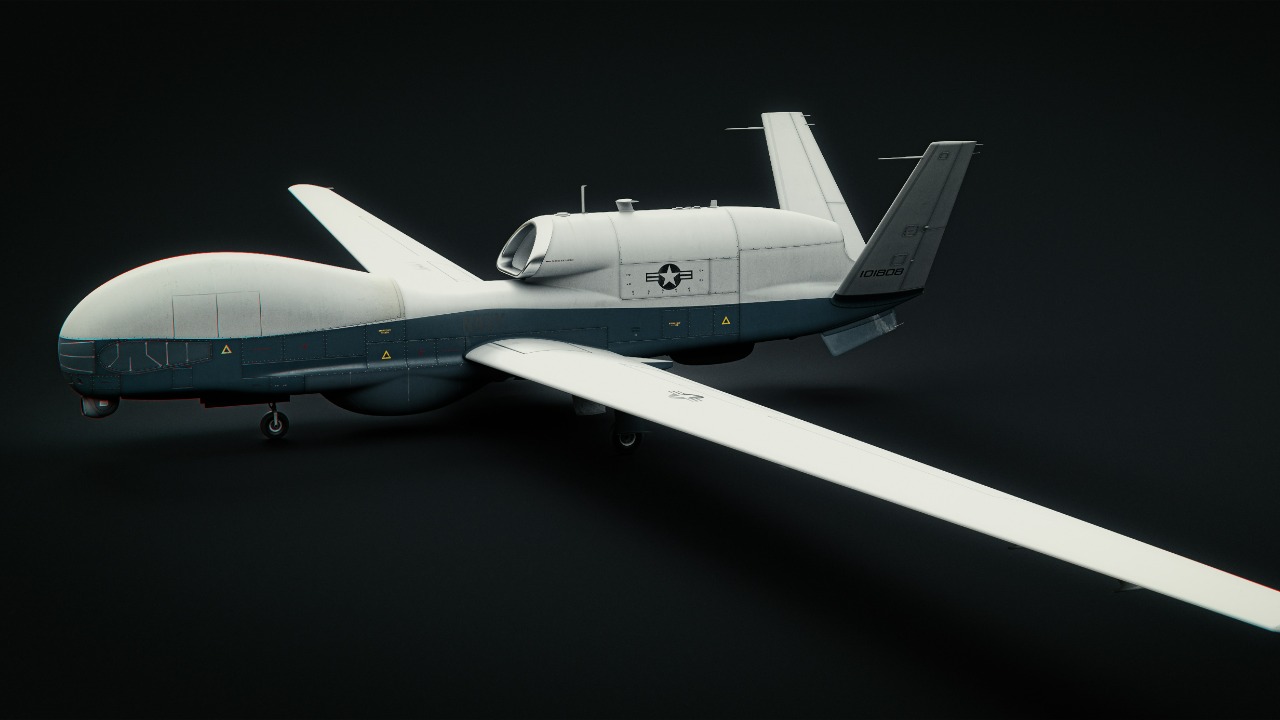
Programs from global superpowers highlight the competitive landscape of drone technology. The U.S. and Chinese drone programs showcase advancements that could redefine aerial combat. Both nations have invested heavily in developing drones that could compete with or even counter stealth fighter capabilities. These programs emphasize the strategic importance of drones in modern military arsenals.
Historical combat engagements provide further insights into the effectiveness of drones in real-world scenarios. Instances where drones have been successfully deployed in combat highlight their utility in various military operations, ranging from targeted strikes to intelligence gathering. Speculating on future engagements, it’s plausible that drones could be pitted against stealth fighters, especially as technology continues to evolve. The potential for drones to disrupt traditional air dominance is a topic of ongoing discussion among military strategists.
The Future of Aerial Combat
The integration of AI and machine learning is poised to revolutionize both drones and stealth fighters, potentially altering their roles in future conflicts. These technologies could enhance capabilities, enable more autonomous operations, and improve decision-making processes. With these advancements, the line between manned and unmanned systems may continue to blur, leading to new forms of warfare that combine the strengths of both platforms.
However, the increased use of drones raises significant policy and ethical considerations. Issues such as the legality of autonomous strikes, the potential for civilian casualties, and the implications for global conflict dynamics must be addressed. As drone technology becomes more prevalent, policymakers will need to navigate these challenges to ensure responsible use in warfare.
Ultimately, the rise of drone technology could shift the balance of power in global military dynamics. As nations continue to invest in and develop drone capabilities, the traditional dominance of manned aircraft may be challenged. This shift could lead to new strategies and doctrines in aerial combat, fundamentally changing how conflicts are fought and resolved.
