
Advancements in technology, particularly in Artificial Intelligence (AI), are transforming our ability to predict and manage natural disasters. This technology, with its ability to analyze vast amounts of data and identify patterns, is providing fresh insights into when and where disasters might occur, offering us new opportunities to mitigate their devastating impacts.
Understanding AI and Its Role in Disaster Management
Artificial Intelligence, or AI, is a field of computer science that involves creating and training machines to mimic human intelligence. AI systems can learn from data, make decisions, and perform tasks that would normally require human intelligence, such as understanding natural language, recognizing patterns, and solving complex problems.
AI is increasingly being applied to disaster management, where it can be used to predict, prepare for, and respond to natural disasters. This application includes everything from predicting the path of hurricanes to identifying areas at high risk of wildfires or floods. These advancements have the potential to save lives and resources by providing early warnings and allowing for better preparedness and response. AI’s role in disaster management is growing, and its benefits are increasingly recognized.
How AI Can Predict Natural Disasters
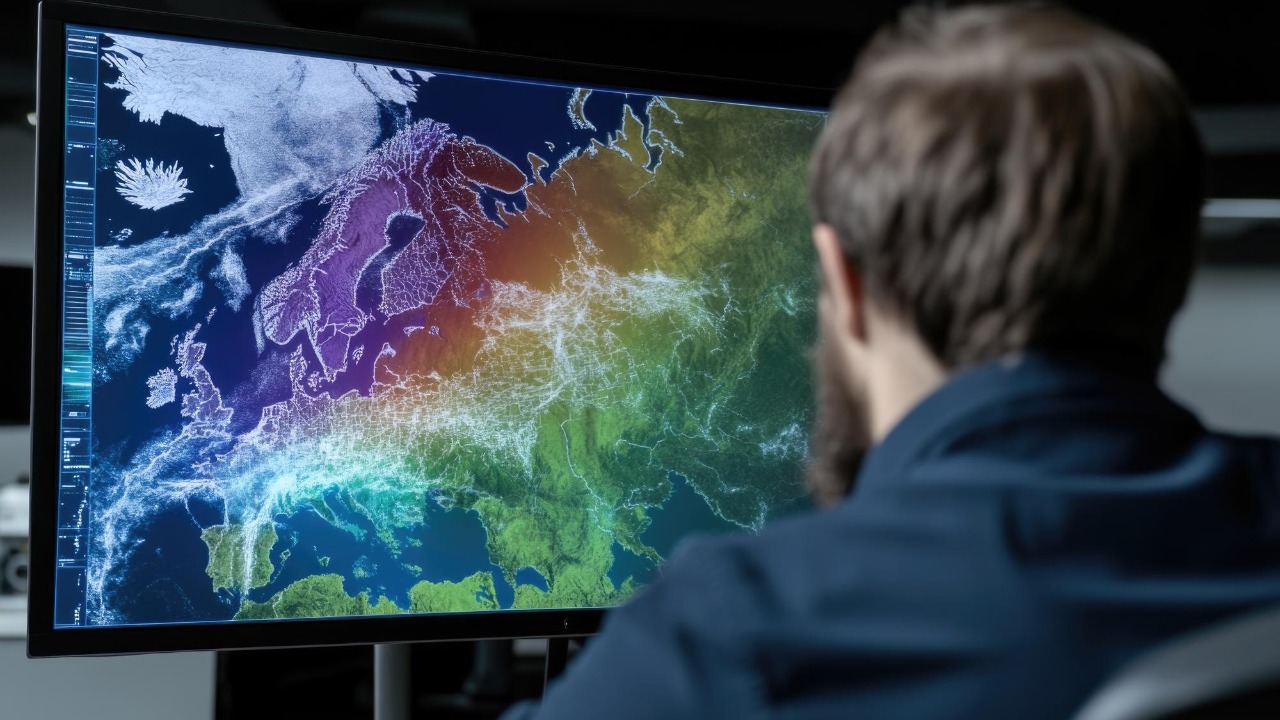
AI predicts natural disasters by analyzing large amounts of data from various sources, such as weather stations, satellites, and geological sensors. It uses machine learning algorithms to identify patterns and make predictions about future events. For example, AI can analyze historical weather data and current atmospheric conditions to predict the path and intensity of hurricanes.
Some specific AI technologies used in predicting natural disasters include neural networks, deep learning, and decision tree algorithms. For instance, Google’s DeepMind AI has been used to predict rainfall patterns and potential flood areas. When compared to traditional methods, AI predictions have been found to be more accurate and timely, providing critical information that can help save lives and property.
Case Studies of AI in Natural Disaster Prediction

One example of AI’s effectiveness in predicting natural disasters is its use in managing hurricanes in Florida. AI algorithms were used to analyze weather data and predict the path of the hurricane, allowing for more efficient evacuation plans and resource allocation. This case study demonstrates the potential of AI to improve disaster management and potentially save lives.
AI has also been used with great effectiveness to predict earthquakes. By analyzing seismic data, AI can identify patterns that precede an earthquake, potentially giving us a warning before it happens. Similarly, AI has been successfully applied to predict and manage floods in India, using rainfall data and geological information to identify areas at risk. This application of AI has significantly improved the ability to respond to floods and minimize their impact.
Challenges and Limitations of AI in Disaster Prediction

While AI holds great promise in predicting natural disasters, it is not without its challenges and limitations. One of the main challenges is the accuracy of predictions. Although AI can analyze vast amounts of data and identify patterns, it is still not 100% accurate and there is always a margin of error.
There are also ethical and privacy considerations when using AI in disaster prediction. For instance, the use of personal data to predict disasters could potentially infringe on people’s privacy. Furthermore, implementing AI technologies on a global scale for disaster prediction presents significant challenges, including disparities in data availability and quality, and the need for extensive infrastructure and resources.
The Future of AI in Natural Disaster Management

The future of AI in natural disaster management is promising, with potential for significant improvements and advancements. As AI technology continues to advance and become more sophisticated, its ability to predict natural disasters will likely improve. This could lead to more accurate predictions, earlier warnings, and more effective disaster response and preparation.
The integration of AI into disaster management could also have a profound impact on emergency response and preparation. For example, AI could be used to optimize evacuation routes, allocate resources more efficiently, and even predict the economic impact of disasters. Additionally, the use of AI could influence policies and regulations related to disaster management, leading to more effective strategies and protocols.
While the potential of AI in natural disaster prediction and management is exciting, it’s important that we continue to critically assess its capabilities and limitations, and work to address the challenges it presents. By doing so, we can harness the power of AI to better predict and manage natural disasters, and ultimately, save lives and mitigate the devastating impacts of these events.
