With the rising interest in sustainable energy sources, many vehicle owners are exploring alternative fuels like vegetable oil. Among the discussions is whether robust engines like those from Cummins can efficiently run on vegetable oil. The feasibility, benefits, and challenges of using vegetable oil in Cummins engines are worth examining, providing insights from various studies and expert opinions.
The Science Behind Vegetable Oil as Fuel

Understanding the chemical composition of vegetable oil is crucial when considering it as an alternative fuel. Vegetable oil is primarily composed of triglycerides, which differ significantly from the hydrocarbons found in traditional diesel. This disparity in chemical structure affects how the oil combusts and the energy it releases. While vegetable oil can produce a comparable energy yield to diesel, its higher viscosity can pose challenges for engine performance, necessitating pre-heating or dilution with other fuels.
When it comes to combustion, vegetable oil behaves differently from diesel. In a diesel engine, fuel is injected under high pressure and temperature, leading to efficient combustion. However, the thicker consistency of vegetable oil can impact injector performance and lead to incomplete combustion, affecting engine efficiency and possibly increasing emissions. Studies have shown that using vegetable oil can potentially lead to higher carbon deposits, which might require more frequent maintenance.
Cummins Engines: Built for Diesel, Adaptable to Vegetable Oil?

Cummins engines are renowned for their durability and power, primarily designed to run on diesel fuel. The design of these engines includes specific fuel requirements that ensure optimal performance. To run on vegetable oil, certain adjustments and modifications may be necessary. This might include installing pre-heating systems to reduce viscosity and ensuring the engine’s fuel system can handle the altered combustion process.
Performance and reliability are key concerns when considering alternative fuels. Users and experts have noted that while vegetable oil can provide adequate power and torque, there may be long-term impacts on engine longevity. Engine parts may face increased wear due to carbon buildup, and there have been reports of reliability issues. Nevertheless, some users have successfully operated Cummins engines on vegetable oil, sharing their experiences on forums like Cummins Forum.
Environmental and Economic Impacts

The environmental benefits of using vegetable oil as a fuel are significant. Vegetable oil is a renewable resource, and its use can lead to a reduction in greenhouse gas emissions compared to traditional diesel. However, the production and processing of vegetable oil for fuel can have its own environmental impacts. The emissions profile of vegetable oil combustion is generally favorable, though it can vary based on the type of oil and engine conditions.
From an economic standpoint, the feasibility of using vegetable oil depends on several factors, including market prices and availability. While vegetable oil can sometimes be sourced as a waste product, reducing costs, the need for engine modifications and potential increased maintenance can add expenses. A detailed analysis of these factors is necessary to determine potential cost savings, as discussed in research articles.
Practical Considerations and Real-World Applications
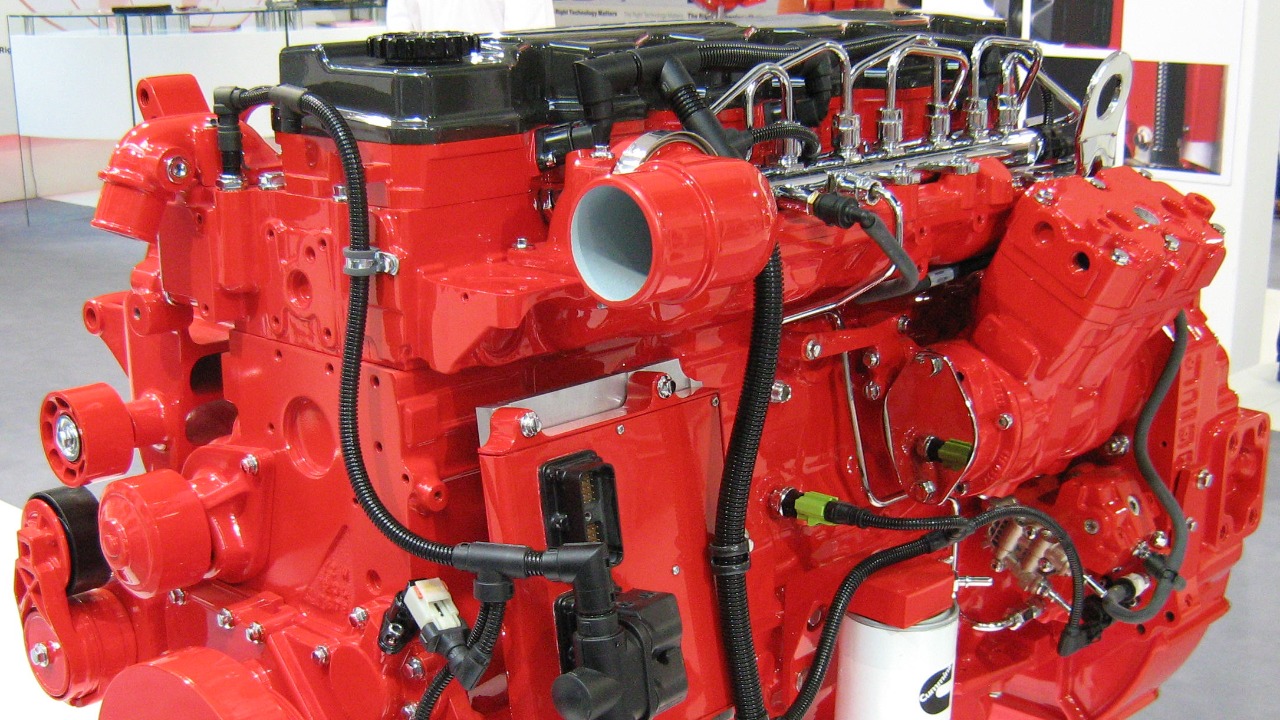
For vehicle owners considering the switch, conversion kits and necessary engine modifications are available. These kits often include components to pre-heat the vegetable oil and adjust fuel delivery systems. Installation and maintenance require specific expertise, and there are also legal considerations regarding fuel use and emissions regulations. Prospective users should carefully research these aspects before proceeding.
Real-world applications provide valuable insights into the practical use of vegetable oil in Cummins engines. Case studies and user experiences highlight both successes and challenges. Many users have shared their journeys and lessons learned on platforms like The Drive, offering best practices for others considering this alternative fuel.
Future Prospects for Vegetable Oil in Diesel Engines

The future of vegetable oil as a fuel in diesel engines will likely be shaped by technological advancements and policy changes. Ongoing research into alternative fuel technologies aims to improve the feasibility and efficiency of vegetable oil, potentially leading to innovations that enhance its use. Such advancements could make vegetable oil a more viable option for a wider range of engines.
Government policies and industry trends also play a crucial role in the adoption of vegetable oil as a fuel. As discussed in policy analyses, support for sustainable energy sources and emissions reductions may drive further interest and investment in vegetable oil. As the automotive and energy sectors evolve, vegetable oil could become a more prominent player in the quest for sustainable fuels.
