California has reversed its earlier commitment to revive the electric vehicle (EV) tax credit, a decision that has ignited controversy and political backlash. Governor Gavin Newsom has been particularly vocal, accusing General Motors of betrayal after the $7,500 tax credit was scrapped. This move has significant implications for both the state’s environmental policies and the automotive industry.
State’s Shift in Focus from Tax Credits to Charging Infrastructure
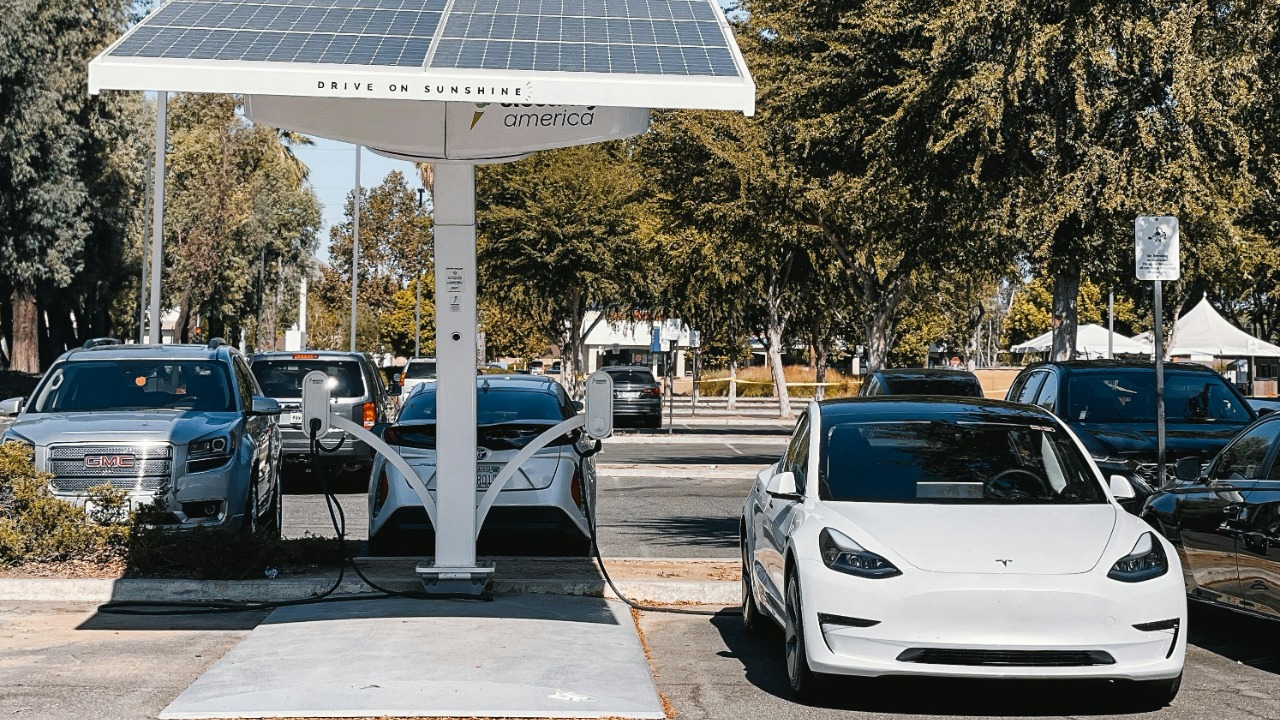
California officials have announced a strategic pivot from renewing the expiring EV tax credit to investing in the state’s charging infrastructure. This decision reflects a broader effort to meet the increasing demand for accessible EV charging stations, which is crucial for supporting the growing number of electric vehicles on the road. By focusing on infrastructure, California aims to align more closely with its environmental goals, ensuring that the state remains at the forefront of sustainable transportation initiatives. This shift in focus is seen as a necessary step to address the practical needs of EV owners, who often cite charging availability as a primary concern (Teslarati).
The decision to prioritize charging infrastructure over tax credits is also a response to the evolving landscape of the EV market. As electric vehicles become more mainstream, the need for a robust and widespread charging network becomes increasingly critical. California’s approach is intended to facilitate a smoother transition for consumers considering the switch to electric vehicles, by reducing one of the main barriers to adoption: the availability of charging stations. This strategy is expected to support the state’s long-term environmental objectives by promoting a more sustainable and accessible EV ecosystem (Autoblog).
In addition to addressing the immediate needs of EV owners, California’s investment in charging infrastructure is also seen as a long-term strategy to support the state’s ambitious climate goals. By 2035, California aims to have all new car sales be zero-emission vehicles, a target that requires a significant expansion of the charging network to accommodate millions of electric cars. This infrastructure development is expected to create new jobs and stimulate economic growth, particularly in the green technology sector. Furthermore, by improving charging accessibility, California hopes to encourage more residents to consider EVs as a viable alternative to traditional gasoline-powered vehicles, thereby reducing the state’s overall carbon footprint (Teslarati).
Governor Newsom’s Reaction and Accusations Against GM

Governor Gavin Newsom has expressed his frustration over the disappearance of the $7,500 tax credit, a key incentive for potential EV buyers. In a pointed statement, Newsom accused General Motors of selling out the state’s environmental efforts. His comments underscore the tensions between state policies aimed at promoting clean energy and the decisions made by major automotive manufacturers. Newsom’s reaction highlights the challenges that arise when state initiatives clash with corporate strategies, particularly in the context of environmental incentives and the automotive industry’s role in shaping them (InsideEVs).
The governor’s accusations against GM reflect broader concerns about the influence of large manufacturers on state and national environmental policies. As California seeks to maintain its leadership in the EV market, the interplay between state incentives and corporate actions becomes increasingly significant. Newsom’s remarks suggest a need for greater alignment between government objectives and industry practices to ensure that environmental goals are met effectively. This situation also raises questions about the responsibility of automakers in supporting state-led initiatives aimed at reducing carbon emissions and promoting sustainable transportation (Automotive News).
Impact on Consumers and the EV Market in California
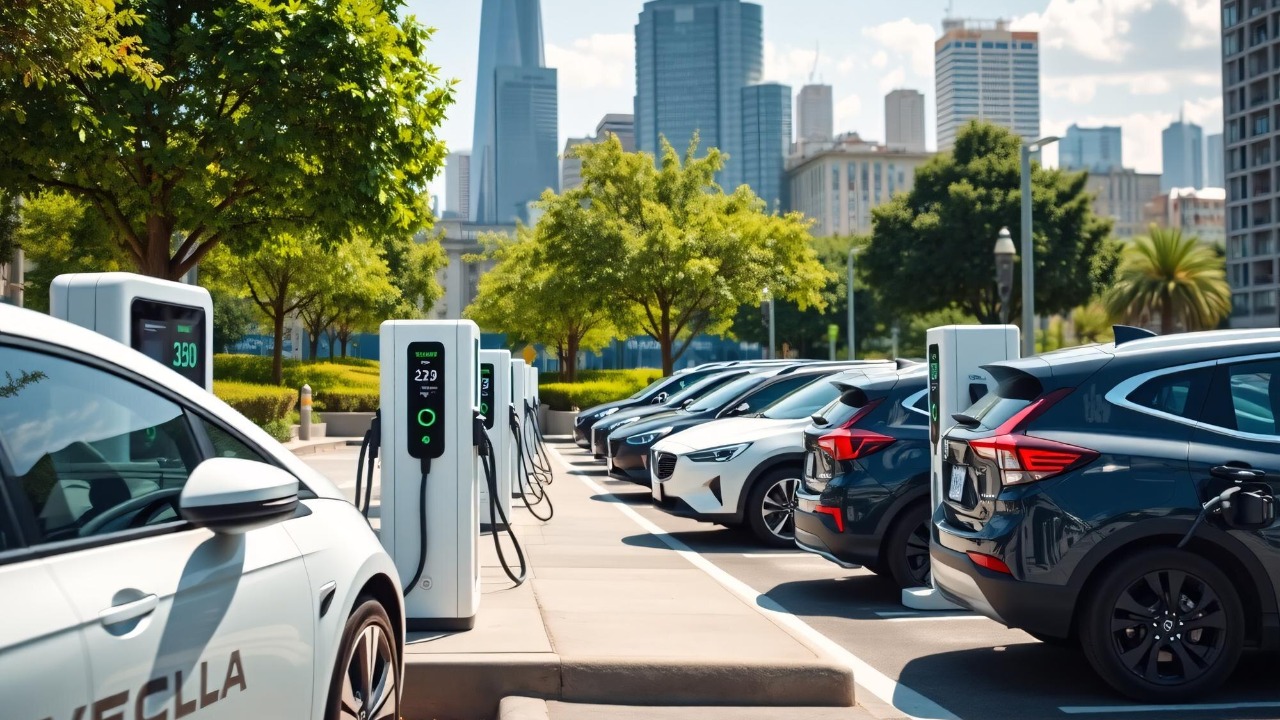
The removal of the $7,500 tax credit is expected to have a notable impact on consumer decisions, potentially slowing the adoption of electric vehicles in California. Financial incentives have been a significant driver of EV sales, and their absence could lead to a reevaluation of the state’s role as a leader in the EV market. Analysts predict that without the tax credit, some consumers may be less inclined to make the switch to electric vehicles, which could affect overall sales figures and market growth. This development poses a challenge for California as it strives to maintain its position at the forefront of the EV revolution (CarsDirect).
The decision to abandon the tax credit also raises questions about the effectiveness of California’s current strategies to promote EV adoption. While the focus on charging infrastructure is a positive step, the lack of direct financial incentives could deter some potential buyers. This situation underscores the importance of balancing infrastructure investments with consumer incentives to ensure a comprehensive approach to supporting the EV market. As California navigates these challenges, the state’s policies will likely serve as a benchmark for other regions considering similar shifts in their approach to promoting electric vehicles (Teslarati).
Despite the potential drawbacks of removing the tax credit, some industry experts believe that the focus on infrastructure could ultimately benefit consumers by making EV ownership more convenient and practical. The expansion of charging stations is expected to alleviate range anxiety, a common concern among potential EV buyers who worry about running out of power without access to a nearby charger. This increased convenience could offset the loss of the tax credit by making electric vehicles more appealing to a broader audience. Additionally, as the cost of EVs continues to decrease due to advancements in technology and increased production, the reliance on financial incentives may diminish over time, making infrastructure improvements a more sustainable investment for the future (CarsDirect).
Broader Implications for U.S. EV Policy

California’s policy reversal may have broader implications for national discussions on how to balance consumer incentives with investments in infrastructure. As a leader in environmental policy, California’s decisions often influence other states and shape national trends. The shift away from tax credits towards infrastructure investment could prompt other states to reassess their strategies for supporting EV adoption. This development highlights the need for a coordinated approach that considers both industry partnerships and state-driven initiatives to effectively promote sustainable transportation (Automotive News).
The decision also raises important questions about the future of U.S. EV policy and the role of state governments in driving change. As the federal government and individual states work to develop comprehensive strategies for reducing carbon emissions, the balance between financial incentives and infrastructure development will be crucial. California’s experience may serve as a valuable case study for other regions looking to enhance their EV policies and support the transition to a more sustainable transportation system. This situation underscores the importance of collaboration between government entities and the private sector to achieve shared environmental goals (CarsDirect).
