In a notable shift within the European electric vehicle market, BYD has once again surpassed Tesla in sales. This achievement marks a significant milestone as the European Union intensifies its push for electric vehicle adoption. The competition between these two giants highlights the dynamic nature of the EV market in Europe, where policies and consumer preferences are rapidly evolving.
BYD’s Rising Dominance in the EU Market
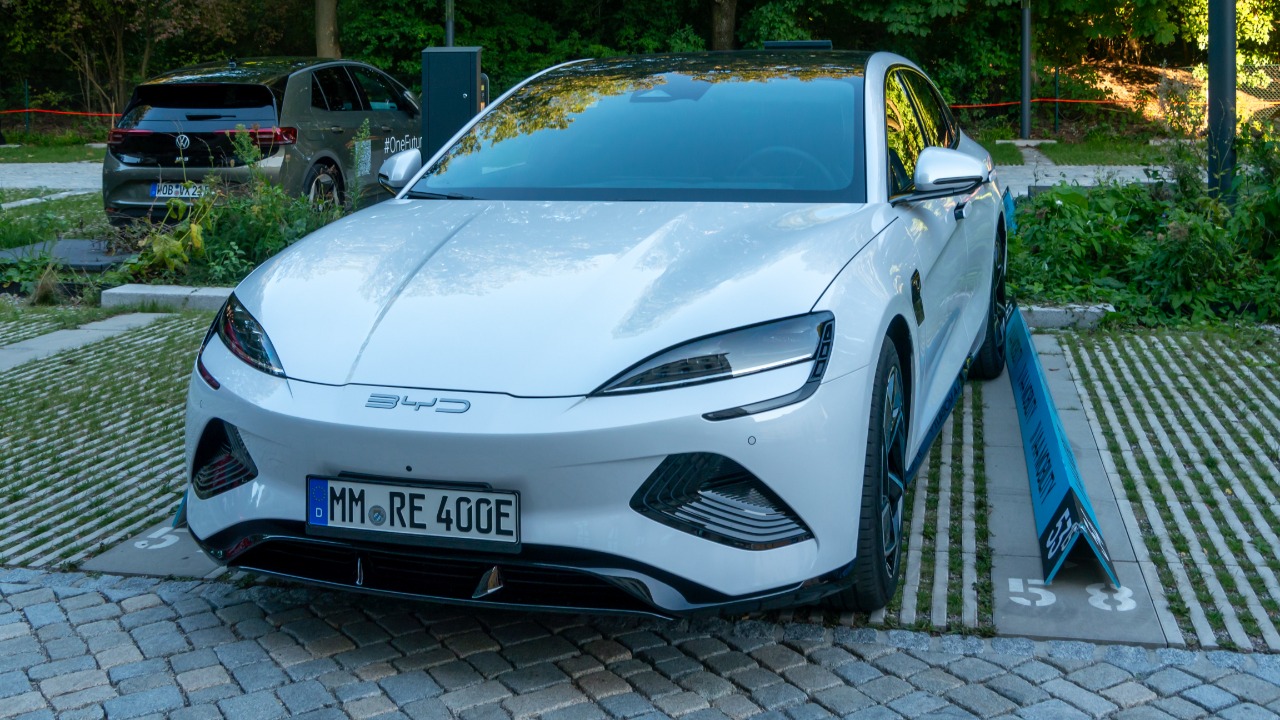
BYD has consistently outsold Tesla in the European Union, a trend that underscores its growing influence in the region. Recent sales figures highlight BYD’s success, as the company leverages its strategic advantages to capture a larger market share. One of the key strategies employed by BYD is competitive pricing, which has made its vehicles more accessible to a broader range of consumers. Additionally, BYD has formed local partnerships that enhance its distribution network and marketing efforts, further solidifying its presence in the European market (Yahoo Finance).
These strategies have allowed BYD to effectively compete with established players like Tesla. By focusing on affordability and local engagement, BYD has positioned itself as a formidable competitor in the EV sector. The company’s ability to adapt to local market conditions and consumer preferences has been a critical factor in its success. As a result, BYD’s vehicles are becoming increasingly popular among European consumers who are looking for reliable and cost-effective electric transportation options.
In addition to competitive pricing and local partnerships, BYD’s focus on innovation and sustainability has further bolstered its position in the European market. The company has invested heavily in research and development to enhance the efficiency and performance of its electric vehicles. This commitment to innovation has resulted in a range of models that not only meet but exceed the expectations of environmentally conscious consumers. Furthermore, BYD’s emphasis on sustainability aligns with the EU’s green initiatives, making its vehicles an attractive choice for consumers looking to reduce their carbon footprint.
BYD’s strategic approach also includes expanding its charging infrastructure across Europe, which addresses one of the key barriers to EV adoption: range anxiety. By collaborating with local governments and private entities, BYD is working to ensure that its customers have access to convenient and reliable charging options. This initiative not only enhances the appeal of BYD’s vehicles but also supports the broader goal of increasing electric vehicle adoption in the region.
EU’s Push for Accelerated EV Adoption
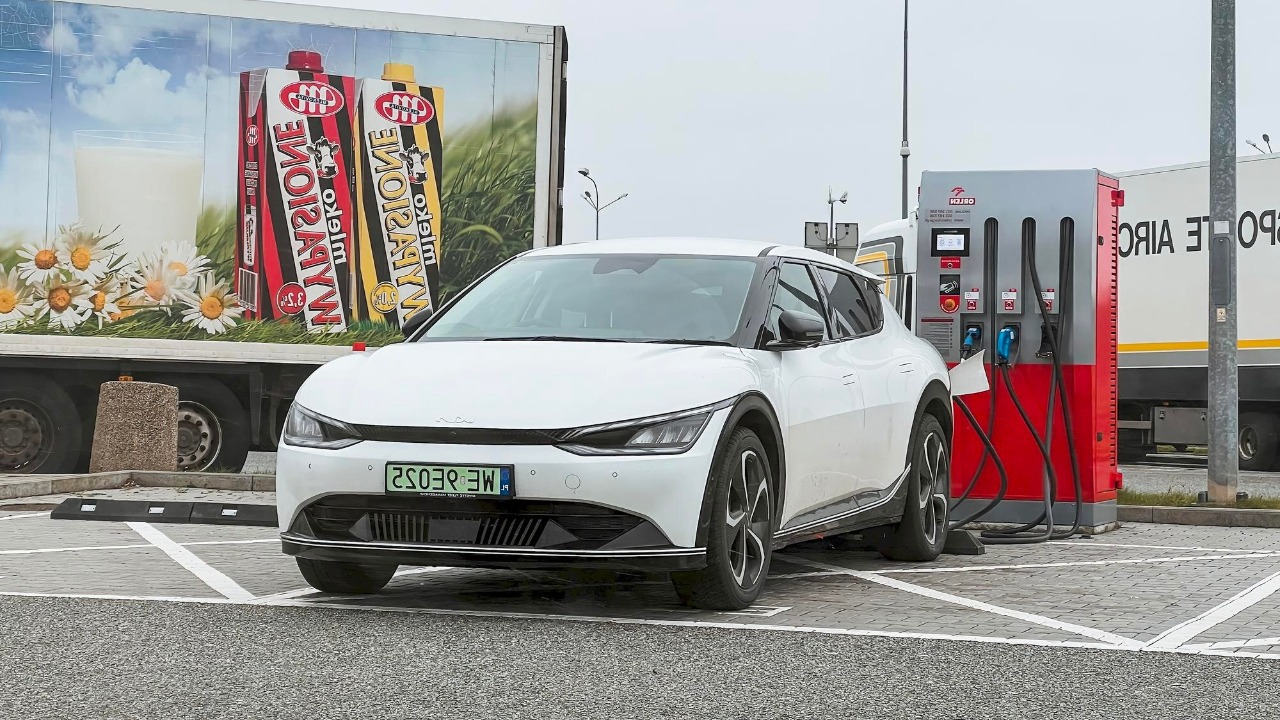
The European Union’s policies and incentives aimed at ramping up electric vehicle sales have played a significant role in BYD’s success. The EU has implemented a range of measures designed to encourage the adoption of electric vehicles, including subsidies, tax incentives, and stricter emissions regulations. These policies have created a favorable environment for EV manufacturers, allowing companies like BYD to thrive. The EU’s commitment to sustainable transportation is evident in its ambitious targets for reducing carbon emissions and promoting clean energy solutions (Yahoo Finance).
The impact of these policies extends beyond BYD, influencing the broader automotive industry in Europe. Other automakers are also adapting to the changing landscape by investing in electric vehicle technology and expanding their EV offerings. This shift towards sustainable transportation is reshaping the industry, as manufacturers strive to meet the growing demand for environmentally friendly vehicles. The EU’s efforts to accelerate EV adoption are not only benefiting individual companies but also contributing to a more sustainable future for the region.
The European Union’s commitment to electric vehicles is further demonstrated by its investment in infrastructure development. The EU has allocated significant funding to expand the network of charging stations across member states, ensuring that EV owners have easy access to charging facilities. This infrastructure development is crucial for supporting the growing number of electric vehicles on the road and alleviating concerns about range limitations. Additionally, the EU is working on harmonizing charging standards to facilitate cross-border travel for electric vehicle owners, thereby enhancing the overall convenience and appeal of EVs.
Moreover, the EU’s regulatory framework is evolving to support the transition to electric mobility. The introduction of stricter emissions standards and the phasing out of internal combustion engine vehicles are driving automakers to accelerate their shift towards electric models. These regulatory measures are complemented by public awareness campaigns that highlight the environmental and economic benefits of electric vehicles, further encouraging consumers to make the switch. The EU’s comprehensive approach to promoting electric vehicles is setting a benchmark for other regions aiming to achieve similar sustainability goals.
BYD’s Global Aspirations

BYD’s success in the European market aligns with its broader international expansion plans. The company has set an ambitious goal to double its overseas sales to 800,000 units in 2025, as stated by the company’s chairman. This target reflects BYD’s commitment to becoming a leading global player in the electric vehicle industry. By expanding its presence in key markets like Europe, BYD is positioning itself to achieve significant growth in the coming years (Reuters).
The company’s performance in the EU is a testament to its ability to compete on a global scale. BYD’s international aspirations are supported by its strong product lineup and strategic market positioning. As the company continues to expand its reach, it is likely to encounter new challenges and opportunities in different regions. However, BYD’s track record of success in Europe suggests that it is well-equipped to navigate the complexities of the global market and achieve its ambitious sales targets.
Tesla’s Response and Market Strategy
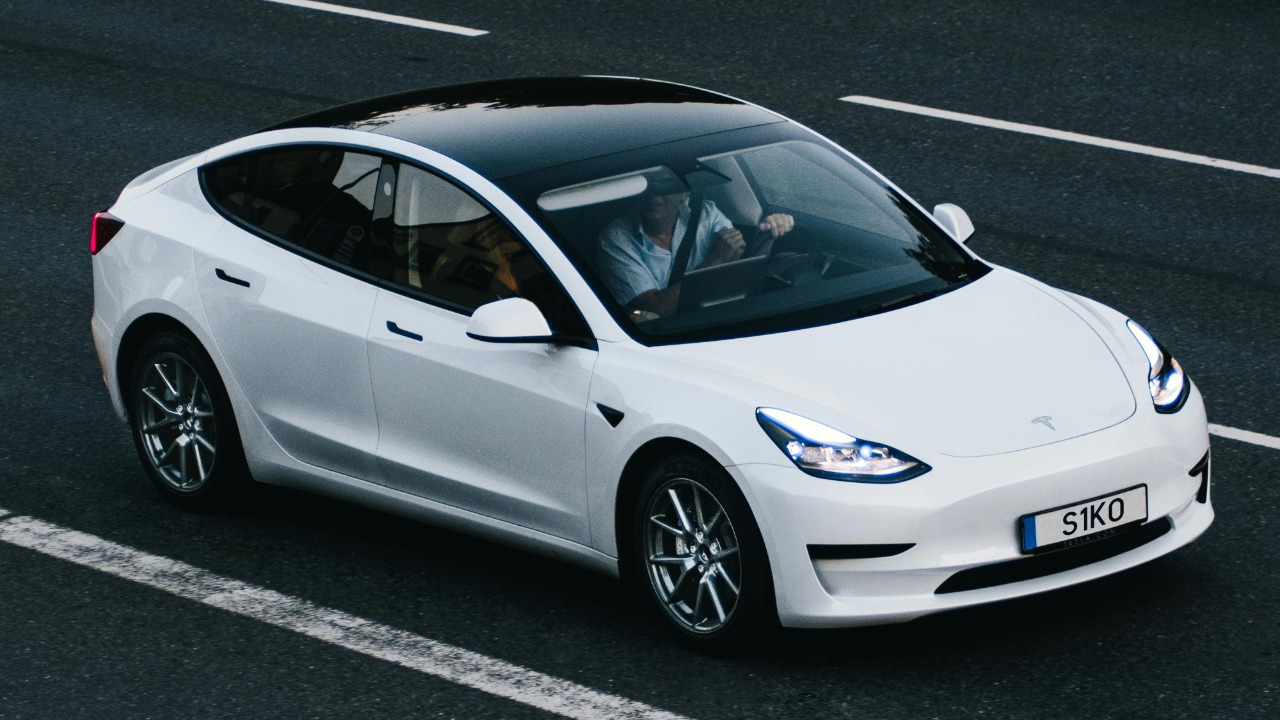
In response to BYD’s growing presence in the European market, Tesla is likely to adjust its strategies to maintain its competitive edge. This could involve changes in pricing, product offerings, or manufacturing processes. Tesla’s ability to innovate and adapt to market conditions has been a key factor in its success, and the company is expected to leverage these strengths to counter the competition from BYD and other emerging EV manufacturers (Yahoo Finance).
As the European EV market continues to evolve, Tesla may explore new opportunities to differentiate its products and enhance its brand appeal. This could include the introduction of new models or features that cater to the specific preferences of European consumers. Additionally, Tesla’s focus on sustainability and cutting-edge technology could help it maintain its position as a leader in the EV industry. The competition between Tesla and BYD is likely to drive further innovation and growth in the sector, benefiting consumers and advancing the transition to sustainable transportation.
