
Recent advancements in laser technology have the potential to revolutionize how we access the internet, offering speeds previously thought impossible. With traditional wireless internet facing limitations in speed and reliability, scientists are exploring laser-based solutions that could surpass current capabilities and reshape the digital landscape.
The Current State of Wireless Internet Technology

Current wireless internet technology, while revolutionary in its early days, is beginning to show its limitations. Users frequently experience speed bottlenecks due to the increasing number of connected devices, which can saturate available bandwidth. Interference from physical barriers such as walls and competing signals from neighboring networks further degrades performance, leading to unreliable connections and slower speeds. These challenges are particularly pronounced in urban areas where network congestion is commonplace.
In comparison, fiber optics offer a more robust solution, providing higher speeds and greater reliability. The use of light to transmit data through optical fibers allows for significantly faster data transfer rates, with much less susceptibility to interference. However, the cost and logistical challenges of laying fiber optic cables in remote or densely populated areas remain a significant barrier to widespread adoption. Meanwhile, emerging satellite technologies, such as Starlink and China’s 1 Gbps satellite internet, are pushing the boundaries of speed and accessibility, but they still face challenges in latency and consistency.
How Laser Technology Works in Internet Applications

Laser communication technology represents another leap forward in internet connectivity. Unlike traditional radio waves, laser-based communication uses light beams to transmit data, allowing for potentially unprecedented speeds and bandwidth. This method of communication is not just theoretical; it has already been successfully tested in various controlled environments. By focusing a beam of light between two points, data can be transferred at rates far exceeding those of conventional wireless methods.
Recently, researchers have made significant breakthroughs in laser technology. Experiments conducted in Japan have set new internet speed records, highlighting the potential of lasers to transform digital communication. The benefits of laser-based internet over traditional methods are substantial. Lasers can offer higher speeds, lower latency, and more reliable connections, particularly in areas where traditional infrastructure is lacking. By reducing the reliance on physical cables and minimizing interference, laser technology could redefine how we think about internet connectivity.
Potential Impact on Global Internet Access
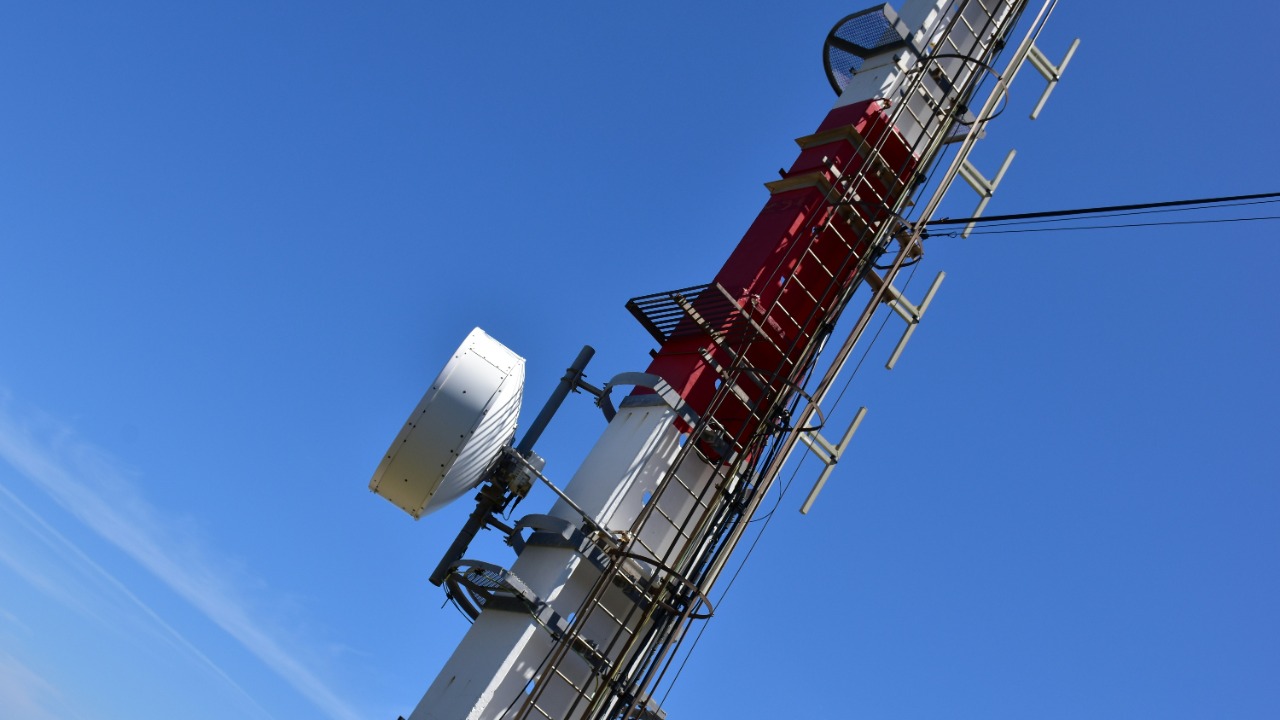
The implications of laser technology for global internet access are profound. One of the most promising aspects is its ability to expand access to remote and underserved areas. Traditional internet infrastructure is often too costly or impractical to deploy in these regions, leaving millions without reliable internet access. Laser technology could offer a viable alternative, providing high-speed connections without the need for extensive physical infrastructure.
The economic and educational implications of expanded internet access are significant. With reliable internet, remote communities could participate more fully in the global economy, fostering innovation and growth. Educational opportunities would also expand, as students in remote areas gain access to online resources and learning platforms. Moreover, the environmental impact of laser technology is also worth considering. Unlike traditional infrastructure, which often requires extensive construction and maintenance, laser-based systems could offer a more sustainable solution, reducing the carbon footprint associated with internet service provision.
Challenges and Considerations for Implementation

Despite its potential, several challenges must be addressed before laser technology can be widely adopted. Technical hurdles, such as weather interference and the requirement for a clear line of sight between transmission points, pose significant challenges. Lasers can be affected by environmental conditions like fog, rain, and dust, which could disrupt the signal and reduce reliability. Researchers are actively working on solutions to these issues, exploring ways to mitigate the effects of adverse weather conditions.
Additionally, regulatory and safety concerns will need to be addressed. The use of laser transmissions requires compliance with existing regulations, and new guidelines may be necessary to ensure safe and effective deployment. Moreover, the cost and infrastructure development required for large-scale implementation could be substantial. While laser technology may reduce the need for physical infrastructure, initial setup costs and the development of compatible devices and systems will require significant investment.
The Future of Internet Connectivity with Lasers

Looking ahead, the integration of laser technology into mainstream internet solutions appears promising. While widespread adoption may still be a few years away, the potential for lasers to complement or even replace existing technologies is clear. As researchers continue to refine the technology and address current challenges, we may see laser-based internet become a viable alternative to traditional methods.
Integration with existing technologies also holds promise. Laser internet could work alongside current systems, providing a hybrid solution that leverages the strengths of both approaches. For instance, laser technology could enhance satellite internet services, offering higher speeds and lower latency. This synergy could lead to a more connected world, where reliable internet access is available to all, regardless of location. The vision for a connected world, powered by laser technology, is one where communication and innovation know no bounds, and the digital divide becomes a relic of the past.
