Substantial progress has been made in the quest for room-temperature superconductors, setting the stage for a potential revolution in energy transmission and storage. The breakthrough experiments and their implications promise a new era for technology.
Understanding Superconductivity

Superconductivity, in simple terms, refers to the phenomenon where certain materials can conduct electrical current with zero resistance when cooled to extremely low temperatures. This concept, first discovered in 1911, has been a cornerstone in the field of physics, leading to numerous technological innovations such as MRI machines and particle accelerators.
Yet, the holy grail of superconductivity research has been the creation of room-temperature superconductors. These materials, if realized, could conduct electricity without any loss, thereby transforming the way we generate, transmit, and store energy. The challenge lies in achieving this state at room temperature, as traditional superconductors require chilling to near absolute zero.
Recent Breakthroughs in Superconductivity Research
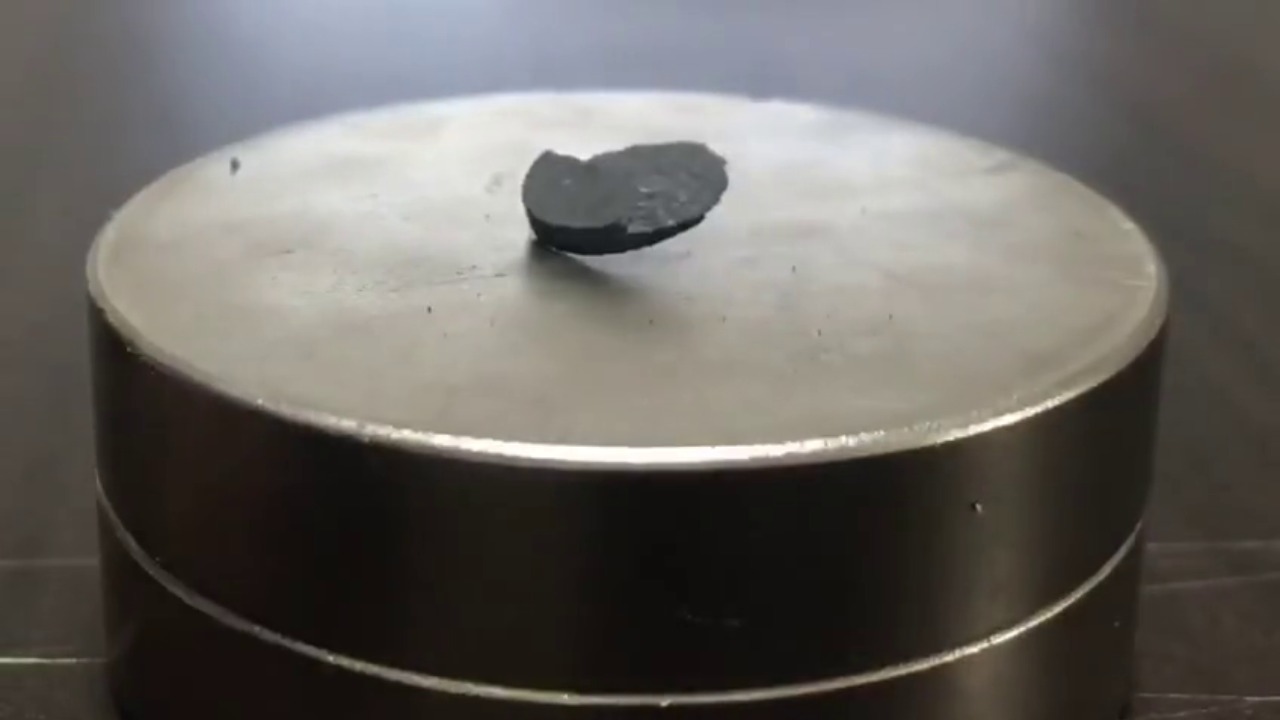
Despite the challenges, researchers have made significant strides towards realizing room-temperature superconductivity. One notable experiment is the LK-99 room-temperature superconductor project. In this experiment, scientists successfully demonstrated superconductivity at about 15 degrees Celsius, a major leap from the ultra-cold temperatures usually required.
In a separate development, researchers from MIT have shown that high-temperature superconducting magnets are fusion-ready. This implies that these magnets can operate at temperatures far higher than previously thought possible, opening up new possibilities for fusion power generation. Meanwhile, China has made significant progress in ultra-high-speed maglev train technology, leveraging the advantages of high-temperature superconductors.
Technical Aspects of Room-Temperature Superconductors
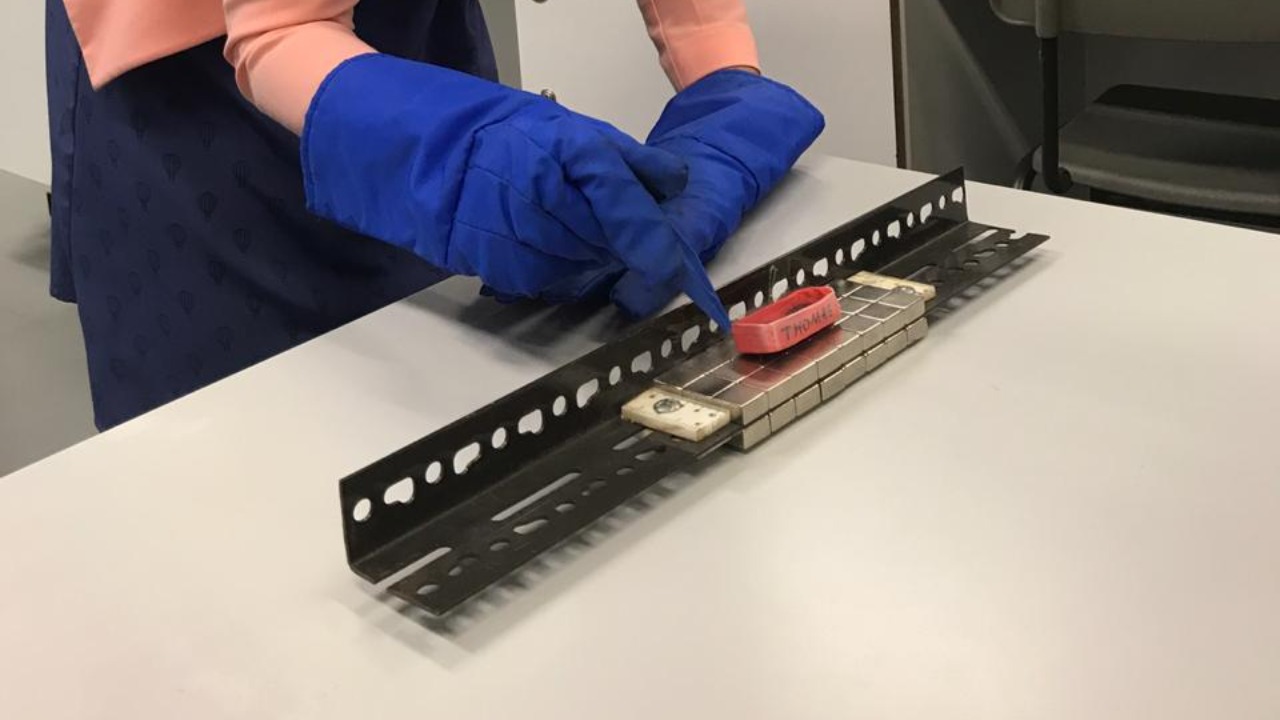
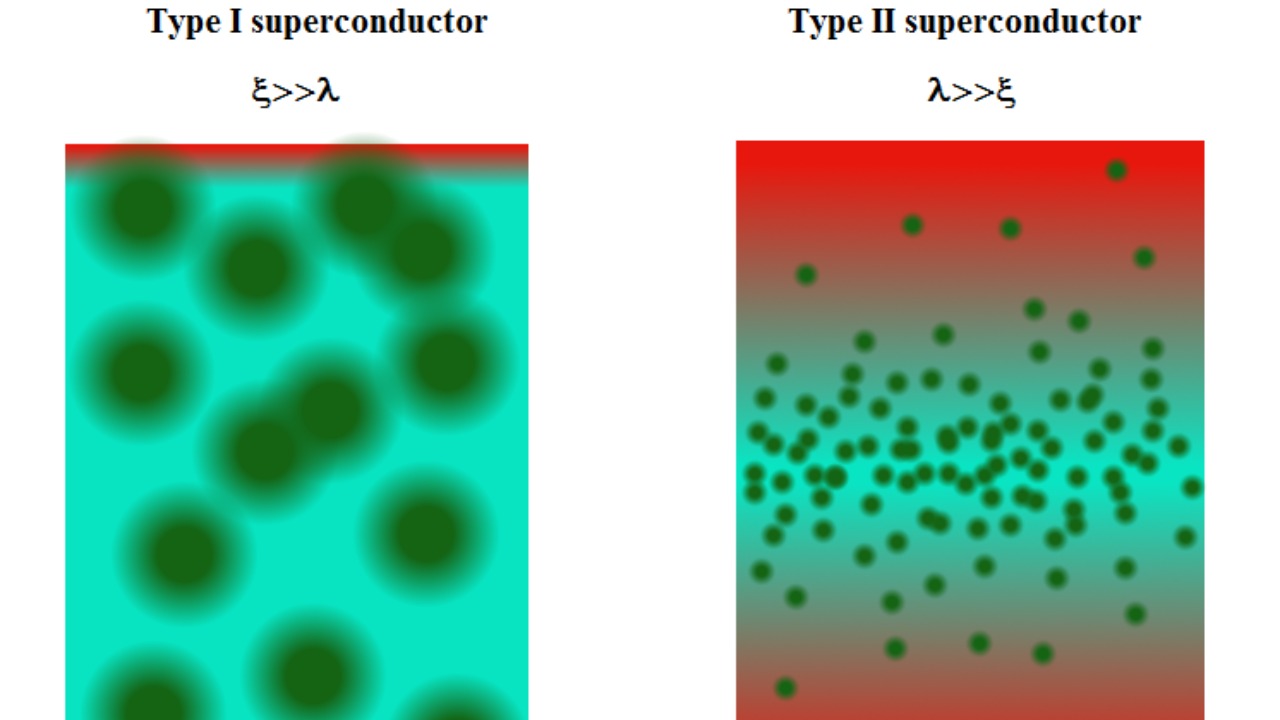
The science of high-temperature superconductivity is complex, involving quantum mechanics and exotic states of matter. The phenomenon is explained by a theory called ‘Cooper pairing’, where electrons with opposite spins and momenta pair up and move through a lattice without scattering off impurities, thus eliminating resistance.
Creating room-temperature superconductors, however, is more complex. It involves the use of specific materials, often ceramic compounds, that exhibit superconductivity at higher temperatures. Quantum mechanics plays a crucial role in this, as the behavior of particles at these scales is vastly different from our everyday world. A detailed understanding of these processes was recently published in a study in the Nature journal.
Implications of Room-Temperature Superconductors
Room-temperature superconductors could have a profound impact on energy transmission and storage. By eliminating electrical resistance, we could develop near-lossless power lines, dramatically increasing the efficiency of electrical grids. This could also revolutionize energy storage, enabling superconducting magnetic energy storage systems that can store large amounts of energy for extended periods.
Beyond energy, the transportation sector could also benefit significantly. High-speed maglev trains, like the ones being developed in China, could become more common, offering faster, more efficient travel. Moreover, electric vehicles could see enhanced performance and longer battery life due to more efficient motors and energy storage systems made possible by room-temperature superconductors.
Challenges and Future Perspectives
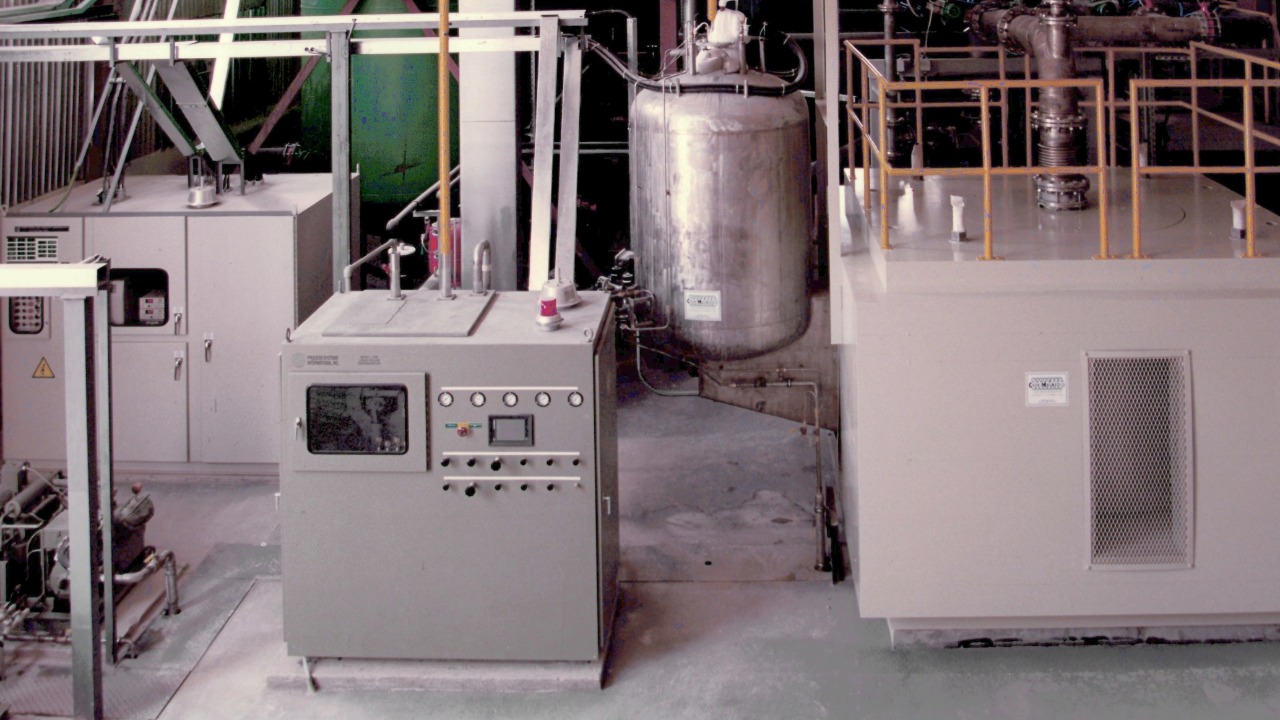
Despite these exciting prospects, several challenges need to be addressed before room-temperature superconductors can be scaled up for widespread use. Manufacturing these materials on a large scale while maintaining their superconducting properties is a significant hurdle. Additionally, many of these materials are brittle and difficult to shape, posing challenges for their practical application.
Researchers, however, remain optimistic about the future of room-temperature superconductors. Continuous advancements in materials science and quantum mechanics suggest that we are steadily inching towards this goal. As we continue to deepen our understanding of high-temperature superconductivity, the dream of room-temperature superconductors seems more attainable than ever before.
