A significant scientific breakthrough has led to the creation of a ‘fluorescent biological qubit’, a development that could potentially transform human cells into quantum sensors. This advancement opens up a new realm of possibilities in the field of quantum biology.
Understanding the Breakthrough
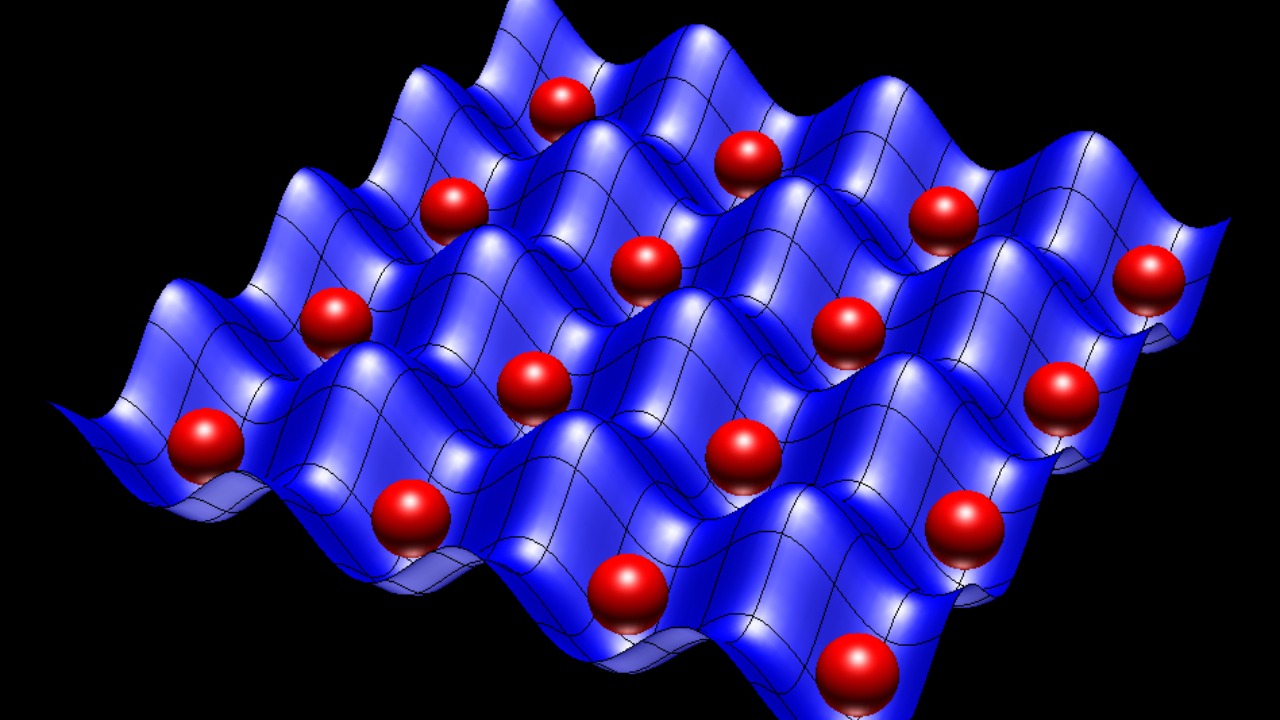
The ‘fluorescent biological qubit’ represents a significant step forward in the scientific community. This development is a result of the convergence of quantum physics and biology, two fields that have traditionally been considered separate. The term ‘qubit’ is derived from ‘quantum bit’, the fundamental unit of quantum information. In this context, a ‘fluorescent biological qubit’ refers to a biological entity, such as a cell, that can exist in multiple states simultaneously, much like a quantum bit in a quantum computer.
The process of developing a fluorescent biological qubit involves manipulating the quantum properties of certain biological molecules to make them behave like qubits. This is achieved through a combination of advanced techniques in quantum physics and molecular biology. The development of this technology was made possible by recent advancements in both fields, which have allowed scientists to manipulate and observe quantum phenomena at the molecular level.
The Concept of Cells as Quantum Sensors
The idea of turning cells into quantum sensors is a revolutionary concept in the field of quantum biology. By harnessing the quantum properties of biological molecules, it may be possible to create cells that can detect and respond to quantum information. This could potentially allow for the development of new types of sensors that can detect minute changes in the environment at a quantum level.
However, the concept of using human cells as quantum sensors is not without its challenges. The quantum world is notoriously difficult to control and observe, and the biological world is no less complex. Combining these two fields presents a host of technical and theoretical challenges. Furthermore, the ethical implications of manipulating human cells at a quantum level are yet to be fully explored.
Impact on Health and Medical Fields

The potential impact of this breakthrough on health and medical research is immense. The ability to use human cells as quantum sensors could revolutionize disease detection and treatment. For example, quantum sensors could potentially detect disease at a much earlier stage than current methods allow, leading to earlier intervention and improved outcomes.
However, the use of this technology in the medical field also raises a number of ethical considerations. The manipulation of human cells at a quantum level could potentially have unforeseen consequences, and the use of such technology would need to be carefully regulated to ensure it is used responsibly and ethically.
Delving deeper into the potential implications for health and medical fields, the creation of fluorescent biological qubits could also pave the way for personalized medicine. By using quantum sensors, doctors could potentially monitor individual cells in real-time, allowing for treatments to be tailored to the specific needs of each patient. This could lead to more effective treatments and improved patient outcomes.
Moreover, the use of quantum sensors could also enhance medical imaging techniques. Current imaging methods often struggle to detect small changes in the body, but quantum sensors could potentially provide a much higher level of detail. This could revolutionize the way diseases are diagnosed and monitored, providing doctors with a more comprehensive understanding of a patient’s condition.
Despite the potential benefits, it’s crucial to note that the use of quantum biology in the medical field is still in its early stages. The technology is not yet ready for clinical use, and much more research is needed to fully understand its potential and limitations. As such, while the potential benefits are exciting, they should be viewed as long-term possibilities rather than immediate realities.
Future Prospects and Developments
The development of the fluorescent biological qubit represents a significant milestone in the field of quantum biology, but it is just the beginning. The potential for further advancements and developments in this field is vast. This breakthrough could inspire further research and exploration in the realm of quantum biology, leading to new discoveries and technologies.
Furthermore, the impact of this breakthrough is not limited to the field of biology. The principles and techniques developed in the creation of the fluorescent biological qubit could potentially be applied in other scientific fields and industries. The possibilities are as vast as the quantum world itself. Source: Live Science.
Looking ahead, the creation of the fluorescent biological qubit could have far-reaching implications beyond the field of biology. For instance, the principles of quantum biology could potentially be applied to the development of quantum computers. By harnessing the power of quantum phenomena, scientists could potentially create computers that are exponentially more powerful than current models. This could revolutionize a wide range of industries, from finance to artificial intelligence.
Additionally, the development of quantum sensors could also have significant implications for environmental science. These sensors could potentially detect minute changes in the environment at a quantum level, providing a new level of detail in environmental monitoring. This could lead to more accurate predictions of environmental changes and help inform strategies for conservation and climate change mitigation.
However, it’s important to remember that these are potential applications, and much more research is needed to fully realize the potential of quantum biology. The field is still in its infancy, and while the creation of the fluorescent biological qubit is a significant step forward, there is still a long way to go.
