
Imagine a world where your phone screen can be projected directly onto your retina, enabling you to consume digital media and communicate in a hands-free manner. This future is closer than we think, thanks to the advent of smart contact lenses that double as phone screens. Let’s delve into the technology behind these innovative devices, their potential uses, health implications, and what they mean for the future of communication.
Understanding The Technology Behind Smart Contact Lenses
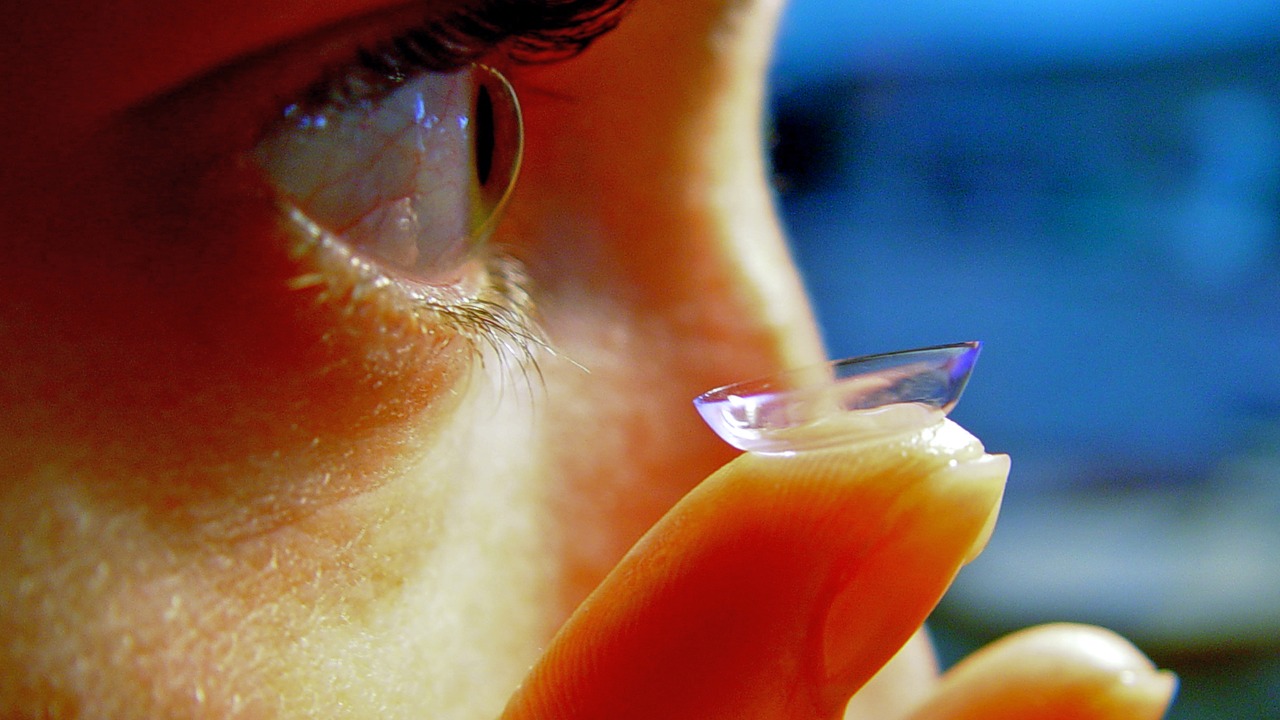
Smart contact lenses are the product of advancements in miniaturization and flexible electronics. They are embedded with ultra-thin sensors, which can carry out a variety of functions and are connected to a wireless technology system. These ultra-thin sensors work by capturing and transmitting data, thus enabling the lenses to function as a phone screen.
One of the key features of these smart contact lenses is that they can project images directly onto the retina. The image is generated on the lens surface, then focused onto the retina at the back of your eye. This breakthrough technology allows for a seamless integration of digital media into our usual field of vision, changing the way we interact with technology.
Features And Potential Uses Of Smart Contact Lenses
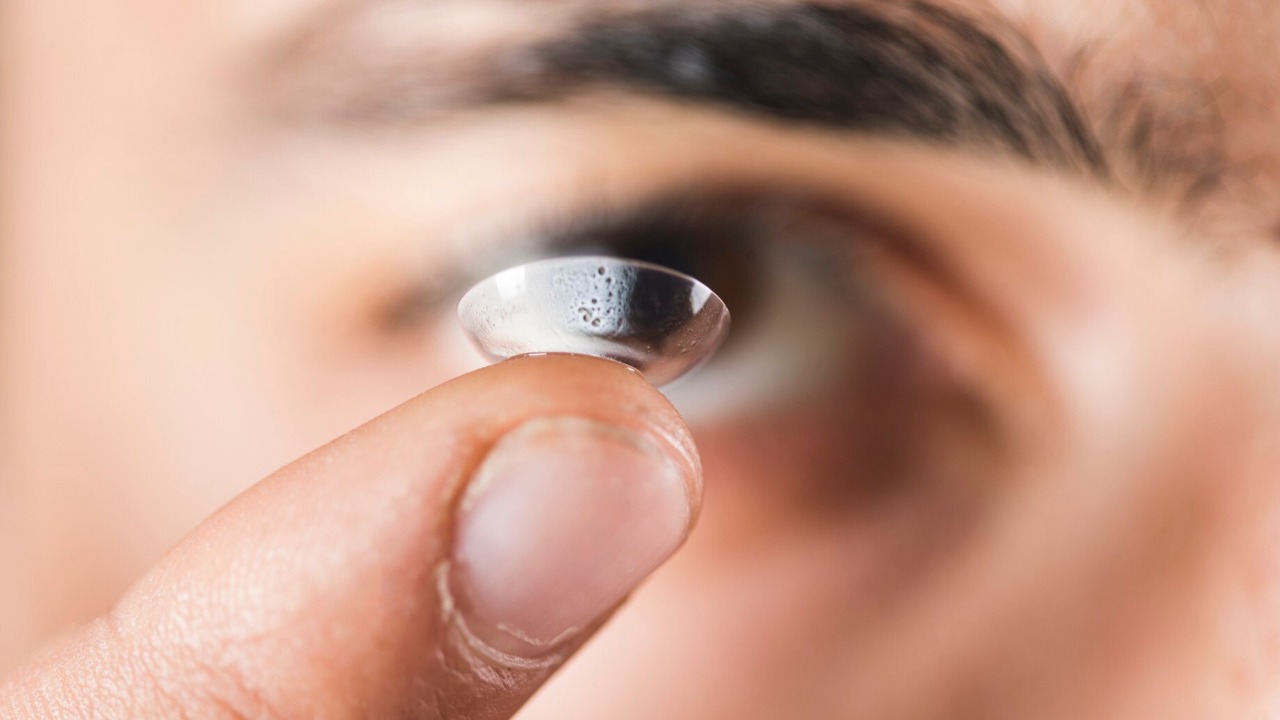
Smart contact lenses are not just miniature phone screens; they can connect to smartphones and other devices, enabling a range of features. For instance, they can be used for health monitoring, providing real-time updates on vital health indicators such as glucose levels and intraocular pressure. They can also offer augmented reality experiences, overlaying digital information on the physical world and providing hands-free communication.
These lenses have the potential to transform how we consume digital media and communicate. Rather than looking at a screen, the information can be presented directly to our eyes, offering a more immersive and intuitive digital experience. As future features of smartphones continue to evolve, we can expect smart contact lenses to incorporate more advanced functions, further integrating technology into our daily lives.
Health Implications of Smart Contact Lenses
While the potential benefits of smart contact lenses are immense, their impact on health should not be overlooked. On the positive side, they can monitor health indicators, providing invaluable data for medical professionals. For example, they could detect changes in intraocular pressure, helping to prevent conditions like glaucoma. On the downside, prolonged use of these lenses could potentially impact vision and increase the risk of eye infections.
For these reasons, the development and use of smart contact lenses will need to be regulated to ensure safety. Manufacturers will need to adhere to strict safety measures and undergo rigorous testing before these devices can be made widely available. But with appropriate regulations and safety measures in place, these lenses could offer significant health benefits.
Challenges And Obstacles In Developing And Implementing Smart Contact Lenses

Creating a device that combines the functionality of a smartphone with the comfort of a contact lens is no small feat. Challenges include ensuring a reliable power supply, smooth data transmission, and maintaining user comfort. Additionally, there are numerous regulatory and ethical hurdles to overcome, such as ensuring user privacy and security.
Despite these challenges, the potential benefits of smart contact lenses are too significant to ignore. As technology advances, solutions to these obstacles will be found, paving the way for these revolutionary devices. However, consumer acceptance of such a device will also be a significant factor in determining its success.
The Future of Communication: What Smart Contact Lenses Mean for Us
Smart contact lenses could revolutionize how we communicate and use technology, moving us closer to a truly hands-free digital experience. They could have a profound impact on various industries, from healthcare to entertainment and education. Imagine, for instance, watching a movie or attending a virtual class simply by using your smart contact lenses.
While it’s difficult to predict exactly what the future holds, we can expect further developments and improvements in the field of smart contact lenses. As research continues and technology advances, we may soon find ourselves living in a world where our contact lenses serve as our primary interface with the digital world.
