Brain scans have recently been utilized in groundbreaking studies to recreate images from dreams. This impressive leap in technology promises to unlock new perspectives on human cognition and the mysteries of the subconscious mind.
Understanding the Human Brain through Dreams

Dreams have been a subject of intrigue and study for centuries, providing a unique window into the human brain. As the gateway to the subconscious mind, dreams offer rare insights into our deepest thoughts, fears, and desires that are not readily available in our waking consciousness. The analysis of dreams, therefore, presents an opportunity to further our understanding of human cognition and emotional processing.
However, the study of dreams also poses certain challenges. Given their subjective nature and the reliance on personal interpretations, it can be difficult to derive concrete and objective findings from dream analysis. This is where the potential of brain imaging technology comes into play.
Technological Advancements in Brain Imaging

Over the years, brain imaging techniques have undergone remarkable evolution, offering deeper insights into the complex workings of the human brain. Recent advancements in neuroimaging promise to take this understanding to an entirely new level with their potential applications in areas such as memory retrieval, cognitive mapping, and now, dream analysis.
The incorporation of artificial intelligence (AI) in interpreting brain scan data has been a game-changer in this field. AI algorithms are capable of processing large volumes of complex data and detecting patterns that may not be apparent to the human eye, thereby offering a more objective approach to understanding human cognition.
The Process of Reconstructing Dream Images
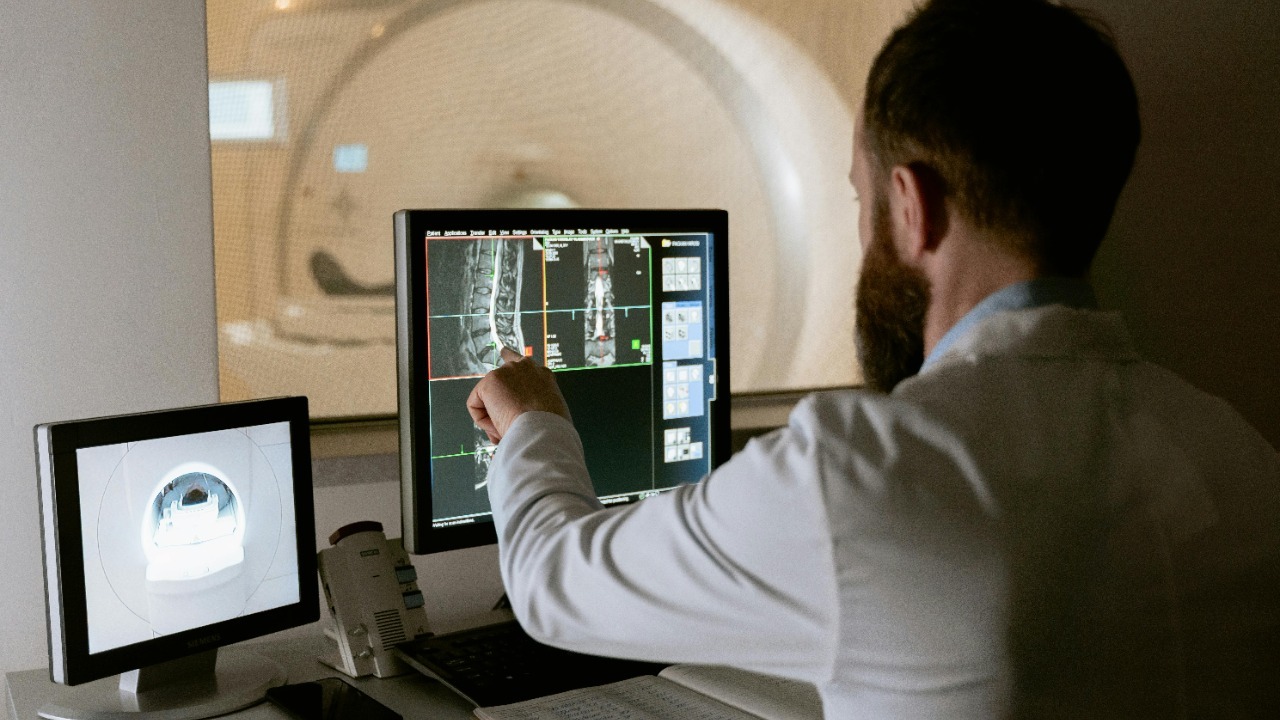
The process of reconstructing dream images involves capturing brain activity during dreams using MRI scans. This data is then translated into visual images using AI. The idea is to decode the neural activity associated with visual experiences during sleep, and transform this data into images that reflect the content of the dreams.
However, the process is not without its challenges. The complexity of brain activity, variability in dream content, and the current limitations of neuroimaging technology make the task of image reconstruction a formidable one. Despite these challenges, the progress made in this area so far is promising.
Case Studies of Dream Image Reconstruction
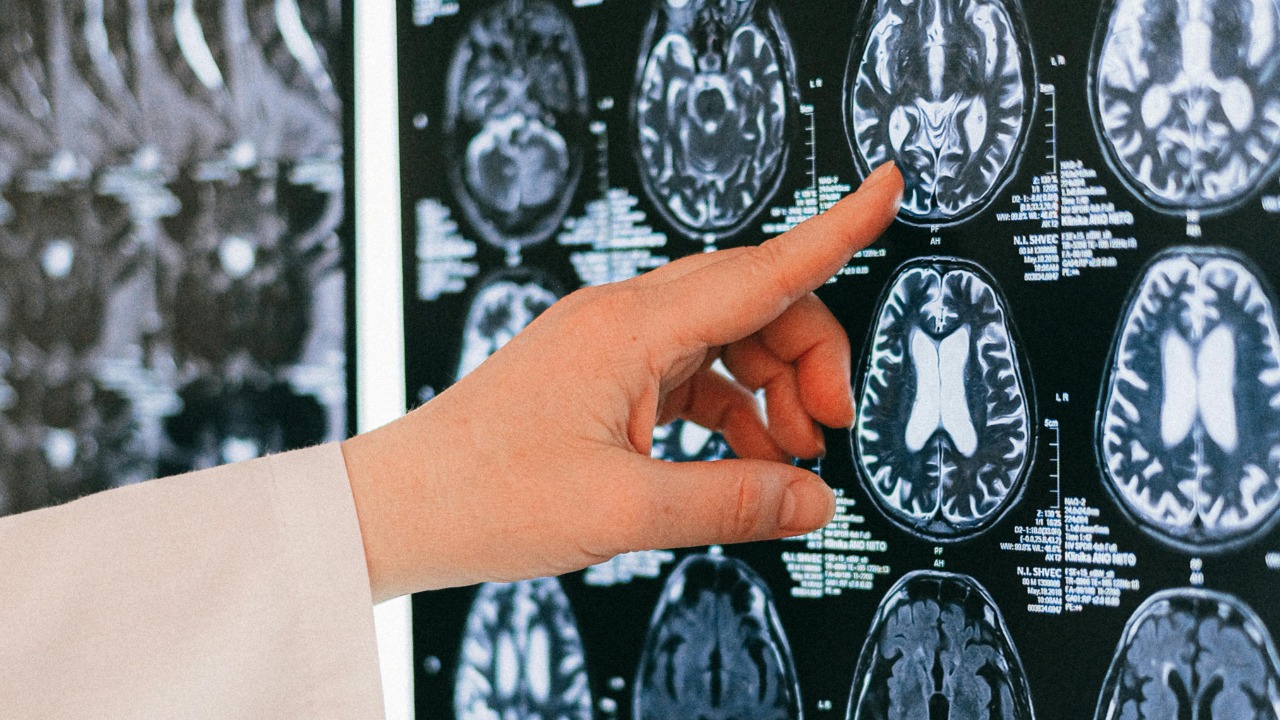
Several studies have already begun to explore the potential of dream image reconstruction. A study published in the Wiley Online Library provided valuable insights into the possibility of decoding dream content from brain activity. The researchers used sophisticated AI models to interpret dream-associated neural patterns, demonstrating the potential of this approach.
A similar study discussed in Smithsonian Magazine used brain scans and AI to recreate images that people saw. The results were fascinating, showing a considerable degree of accuracy in the recreated images.
The research published in the Proceedings of the National Academy of Sciences further underscores the potential of this technology. The study found that AI could accurately predict the occurrence of specific dream themes based on brain activity patterns.
Future Implications and Applications

Looking forward, the field of dream image reconstruction holds exciting possibilities. Advances in neuroimaging technology and AI could make it possible to create more accurate and detailed reconstructions of dream images. This could significantly enhance our understanding of the subconscious mind and human cognition.
Therapeutically, this technology could be used to address mental health issues and sleep disorders. For instance, it might allow therapists to visualize a patient’s dreams and gain a better understanding of their subconscious fears and desires. This could provide valuable insights for therapeutic interventions.
However, with these advancements come ethical considerations. The ability to capture and visualize dreams raises questions about privacy and consent. As we move forward, it will be crucial to address these potential risks and develop guidelines to ensure the responsible use of this technology.
As we continue to delve deeper into the realm of dreams and the subconscious mind, it’s clear that the combination of brain imaging and AI holds great promise. While the road ahead may be challenging, the potential rewards are immeasurable. The future of dream exploration is here, and it’s more exciting than we could have ever imagined.
