Recent insights into brain functioning challenge the long-standing belief that brain wiring is the primary determinant of intelligence and behavior. It appears that it’s not just about how the brain is wired, but also about how these connections are used, manipulated, and even hijacked in certain circumstances.
Mapping the Brain’s Complexities beyond Wiring
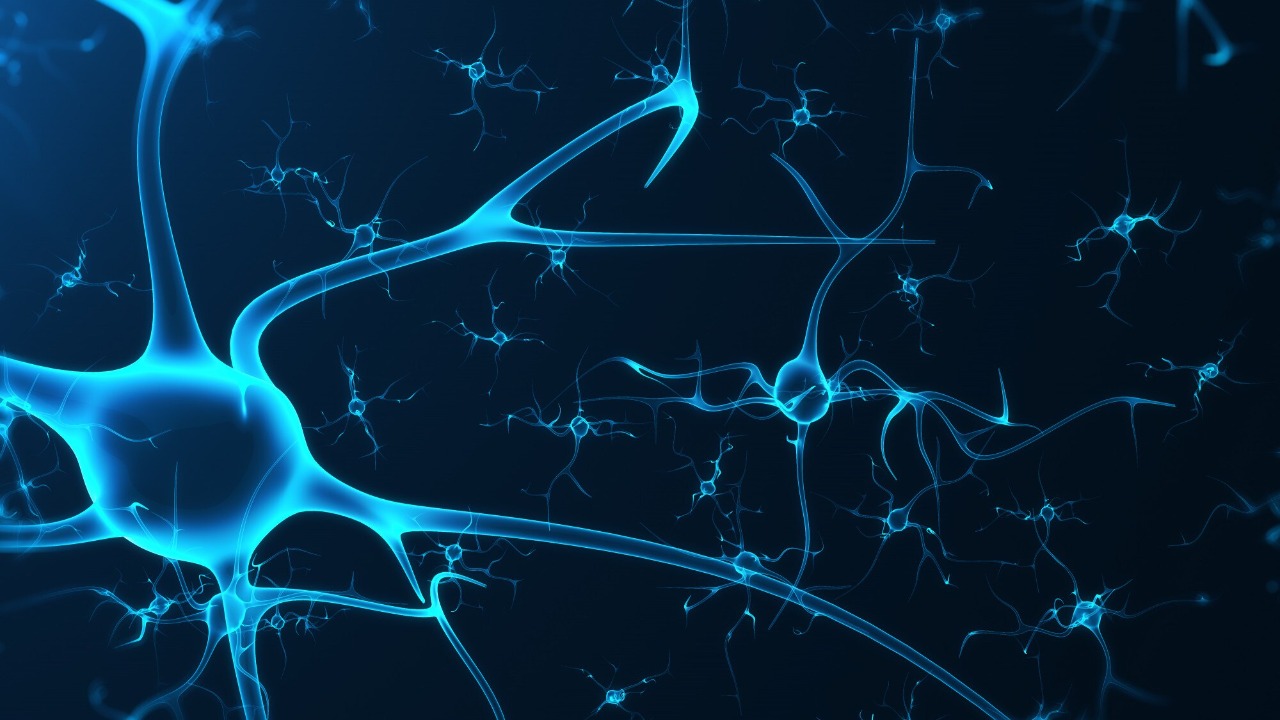
The brain’s complex functions go beyond mere wiring and interconnections. Recent research studies have started to challenge the wiring-centric view of the brain, suggesting that the mind-brain relationship is more intricate than previously thought. This new perspective has significant implications for our understanding of intelligence and behavior. Medical Xpress reports that the brain’s complexity is not solely defined by its wiring but also by how these connections are utilized.
Further exploration into the mind-brain relationship, as reported by Knowable Magazine, has started to shed light on how our understanding of intelligence is evolving. It’s not just about the physical connections in the brain, but also about how these connections interact with each other and with external stimuli.
According to Medical Xpress, the brain’s complexity extends to the dynamic nature of its connections. These connections are not static; they can strengthen, weaken, or change entirely based on experience and learning. This dynamic nature of brain connections contributes to the adaptability and resilience of the human mind, allowing us to learn new skills, adapt to new environments, and recover from brain injuries.
Moreover, Knowable Magazine emphasizes that the brain’s complexity is also reflected in its ability to process and integrate information from multiple sources. This includes not only sensory input from our environment but also internal signals related to emotions, thoughts, and memories. This multi-layered processing and integration of information contribute to our unique human experiences, perceptions, and behaviors.
Intelligence: It’s not just about Brain Wiring

Research has underscored that intelligence is determined by the utilization of brain wiring rather than the wiring itself. This means that two individuals with similar brain wiring can have varying levels of intelligence, depending on how their brains utilize these connections. BBC Future highlights that it’s how your brain is wired rather than size that matters when it comes to human intelligence.
This understanding challenges the traditional view that intelligence is a fixed trait determined by brain structure. Instead, it suggests that intelligence can be influenced by how effectively the brain uses its wiring to process information and respond to environmental stimuli.
As BBC Future points out, the brain’s ability to rewire itself – a process known as neuroplasticity – plays a crucial role in intelligence. Neuroplasticity allows the brain to adapt to new information, experiences, and challenges, which can lead to improvements in cognitive abilities and problem-solving skills. This suggests that intelligence is not a fixed trait but can be enhanced through learning and experience.
Furthermore, intelligence is also influenced by the brain’s ability to filter and prioritize information. The brain constantly receives a vast amount of information from our senses, but not all of this information is relevant or useful. The ability to filter out irrelevant information and focus on what’s important is a key aspect of intelligence, highlighting the importance of the brain’s dynamic processing capabilities beyond its static wiring.
Brain Hijacking: How Diseases Manipulate Brain Function
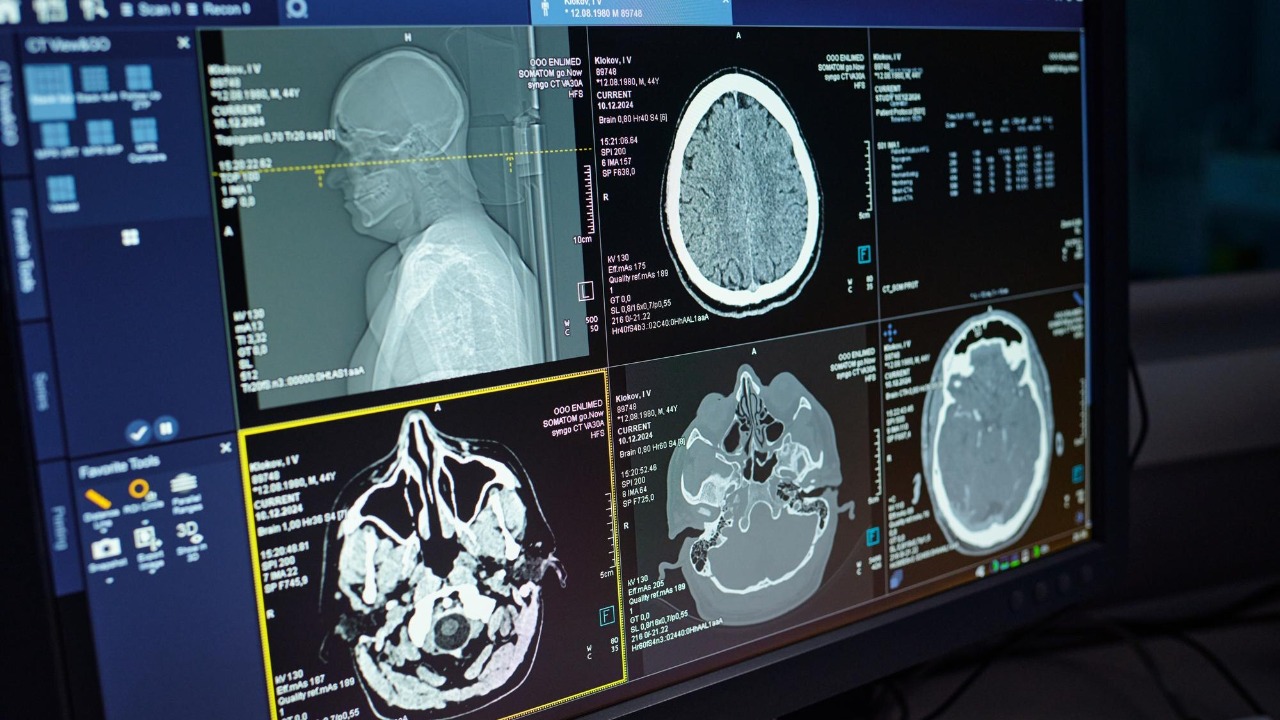
Diseases like cancer can “hijack” the brain and alter motivation, demonstrating the brain’s susceptibility to external influences. This understanding of how diseases manipulate brain function offers potential avenues for treatment. The Conversation reports on new research in mice that reveals how cancer can hijack your brain and steal your motivation.
This research underscores the dynamic nature of the brain and its vulnerability to external factors. It also highlights the potential for developing treatments that target these hijacked brain functions to restore normal behavior and motivation.
As reported by The Conversation, diseases can manipulate the brain’s wiring and function in various ways. For instance, cancer can alter the brain’s reward system, leading to changes in motivation and behavior. This ‘brain hijacking’ can have profound effects on a person’s quality of life, affecting their ability to engage in daily activities and maintain social relationships.
Moreover, understanding how diseases manipulate brain function can provide insights into potential treatment strategies. For example, if a disease alters the brain’s reward system, treatments could potentially target this system to restore normal motivation and behavior. This highlights the importance of studying the brain’s dynamic nature and its susceptibility to external influences for the development of effective treatments.
The Dynamic Nature of the Teenage Brain

The teenage brain is a prime example of the brain’s dynamic nature. During adolescence, the brain undergoes continuous changes in wiring, which have significant implications for behavior and development. The American Psychological Association discusses what neuroscience tells us about the teenage brain, emphasizing that these changes are influenced by external factors beyond the brain’s wiring.
This understanding of the teenage brain underscores the importance of considering both the brain’s wiring and its interaction with the environment when studying behavior and development. It also highlights the potential for interventions that target these dynamic processes to promote healthy development and well-being.
According to the American Psychological Association, the teenage brain undergoes significant changes in both structure and function. These changes are influenced by a variety of factors, including hormonal changes, environmental influences, and experiences. For instance, the teenage years are a critical period for the development of the prefrontal cortex, a brain region involved in decision-making and impulse control. This development can be influenced by factors such as stress, sleep, and social interactions.
Furthermore, the dynamic nature of the teenage brain has implications for education and mental health. Understanding how the teenage brain changes and adapts can help educators design more effective learning strategies and can inform interventions to support mental health during this critical developmental period. This underscores the importance of considering the brain’s dynamic nature in addition to its wiring when studying behavior and development.
