Recent advancements in neurotechnology have led to the development of brain implants that can significantly enhance memory recall. Through a series of groundbreaking trials, researchers are exploring how these neural prosthetic devices can restore memory, offering hope to those suffering from memory-related conditions.
The Science Behind Brain Implants
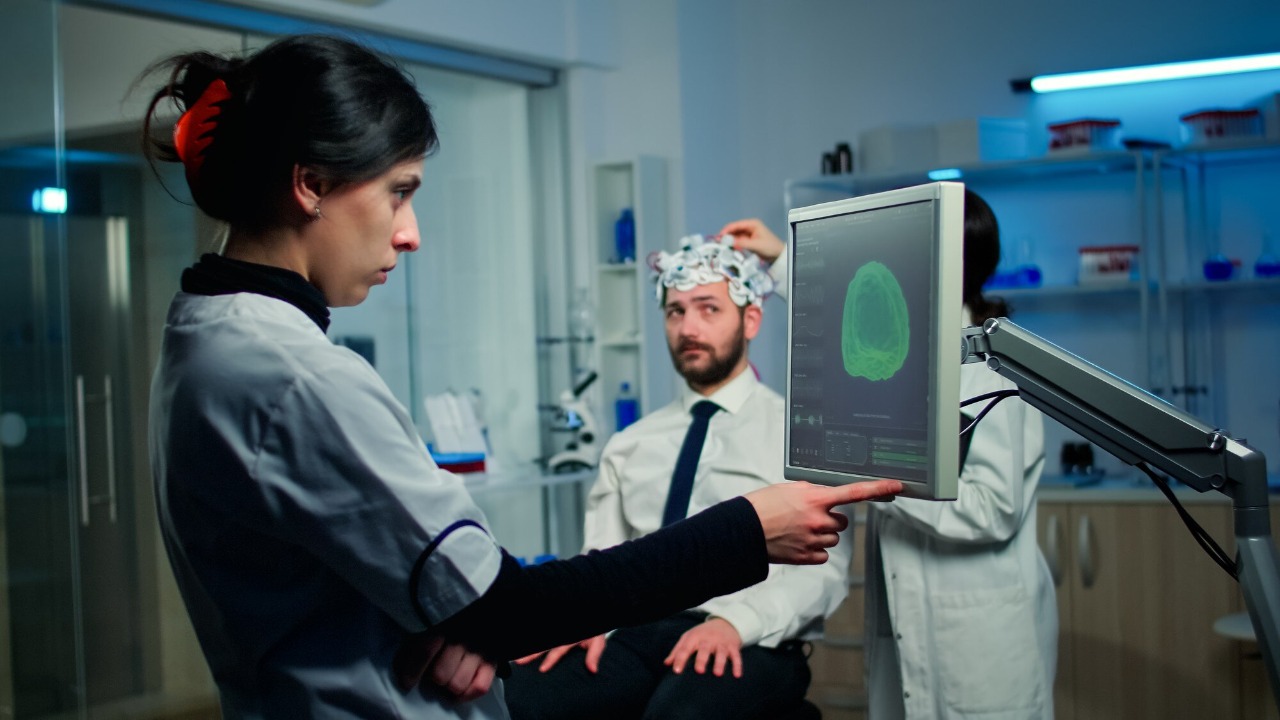
Brain implants, or neural prosthetic devices, are small machines implanted into the brain that interact directly with the neural circuitry. They work by detecting and interpreting electrical signals from the brain and translating them into actions or responses. One of the main applications of these devices is to restore or enhance memory functions.
The role of neural prosthetic devices in memory restoration is intricate. The devices are designed to mimic the natural processes of the brain, emulating the way neurons communicate with each other through electrical impulses. By doing so, they can potentially restore the memory functions that have been impaired due to injury or disease. These devices are able to both record and stimulate neural activity, allowing them to both read and write information to the brain.
Recent Groundbreaking Trials
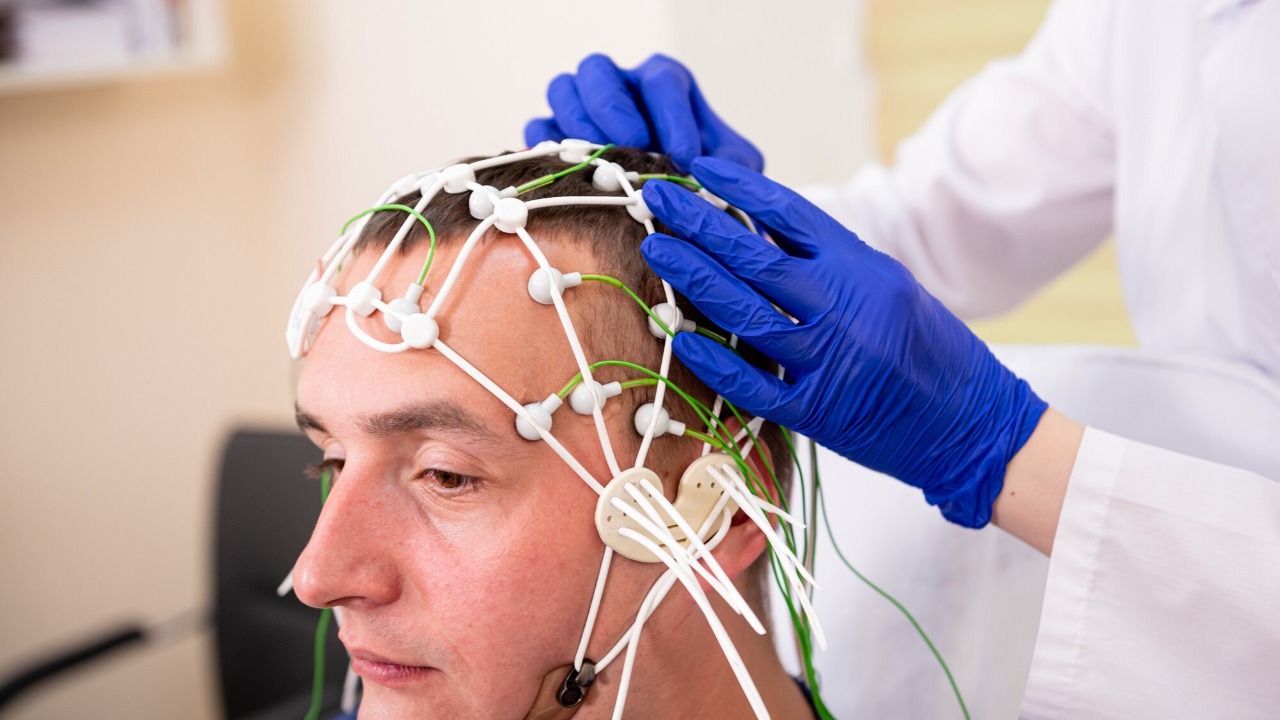
The technology’s potential has been demonstrated in a series of pioneering trials. At the Wake Forest Baptist Medical Center, researchers conducted an experiment in which they used a neural prosthetic device to boost memory recall in patients. The results were promising, with patients showing significant improvements in memory recall during the trial period.
Similarly, researchers at the University of Southern California have been working on reversing memory loss using similar technology. By stimulating certain areas of the brain, they were able to improve memory function in patients suffering from memory-related disorders.
Benefits and Successes of Brain Implants
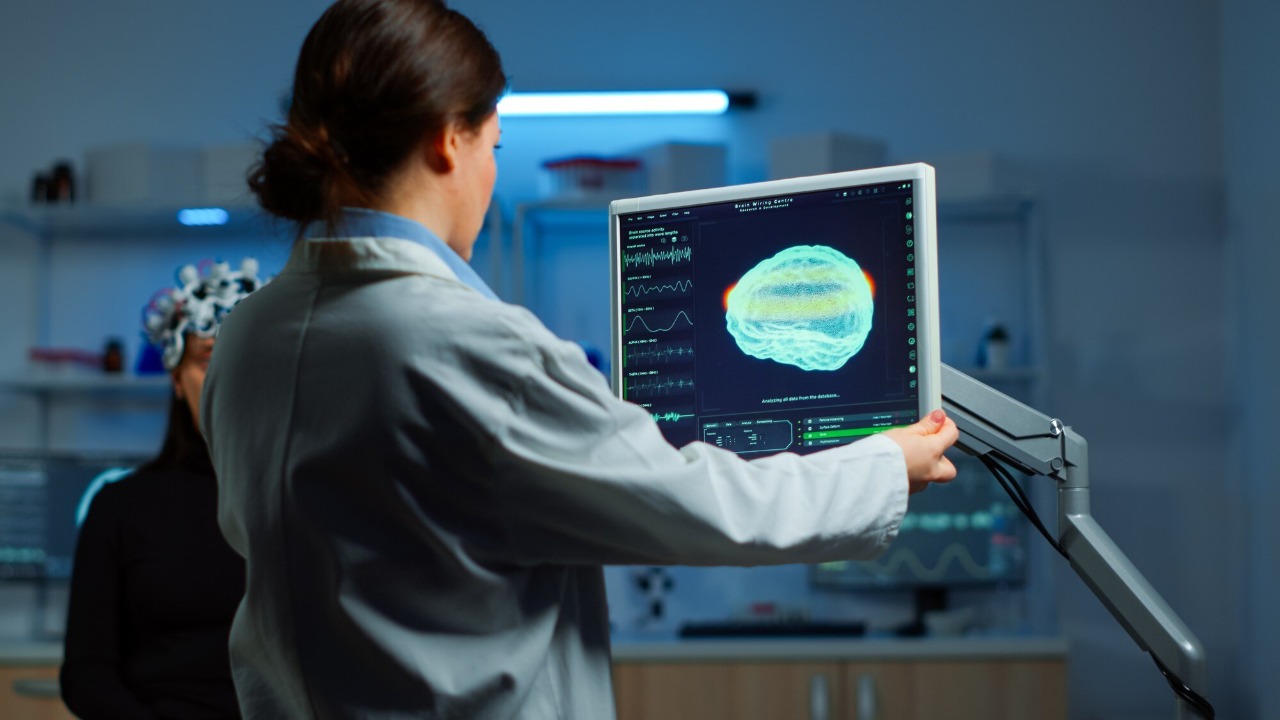
The trials demonstrated that brain implants can indeed improve memory recall. Patients involved in the trials showed significant improvements in their ability to recall information. This is particularly beneficial for those suffering from memory impairments, as it offers a potential treatment solution where previously there were limited options.
Real-life success stories and case studies have further underscored the potential of this technology. For instance, a case study published in Nature highlighted how a patient with severe memory loss was able to recall personal events and information after receiving the implant. These instances offer a glimpse into the transformative power of brain implants in memory care.
Challenges and Ethical Considerations
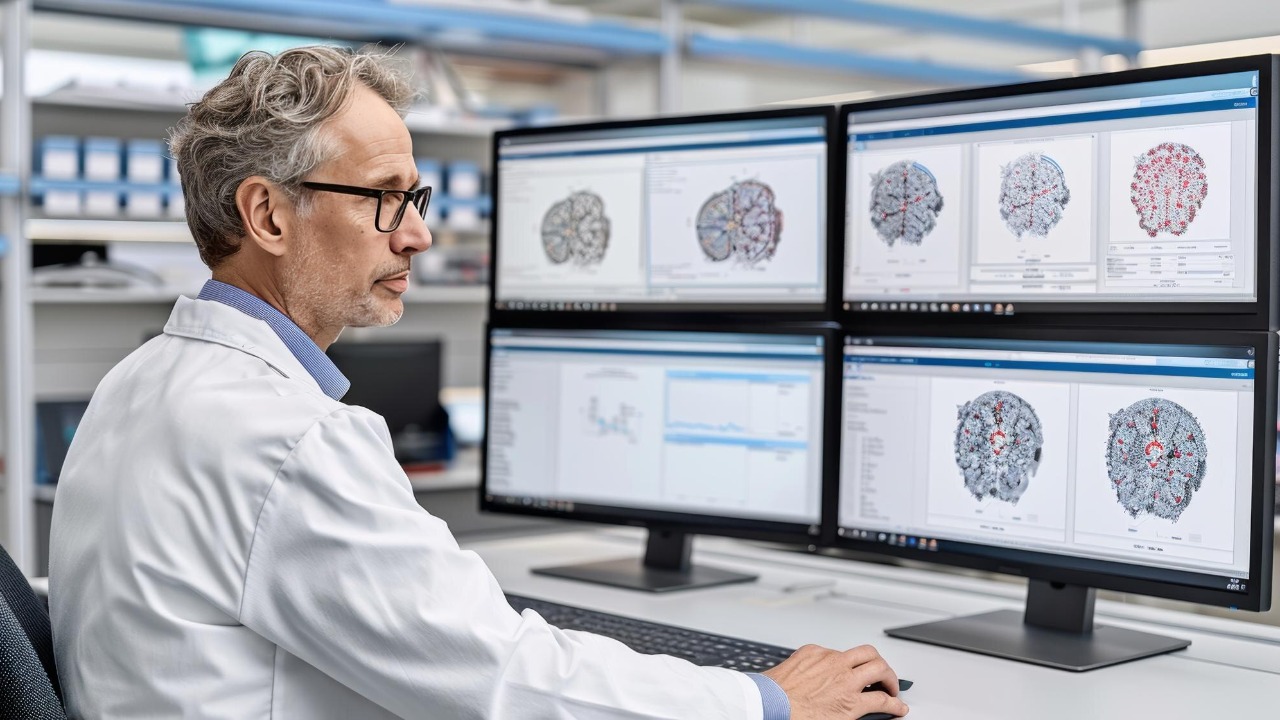
Despite the promising results, there are still numerous challenges to overcome. Potential risks and side effects of brain implants include infection, bleeding, and the possibility of the device malfunctioning. Additionally, long-term effects of these devices on brain function are still largely unknown, requiring further research.
There are also ethical considerations to bear in mind. The idea of manipulating memory brings up questions about personal identity and authenticity of experience. Furthermore, the accessibility and potential misuse of such powerful technology are significant concerns. A detailed discussion on these issues can be found in this JSTOR article.
The Future of Brain Implants
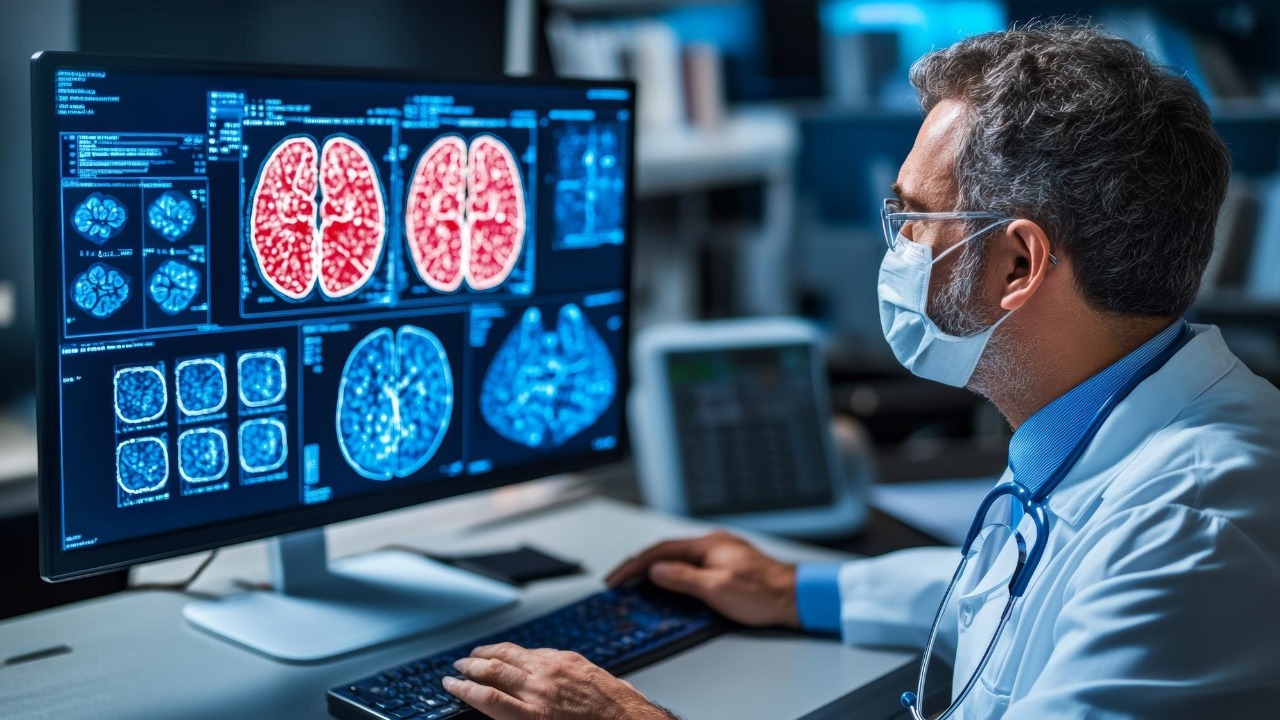
The potential use of brain implants extends beyond memory care. They could be used to treat a variety of neurological disorders, from Parkinson’s disease to depression. By modulating neural activity, these devices could potentially alleviate symptoms or even reverse the progression of these conditions.
As the technology continues to develop, we can expect brain implants to play an increasingly significant role in memory care and treatment. They offer the potential to not only improve memory recall, but also to fundamentally change our understanding of the brain and how we treat neurological disorders. Further advancements in this technology, as reported in Electronics Specifier, could radically reshape the future of neurology and neuroscience.
