
In the dynamic world of technology, an innovative brain-computer interface has been developed, enabling users to experience the sensation of smell virtually. This cutting-edge invention holds the potential to transform a variety of sectors, including education, entertainment, and healthcare.
Understanding the Brain-Computer Link
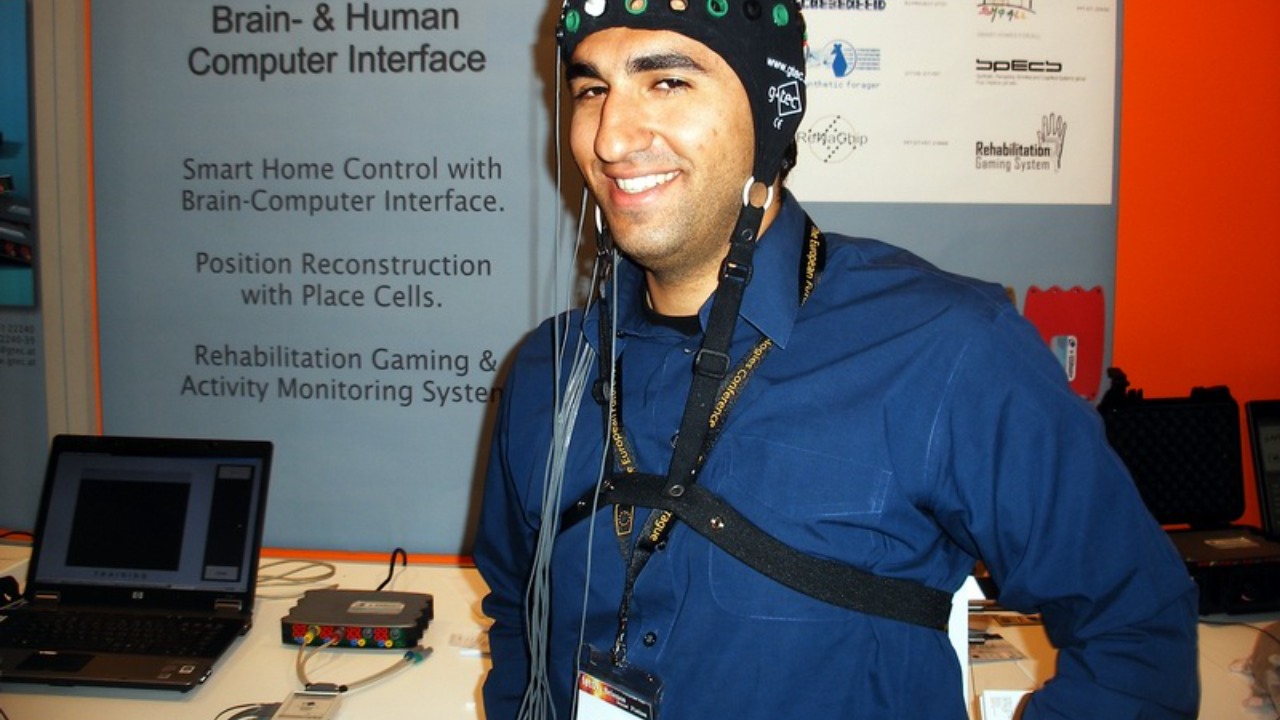
A brain-computer interface (BCI) is a system that allows a direct communication pathway between the brain and an external device. This advanced technology is typically used to assist, augment, or repair human cognitive or sensory-motor functions. The BCI works by converting brain signals into commands that can control various devices, essentially enabling the mind to interact with computers or machines directly.
The basic principle behind a BCI involves recording, analyzing, and translating brain signals into commands that are relayed to an output device to perform the desired action. The brain’s electrical activity can be measured through devices like electroencephalography (EEG). The recorded signals are then processed and translated into commands using machine learning algorithms. Researches have been focusing on improving the efficiency and accuracy of this translation process to enhance the user experience.
The Science Behind Virtual Smells
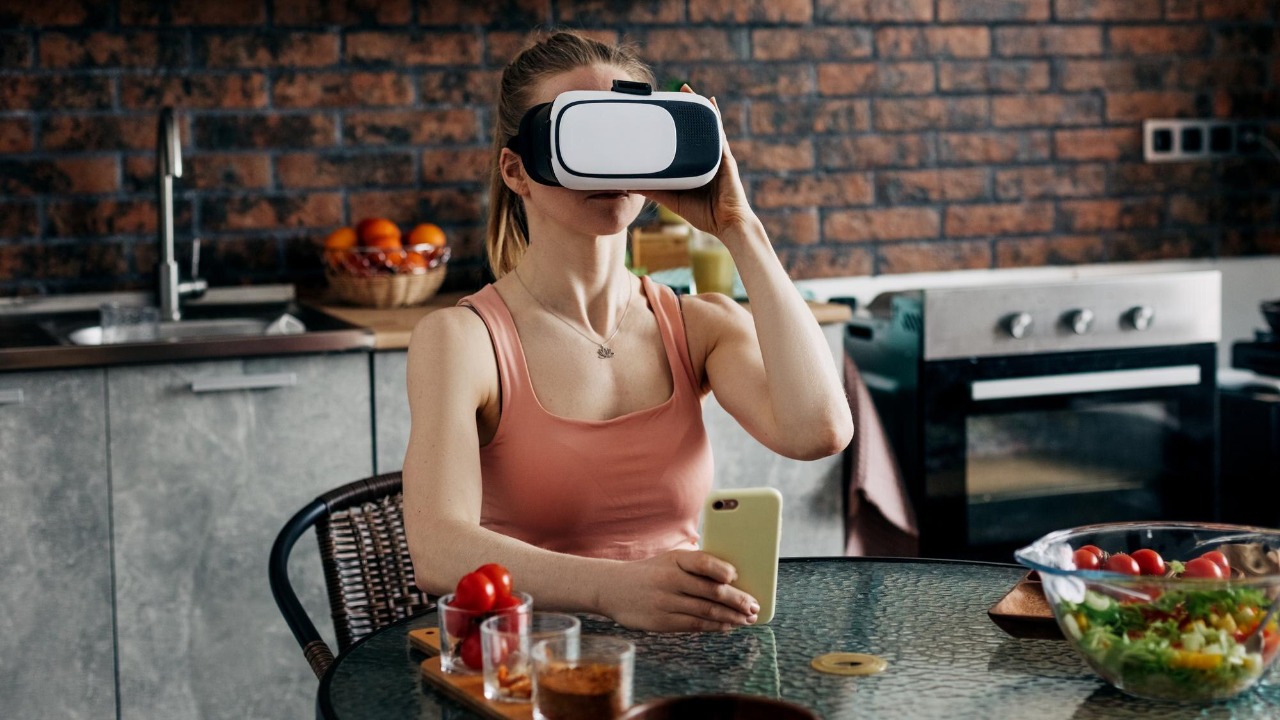
The concept of virtual smells is not new, but implementing it in a realistic and immersive manner is a significant challenge. The technology involves stimulating the brain’s olfactory regions, usually by using transcranial magnetic stimulation or similar techniques, to evoke the sensation of different smells.
Artificial intelligence plays a crucial role in this technology. It helps in accurately translating and implementing the brain signals that correspond to different smells. Scientists have used AI to fully emulate the sensation of smell, marking a significant milestone in this field.
Potential Applications of the Technology
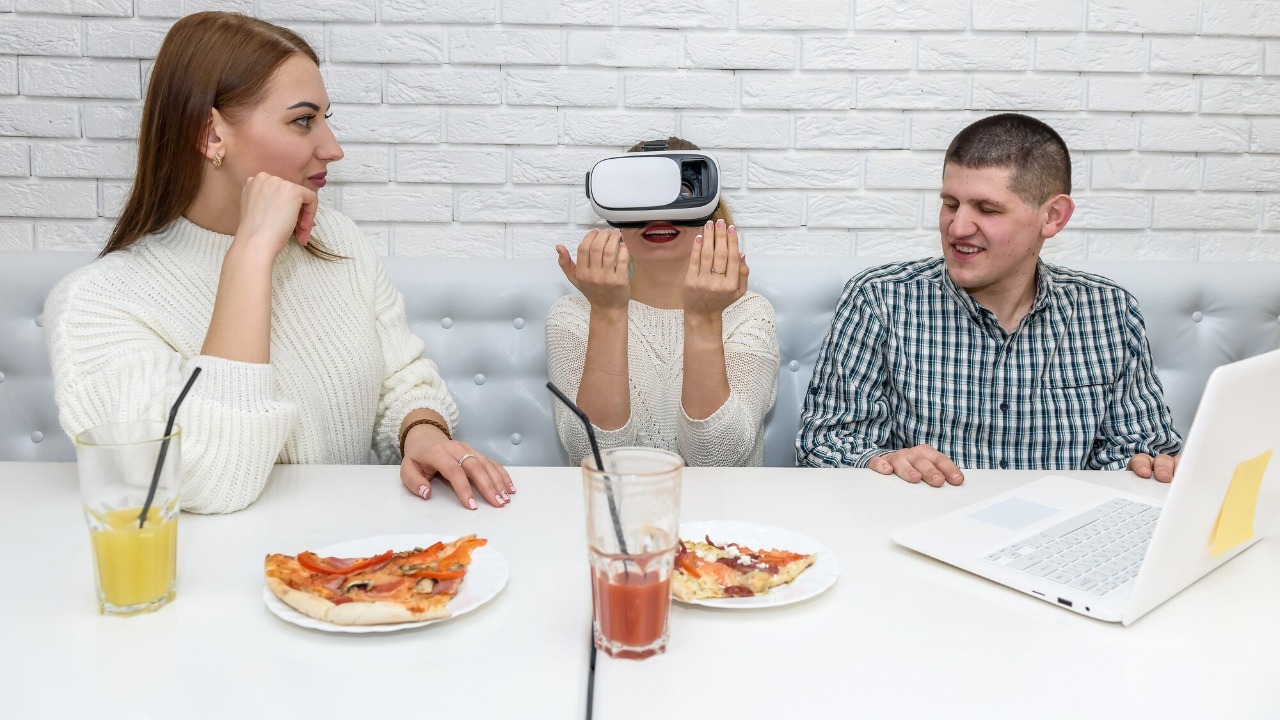
The potential applications of virtual smell technology are vast and exciting. In the entertainment industry, for example, the technology could be used to enhance the sensory experience in video games or virtual reality environments. Imagine playing a game and being able to smell the virtual environment – the fresh grass, the burning fire, or the salty sea air. This could drastically enhance the level of immersion and make the gaming experience much more realistic.
From an educational perspective, the technology could be used in training simulations, allowing students to virtually experience different scents associated with specific lessons. For example, students studying chemistry could smell different chemicals without the risks associated with handling them. In the medical field, the technology could be used for therapeutic purposes, such as helping patients with anosmia (loss of smell) or for treating conditions like PTSD or phobias.
The Challenges and Limitations
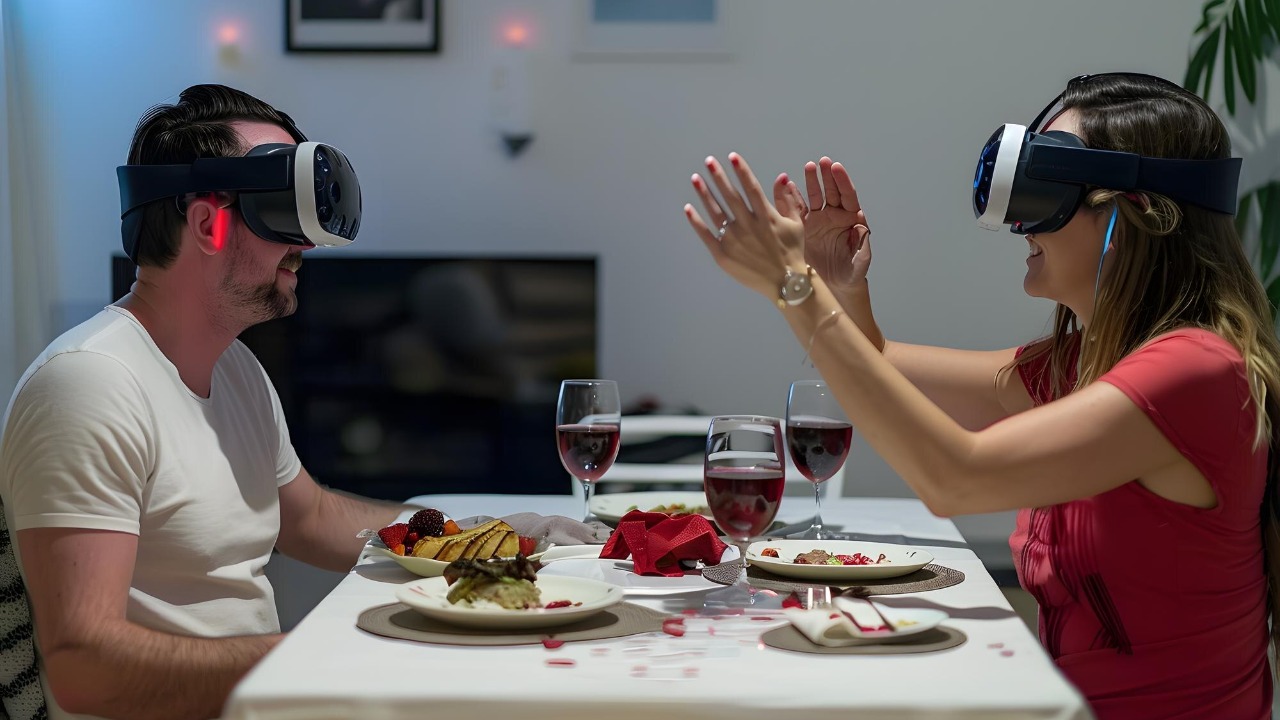
While the technology holds promise, there are several challenges and limitations that need to be addressed. The accuracy of smell simulation is one such issue. Currently, the technology can only emulate a limited range of smells, and the quality of the simulated smells is not always perfect. To address this, ongoing research is being conducted to improve the range and accuracy of the smells that can be emulated.
There are also ethical concerns to consider. The potential misuse of the technology in manipulating people’s perceptions or emotions is a valid concern that needs to be addressed. Additionally, implementing the technology on a large scale poses several challenges, including the high cost and the need for specialized equipment and expertise.
The Future of Virtual Smell Technology
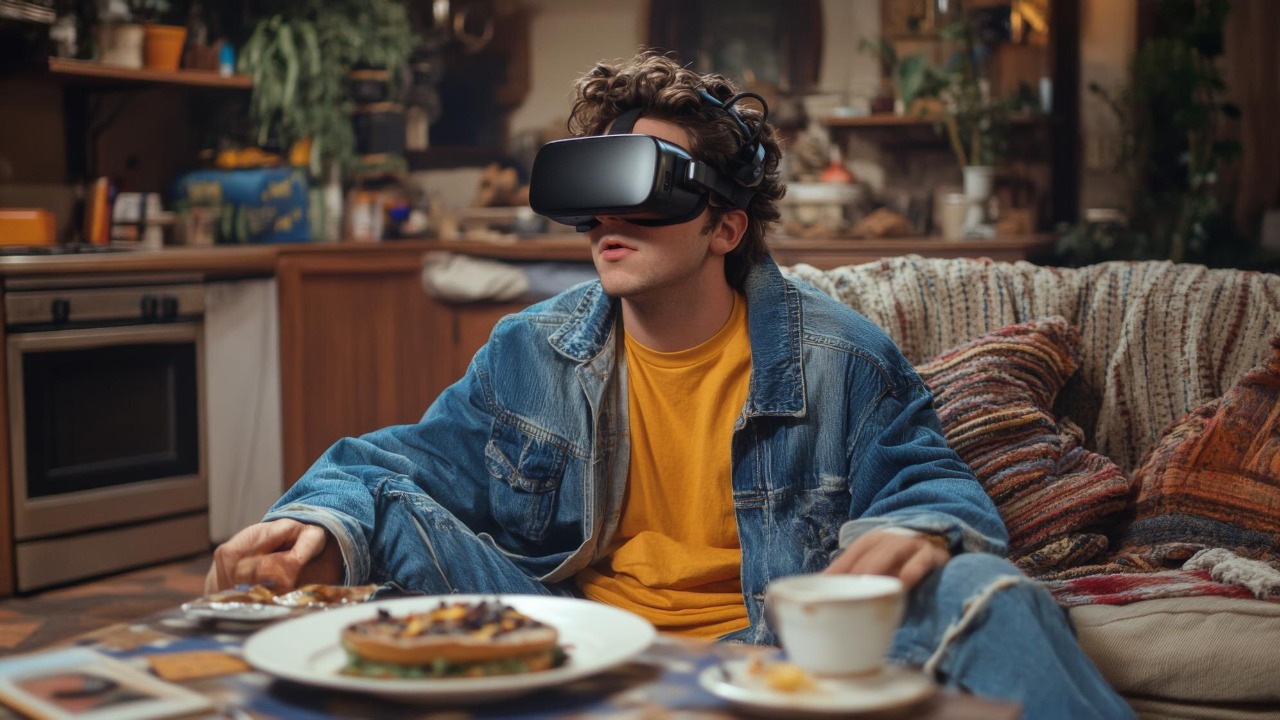
Despite the challenges, the future of virtual smell technology looks promising. Current research is focused on improving the accuracy and range of smells that can be emulated, as well as making the technology more accessible and affordable. For example, researchers at the IEEE are working on developing a wearable device that can produce a wide range of smells.
As for the future development of the technology, it’s predicted that virtual smell technology will become more integrated into our daily lives. This could change the way we interact with digital media, transforming activities like watching movies or playing video games into more immersive experiences. Predictions also suggest that the technology could have a significant impact on society, changing everything from education and healthcare to entertainment and advertising.
