BMW, the renowned automaker, has recently initiated a recall of 145,000 cars and SUVs. The recall stems from a fire risk associated with an engine defect, marking the second such action taken by the company within a week.
Recall Details
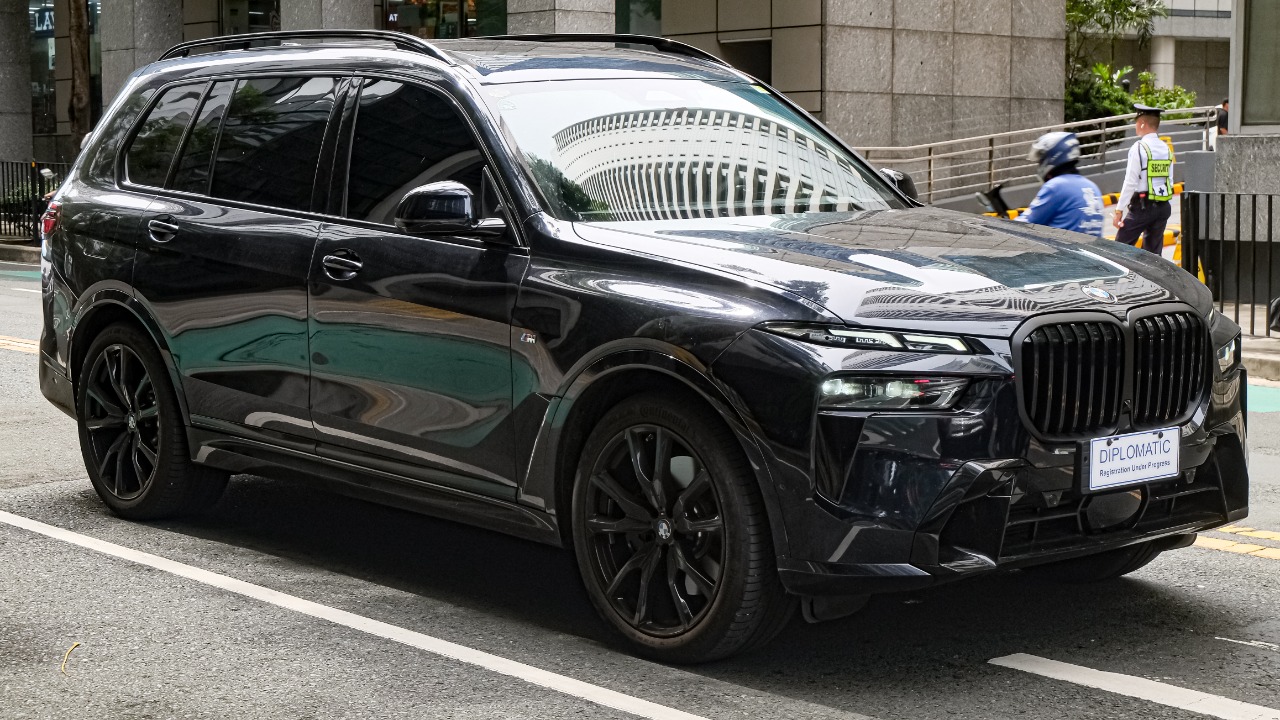
The recall is due to a problem with overheated starters, which poses a significant fire risk. This defect has the potential to cause serious damage, not only to the vehicles themselves but also to the surrounding environment and property. The issue is severe enough to warrant immediate attention from BMW and its customers (Fox4KC).
The vehicles affected by this recall include a broad range of BMW cars and SUVs. While the specific models have not been disclosed, the recall is extensive and impacts a significant portion of BMW’s product line (BMW Blog). The recall is primarily concentrated in the United States, indicating that American consumers are the most affected by this issue (SpeedMe).
According to the details provided by BMW, the overheating issue arises when the starter does not disengage properly after the engine has been started. This can lead to the starter and other nearby components overheating, which can then ignite and cause a fire. The company has stated that it is not aware of any accidents or injuries related to this issue, but it has received reports of fires in vehicles due to this defect (Fox4KC).
BMW is in the process of notifying owners of the affected vehicles and is advising them to park their cars outdoors until repairs can be made. The company will be offering free repairs to all affected customers, which will involve replacing the starter and inspecting and replacing any other damaged components as necessary. The recall is expected to begin in the coming weeks, and customers will be able to schedule their repairs at their local BMW dealerships (BMW Blog).
BMW’s Second Recall in a Week
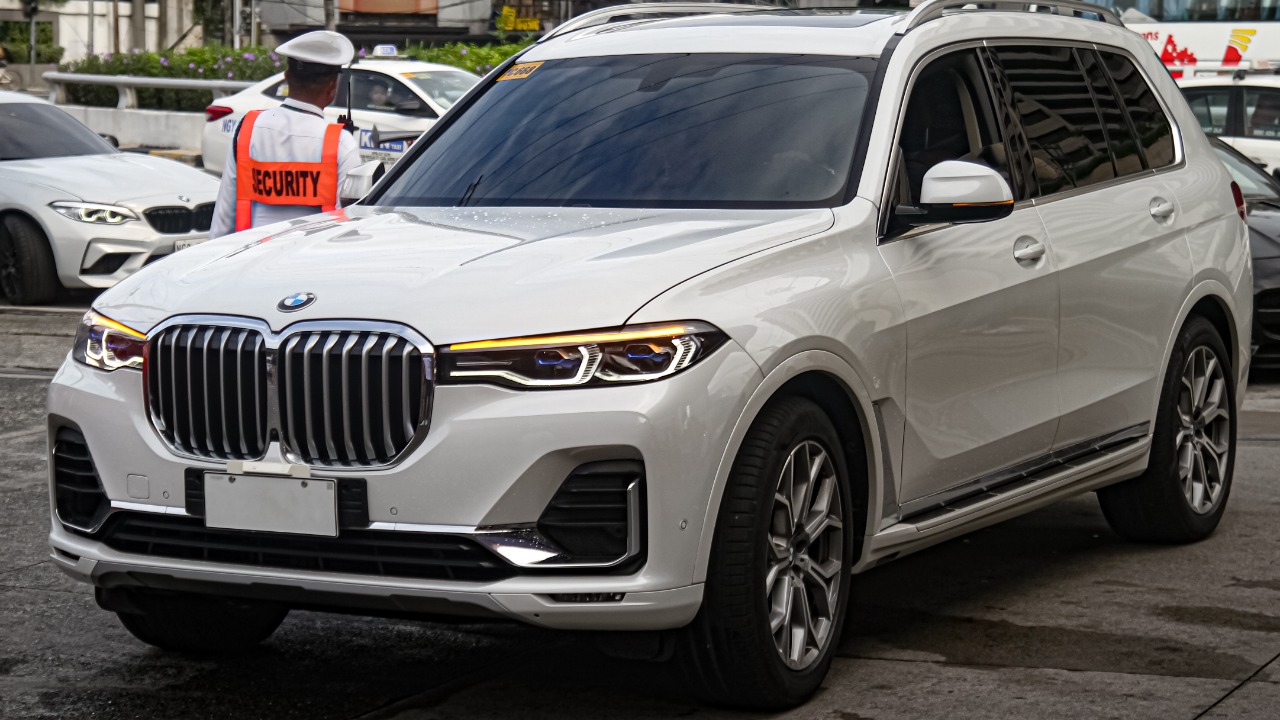
This incident marks the second recall by BMW in the same week, a rare occurrence that underscores the seriousness of the defects identified (New York Post). The combined total of vehicles affected by both recalls has now exceeded 341,000. This figure represents a significant portion of BMW’s total vehicle production and is a clear indication of the scale of the problem (Fox Business).
The frequency and scale of these recalls are unusual for a company like BMW, which is known for its high standards of quality and safety. These incidents could potentially impact the company’s reputation and customer trust, which are crucial for its continued success in the competitive automotive market.
The first recall, which was announced earlier in the week, involved a different engine defect that also posed a fire risk. This defect was related to a malfunctioning fuel pump, which could cause fuel to leak and potentially ignite. This recall affected nearly 200,000 vehicles, making it even larger than the current recall. The two recalls combined have affected a wide variety of BMW models, from compact cars to luxury SUVs, highlighting the widespread nature of these defects (New York Post).
These back-to-back recalls have raised questions about BMW’s quality control processes. While recalls are not uncommon in the automotive industry, having two major recalls in such a short period of time is unusual and could be indicative of deeper issues within the company. Despite this, BMW has been proactive in addressing these issues, quickly announcing the recalls and offering free repairs to affected customers. The company’s swift response could help to mitigate some of the potential damage to its reputation (Fox Business).
Implications for BMW
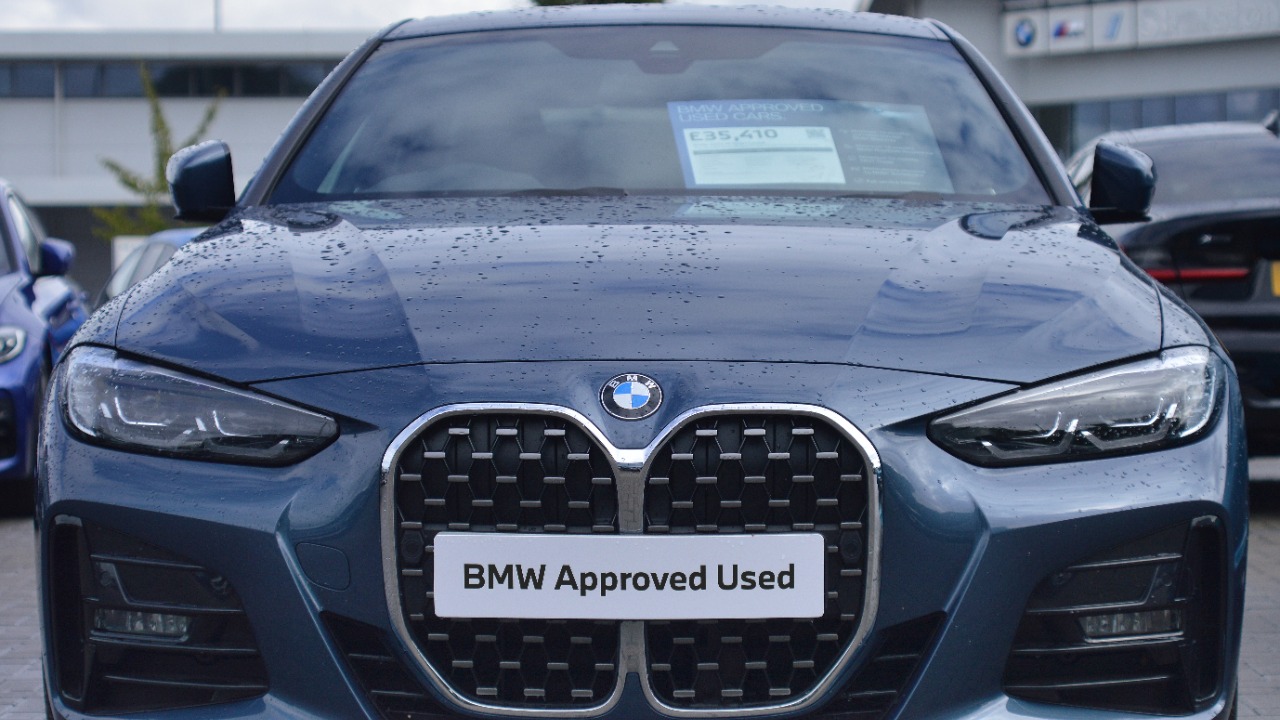
The implications of these recalls for BMW are significant. The company’s reputation for quality and safety is one of its key selling points, and these incidents could potentially tarnish that image. Customers may start questioning the reliability of BMW vehicles, which could impact future sales. Moreover, the financial cost of implementing these recalls, including the repair and replacement of defective parts, could also be substantial.
However, BMW’s response to these recalls will be crucial in mitigating the potential damage. The company needs to address the defects promptly and transparently, ensuring that affected customers are adequately compensated and reassured about the safety of their vehicles. By doing so, BMW can demonstrate its commitment to customer safety and its ability to handle crises effectively, potentially turning a negative situation into an opportunity to reinforce customer trust.
