BMW and Toyota’s cautious approach to electric vehicles (EVs), favoring a blend of hybrid and internal combustion engine (ICE) technologies, is proving to be a wise decision. Amid a slowdown in EV demand and industry-wide challenges, these automakers have managed to maintain profitability and market share. In contrast, companies like Ford and General Motors, which had set ambitious all-EV targets, are now scaling back their plans. The balanced engine strategies of BMW and Toyota are validating their resistance to a full EV pivot, as recent reporting underscores. source
BMW’s Hybrid-First Philosophy

BMW’s commitment to plug-in hybrids, such as the XM and X5 models, is a testament to their belief in a balanced approach to vehicle electrification. These models blend electric and ICE powertrains, offering a broader appeal without completely abandoning traditional engines. BMW CEO Oliver Zipse has emphasized the continued relevance of ICE vehicles in markets like the U.S. and China, where EV infrastructure is still lagging. source
BMW’s sales data from 2023 further validates their hybrid-first philosophy. Hybrids outperformed pure EVs, contributing to a 10% revenue increase despite the global slowdown in EV sales. This success underscores the wisdom of BMW’s strategy in the face of changing market dynamics. source
Toyota’s Long-Term ICE Commitment
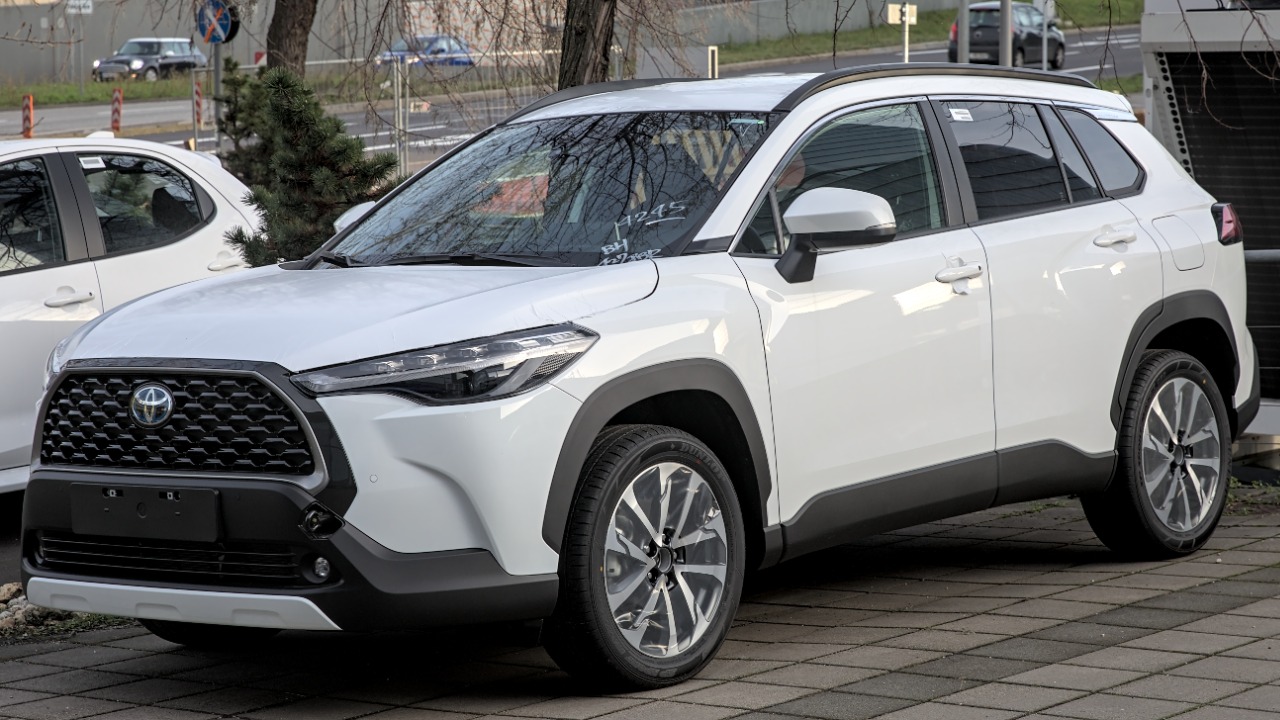
Toyota, on the other hand, has shown a long-term commitment to ICE technologies, investing in hydrogen fuel cells and advanced ICE engines. Models like the Corolla Cross Hybrid, which prioritize efficiency over full electrification, exemplify this approach. Toyota Chairman Akio Toyoda has advocated for a multi-pathway future, arguing that EVs alone won’t meet global needs by 2030 due to battery supply constraints. source
The market performance of Toyota supports this view. In 2023, hybrid sales reached 3.5 million units, bolstering Toyota’s position as the world’s top automaker. This success demonstrates the viability of a balanced approach to vehicle electrification. source
The EV Hype and Subsequent Backlash
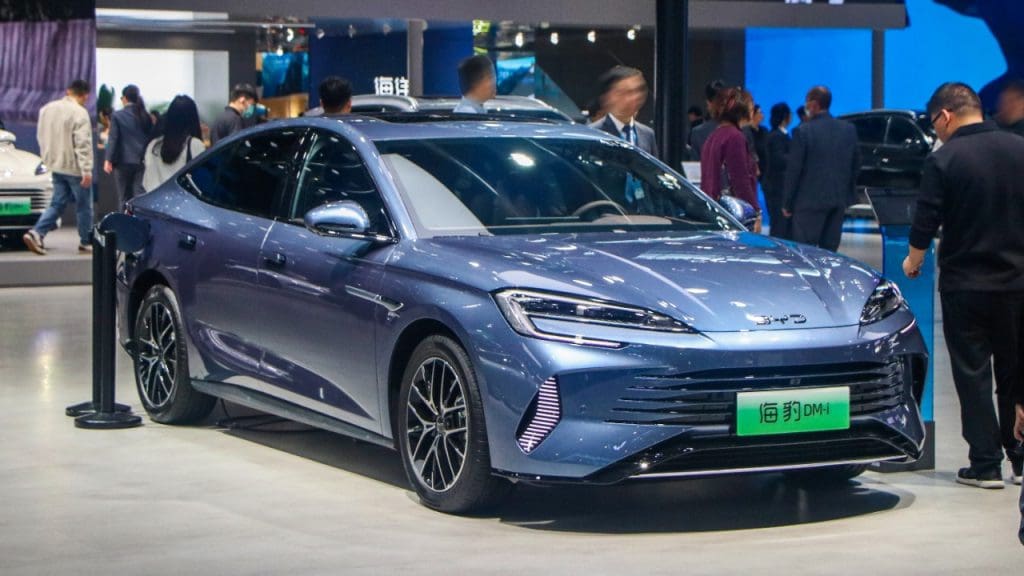
The year 2021 saw a surge in EV announcements from legacy automakers, driven by regulatory pressures in Europe and California. High-profile launches included Volkswagen’s ID. Buzz and Ford’s F-150 Lightning. However, the EV market experienced a correction in 2023-2024, with U.S. sales growth dropping to 7% from 55% the prior year. This led to factory idlings at plants in Michigan and Tennessee. source
Analysts from McKinsey predict that EV adoption could stall at 20-30% of global sales by 2030 without major infrastructure investments. This prediction underscores the challenges facing the EV industry and the potential pitfalls of an all-EV strategy. source
Financial Toll on All-EV Pioneers
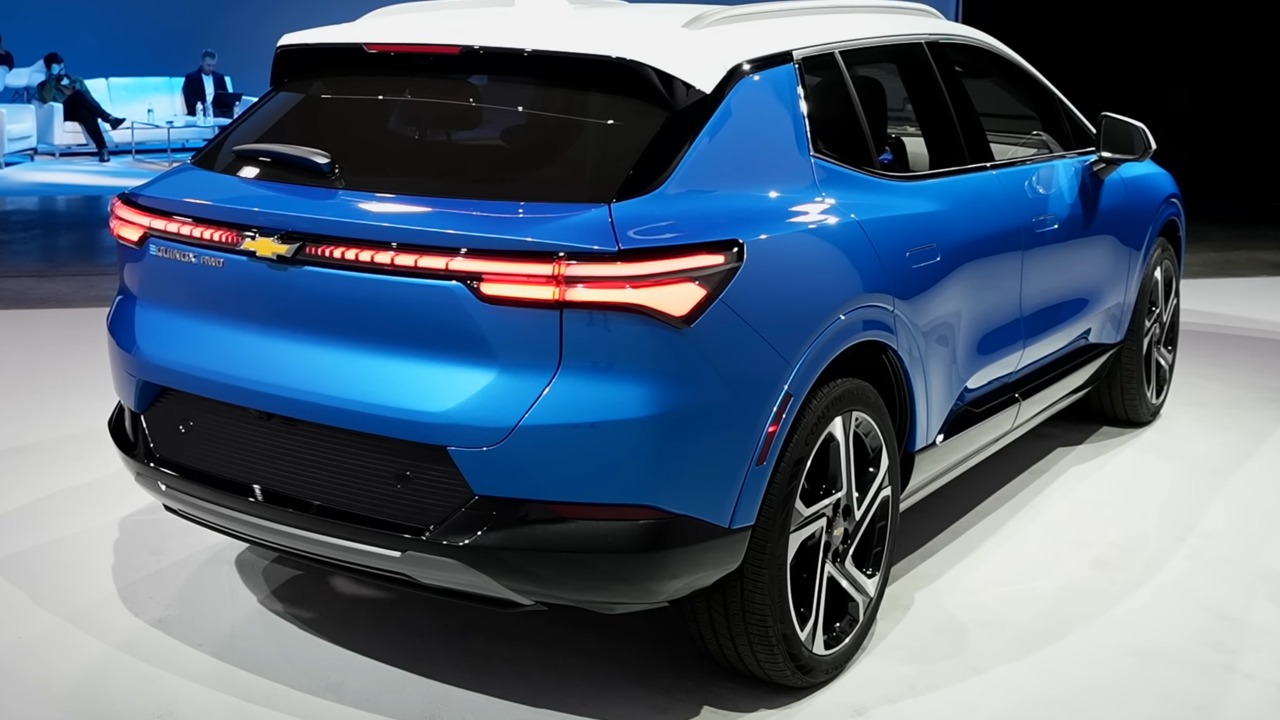
Companies that went all-in on EVs have faced significant financial setbacks. General Motors, for instance, had to write down $1.7 billion on EV programs in 2024. This included delays for the Chevrolet Equinox EV due to softening demand. Ford also faced challenges, deciding to cut 900 jobs at its Michigan EV plant and reduce F-150 Lightning production by half in response to inventory buildup. source
In contrast, BMW and Toyota reported stable earnings. BMW, for instance, reported €37.4 billion in Q3 2023 revenue, partly due to the success of its hybrid models. This comparison highlights the financial risks of an all-EV strategy and the benefits of a more balanced approach. source
Consumer and Infrastructure Realities

Consumer surveys show that 60% of U.S. buyers prioritize range and charging access over zero-emission mandates. This preference favors hybrids, especially in rural areas where charging infrastructure is less developed. Global infrastructure gaps also pose challenges. For instance, Europe has only 168,000 public chargers, far short of the 1 million needed by 2030 according to EU targets. source
Emerging trends in markets like China also support a balanced approach. In 2023, Toyota’s hybrid models captured 25% market share amid a boom in hybrid sales and price wars among EV manufacturers. source
Lessons for the Auto Industry’s Future

Regulatory shifts may also influence the future of the auto industry. The U.S. National Highway Traffic Safety Administration (NHTSA) is considering relaxing 2035 EV mandates following industry lobbying. This potential change reflects the challenges facing the EV industry and the need for a more flexible approach. source
Looking ahead, BMW and Toyota aim for 50% electrified sales by 2030 while retaining ICE options for developing markets. This roadmap reflects their balanced approach to vehicle electrification. The experience of startups like Rivian, which faced $5 billion losses in 2023 due to over-reliance on pure EVs, underscores the risks of an all-EV strategy and the potential benefits of a more balanced approach. source
