A black hole with an extraordinary appetite, consuming the equivalent of 3,000 Suns every year, has left scientists both baffled and terrified. Its growth rate, which is a staggering 2.4 times faster than what current physics models predict, is challenging our understanding of the universe.
Unprecedented Black Hole Growth
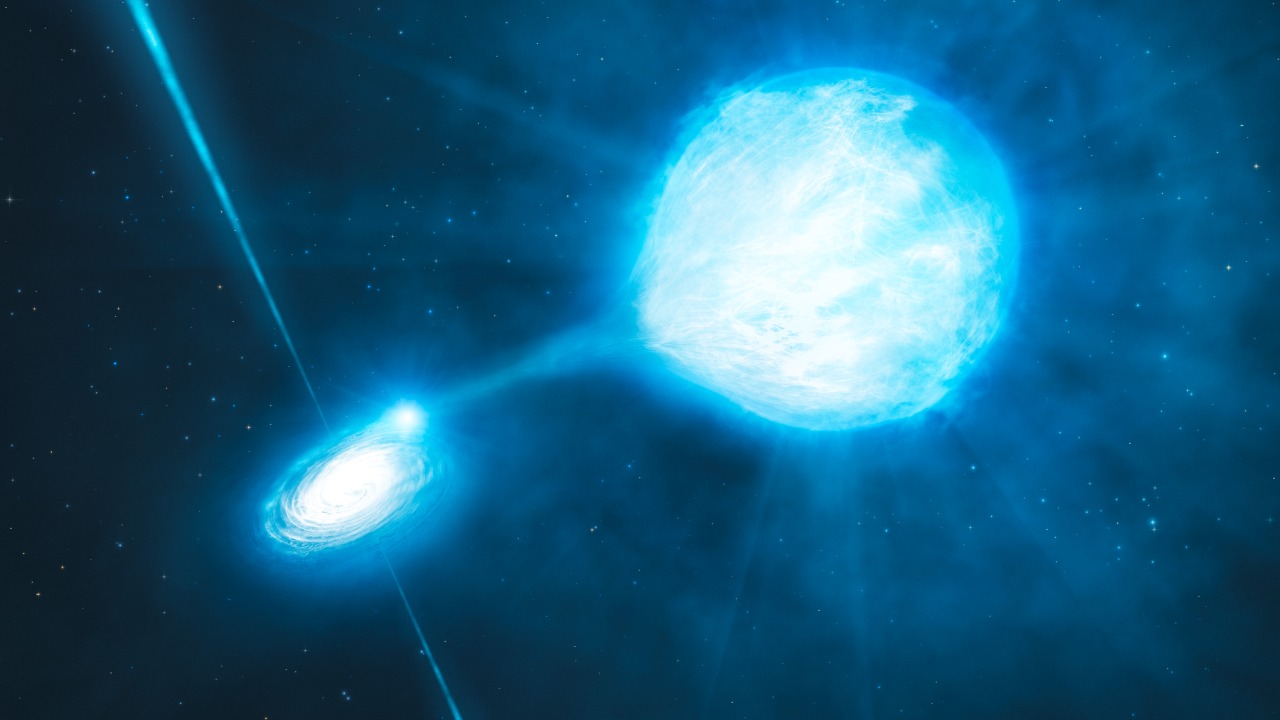
The growth rate of this black hole is nothing short of extraordinary. It’s expanding at a pace that is 2.4 times faster than what our current physics models predict, a phenomenon that has left scientists scratching their heads. This unprecedented growth rate is not just a curiosity, but a cause for concern among the scientific community. Rude Baguette reports that this anomaly could potentially reshape our understanding of black holes and the universe.
The reason this growth rate is terrifying for scientists is twofold. Firstly, it defies our current understanding of physics and the natural laws that govern the universe. Secondly, the implications of such a rapidly expanding black hole could be far-reaching, potentially affecting surrounding celestial bodies and space systems.
Consumption Rate of The Black Hole

Just as startling as its growth rate is the black hole’s consumption rate. It devours the equivalent of 3,000 Suns per year, a rate of consumption that is highly unusual. This voracious appetite is not just a fascinating factoid, but a potential threat to surrounding celestial bodies. The gravitational pull of a black hole of this size and appetite could have significant implications for nearby space systems.
The exact mechanics of how this black hole is able to consume such a vast amount of matter remain a mystery. However, the discovery of this black hole and its unusual behavior is providing scientists with a unique opportunity to study black holes and their impact on the universe in greater detail.
According to Rude Baguette, the black hole’s consumption rate is not only a testament to its size but also to its gravitational pull. The gravitational force of a black hole is so strong that nothing, not even light, can escape it. This immense force allows the black hole to pull in and consume vast amounts of matter, including entire stars.
Furthermore, the black hole’s consumption rate is also indicative of its accretion rate, or the rate at which it accumulates additional matter. This is a crucial factor in determining the black hole’s growth rate. The higher the accretion rate, the faster the black hole grows. This could potentially explain why this particular black hole is growing at such an unprecedented rate.
Impact on Physics Models and Theories
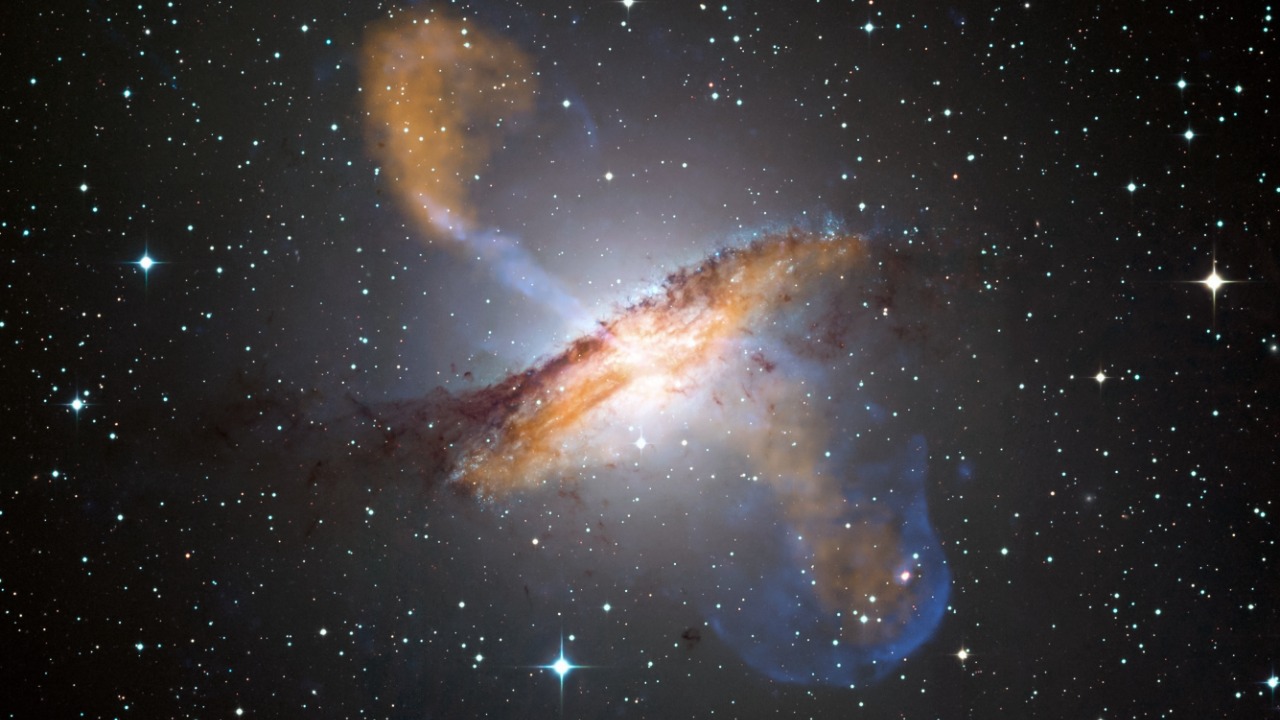
This black hole’s behavior is challenging our current physics models and theories. The fact that it is growing at a rate 2.4 times faster than what our models predict suggests that our understanding of black holes and their behavior may be incomplete. This discovery could necessitate revisions or updates to existing physics models.
While this may seem like a daunting task, it is also an exciting opportunity for scientists. The study of this black hole could lead to new insights and breakthroughs in our understanding of the universe. It’s a reminder that the universe is still full of mysteries waiting to be discovered and understood.
As per Rude Baguette, the discovery of this black hole could have significant implications for the field of astrophysics. It could lead to revisions in the current models used to predict the growth and behavior of black holes. This could include changes to the equations used to calculate the accretion rate of black holes, or even the development of new theories to explain the observed behavior.
Moreover, this discovery could also impact our understanding of the formation and evolution of galaxies. Black holes, particularly those at the centers of galaxies, play a crucial role in galaxy formation. Understanding the behavior of this black hole could provide valuable insights into these processes.
Future Research and Implications
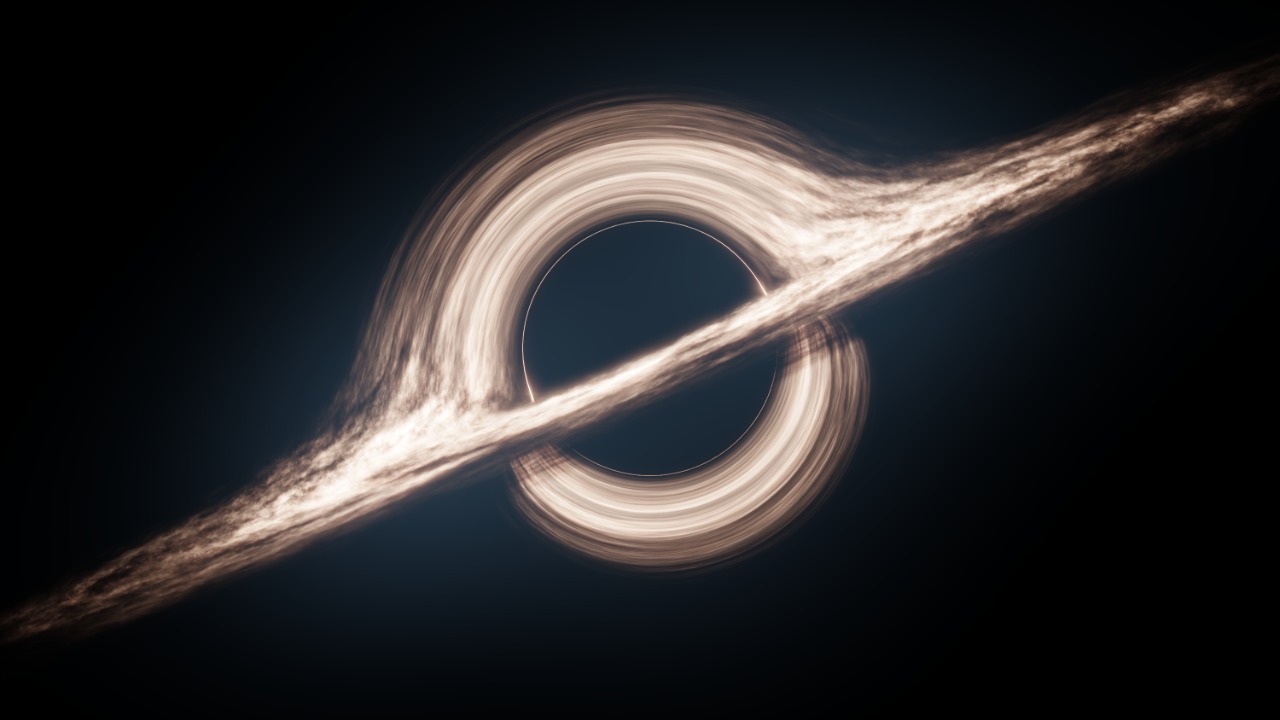
Given the significance of this discovery, future research into this black hole and its anomalous behavior is planned. Scientists will be keen to learn more about this black hole, its growth rate, and its consumption habits. This research could potentially reshape our understanding of black holes and the universe at large.
The implications of this research are vast. If our current physics models are indeed incorrect or incomplete, the study of this black hole could lead to new theories and models. This could have a profound impact on our understanding of the universe and our place within it.
As reported by Rude Baguette, the future research into this black hole will likely focus on several key areas. These could include studying the black hole’s accretion disk, the ring of matter that orbits around a black hole, to understand how it is able to consume such large amounts of matter. Additionally, scientists may also investigate the black hole’s event horizon, the point of no return beyond which matter is irretrievably drawn into the black hole.
Furthermore, the research could also focus on the black hole’s impact on its surrounding environment. This could include studying the effects of its gravitational pull on nearby celestial bodies, as well as its influence on the formation and evolution of its host galaxy. The findings from this research could have far-reaching implications, potentially reshaping our understanding of the universe and the laws that govern it.
