The innovative potential of a specific black fungus to transform plastic waste into edible ingredients has opened up new possibilities in both waste management and culinary arts. This groundbreaking discovery not only offers a novel approach to managing plastic waste but also creates an exciting frontier in the culinary world.
Understanding the Black Fungus
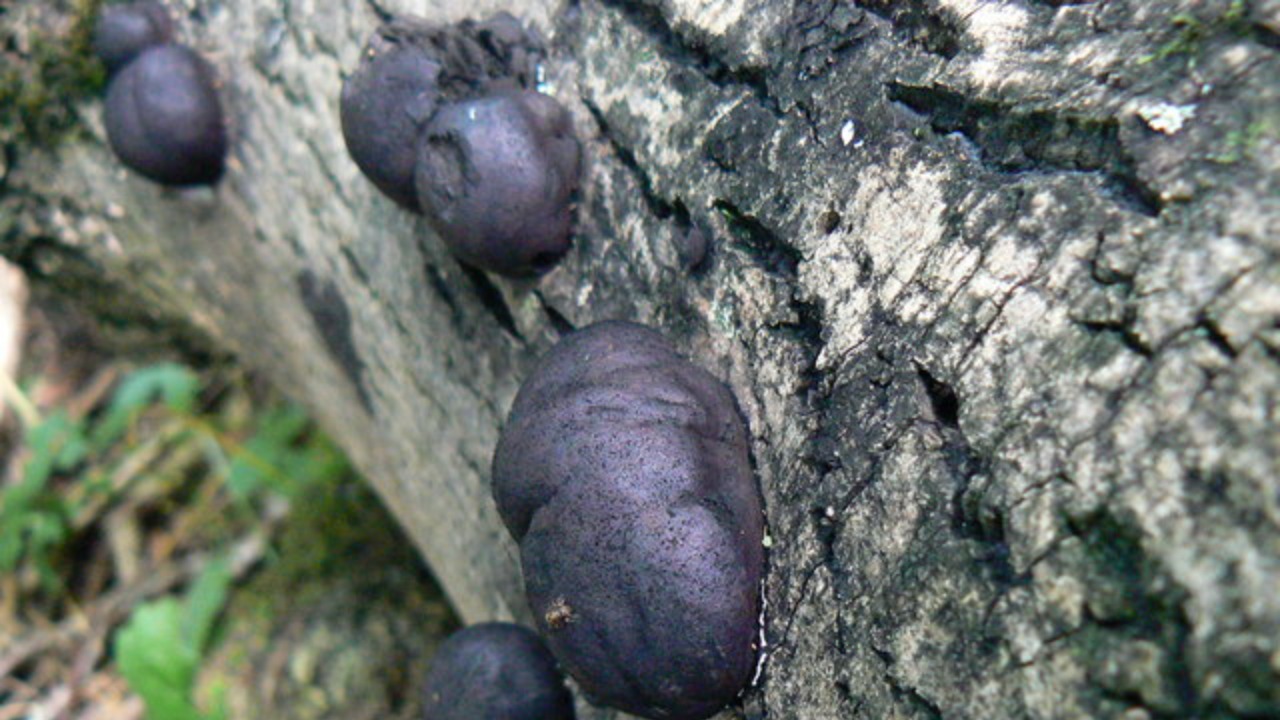
The black fungus, with its unique biological makeup, possesses inherent properties that enable it to degrade plastic waste. This remarkable ability is a result of the fungus’s complex enzymatic system, which can break down the long-chain polymers found in plastic into simpler, edible compounds. The process through which the black fungus converts plastic into edible material is a fascinating example of nature’s adaptability and resilience. Gizmodo provides a detailed exploration of this process.
According to Gizmodo, the black fungus, scientifically known as Aspergillus tubingensis, is a species of fungus that is particularly adept at breaking down plastic due to its unique enzymatic system. This fungus secretes enzymes that can break down the bonds in plastic polymers, effectively turning them into simpler compounds. This process, known as biodegradation, is a natural way of breaking down substances, and in this case, it transforms plastic into edible material. The black fungus’s ability to degrade plastic is not only a testament to its adaptability but also a potential solution to the growing problem of plastic waste.
Implications for Waste Management
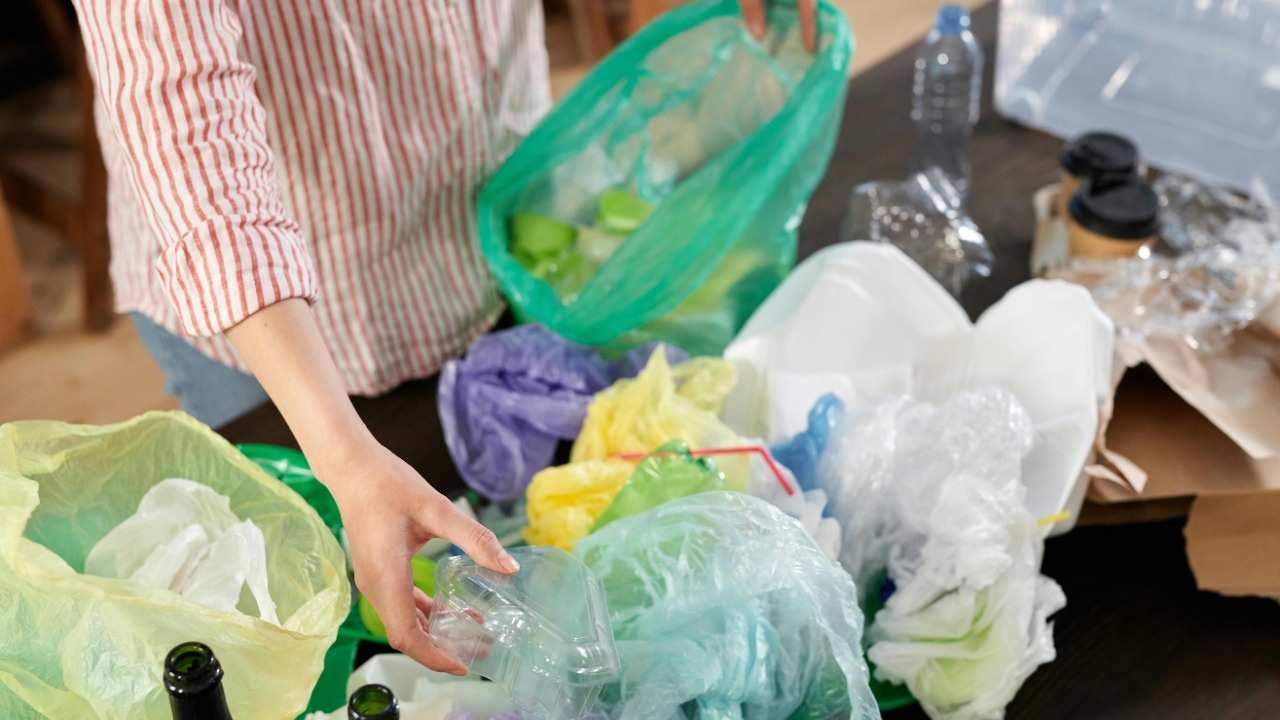
The potential impact of this black fungus on waste management, particularly plastic waste, is significant. Plastic waste is a global problem, with millions of tons generated annually. Current methods of managing plastic waste, such as recycling and incineration, have their limitations and environmental impacts. The black fungus offers a potential solution to these challenges by providing a sustainable and environmentally friendly way to degrade plastic waste.
Moreover, the transformation of plastic waste into edible ingredients could also contribute to food security. This innovative approach could potentially create a new source of food from an otherwise harmful waste product. The implications of this discovery for waste management and food production are profound and far-reaching, as detailed in Gizmodo’s report.
As Gizmodo points out, the use of black fungus in waste management could revolutionize the way we deal with plastic waste. Current methods of managing plastic waste, such as recycling and incineration, are not only limited in their effectiveness but also have significant environmental impacts. Recycling requires energy and often results in lower-quality products, while incineration releases harmful pollutants into the atmosphere. The black fungus offers a more sustainable and environmentally friendly alternative, as it can degrade plastic waste without the need for energy input or the release of pollutants.
Furthermore, the ability of the black fungus to transform plastic waste into edible ingredients could have significant implications for food security. With the global population expected to reach nearly 10 billion by 2050, finding sustainable and innovative ways to feed the world is a pressing issue. The black fungus could potentially provide a new source of food, turning a major environmental problem into a solution for food scarcity.
Fungi in the Culinary World
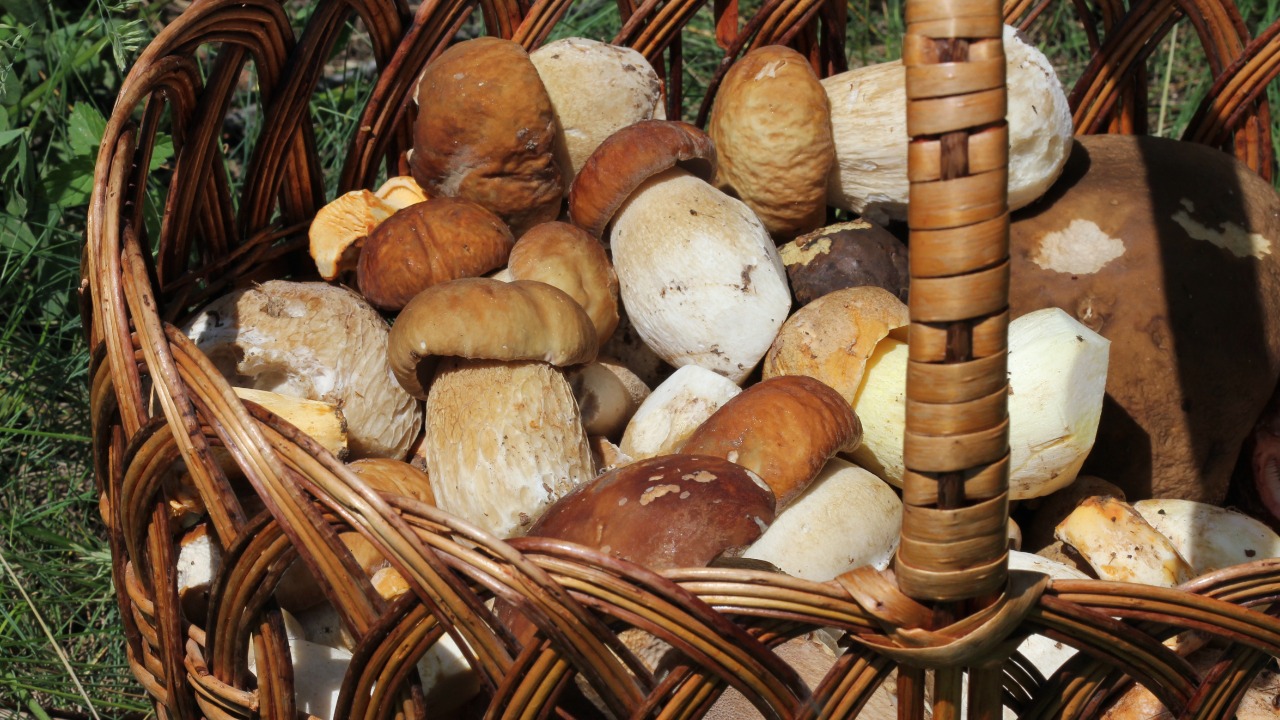
Fungi have a long history in culinary practices, with mushrooms being a staple in many cuisines around the world. This new discovery of the black fungus’s ability to convert plastic waste into edible ingredients adds a new chapter to this narrative. The edible ingredients derived from plastic waste could potentially be used in a variety of culinary applications, offering new flavors and textures to explore.
The potential culinary applications of these ingredients are vast and exciting. They could be used as a novel source of protein, a thickening agent in sauces, or even as a unique flavor enhancer. The possibilities are limited only by the creativity of chefs and food scientists. More on this can be found in a report by Berkeley News.
Potential Concerns and Future Research
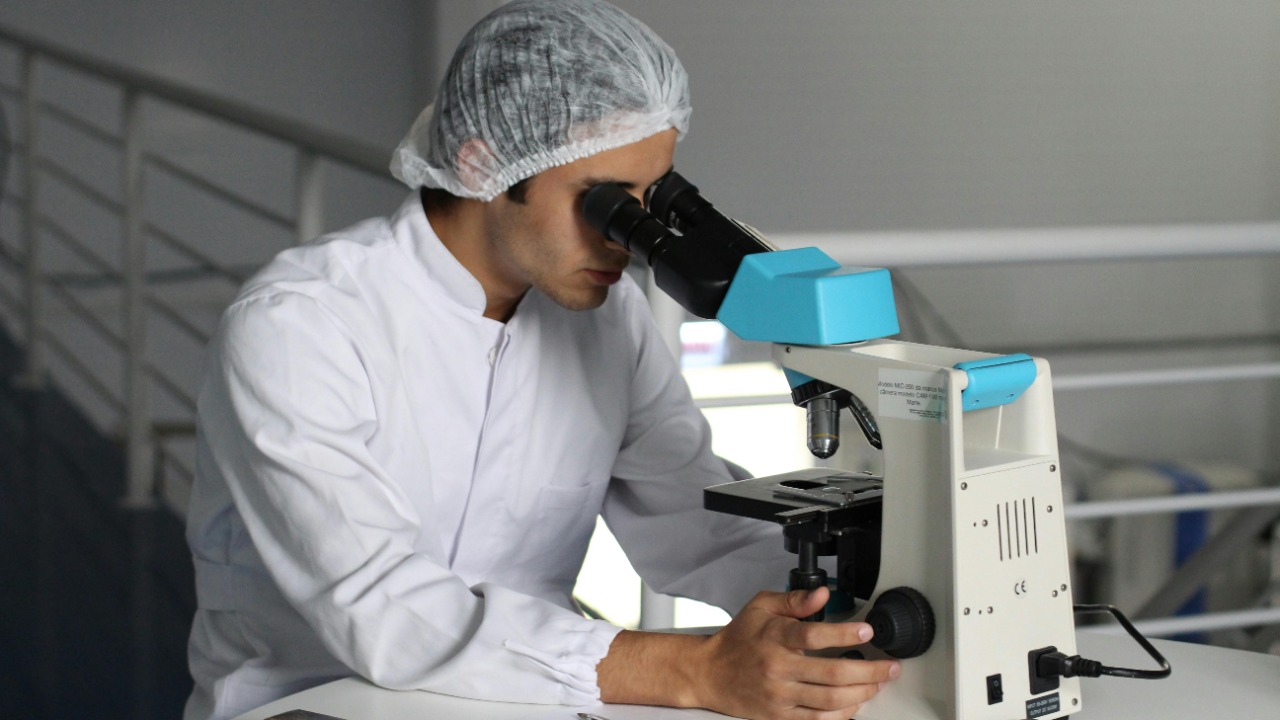
While the potential benefits of this discovery are immense, there are also potential concerns about consuming ingredients derived from plastic waste. Questions about the safety and nutritional value of these ingredients need to be thoroughly addressed. Moreover, the potential environmental impacts of this process, such as the release of greenhouse gases or toxic byproducts, also need to be evaluated.
Future research should focus on ensuring the safety and viability of this practice. Detailed studies on the nutritional value of the edible ingredients, as well as their potential health impacts, are needed. Moreover, research should also explore ways to optimize the process and increase the efficiency of plastic degradation. These areas for future research are highlighted in Gizmodo’s coverage.
Despite the promising potential of the black fungus, there are several concerns that need to be addressed, as highlighted by Gizmodo. One of the main concerns is the safety of consuming ingredients derived from plastic waste. While the black fungus is capable of breaking down plastic into simpler compounds, it is still unclear whether these compounds are safe for human consumption. There are also questions about the nutritional value of these ingredients. While they may be edible, it is important to determine whether they provide any nutritional benefits.
Another concern is the potential environmental impact of this process. While the black fungus degrades plastic without the need for energy input or the release of pollutants, it is still unclear whether this process could result in the release of greenhouse gases or other harmful byproducts. Future research should focus on addressing these concerns, ensuring the safety and viability of this practice, and exploring ways to optimize the process and increase the efficiency of plastic degradation.
