The advent of bionic eye technology has revolutionized the way we perceive possibilities in medical science. With this technology, an astounding 95% of blind patients have regained some measure of their vision, paving the way for a future where blindness is no longer a barrier.
Understanding the Bionic Eye
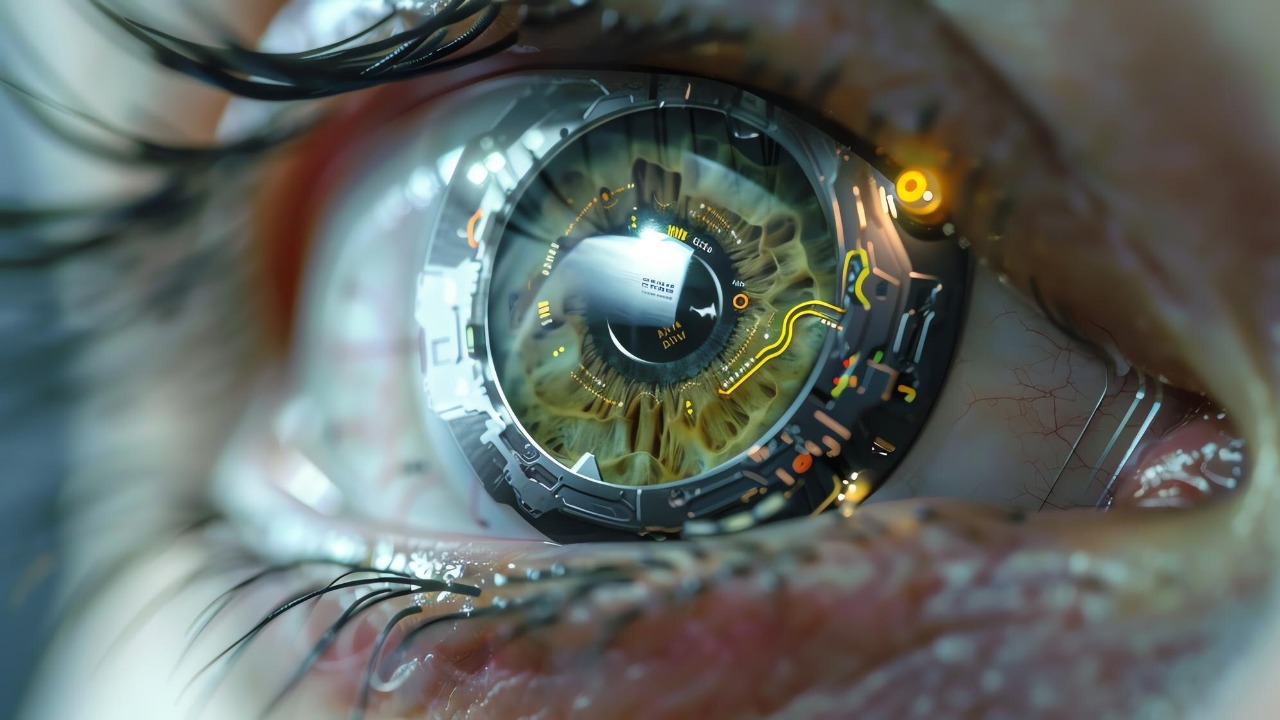
The concept of a bionic eye, or a visual prosthesis, seems like something straight out of science fiction. However, in the current age of technological advancement, it has become a reality. Essentially, a bionic eye is an artificial visual device that is implanted into the eyes of individuals who have lost their vision due to certain eye conditions. This device works by converting images captured by a miniature camera into electrical signals that stimulate the remaining healthy cells in the retina.
Several technological advancements have played a crucial role in the development of the bionic eye. These include the miniaturization of electronic components, the improvement of wireless data transmission systems, and the development of advanced surgical techniques. The Argus II Retinal Prosthesis System, for instance, is an example of such cutting-edge technology.
The Process of Vision Restoration
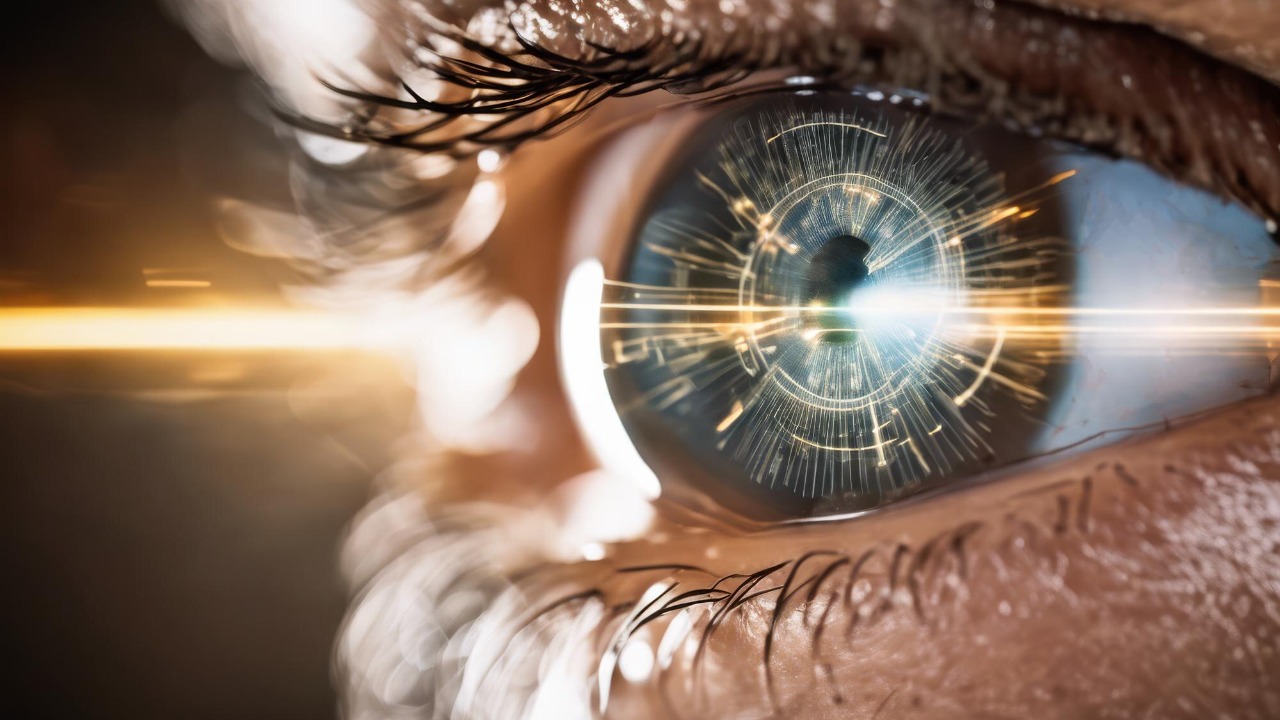
The process of vision restoration through a bionic eye involves a complex surgical procedure. First, a small electronic device is implanted into the eye. This device, known as a retinal implant, contains a microchip that converts light into electrical signals. These signals are then transmitted to an artificial retina that has been implanted in the back of the eye.
The artificial retina plays a crucial role in the process of vision restoration. It acts as a substitute for the damaged or non-functioning retina, processing the electrical signals received from the retinal implant and sending them to the brain through the optic nerve. This process allows the individual to perceive patterns of light and darkness, thereby regaining some measure of vision. More information on this procedure can be found here.
Success Rates and Case Studies

The success rate of bionic eye surgeries is remarkably high. According to a study, about 95% of patients who underwent the surgery reported an improvement in their vision. Some were even able to recognize faces and read large print, tasks that were impossible for them before the surgery.
There are numerous case studies of patients who have successfully regained vision through bionic eye surgeries. One such case is that of a 72-year-old man who had been blind for over a decade due to a condition called retinitis pigmentosa. After undergoing the surgery, he was able to see the outlines of objects and even distinguish between light and dark areas.
The Impact of Bionic Eye on Quality of Life

The restoration of vision, even if partial, can have a profound impact on the quality of life of individuals who were previously blind. It can boost their independence and self-confidence, enabling them to perform daily tasks such as reading, recognizing faces, and moving around without assistance.
Patients’ testimonials post-surgery reveal the transformative impact of this technology. One patient, for instance, reported being able to see her grandchildren for the first time. Another mentioned how the technology helped him regain his independence, as he was now able to go grocery shopping on his own.
Future Prospects of Bionic Eye Technology

Despite its already impressive accomplishments, the field of bionic eye technology is still in its early stages. Researchers are optimistic about the potential improvements and advancements in this technology. They anticipate that future iterations of the bionic eye will offer even better visual resolution, enabling patients to see more details and colors.
This technology also has wider implications for treating other vision-related ailments. For instance, it could potentially be used to treat conditions such as age-related macular degeneration and glaucoma, opening up new horizons in the field of ophthalmology. More on this can be read here.
