Imagine a future where the warm glow of streetlights is replaced by the gentle luminescence of trees. This isn’t a fantasy but a potential reality as scientists explore the possibilities of bioengineered, luminescent trees. This sustainable, aesthetic alternative to traditional lighting could revolutionize our urban landscapes.
The Science Behind Bioluminescent Trees

Bioluminescence is a natural phenomenon where organisms emit light as a result of a chemical reaction. From fireflies to deep-sea creatures, this beautiful spectacle is widespread in nature. Scientists are studying these organisms to understand the mechanism behind their glow.
By integrating the genes responsible for bioluminescence into the DNA of trees, bioengineers are attempting to create trees that glow. However, this is not an easy process. The challenge lies in ensuring that the inserted genes function properly and that the tree can produce the necessary chemicals to glow without harming its growth and development.
The Potential Benefits of Glowing Trees
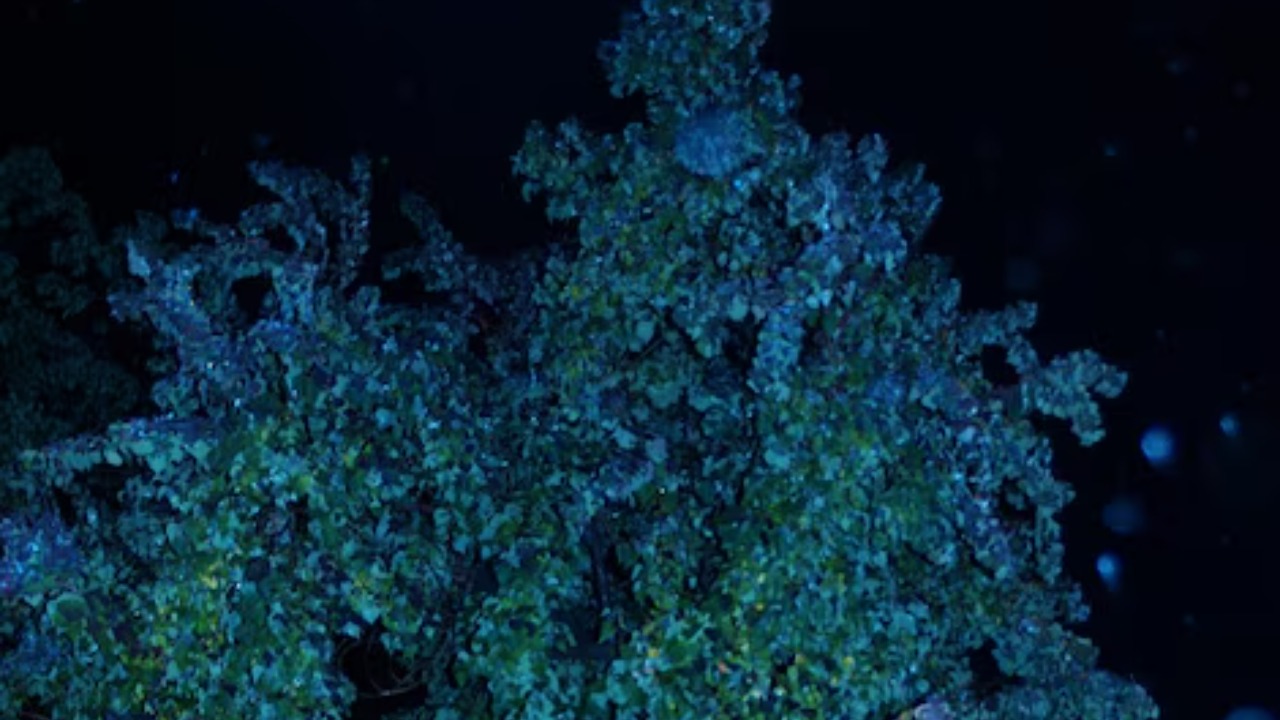
Bioluminescent trees could have a significant impact on our environment. They could reduce our reliance on electricity for outdoor lighting, leading to a decrease in carbon emissions. It’s a green solution that aligns with global efforts to combat climate change and promote sustainability.
Aside from the environmental benefits, glowing trees could also transform our cities aesthetically. Imagine walking down a street lined with glowing trees — it would be like stepping into a fairy tale. Our urban landscapes could become more organic and tranquil, providing a welcome respite from the harsh glare of artificial lights.
Challenges and Limitations in Bioengineering

Despite the promise of this technology, there are several challenges to overcome. One of the main technical difficulties is getting the trees to glow brightly enough to replace streetlights. Also, the glow needs to last throughout the night, which requires refining the bioengineering process.
There are also ethical considerations to take into account. Genetically modifying trees could have unforeseen effects on ecosystems, and there is always the question of public acceptance of such technologies. Assessing these potential impacts is crucial before these glowing trees can become a reality.
Case Studies and Current Research
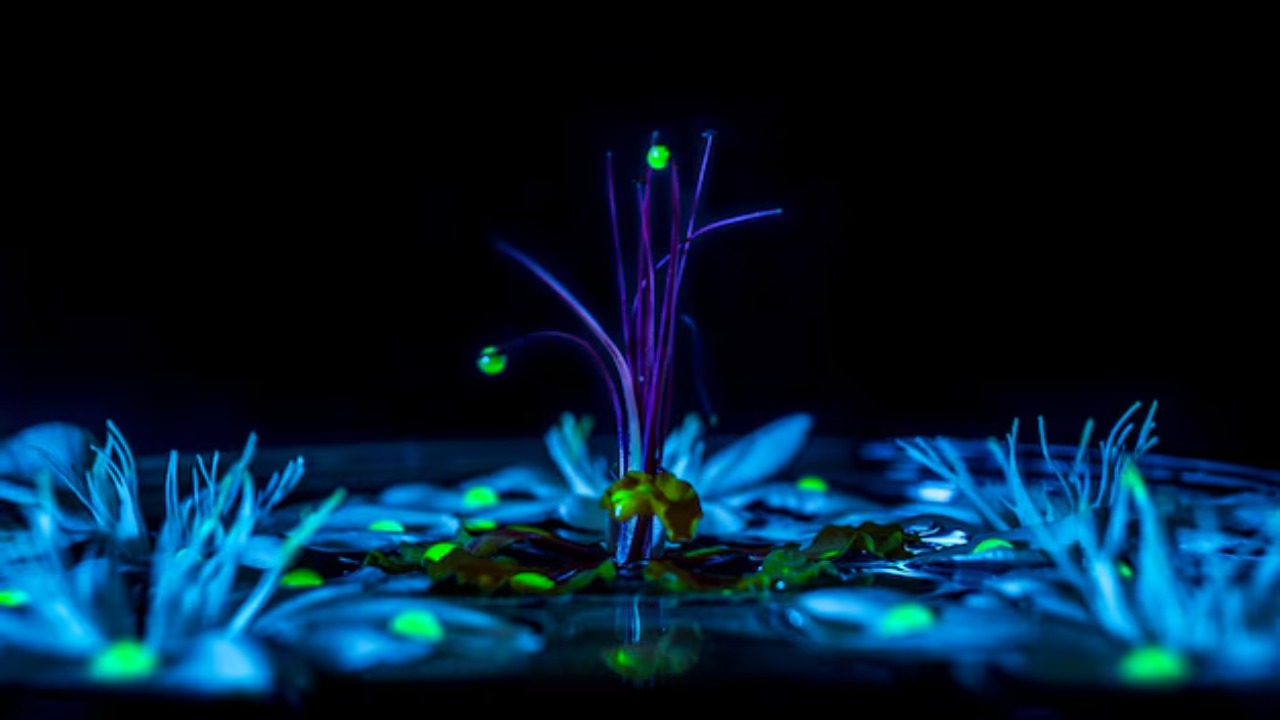
Research into bioluminescent plants and trees is ongoing. Scientists are making strides in creating plants that glow, and these successes bring us closer to the goal of luminescent trees. One study successfully created tobacco plants that emit light continuously for the entirety of their life cycle.
Despite the challenges, the potential of this technology is immense. For example, bioluminescent plants could be used for indoor lighting, reducing the need for artificial lights and electricity. With continued research and innovation, the dream of glowing trees lighting our streets could soon become a reality.
The Future of Bioluminescent Trees
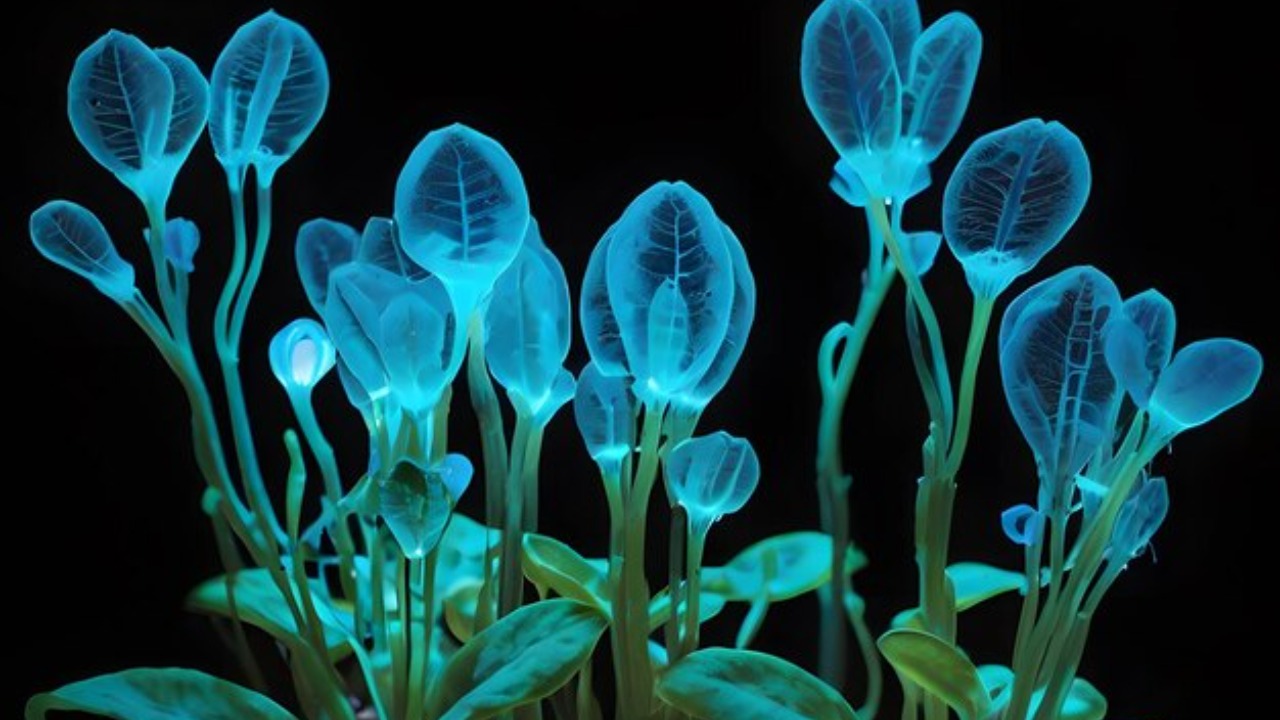
The possibilities for bioluminescent trees are exciting. Advancements in the field could lead to improvements in the brightness and longevity of the glow. There is also the question of scalability. How would these trees be grown and maintained on a large scale?
Despite the technical and ethical challenges, the potential benefits of this green technology are undeniable. As research continues, the future of street lighting could be much greener, more natural, and more beautiful than we ever imagined. And who knows? In the not-too-distant future, we might find ourselves walking down a street lit not by harsh artificial lights, but by the soft, ethereal glow of trees.
