Imagine a world where life-saving vaccines could be grown in a garden and consumed in a salad. That’s the potential offered by bioengineered plants capable of producing edible vaccines. This groundbreaking fusion of agricultural science, medical technology, and regulatory policy has the potential to revolutionize healthcare delivery, especially in regions where traditional vaccine resources are scarce or non-existent.
The Science Behind Bioengineered Plants
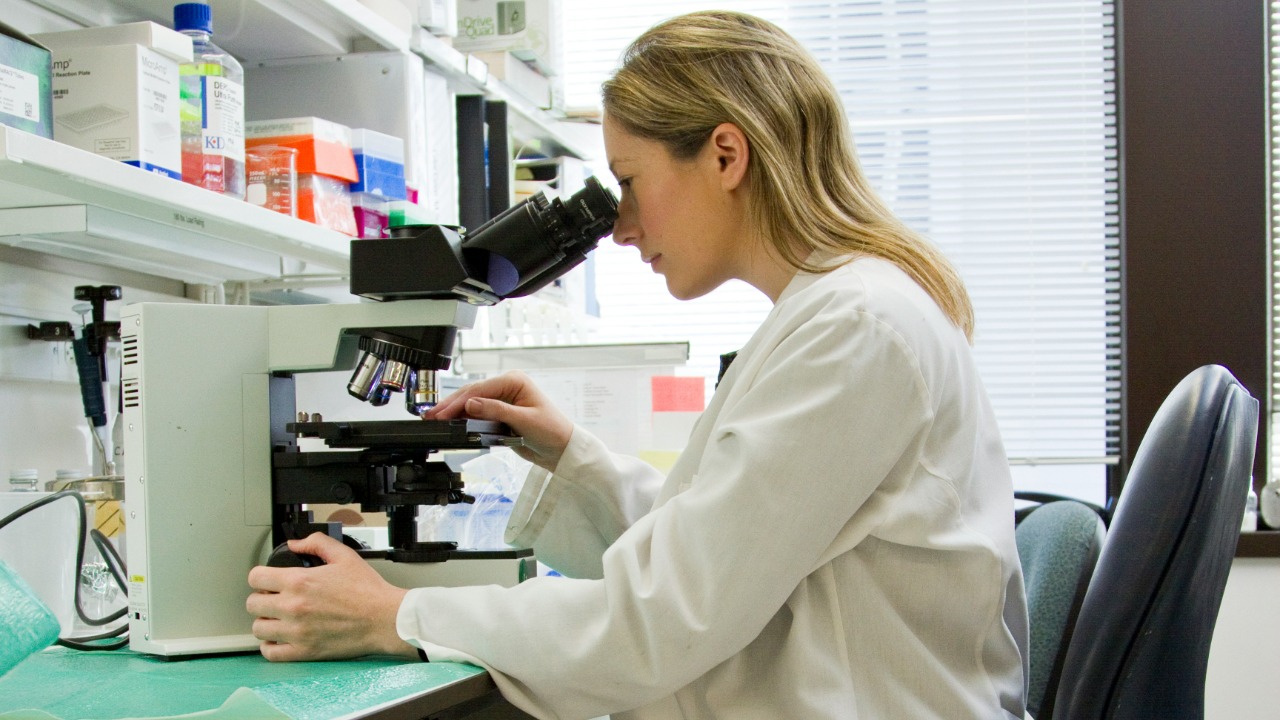
At the heart of this technology is genetic modification. Scientists can insert specific genes into plants, prompting them to produce antigens – the active components of vaccines. These bio-fortified plants can then be consumed, delivering the vaccine directly through ingestion.
Several successful experiments have been conducted in this field. For example, a research team at Arizona State University engineered tobacco plants to produce a cholera toxin B subunit, a key ingredient in cholera vaccines. Another team at the Boyce Thompson Institute used a similar approach to produce a vaccine against the Norwalk virus using genetically modified potatoes. These successful experiments showcase the immense potential of this technology.
Benefits of Edible Vaccines

One of the most significant advantages of edible vaccines is their cost-effectiveness. Traditional vaccines require refrigerated transport and sterile injection equipment, both of which can be costly and challenging to manage, especially in developing countries. Edible vaccines, on the other hand, can be grown and consumed locally, drastically reducing costs and logistical challenges.
Additionally, edible vaccines could help address vaccine shortages by providing a scalable production model. By leveraging agricultural production systems, we could potentially grow vaccines in large quantities, increasing global vaccine supply. Furthermore, edible vaccines offer a less invasive and more user-friendly administration method compared to injectable vaccines, potentially improving vaccine acceptance and coverage.
Applications and Practicality
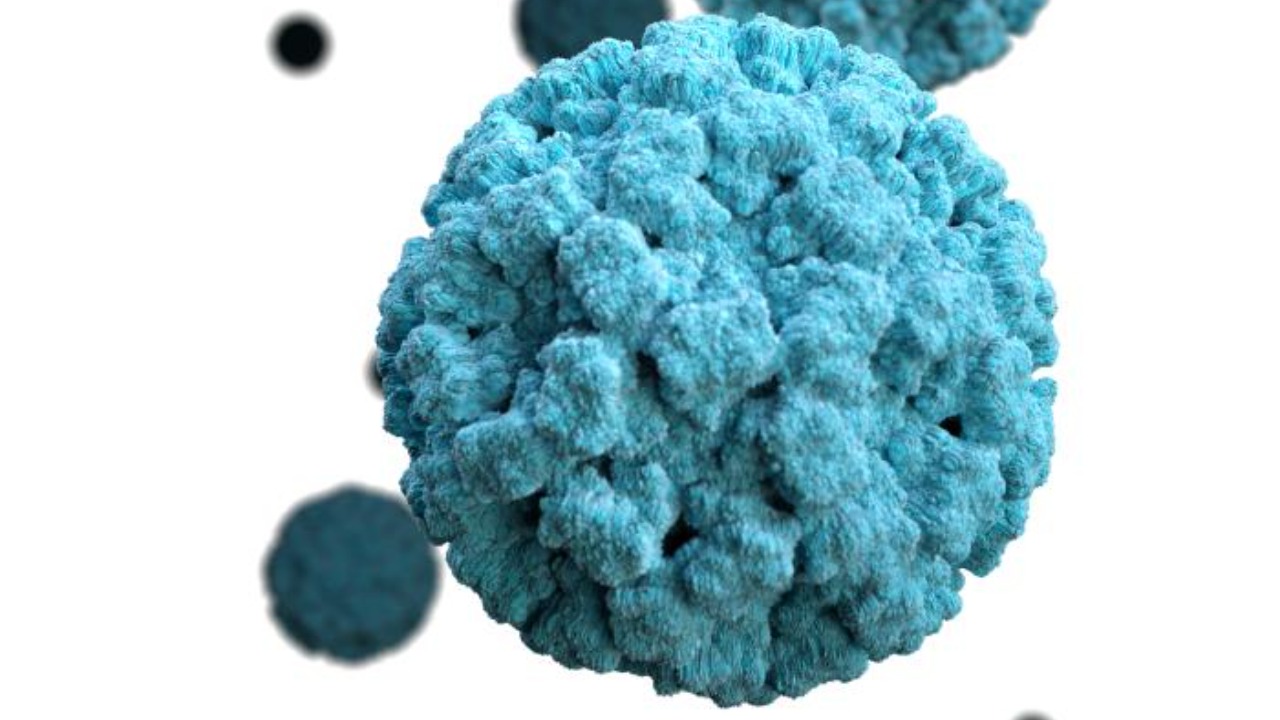
Edible vaccines show promise in tackling a variety of diseases. They have been explored for infectious diseases like cholera and Norwalk virus, as mentioned earlier, and there’s potential to expand this list. Researchers are also investigating the possibility of using edible vaccines for non-infectious diseases, including certain types of cancer.
However, there are practical considerations to address. For instance, controlling the dosage of an edible vaccine could be challenging, as it would depend on the size and maturity of the plant consumed. Additionally, factors like shelf-life and temperature sensitivity could impact the vaccine’s viability. Despite these challenges, the potential benefits of this technology far outweigh its drawbacks, making it a promising avenue for future research and development.
Regulatory and Ethical Considerations

The regulatory landscape for genetically modified organisms (GMOs) is complex and varies by region. It’s essential that these edible vaccines meet the same rigorous safety and efficacy standards as traditional vaccines. Informed consent is another crucial ethical consideration, as individuals should be fully aware of what they’re consuming and its potential effects.
Additionally, the introduction of GMOs into the environment could have impacts on biodiversity. Therefore, careful environmental risk assessment is necessary before any widespread implementation of this technology. Despite these challenges, with thorough research and careful regulation, bioengineered plants producing edible vaccines could become a reality.
Future Prospects

Looking forward, research in the field of bioengineered plants producing edible vaccines is expected to grow. Current research trends suggest a keen interest in enhancing the efficacy of edible vaccines and overcoming practical challenges related to dosage control and storage conditions.
However, there are potential challenges to be addressed. Regulatory hurdles, ethical considerations, and public acceptance of genetically modified foods all pose significant obstacles. Nevertheless, with continued research and development, bioengineered edible vaccines could play a crucial role in global healthcare, potentially bringing us closer to a world where vaccines can be grown in a garden and consumed in a salad.
For further reading on this exciting field, check out these research articles on genetically engineered edible vaccines and the challenges and prospects of this innovative approach to vaccine delivery.
