Amid escalating concerns over carbon emissions, a potential game-changer emerges from an unexpected source: algae. Ground-breaking research has led to the creation of bioengineered algae that can absorb carbon dioxide (CO2) at a rate ten times faster than traditional plants, presenting a compelling new approach to mitigating the climate crisis and redefining sustainability measures.
The Science of Bioengineered Algae
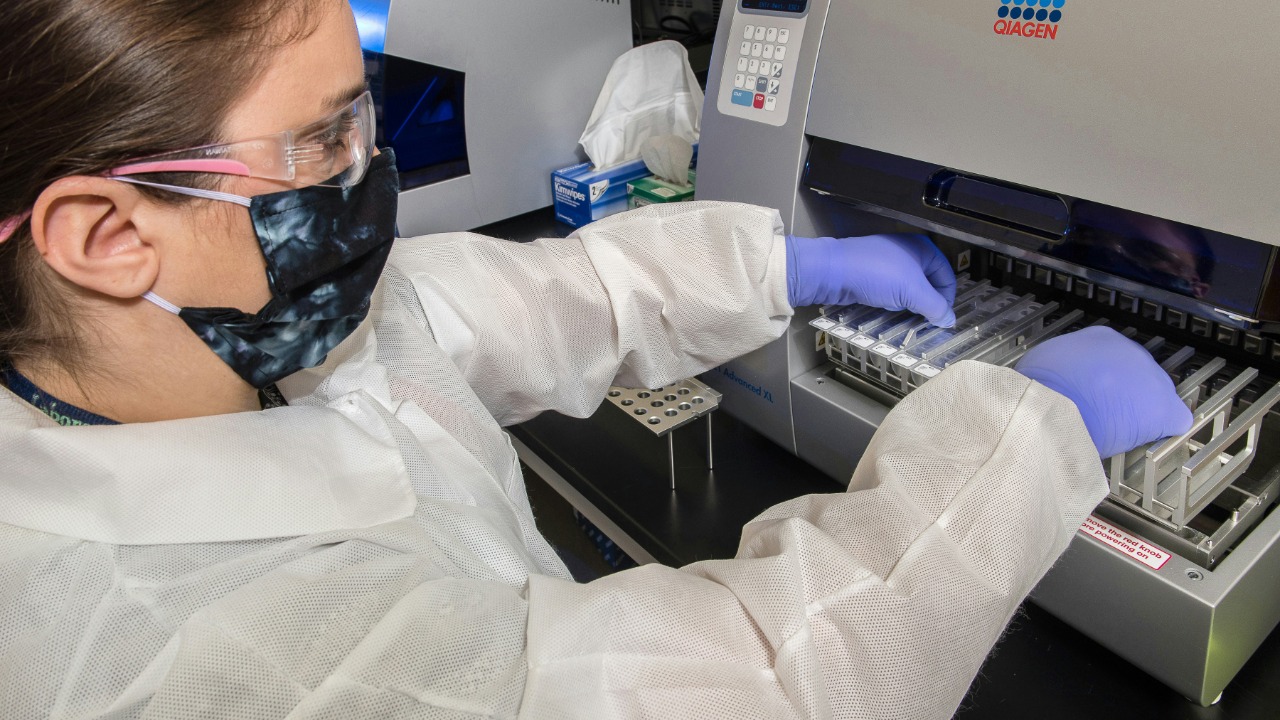
Bioengineering, a field that combines biological knowledge with engineering principles, has been harnessed to create algae that can absorb CO2 at an unprecedented rate. This was achieved by genetically modifying certain strains of algae to increase their photosynthetic efficiency, the process by which plants convert sunlight, water, and CO2 into oxygen and glucose. The result is a strain of algae that can consume CO2 at a rate far surpassing that of conventional crops.
Instrumental in boosting the CO2 absorption rate of bioengineered algae are photobioreactors, specialized systems that provide optimum conditions for the algae’s photosynthetic process. These controlled environments allow for greater exposure to light, enhancing the algae’s ability to convert CO2 into oxygen. For more in-depth understanding of this process, read this detailed study on the subject.
Environmental Implications of Bioengineered Algae
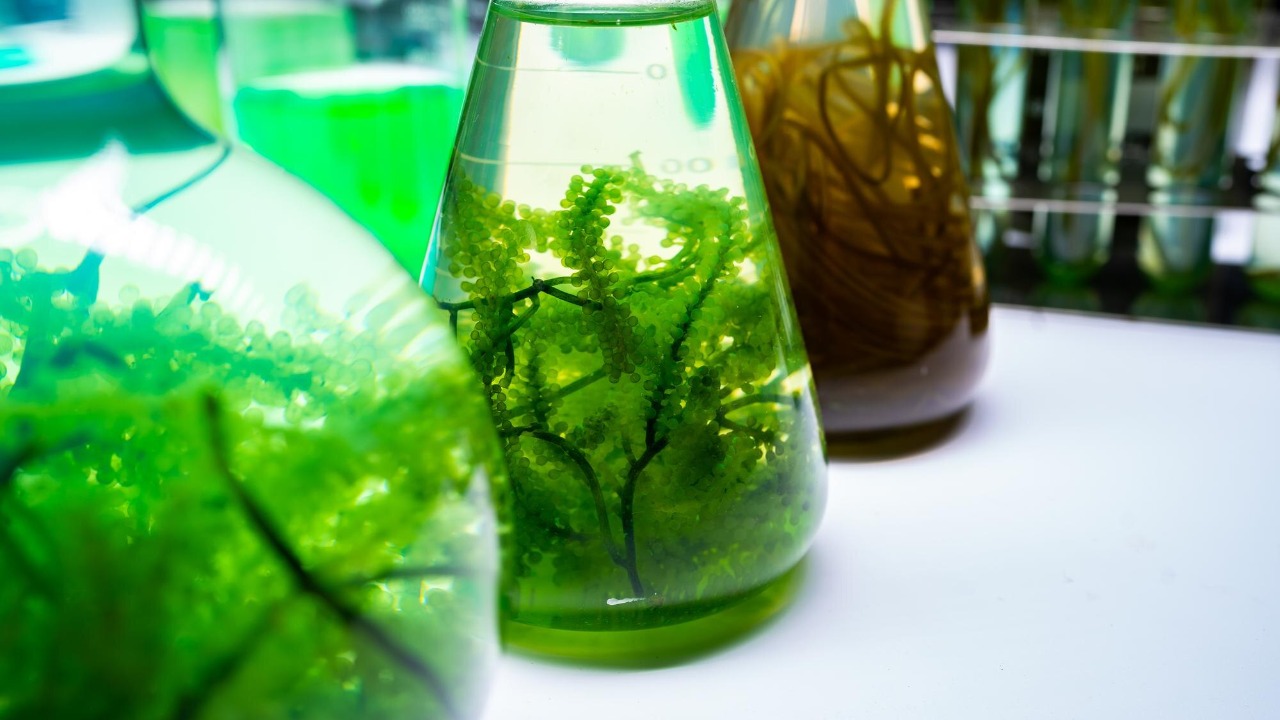
The development of bioengineered algae has significant environmental implications. By absorbing CO2 at an accelerated rate, these algae could play a pivotal role in mitigating greenhouse gas emissions. The potential for bioengineered algae to contribute to a reduction in global CO2 levels offers a promising avenue for climate change mitigation, as outlined in this research article.
However, it’s important to consider the ecological implications of introducing bioengineered organisms into the environment. While the benefits are apparent, potential downsides must also be considered, such as the risk of these engineered strains outcompeting native algae species or disrupting local ecosystems. Therefore, further research and risk assessment are crucial before widespread implementation.
Technological Challenges and Solutions
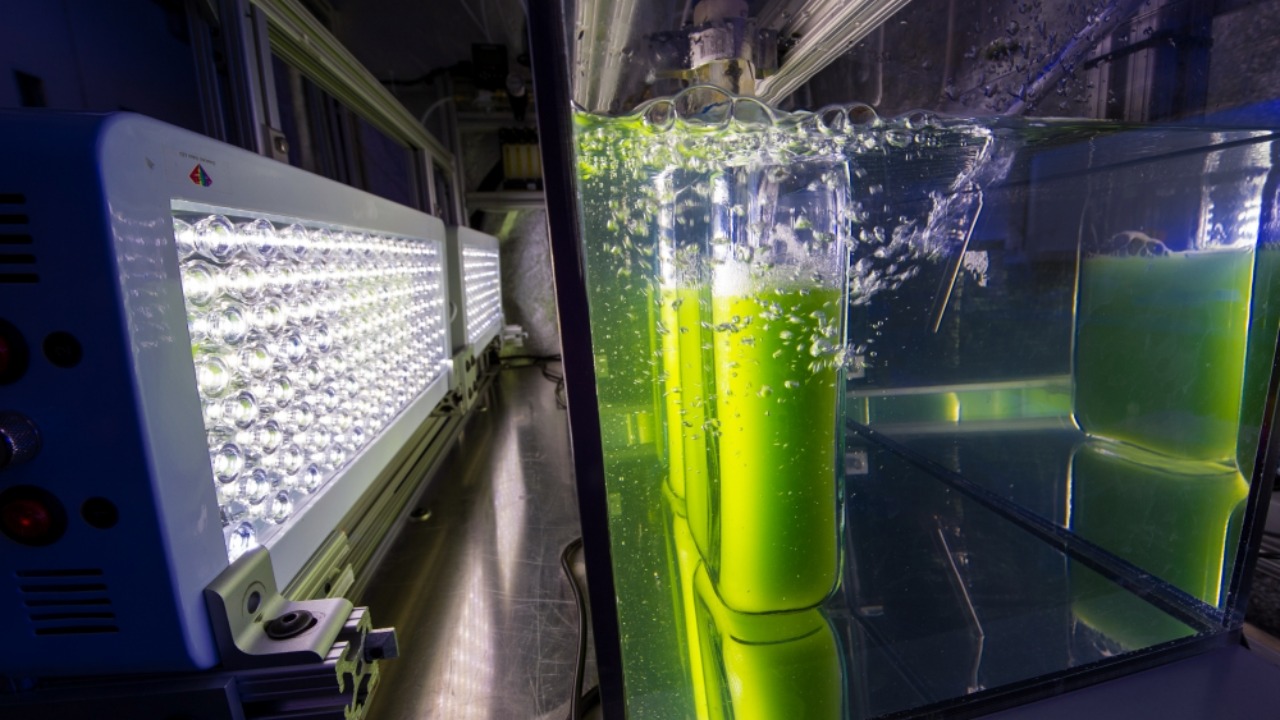
Scaling up the production of bioengineered algae presents certain challenges. One of the main issues is the build-up of biofouling in photobioreactors. This problem, where microorganisms, plants, or algae accumulate on surfaces, can severely affect the efficiency of these systems.
However, solutions are in sight. Engineers at MIT have developed a solution to prevent biofouling in photobioreactors, a significant step forward in improving the efficiency of algae cultivation. You can learn more about this innovation here. As technology continues to advance, more solutions to these challenges are expected to emerge, further enhancing the potential of bioengineered algae as a tool against climate change.
Commercialization and Future Prospects
The commercial viability of bioengineered algae is another crucial consideration. The costs of cultivating algae on a large scale and processing it for carbon capture must be weighed against the potential benefits. However, several startups are already leading the way in this field. For example, companies like Pond Technologies and Algenol Biofuels are pioneering the use of bioengineered algae for clean energy production.
The future of bioengineered algae in the fight against climate change looks promising. While there are still challenges to overcome, the potential for large-scale CO2 absorption and the production of renewable energy presents an exciting new frontier in sustainability. For more information about the commercialization of bioengineered algae, check out this article.
Policy Implications and Regulatory Considerations

As with any new technology, policy and regulatory considerations must be taken into account. The current policy landscape for bioengineered organisms varies globally, with some regions having more stringent regulations than others. It’s critical that policies are in place to promote the responsible use and development of bioengineered algae, ensuring environmental safety while facilitating innovation.
Potential regulatory considerations include the need for rigorous risk assessments before implementation, the regulation of bioengineered algae cultivation, and the monitoring of environmental impacts. The role of policy in promoting the adoption of bioengineered algae for CO2 absorption is discussed in detail in this research paper.
