In a groundbreaking announcement, Bill Gates has declared the end of the smartphone era, signaling a major shift in the technological landscape. With much anticipation, he unveiled a surprising replacement that promises to revolutionize the way we interact with technology. This new development is poised to redefine our digital experiences, drawing both excitement and curiosity from tech enthusiasts and everyday users alike.
The End of the Smartphone Era

Historical Context
Over the past two decades, smartphones have evolved from a luxury item into an essential part of daily life. Since the launch of the first iPhone in 2007, these devices have transformed how we communicate, access information, and entertain ourselves. They’ve integrated seamlessly into the fabric of our lives, offering capabilities far beyond the original mobile phones. From navigation to social networking, smartphones have become indispensable tools.
Technological Limitations
Despite their ubiquity, smartphones face significant limitations. Battery life remains a persistent issue, with users often needing to charge their devices multiple times a day. Screen size is another constraint, limiting the extent of immersive experiences. Privacy concerns have also surged, with users increasingly wary of data breaches and unauthorized access to personal information. These limitations have fueled the search for more advanced technologies capable of overcoming such barriers.
Decline Indicators
Recent trends suggest a plateau in smartphone innovation, with sales figures beginning to stagnate. Many industry analysts point to the lack of groundbreaking features in recent models as a sign of the industry reaching maturity. Additionally, consumer surveys indicate a growing demand for more intuitive and powerful devices, hinting at a potential decline in the smartphone’s dominance.
Introducing the New Era

Gates’ Vision
Bill Gates’ announcement marks a bold step towards a new era in personal technology. His vision revolves around creating a more integrated and seamless interaction between humans and technology. This vision is centered on expanding connectivity and enhancing user experiences, aiming to provide a more intuitive way of interacting with digital content.
The Replacement Technology
Gates unveiled a surprising new technology: a mixed reality device that combines the capabilities of augmented reality (AR) and virtual reality (VR). This device, equipped with advanced sensors and AI capabilities, promises to offer an immersive experience that surpasses the limitations of traditional smartphones. Its potential advantages include hands-free operation and a more natural interface, allowing users to interact with digital environments in innovative ways.
Development and Innovation
The development of this technology involved collaboration with leading tech firms and researchers. Companies like Microsoft and Magic Leap played a crucial role in its research and development. The focus was on creating a device that not only enhances user experience but also addresses current technological challenges. This collaborative effort underscores the importance of innovation and partnership in driving technological progress.
Implications for Users
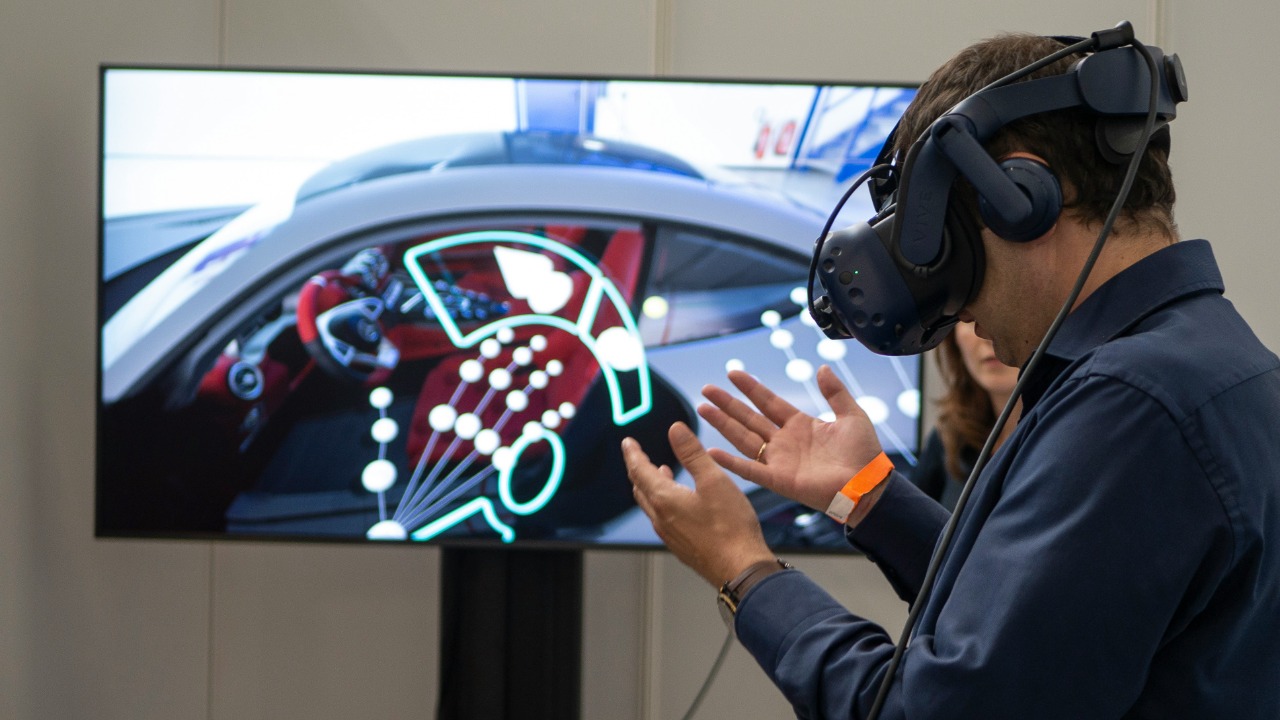
User Experience
This new technology promises to revolutionize how users interact with digital content. By offering a more immersive and flexible experience, it allows for greater engagement and interaction. Users can expect a more personalized and seamless integration of digital services into their daily lives, enhancing productivity and entertainment.
Privacy and Security
Privacy and security are at the forefront of this new technology’s design. Unlike smartphones, which frequently face scrutiny over data privacy issues, this new device incorporates advanced security measures to protect user data. Features like end-to-end encryption and biometric authentication ensure that personal information remains secure.
Accessibility and Inclusivity
The new technology also aims to improve accessibility and inclusivity. By offering a more intuitive interface and customizable features, it caters to a diverse range of users, including those with disabilities. This focus on inclusivity ensures that more people can benefit from technological advancements, bridging the digital divide.
Market and Industry Impact
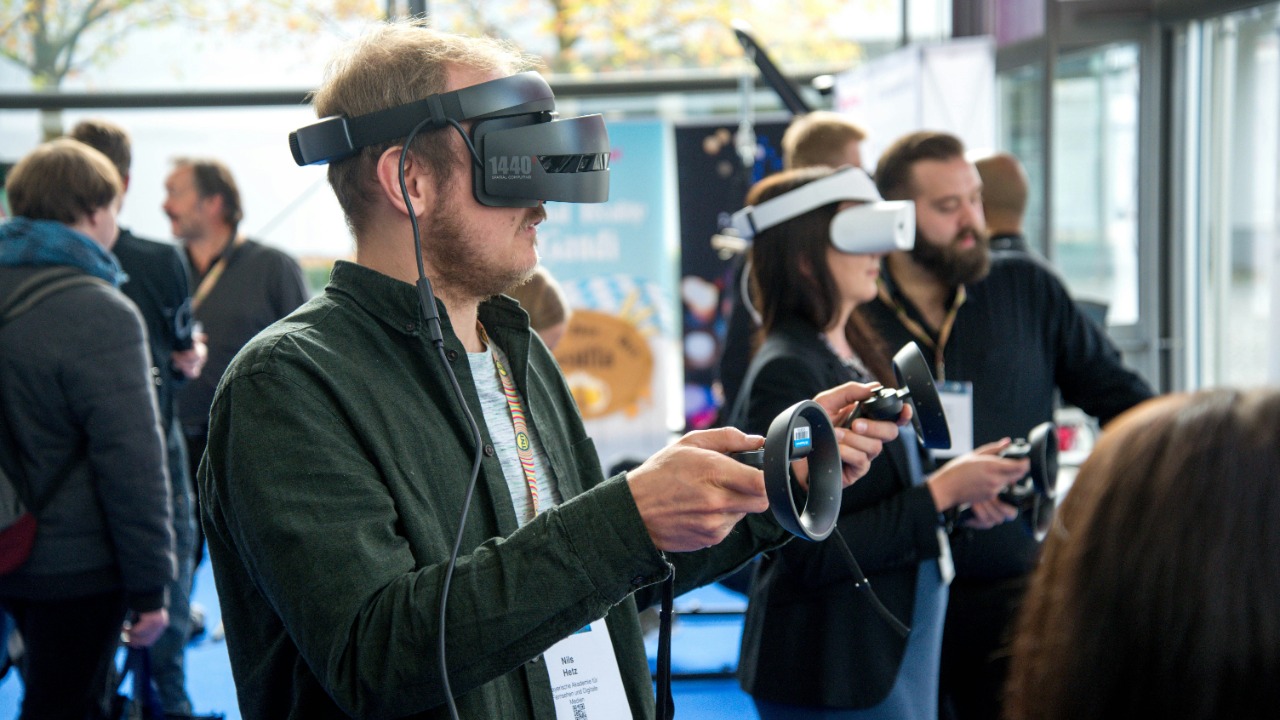
Industry Shifts
The introduction of this technology is poised to disrupt the existing smartphone market. As users transition to more advanced devices, traditional smartphone manufacturers may need to adapt or risk becoming obsolete. This shift presents both challenges and opportunities for the tech industry, with companies needing to innovate to stay competitive.
Economic Implications
The economic impact of this new technology could be significant. It has the potential to drive market growth and create new job opportunities in sectors such as software development and hardware manufacturing. Additionally, shifts in consumer spending patterns may influence the broader economy, as users invest in new devices and related services.
Competitive Landscape
Other tech giants, like Apple and Google, are likely to respond to this shift by accelerating their own innovation efforts. These companies may explore new technologies or enhance their existing offerings to maintain market share. The competitive landscape will become increasingly dynamic, with companies vying to lead the next wave of technological advancements.
Future Possibilities
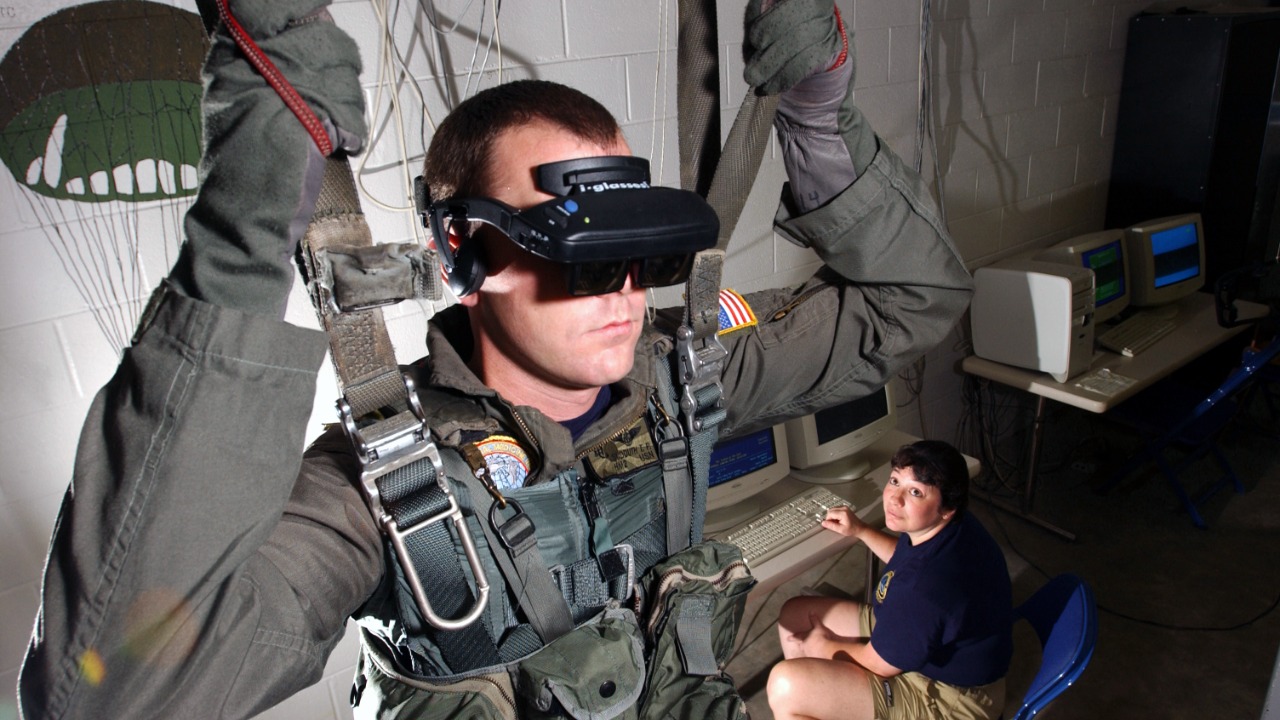
Technological Evolution
As this new technology evolves, future iterations may integrate with other emerging technologies, such as artificial intelligence and the Internet of Things (IoT). These integrations could further enhance functionality and expand the range of applications, creating even more possibilities for innovation and growth.
Global Impact
The global implications of this technological shift are profound, particularly in developing regions where smartphone penetration is still growing. This new device could accelerate digital adoption and provide access to advanced technologies, fostering economic development and improving quality of life.
Societal Changes
As we embrace this new era, societal norms and communication habits may evolve. The way we interact with technology could become more fluid and intuitive, influencing lifestyle changes and shaping the future of digital culture. This shift presents an exciting opportunity to redefine our relationship with technology and explore new ways of connecting with the world around us.
